Chassis Dynamometer & Power Testing Equipment
Motorcycle single-roller/double-roller horsepower dynamometer | CTMTDCG-3W/CTMTDCG-10W
The CTMTDCG-3W and CTMTDCG-10W support motorcycle power sweeps, constant-speed and constant-tractive-force tests, acceleration and coast-down tests. The 3W is for two-wheel motorcycles, while the 10W also accommodates three-wheel models. Engine-speed acquisition, cooling and test-data recording are included.
Product Overview
The CTMTDCG motorcycle chassis dynamometers support performance testing by motorcycle manufacturers and tuning work by modification specialists. The vehicle runs on rollers under a defined load while the system measures chassis output and produces power and torque curves. These results show how performance changes with vehicle speed and load.
The CTMTDCG-3W is designed for two-wheel motorcycles, with a permitted wheel/axle load of 300 kg. The CTMTDCG-10W accommodates two-wheel and three-wheel motorcycles, with a permitted wheel/axle load of 750 kg. Wheelbase, ground-clearance and clamping requirements differ between the models.
Main Functions and Features
Multiple Load-Controlled Tests
The dynamometer supports constant-speed and constant-tractive-force tests with user-defined test points. It also supports maximum-power sweeps, acceleration from rest, overtaking acceleration, maximum-speed tests, and coast-down time and distance measurements. Road-load simulation allows resistance to be set for different road conditions.
Performance Curves and Data Recording
The system generates chassis power and torque curves and saves live test data 10 times per second. After a test, operators can retrieve records and curves to analyse vehicle performance under the selected conditions.
Engine-Speed Acquisition and ECU Analysis
Wireless RF OBD acquisition provides engine-speed data during testing. Users can also connect to the motorcycle ECU and analyse operating data under the conditions established by the dynamometer. The interface and connection method must suit the vehicle being tested.
Cooling and Operating Controls
An axial-flow fan cools the test vehicle and supports automatic, manual or independent control. Emergency-stop and software limit-protection functions help operators control equipment operation during a test.
Technical Specifications
Models and Vehicle Fit
| Parameter | CTMTDCG-3W | CTMTDCG-10W |
|---|---|---|
| Vehicle type | Two-wheel motorcycles | Two-wheel and three-wheel motorcycles |
| Permitted wheel/axle load | 300 kg | 750 kg |
| Suitable wheelbase | 850–1,750 mm | 850–2,700 mm |
| Minimum ground clearance | 90 mm | 70 mm |
| Clamping range | 50–230 mm | 50–260 mm |
The CTMTDCG-10W accommodates wheel tracks of 250–1,600 mm.
Common Test Specifications
| Parameter | Value |
|---|---|
| Engine displacement range | 50–1,800 cc |
| Maximum test speed | 320 km/h |
| Rated measurable torque | 700 N·m |
| Live-data recording rate | 10 records/second |
Speed, torque and displacement are separate equipment specifications. Test conditions must suit the vehicle and the task; the maximum-speed and rated-torque values do not mean that every vehicle can reach both simultaneously.
Applications and Model Selection
Motorcycle manufacturers can use the equipment for performance development, acceleration and coast-down tests. Modification specialists can review power curves after adjustments and observe vehicle behaviour under different loading conditions.
Start with the two-wheel or three-wheel vehicle type, then check wheel/axle load, wheelbase, wheel track, ground clearance and clamping range. Required tests, ECU connections and site layout should also be considered when selecting the bench and supporting equipment.
Frequently Asked Questions
Can One Model Test Both Two-Wheel and Three-Wheel Motorcycles?
The CTMTDCG-10W supports both. If all test vehicles have two wheels, either the CTMTDCG-3W or CTMTDCG-10W may be selected according to load, wheelbase and test requirements.
What Can I Observe in a Constant-Speed Test?
A constant-speed test establishes operating conditions at a selected vehicle speed so that performance at that speed can be examined. Test points can be defined by the user, and ECU data can be used to analyse vehicle operation under those conditions.
What Is the Purpose of the Parasitic-Loss Test?
The parasitic-loss test uses coast-down measurements to determine internal friction losses in the roller mechanism. This identifies the dynamometer's own losses and helps distinguish them from the force applied by the vehicle to the rollers.
Can the Cooling Fan Be Controlled Independently?
Yes. The axial-flow cooling fan supports automatic, manual and independent control, allowing cooling to be arranged around the test procedure.
Contact Us
To discuss a motorcycle chassis dynamometer, please provide Cartesy with the two-wheel or three-wheel vehicle types, wheel/axle loads, wheelbases, engine displacements, test requirements and site conditions. These details will help define the model and test configuration.
Related Pages
Related Products
Compare related inspection systems
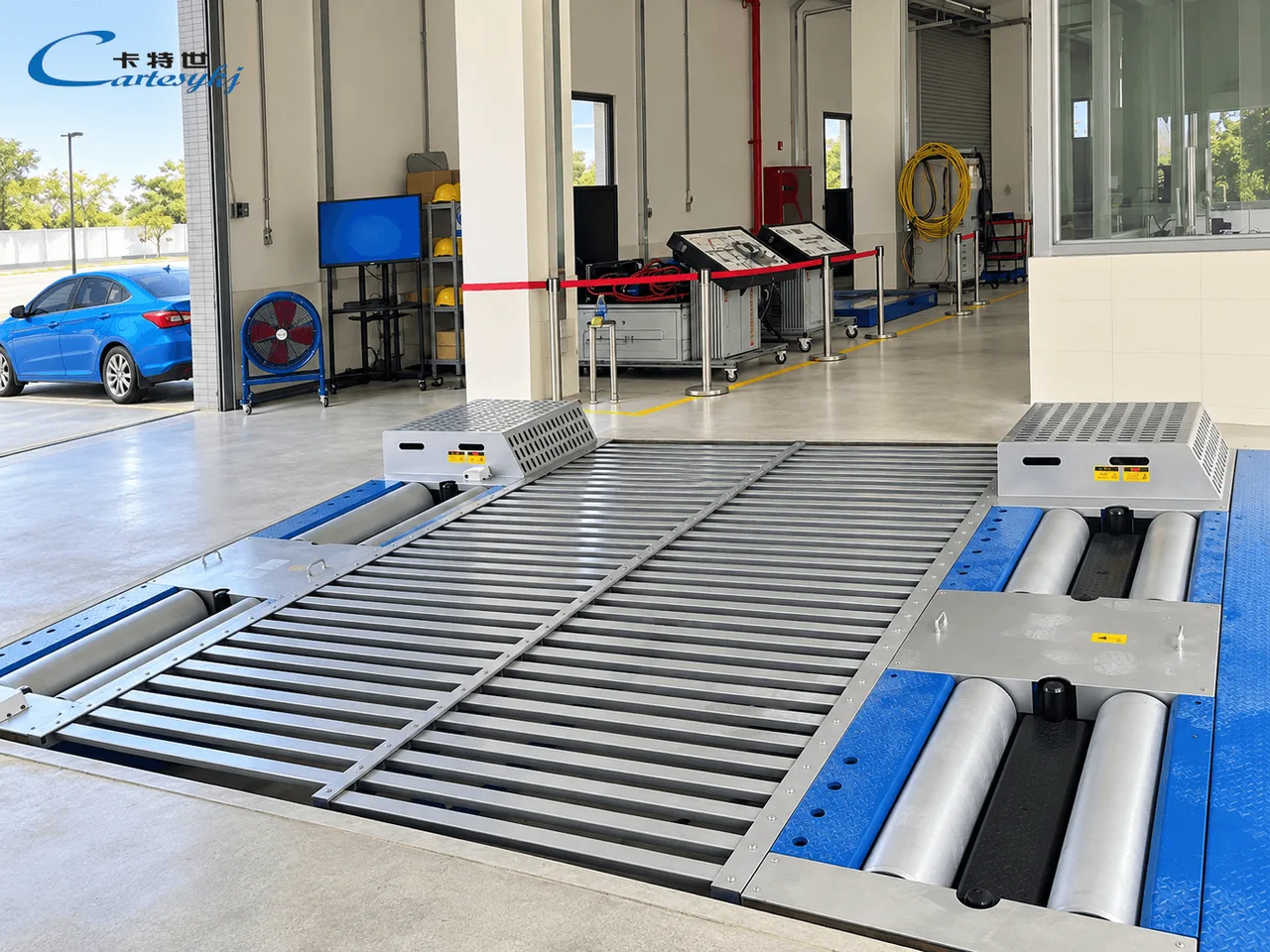
Chassis Dynamometer & Power Testing Equipment
2WD/4WD Chassis Dynamometer | CTDCG -3J/CTDCG-3-4WD
View Product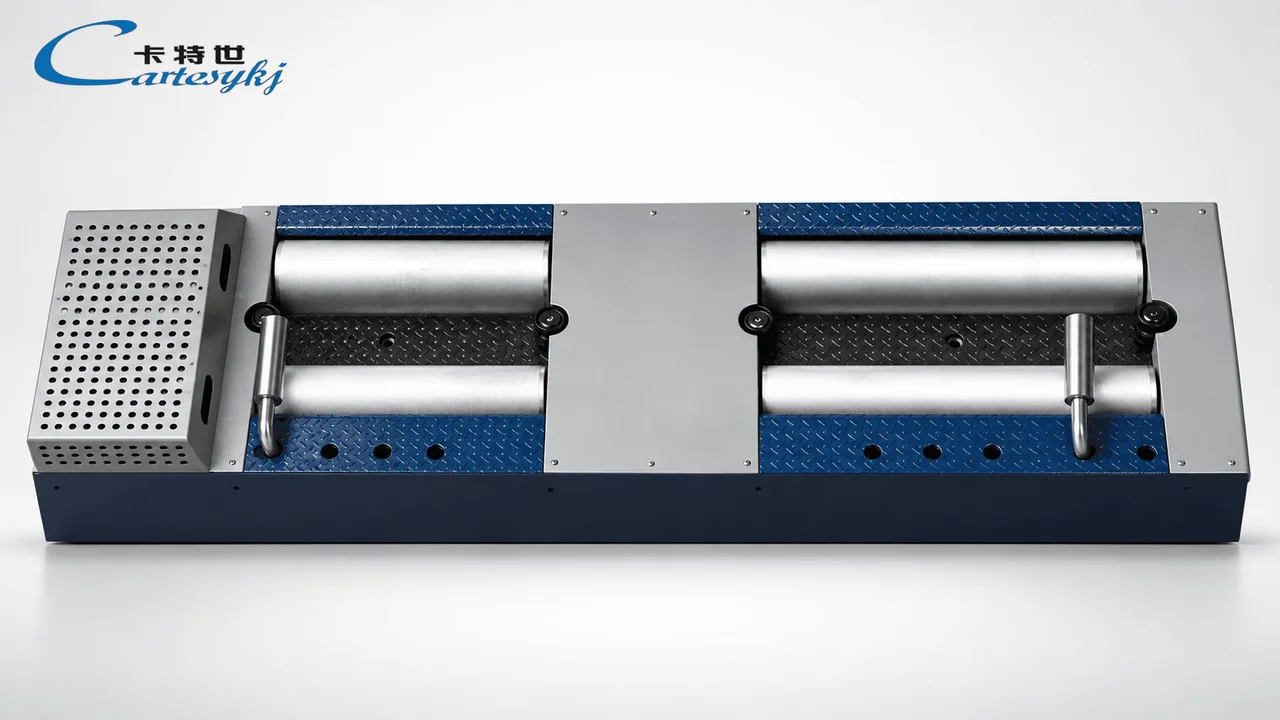
Chassis Dynamometer & Power Testing Equipment
Vehicle chassis dynamometer | CTDCG-3/CTDCG-10/CTDCG-13/CTDCG-15
View ProductRequest a Quote
Request configuration and pricing for your project.
Share your vehicle type, inspection lane layout, target capacity, and required model configuration for Motorcycle single-roller/double-roller horsepower dynamometer | CTMTDCG-3W/CTMTDCG-10W.
Share the project location, vehicle types, inspection scope, applicable standards, target throughput, site conditions and current stage. We will confirm the configuration scope before discussing pricing.