
Brake & Axle Load Testing Equipment
Luxurious Flat Plate Brake Tester | 2CTHPB-3-4/4CTHPB-3B
/2CTHPB-10/CTHPB-10B/CTHPB-10C Vehicle inspection facilities face severe financial and operational exposure when test bays produce inconsistent braking or weight data. Unreliable readings cause re-inspection bottlenecks...


/2CTHPB-10/CTHPB-10B/CTHPB-10C
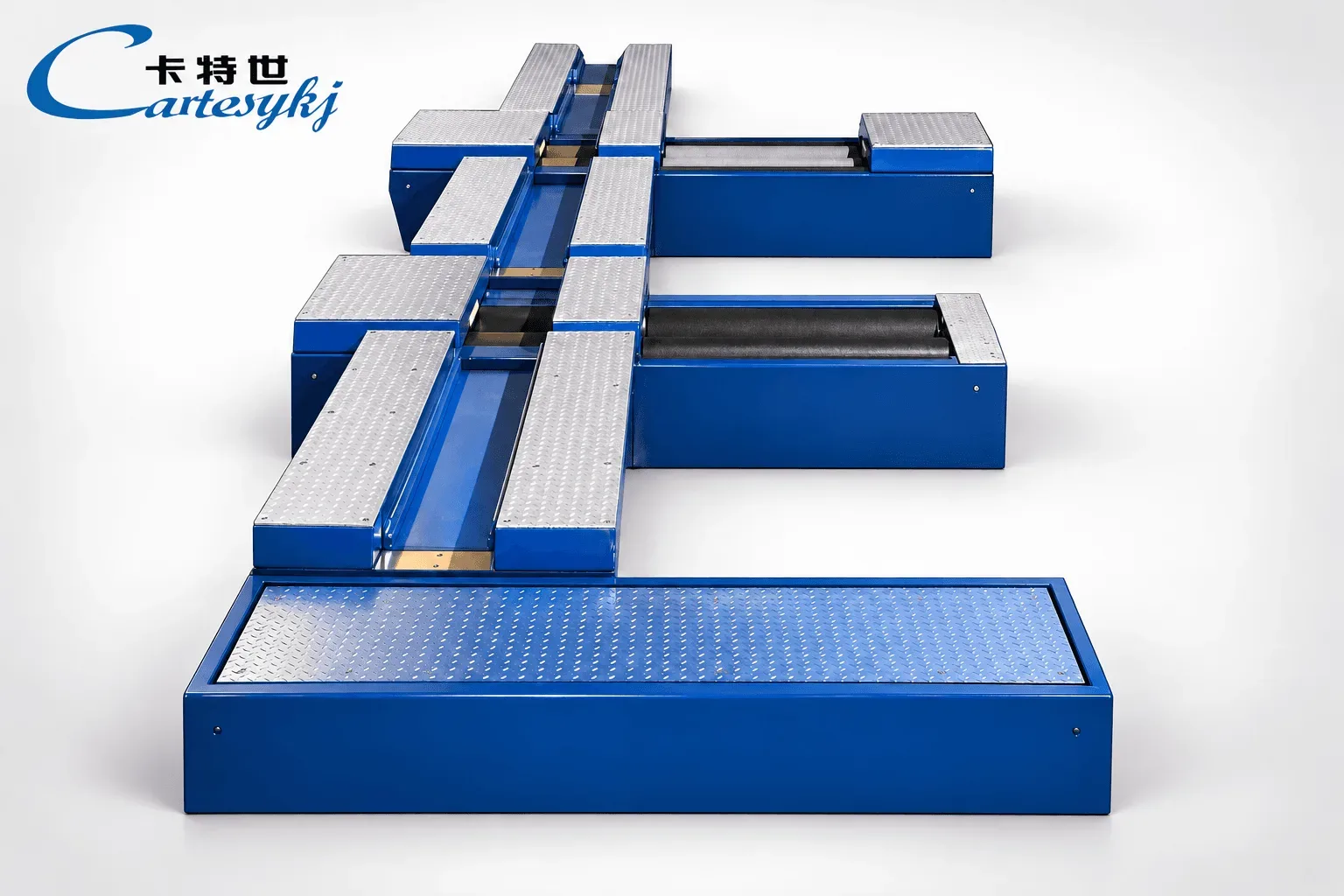
Vehicle inspection facilities face severe financial and operational exposure when test bays produce inconsistent braking or weight data. Unreliable readings cause re-inspection bottlenecks, regulatory compliance disputes, and equipment downtime. The luxury flat brake tester resolves these operational vulnerabilities by simulating realistic flat road friction within a low-profile footprint. Operating as dynamic Automotive Service Equipment, this modern plate brake tester evaluates multi-axle braking, load distribution, and steering alignment in a single drive-over pass.
Table of Contents
- Verified Equipment Definition and Material/Application Scope
- Buyer Value and Sourcing Considerations Supported by Supplied Facts
- Verified Technology Trends and Classifications
- Documented Materials, Quality Controls, Certifications and Components
- Practical Sourcing and Risk-Mitigation Guidance
- Frequently Asked Questions
- Conclusion
1. Verified Equipment Definition and Material/Application Scope
A luxury flat brake tester is a specialized electro-mechanical vehicle testing system engineered to replicate dynamic surface braking on an actual flat road. During the inspection procedure, the target vehicle enters the test platform at a controlled speed between 5 km/h and 10 km/h. When the driver applies the brakes directly on the active plates, the apparatus captures dynamic physical reactions rather than relying on motor-driven rollers.
In a single dynamic testing cycle, the luxury flat brake tester completes simultaneous measurements across several critical chassis parameters:
- Dynamic braking force per individual wheel and axle
- Static and dynamic axle weight (axle load) distribution
- Sideslip force and wheel alignment deviations
- Vehicle suspension performance dynamics
To ensure friction characteristics closely mirror paved highway conditions, the surface of each platform utilizes proprietary sand sticking technology. This specialized abrasive treatment provides a high-friction contact interface between the tire tread and the test plate, preventing unnatural wheel slippage during rapid deceleration. As a result, the dynamic forces registered during testing represent genuine highway braking performance.
This dynamic testing mechanism serves diverse technical facilities within the global automotive and transportation sectors:
- Statutory Vehicle Inspection Stations: High-throughput test lanes verifying roadworthiness under strict transport authority mandates.
- Automotive Repair and Service Centers: Commercial workshops diagnosing unbalanced braking, steering drift, or chassis load distribution issues.
- Automobile Manufacturing Plants: End-of-line quality verification ensuring newly assembled vehicles comply with factory braking tolerances.
- Research and Development Centers: Automotive engineering laboratories evaluating tire-road friction, braking balance, and suspension characteristics.
By capturing axle weight, braking force, sideslip, and suspension response in a single continuous drive-over sequence, the luxury flat brake tester eliminates multi-station repositioning. This dynamic architecture improves overall inspection cycle speed across diverse fleet types.
2. Buyer Value and Sourcing Considerations Supported by Supplied Facts
Investing in test lane infrastructure requires balancing capital expenditure against ongoing site preparation and electrical operating costs. Conventional roller brake testers typically demand deep civil concrete pits and heavy-duty 380V three-phase utility connections. In contrast, deploying a luxury flat brake tester delivers substantial logistical and economic advantages for testing facilities.
The entire system operates on a single-phase 220V, 300W electrical power supply. Eliminating 380V high-voltage drops significantly reduces facility wiring expenses, cuts operating electrical costs, and conserves energy. This low power consumption profile enables rapid deployment in older workshop facilities where upgrading transformer capacity or installing high-amperage breakers is cost-prohibitive.
Civil engineering flexibility provides another significant cost safeguard. The physical platform can be installed directly onto finished workshop floors, or mounted flush by digging a shallow foundation. Because the frame height is restricted to 80 mm for light-duty units and 100 mm for heavy-duty units, excavation requirements remain minimal, keeping structural modification costs under control.
The low-profile design also covers a small ground footprint, preserving clear floor space in compact workshops. Facilities that prefer surface-mounted installations can avoid civil excavation entirely by utilizing approach ramps, making equipment commissioning and future site relocation straightforward.
The structural plate system can be configured in multiple layouts to accommodate diverse wheelbases. Whether operating a 2-plate or 4-plate configuration, the luxury flat brake tester adapts easily to various vehicle models without requiring complex mechanical repositioning between tests.
3. Verified Technology Trends and Classifications
The development of the modern Plate-Type Vehicle Inspection Line centers on modular configuration, fully automatic operation, and rapid multi-axle throughput. Integrating dynamic test plates allows testing facilities to process vehicles without stopping wheel rotation via electric drive motors, significantly reducing cycle times per vehicle.
The Cartesykj portfolio includes five primary model configurations engineered for light-duty passenger cars, medium commercial carriers, and heavy industrial vehicles:
Model Parameter
2CTHPB-3-4
4CTHPB-3B
2CTHPB-10
CTHPB-10B
CTHPB-10C
Max. Allowed Axle Weight
3,000 kg
3,000 kg
10,000 kg
10,000 kg
13,000 kg
Test Range of Brake Force
10 N
10 N
35 N
35 N
45 N
Test Range of Sideslip Force
0 to ±15 N
0 to ±15 N
0 to ±15 N
Null / N/A
Null / N/A
Indication Error of Braking Force
≤ ±3%
≤ ±3%
≤ ±3%
≤ ±3%
≤ ±3%
Test Precision of Sideslip
≤ 0.2 m/km
≤ 0.2 m/km
≤ 0.2 m/km
≤ 0.2 m/km
≤ 0.2 m/km
Indication Error of Axle Weight
≤ ±2%
≤ ±2%
≤ ±2%
≤ ±2%
≤ ±2%
Weighing Plate Size (W × L, mm)
650 × 1500
650 × 1500
1000 × 1800
1000 × 2500
1000 × 3500
Plate Combination Format
2 plates
4 plates
2 or 4 plates
2 or 4 plates
2 or 4 plates
Test Speed Window
5 to 10 km/h
5 to 10 km/h
5 to 10 km/h
5 to 10 km/h
5 to 10 km/h
Power Supply Requirement
220V 300W
220V 300W
220V 300W
220V 300W
220V 300W
Dimensions (L × W × H, mm)
2790 × 746 × 80
4730 × 746 × 80
3140 × 1112 × 100
3150 × 1112 × 100
4150 × 1112 × 100
Choosing the correct equipment variant within the luxury flat brake tester lineup depends directly on target fleet classifications and daily inspection volumes:
- Light-Duty Two-Plate Platform (2CTHPB-3-4): Designed with 650 × 1500 mm plates and a 3,000 kg axle rating. It tests front and rear axles sequentially, offering an efficient footprint for standard passenger cars.
- Light-Duty Four-Plate Platform (4CTHPB-3B): Features a total length of 4730 mm with a 3,000 kg capacity, enabling simultaneous dual-axle testing to maximize inspection lane throughput.
- Medium-Duty Commercial Unit (2CTHPB-10): Combines 1000 × 1800 mm plates with a 10,000 kg axle weight rating and a sideslip measurement range of 0 to ±15 N, ideal for mixed vehicle lanes.
- Heavy Commercial Platform (CTHPB-10B): Provides an expanded 1000 × 2500 mm weighing surface and a 10,000 kg axle capacity for broader commercial transport and delivery vehicles.
- Heavy-Duty Transport Platform (CTHPB-10C): Built with an elongated 1000 × 3500 mm plate format and a 13,000 kg axle rating, accommodating heavy freight trucks and extended multi-axle buses.
Every unit maintains consistent dynamic test speeds between 5 km/h and 10 km/h, ensuring standardized measurement dynamics across all vehicle categories.
4. Documented Materials, Quality Controls, Certifications and Components
Structural reliability and data accuracy in dynamic vehicle assessment depend on precision mechanical construction and standardized manufacturing controls. The mechanical fabrication, plate geometry, and electronic calibration of this luxury flat brake tester series comply strictly with national standards GB21861 and GB7258.
High-sensitivity data acquisition is powered by imported high-precision sensors installed beneath the structural load plates. These sensors deliver fast response speeds, capturing dynamic braking vectors instantly as the vehicle decelerates on the board. The sensor assembly maintains an axle weight indication error within ≤ ±2% and a braking force indication error within ≤ ±3% across standard testing conditions.
Sideslip measurement accuracy is equally stringent, maintaining a test precision of ≤ 0.2 m/km. This enables technical operators to detect minor wheel alignment errors that contribute to irregular tire wear and steering instability.
The structural test plates incorporate wear-resistant sand sticking technology. This specialized coating creates a durable, high-friction surface matrix that withstands repetitive high-shear braking cycles without polishing smooth. By simulating genuine road conditions directly on the plates, the luxury flat brake tester delivers reliable, repeatable test results.
The electronic architecture includes a fully automatic operation system with multiple online communication interfaces. This design allows the luxury flat brake tester to connect seamlessly with ancillary equipment—such as forward headlight testers and tailpipe gas analyzers—forming a unified, multi-functional vehicle inspection lane.
5. Practical Sourcing and Risk-Mitigation Guidance
When selecting equipment from an Automotive Inspection Station Equipment Supplier, engineering teams must evaluate operational parameters beyond simple plate dimensions. Procurement teams should follow a structured evaluation process:
- Axle Weight Capacity Auditing: Ensure the maximum rated axle load matches your target vehicle fleet. Light passenger operations require 3,000 kg platforms (2CTHPB-3-4 or 4CTHPB-3B), whereas commercial vehicle lines demand 10,000 kg to 13,000 kg capacities (2CTHPB-10, CTHPB-10B, or CTHPB-10C).
- Driveway Geometry and Run-Up Space: Dynamic plate testing requires vehicles to travel between 5 km/h and 10 km/h prior to braking. Ensure the facility layout provides sufficient straight run-up and drive-off space before and after the active plates.
- Civil Foundation Assessment: Determine whether flush-ground recessing or above-ground frame mounting best fits your facility. Above-ground setups eliminate pit excavation but require approach and departure ramps. Flush installations preserve floor clearance for adjacent work bays.
- System Network Integration: Verify communication protocols between the plate tester's control cabinet, vehicle registry servers, exhaust gas analysis equipment, and headlight alignment units to support continuous data acquisition.
Adhering to these sourcing guidelines ensures that your luxury flat brake tester integrates smoothly into existing workflows, delivering compliant and dependable vehicle testing performance.
Frequently Asked Questions
What makes the luxury flat brake tester different from a roller brake tester?
A luxury flat brake tester assesses vehicle stopping power dynamically as the vehicle drives onto the plates at 5 to 10 km/h and brakes under its own momentum, closely mimicking real road conditions. Roller testers use electric motors to drive the wheels while the vehicle remains stationary. Flat plate testers require significantly less electrical power (220V 300W) and require minimal foundation depth compared to deep-pit roller systems.
What is the benefit of the sand sticking technology on the plates?
The sand sticking process applies a high-friction, abrasive coating to the metal plate surfaces. This prevents premature tire slip during sudden braking stops, ensuring measured deceleration forces accurately reflect actual road grip rather than slick metal-to-rubber friction.
Can this equipment inspect multi-axle commercial trucks?
Yes. The heavy-duty models CTHPB-10B and CTHPB-10C support axle loads up to 10,000 kg and 13,000 kg respectively, with weighing plate lengths up to 3,500 mm. These dimensions accommodate large commercial vehicles, multi-axle freight carriers, and heavy buses.
Does the system require 380V industrial three-phase power?
No. All models in this series operate on standard single-phase 220V power with an operational rating of 300W. This significantly lowers electrical installation costs and makes the system suitable for facilities without high-voltage power feeds.
Which national vehicle inspection standards does the equipment meet?
The design, process, and manufacturing of the plate structure comply strictly with national standards GB21861 and GB7258, ensuring full compliance for statutory vehicle inspection lanes.
Related Products
Compare related inspection systems
Brake & Axle Load Testing Equipment
Motorcycle Brake Tester | CTJZMT-300B/CTMT-750 / CT3JZMT-750
View Product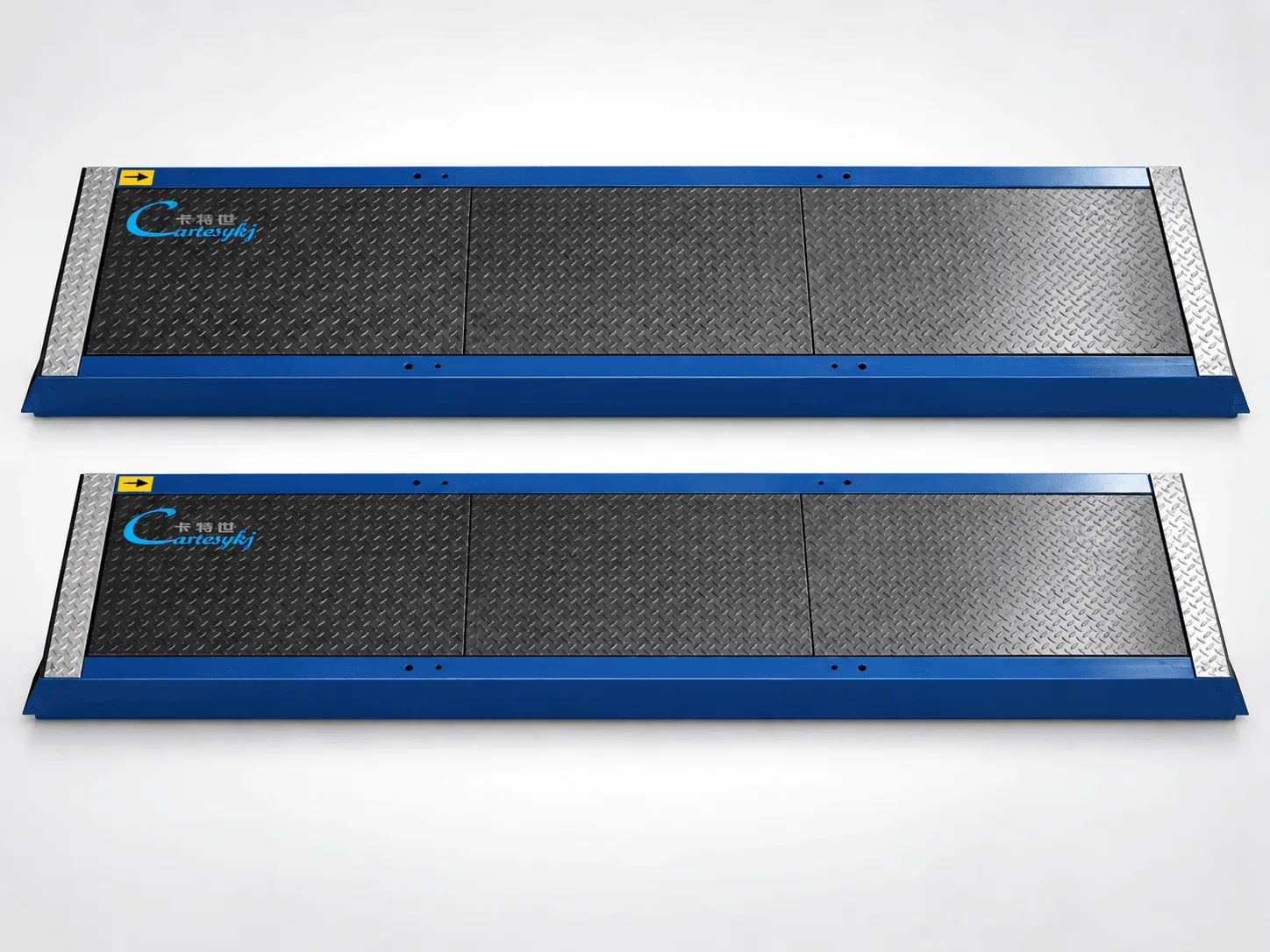
Request a Quote
Request configuration and pricing for your project.
Share your vehicle type, inspection lane layout, target capacity, and required model configuration for Luxurious Flat Plate Brake Tester | 2CTHPB-3-4/4CTHPB-3B.
Share the project location, vehicle types, inspection scope, applicable standards, target throughput, site conditions and current stage. We will confirm the configuration scope before discussing pricing.