
Suspension, Chassis & Steering Testing Equipment
Play Detector | CTJX-3/CTJX-13
CTJX-3 and CTJX-13 use hydraulic moving plates to help inspectors check visible play in steering and suspension connections. A wireless remote with an inspection torch lets the operator control the plates while observing the components. The 3-ton and 13-ton axle-load versions suit different vehicle test bays.
Make chassis play easier to inspect without dismantling parts
Play in tie rods, ball joints, steering arms and wheel bearings is not always easy to see when a vehicle is standing still. The CTJX play detector places the front or rear wheels on two moving plates. The inspector uses a wireless remote control to move the plates while watching the components with the inspection torch.
It is suitable for inspection stations, service bays and complete lines using Suspension, Chassis and Steering Testing Equipment.
How it is used
- Park the wheels to be inspected on the two test plates.
- Use the wireless remote and torch while observing the underside of the vehicle.
- Move the plates forwards, backwards or sideways to help reveal visible play in tie rods, ball joints, steering arms and wheel bearings.
Two load options
| Model | Maximum axle load | Plate size |
|---|---|---|
| CTJX-3 | 3,000 kg | 760 × 500 mm |
| CTJX-13 | 13,000 kg | 1,000 × 750 mm |
Key specifications
| Drive | Hydraulic |
| Plate movement | ±50 mm |
| Maximum moving force | 20 kN |
| Movement speed | 60–80 mm/s |
| Movement direction | Left plate: front, rear, left and right; right plate: front and rear |
| Power supply | AC 380 V |
| Motor power | 3 kW |
What to confirm before ordering
Please confirm vehicle axle loads, whether front and rear axles need to be checked, the installation position and the available power supply. The unit includes two moving plates, a hydraulic system and an electrical control system with a wireless remote and inspection torch.
FAQ
Does it diagnose a fault automatically?
The equipment creates controlled wheel movement so an inspector can observe chassis play. Final judgement should follow the site inspection procedure and applicable standard.
Why is an inspection torch included?
It allows the inspector to operate the plates and observe the components from the same working position.
Information to include in your RFQ
- Target vehicle types and maximum axle load
- Whether front, rear or both axle positions are required
- Site layout, foundation condition and power supply
- Installation location, required delivery date and local inspection requirements
Related Pages
Related Products
Compare related inspection systems
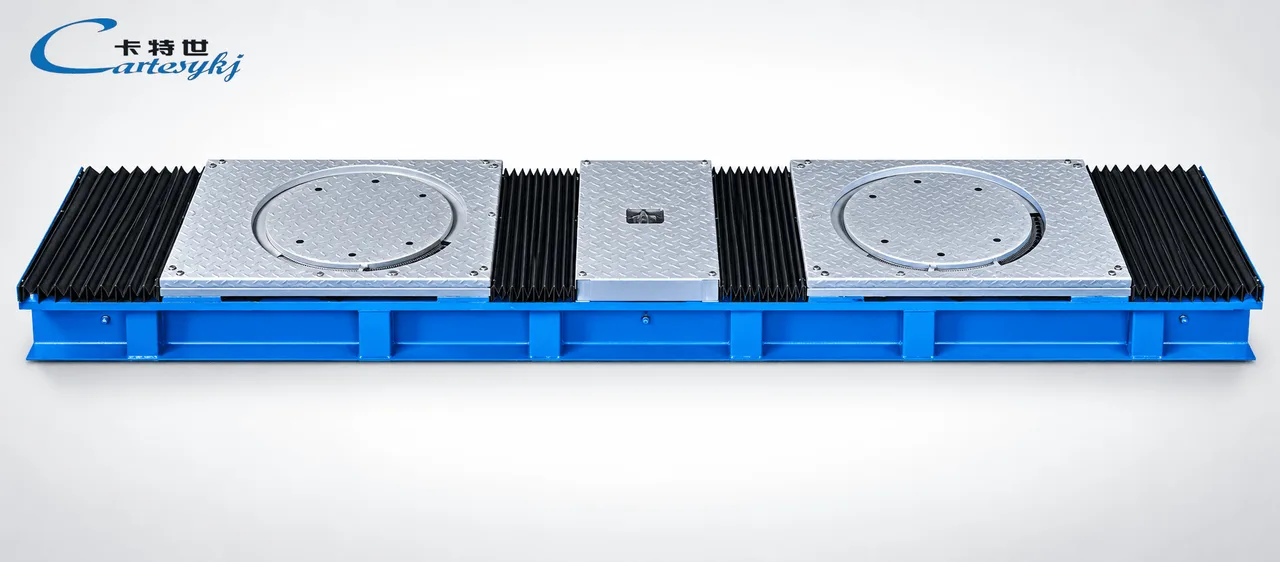
Suspension, Chassis & Steering Testing Equipment
Automatic Vehicle Steering Angle Tester | CTZJ-13-2
View Product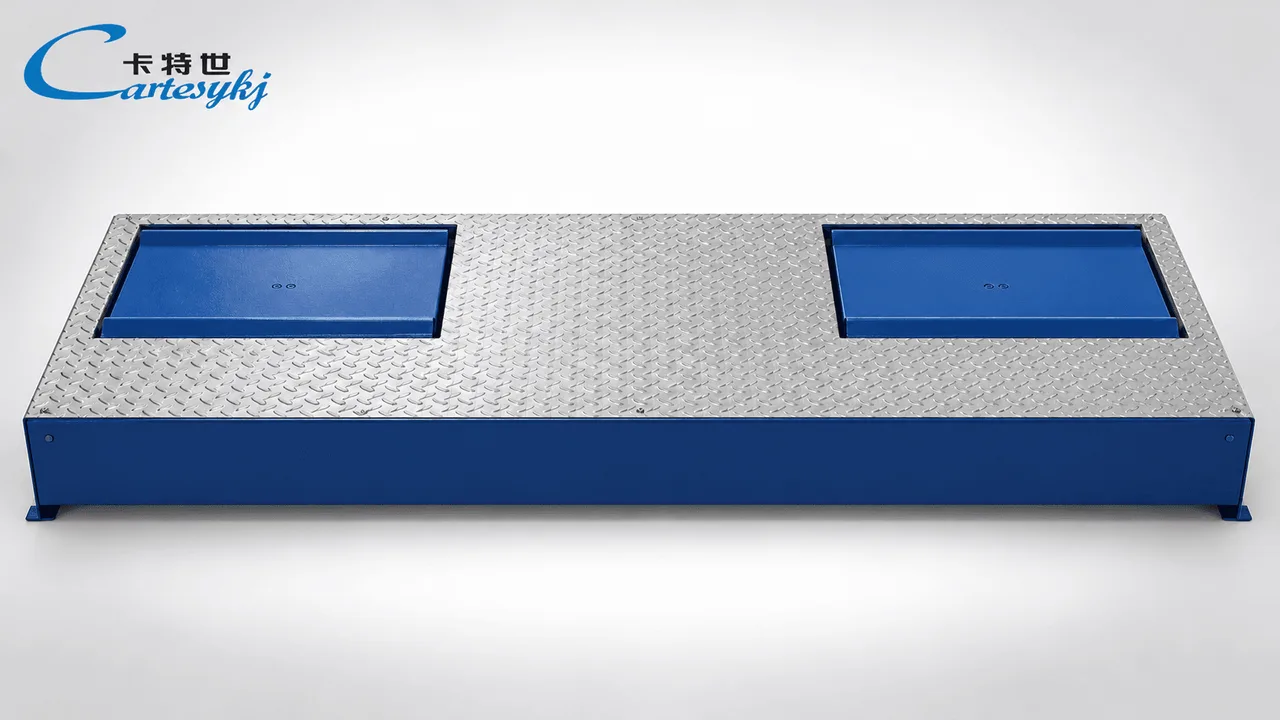
Suspension, Chassis & Steering Testing Equipment
Automotive shock absorption and damping tester | CTZN-3
View ProductRequest a Quote
Request configuration and pricing for your project.
For the CTJX-3/CTJX-13 play detector, share vehicle types, maximum axle load, front/rear axle inspection needs, installation layout and power supply.
Share the project location, vehicle types, inspection scope, applicable standards, target throughput, site conditions and current stage. We will confirm the configuration scope before discussing pricing.