
Mobile Test Station Equipment
Mobile Vehicle Inspection Line: Mobile Test Station for Cars | CTMBGT-3-4P
The Mobile Vehicle Inspection Line described here combines brake testing, suspension testing, single-plate side-slip testing, and wheel-load measurement for cars. The package also includes vehicle access ramps, a laptop
The Mobile Vehicle Inspection Line described here combines brake testing, suspension testing, single-plate side-slip testing, and wheel-load measurement for cars. The package also includes vehicle access ramps, a laptop with testing software, and a printer for test results. These elements form a mobile station configuration for projects that require car inspection equipment to be transported to a testing location.
The supplied product sheet identifies the configuration as CTMBGT-3-4PV. Its equipment list distinguishes the base inspection functions from optional additions. In particular, the play detector is excluded from the base package, even though it appears in the layout drawings.
For station operators, that distinction is central to defining the project: the quotation, layout, and inspection procedure should all describe the same equipment configuration.
What Is Included in the Base Car Inspection Line?
The product description identifies the following core inspection functions:
| Inspection function | Equipment or capability described |
|---|---|
| Brake testing | Brake tester |
| Suspension testing | Vehicle suspension tester |
| Side-slip testing | Single-plate vehicle side slip tester |
| Wheel-load testing | Wheel-load measurement listed in the test scope |
Vehicle access ramps, a laptop with testing software, and a printer are also included in the described package.
These functions define the base Car Inspection Line. The equipment schedule should show how each function is implemented and which measurements appear in the results.
The wheel-load function deserves a clear description in the technical proposal. Although the source lists wheel-load testing, it does not identify a separately supplied weighing module. The quotation should therefore explain the measurement arrangement without assuming that an additional standalone scale is included.
For the brake tester, suspension tester, and side-slip tester, the model-specific documentation should identify the measurement ranges, units, accuracy conditions, and available outputs. This gives the operator a practical basis for evaluating the equipment against the intended inspection procedure.
Suspension Testing and the Optional Play Detector
The Vehicle Suspension Tester is part of the described base configuration. The play detector is a separate addition.
This distinction matters because a drawing can show an expanded equipment arrangement. In this case, the drawing labels a play detector, while the written description expressly excludes it from the base package. The delivered configuration should therefore be checked against the equipment schedule and quotation.
Where the project requires assisted checks for mechanical play, request the play detector as a separately defined option. Its specification should identify the equipment supplied, control arrangement, installation requirements, and applicable inspection procedure.
The suspension-testing function should retain its own scope and results. It should not be used as evidence that the base station includes every chassis-inspection function illustrated in an optional layout.
Single-Plate Side-Slip Testing
The supplied configuration includes a Vehicle Side Slip Tester described as a single-board or single-plate arrangement. This is one of the specifically named testing components in the mobile line.
For station planning, the side-slip tester needs to be shown in the operating layout together with the vehicle approach and departure paths. The technical documentation should define its measurement output, units, and required test conditions.
Its results should also remain identifiable in the inspection report. A combined station can present several test results in one record, but the report still needs to distinguish what each test measured and which criteria were applied.
The final proposal should describe any additional alignment-related functions separately rather than treating them as established by the presence of a side-slip tester.
Optional Equipment for a Broader Inspection Scope
The product description offers several additions beyond the base brake, suspension, side-slip, and wheel-load functions.
| Optional equipment | Status in the supplied description |
|---|---|
| Manual headlight tester | Available as an additional option |
| Gas analyzer | Available as an additional option |
| Sound-level tester | Available as an additional option |
| Play detector | Explicitly excluded from the base package; offered as an addition |
These options should be selected according to the required inspection scope and included explicitly in the equipment schedule.
The headlight tester is described as a manual type. A proposal should preserve that description unless a different, documented configuration is being offered.
For the gas analyzer and sound-level tester, the supplier should identify the actual equipment models, measured parameters, and reporting arrangements. Their availability as options does not establish the specifications of a particular instrument.
Adding an option also requires a review of the station layout and utility requirements. The final drawing should represent the equipment being purchased, including any optional devices and their working space.
Ramps, Layout, and Mobile Deployment
The product illustrations show testing equipment with vehicle access ramps, together with a retracted equipment arrangement. The ramps provide the described route for cars to enter and leave the testing platforms.
The operating layout and transport arrangement should be defined for the exact configuration being delivered. An installation that includes a play detector or other optional equipment needs a drawing that accounts for those additions.
For each proposed testing location, the site plan should address vehicle access, working clearances, the supporting surface, equipment positioning, and electrical connections. These requirements should follow the manufacturer’s installation documentation.
The transport method also needs to be stated in the proposal, including whether a carrier is included in the delivery scope. The mobile designation alone does not define the transport vehicle, handling equipment, or positioning method.
A documented deployment arrangement allows the station operator to assess the locations it intends to serve without relying on an assumed setup time or an unspecified installation method.
Laptop, Testing Software, and Printed Results
The listed package includes a laptop with testing software and a printer for test results. This gives the configuration a stated computer and printout arrangement for the inspection process.
A representative report should be reviewed for the base functions: braking, suspension, side slip, and wheel load. The project should define how the report identifies the vehicle, presents measurements and units, and distinguishes completed tests from unavailable results.
If optional equipment is selected, its results and reporting method should also be included in that review. The supplier should explain whether those results appear in the same report or require a separate output.
The general product description mentions network communication, but it does not define a particular interface or reporting connection. If the mobile station must exchange information with existing inspection software, include the data fields, transfer method, and acceptance demonstration in the project scope.
Define the Configuration for Your Vehicles and Site
For a U.S. installation, the final proposal should identify the supported cars, confirmed load limits, applicable vehicle dimensions, electrical requirements, and installation conditions for the equipment being supplied.
Provide your vehicle inspection equipment supplier with the intended vehicle range, planned testing locations, required inspection items, and reporting needs. Request a model-specific equipment schedule, an operating and transport layout, and a representative test report.
The proposal should clearly separate the base Mobile Vehicle Inspection Line from selected options. With those details documented, the station operator can evaluate the car-testing functions, deployment requirements, and reporting workflow as one defined project.
Related Products
Compare related inspection systems
Mobile Test Station Equipment
Light and Heavy-Duty Vehicle Inspection Line: CTYJ-10 Mobile Test Station for Cars and Trucks
View Product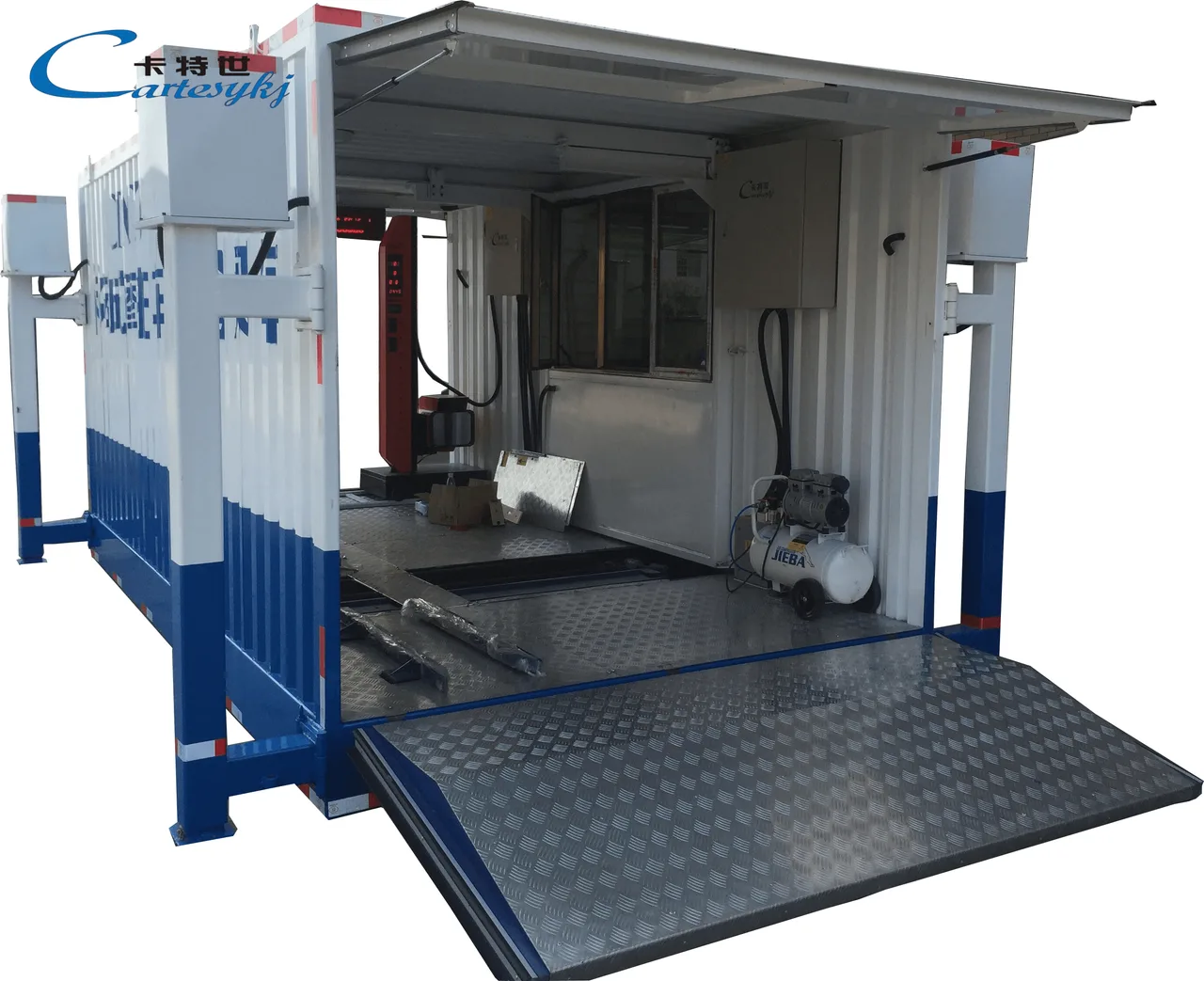
Mobile Test Station Equipment
Mobile Test Station for Motorcycles: A Motor Vehicle Inspection System | CTMYJ-750B/CTMYJ-300B
View ProductRequest a Quote
Request configuration and pricing for your project.
Share your vehicle type, operating requirements, and required configuration for Mobile Vehicle Inspection Line: Mobile Test Station for Cars | CTMBGT-3-4P.
Share the project location, vehicle types, inspection scope, applicable standards, target throughput, site conditions and current stage. We will confirm the configuration scope before discussing pricing.