
Mobile Test Station Equipment
Mobile Test Station for Motorcycles: A Motor Vehicle Inspection System | CTMYJ-750B/CTMYJ-300B
A mobile test station for motorcycles combines brake-force measurement, weighing, and headlight inspection in a transportable motor vehicle inspection system. In the supplied design, inspection equipment, an operating
A mobile test station for motorcycles combines brake-force measurement, weighing, and headlight inspection in a transportable motor vehicle inspection system. In the supplied design, inspection equipment, an operating area, and electrical controls are integrated into a station body that can be carried to an inspection location. The described arrangement also includes a carrier and access plates.
For inspection-station operators, this creates a way to plan motorcycle testing at locations served by a mobile installation. The project needs to define three things clearly: the inspection functions included, the motorcycles supported by the selected configuration, and the site services required to operate it.
The supplied configuration identifies automatic headlight testing as standard. Speedometer and exhaust testing are optional, so they need to be specified separately when developing the station’s inspection scope.
Mobile Station Design and Application
The product description presents a station architecture built around a carrier or flatcar arrangement, inspection equipment, access plates, an operating enclosure, and an electrical control system. It is intended for on-site motorcycle inspection, including locations away from a fixed testing facility.
The station body brings the described inspection functions into a transportable arrangement. Its installation still requires a defined working layout, including vehicle access, testing positions, operator access, and the connections needed by the equipment.
The source identifies both two- and three-wheeled motorcycles as intended vehicle categories. For a project configured as a Two-Wheel Motorcycle Inspection Line, the equipment should be matched to the intended tire sizes, wheel positions, and positioning arrangements. Three-wheeled motorcycle coverage should be documented for the specific vehicle geometry and station configuration.
This approach keeps vehicle compatibility tied to the equipment being supplied. A broad motorcycle category does not establish suitability for every wheelbase, track width, tire, or vehicle loading condition.
Core Motorcycle Inspection Functions
Motorcycle Brake Tester
Brake-force measurement is one of the functions listed for the station. The technical information provides a measurement range, which should be retained in its original form when comparing configurations.
For a Motorcycle Brake Tester application, the final specification should explain how the measurement arrangement relates to the motorcycle being tested. It should also identify the results displayed or recorded and the procedure used to evaluate them.
A measurement range describes the instrument’s stated measuring capability. It does not, by itself, establish measurement accuracy, braking-efficiency calculations, or the full set of results available in a report. Those details belong in the model-specific technical documentation.
Weighing and Load Measurement
The station’s technical description includes a weighing function. If the inspection project requires an axle load tester output, the supplier should explain how the configured arrangement obtains and reports that value.
The documentation should distinguish between a wheel reading, an axle reading, and any combined or calculated result. These outputs should follow the actual measurement arrangement rather than being inferred from the presence of a weighing function.
The weighing range must also remain separate from the station’s permissible operating load. A measuring range alone does not confirm the maximum axle or vehicle load that the complete installation can support.
Standard Automatic Headlamp Testing
The supplied specification identifies fully automatic headlight testing as a standard function. A headlamp tester is therefore part of the documented inspection scope.
The technical proposal should identify the headlight parameters measured, their units, the measurement limits, and the applicable evaluation procedure. It should also describe the positioning requirements for the motorcycles included in the project.
The automatic designation applies to the stated headlight test mode. The level of automation available across the rest of the station should be described separately, including any operator actions required between inspection items.
Optional Speedometer and Exhaust Testing
Speedometer and exhaust tests are listed as optional functions that can be configured according to customer requirements. They should be identified explicitly in the quotation and equipment schedule when required.
For each selected option, the proposal should identify the additional equipment, supported vehicle types, available results, and any changes to the station layout or utility requirements.
A clear equipment schedule helps distinguish the standard configuration from a station supplied with additional tests. It also allows the buyer to compare proposals on the same inspection scope.
Technical Specifications in the Supplied Configuration
The supplied product sheet is labeled CTMYJ-750B. The following parameters relate to that labeled configuration and should not be transferred to other model variants without confirmation.
| Parameter | Specification stated in the supplied sheet |
|---|---|
| Weighing range | 0–750 kg |
| Brake-force measuring range | 2 × (0–2,500) N |
| Pneumatic supply | 0.5–0.8 MPa |
| Clamping style | Pneumatic centering |
| Power supply | AC 220 V; customization stated as available |
| Motor power | 1.5 kW × 2 |
The brake-force expression should remain 2 × (0–2,500) N until the manufacturer explains the measurement arrangement. It should not be combined into a single 0–5,000 N range.
The motor-power entry also needs to remain distinct from the total electrical requirement of the station. The listed 1.5 kW × 2 describes motor ratings; the complete installation’s input requirement needs a separate specification.
Permissible axle and vehicle loads require confirmation independently of the weighing range shown above.
Power, Air Supply, and Site Preparation
The electrical and pneumatic requirements are part of the station configuration. They should be reviewed together with the transport and installation arrangement.
For a U.S. site, the supplier should confirm voltage, frequency, phase, and total electrical demand for the exact configuration being offered. The statement that power supply customization is available does not define the electrical characteristics of a customized version.
Pneumatic centering also requires the specified air supply. The project should identify whether the air source is included with the station or provided at the installation site, together with the connection and operating requirements.
The manufacturer’s installation documentation should define the supporting surface, positioning, securing arrangements, and working clearances. These requirements help determine which proposed locations are suitable for the mobile station.
Transport and deployment instructions should likewise identify the carrier arrangement, equipment dimensions and weight, and the method used to position the station. The mobile design should be evaluated through those documented requirements rather than an assumed setup time.
Reporting and Station Integration
A complete motor vehicle inspection station solution needs to connect the equipment’s measurements with the station’s inspection records.
The product description mentions network communication, but it does not define a communication protocol, reporting format, or connection to a particular management system. These functions need to be specified for the project.
The required report should identify the motorcycle, the tests completed, the recorded values and units, and the criteria used for any assessment. The station should also define how unavailable measurements or incomplete tests are represented.
If the installation must exchange information with existing software, agree on the data fields, transfer method, and acceptance demonstration. A representative test record can then be used to check whether the offered configuration produces the information needed by the operator.
Define the Station Configuration for Your Project
When discussing the project with a vehicle inspection equipment manufacturer, provide the intended motorcycle types, required inspection items, proposed locations, available utilities, and reporting requirements.
Request a proposal that identifies the exact model, confirmed load limits, standard and optional equipment, installation requirements, and supported data outputs. Include a layout drawing and representative inspection report in the technical review.
That documentation gives the station operator a clear basis for matching the mobile motor vehicle inspection system to its vehicles, testing locations, and inspection procedure.
Related Products
Compare related inspection systems
Mobile Test Station Equipment
Light and Heavy-Duty Vehicle Inspection Line: CTYJ-10 Mobile Test Station for Cars and Trucks
View Product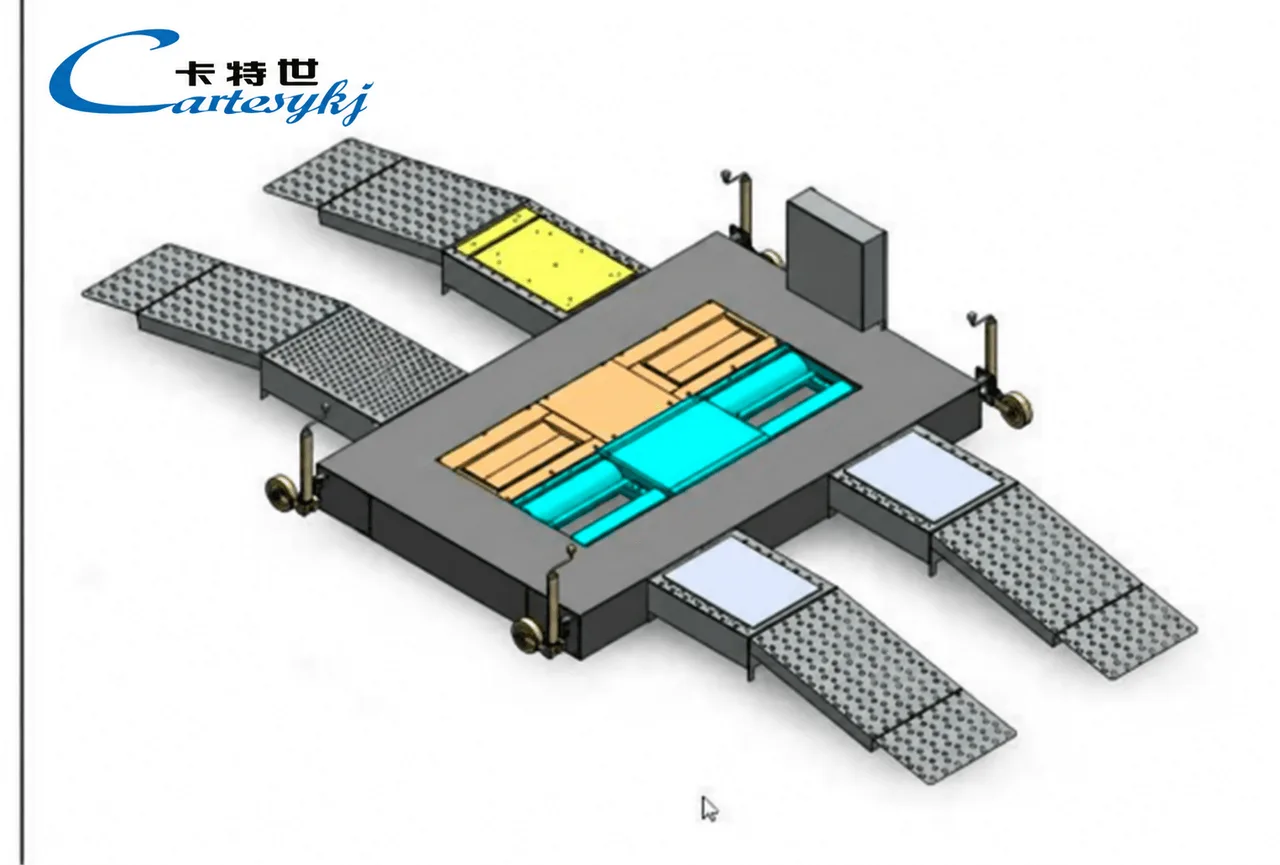
Mobile Test Station Equipment
Mobile Vehicle Inspection Line: Mobile Test Station for Cars | CTMBGT-3-4P
View ProductRequest a Quote
Request configuration and pricing for your project.
Share your vehicle type, operating requirements, and required configuration for Mobile Test Station for Motorcycles: A Motor Vehicle Inspection System | CTMYJ-750B/CTMYJ-300B.
Share the project location, vehicle types, inspection scope, applicable standards, target throughput, site conditions and current stage. We will confirm the configuration scope before discussing pricing.