
Brake & Axle (Wheel) Load Testing Equipment
Wheel Load Tester for Cars and Motorcycles | CTZZ-10QM
The CTZZ-10QM Wheel Load Tester measures vehicle wheel load and provides wheel-load or axle-load data display for cars and motorcycles. The product description also identifies the measured weighing value as an input
The CTZZ-10QM Wheel Load Tester measures vehicle wheel load and provides wheel-load or axle-load data display for cars and motorcycles. The product description also identifies the measured weighing value as an input relevant to brake-efficiency calculations, making the unit a load-measurement component within a vehicle inspection process.
Its two principal load specifications describe different limits: the maximum passing axle load is 10,000 kg, while the wheel-load measuring range is 0–5,000 kg. These figures should remain separate when evaluating the equipment for a vehicle or inspection station.
CTZZ-10QM Technical Specifications
The supplied product information lists the following configuration:
| Parameter | Listed specification |
|---|---|
| Model | CTZZ-10QM |
| Intended application | Wheel-load testing for cars and motorcycles |
| Data display | Wheel-load or axle-load data |
| Maximum passing axle load | 10,000 kg |
| Wheel-load measuring range | 0–5,000 kg |
| Weighing plates | Two plates, each 1,000 × 800 mm |
| Inside/outside tread dimensions | 700 / 2,700 mm |
These specifications relate to the CTZZ-10QM described in the supplied product sheet.
The table provides the main parameters for an initial application review. Vehicle positioning, measurement accuracy, installation requirements, and the supplied display or control arrangement need to be defined in the model-specific technical documentation.
Passing Axle Load and Wheel-Load Measuring Range
The maximum passing axle load identifies the stated axle-load limit for passage across the equipment. The wheel-load measuring range identifies the range specified for wheel-load measurement.
For the CTZZ-10QM, the two values are:
Maximum passing axle load: 10,000 kg
Wheel-load measuring range: 0–5,000 kg
Checking axle load alone is insufficient when assessing the measurement task. The expected wheel load must also fall within the stated measuring range. Meeting one condition does not automatically establish that the other is satisfied.
The 10,000 kg passing-load figure should not be presented as a confirmed 0–10,000 kg axle-weighing range or a maximum total vehicle weight. A separate axle-load measuring-range specification should be obtained if the project requires that information.
Similarly, the word “passing” does not establish a weighing-in-motion function. The applicable measurement procedure needs to come from the manufacturer’s operating documentation.
Understanding Wheel-Load and Axle-Load Results
Wheel-load and axle-load results describe different levels of loading information. A wheel-load result relates to an individual wheel contact, while an axle-load result relates to the load associated with an axle.
The CTZZ-10QM description states that wheel-load or axle-load data can be displayed. It does not explain the complete arrangement used to assign, combine, or present those values.
When specifying the unit as an axle load tester, confirm how the wheel readings are associated with an axle and which results are available to the operator. The technical documentation should identify whether individual wheel values, axle totals, or both can be viewed in the selected configuration.
This distinction also matters when results are recorded or transferred to other equipment. Each value should retain its measurement identity and unit so that the station can associate it with the correct vehicle and test position.
If whole-vehicle weighing is required, that function needs its own defined procedure and documented system support. Wheel-load or axle-load display alone does not establish an automatic whole-vehicle weighing mode.
Weighing Plate Dimensions and Vehicle Fit
The specified arrangement uses two weighing plates, each measuring 1,000 × 800 mm. The sheet separately lists inside/outside tread dimensions of 700/2,700 mm.
The inside/outside labels should be preserved when reviewing the layout. They are not an explicitly stated center-to-center track range of 700–2,700 mm, and the source does not describe an adjustable plate-spacing mechanism.
A dimensioned installation drawing should identify the reference points used for these values and the usable weighing areas. That drawing can then be checked against the intended vehicle geometry and tire dimensions.
For cars, the review should establish the required wheel positions on the weighing areas. For motorcycles, the manufacturer should provide the corresponding positioning arrangement and measurement procedure.
Plate dimensions are therefore part of the vehicle-fit assessment, alongside the applicable loads and the documented operating method.
Using the Unit as a Motorcycle Wheel Load Tester
The product information explicitly identifies motorcycles as an intended application. However, it does not show the complete setup required for each motorcycle configuration.
For a Motorcycle Wheel Load Tester application, request documentation covering wheel contact positions, any required positioning or support equipment, and the procedure used to obtain the stated readings.
The supplied arrangement should make clear which load is being measured at each test position and how that result is identified in the display. Any supporting equipment included with the tester should also appear in the equipment schedule.
This keeps the motorcycle application tied to an actual configuration. The general car-and-motorcycle description should not be expanded into a claim that every wheel arrangement or vehicle geometry is supported.
How Load Data Supports Brake Assessment
The product description identifies the measured weighing value as an important input for calculating brake efficiency. This explains why a wheel-load tester can have a useful role alongside other vehicle testing equipment in an inspection station.
Load information provides the weight-related input when a braking assessment relates measured braking force to a specified load. A load reading alone cannot establish braking performance because it does not contain the required braking measurement.
Where the station pairs the CTZZ-10QM with a brake tester, the project should define which load value is used, how it is associated with the braking result, and which calculation method applies.
The data-transfer arrangement should also be specified. The source does not establish automatic communication with another tester or a built-in brake-efficiency calculation package.
A clear technical scope allows the station to use the weighing results as part of the intended assessment without assigning additional functions to the load tester.
Define the Measurement and Reporting Requirements
Before finalizing the configuration, obtain the weighing accuracy, applicable measurement conditions, verification requirements, and calibration documentation for the supplied equipment. These details are separate from the measuring range and plate dimensions.
The display arrangement also needs to be identified. The stated ability to display wheel-load or axle-load data does not define the screen, controller, software package, or reporting functions included in the delivery.
If the station requires stored records, printed results, or electronic data transfer, include those requirements in the quotation and acceptance review. A representative output should demonstrate the values and units available from the proposed configuration.
Request a Configuration for Your Vehicles
Provide your Vehicle Inspection Equipment Supplier with the intended vehicle types, expected wheel and axle loads, available installation space, and required data outputs.
Request a CTZZ-10QM technical package that includes the dimensioned layout, car and motorcycle positioning arrangements, measurement specifications, display configuration, and installation requirements.
With those details documented, the station can assess how the Wheel Load Tester fits its vehicles and how its weighing results will be used within the inspection process.
Related Products
Compare related inspection systems
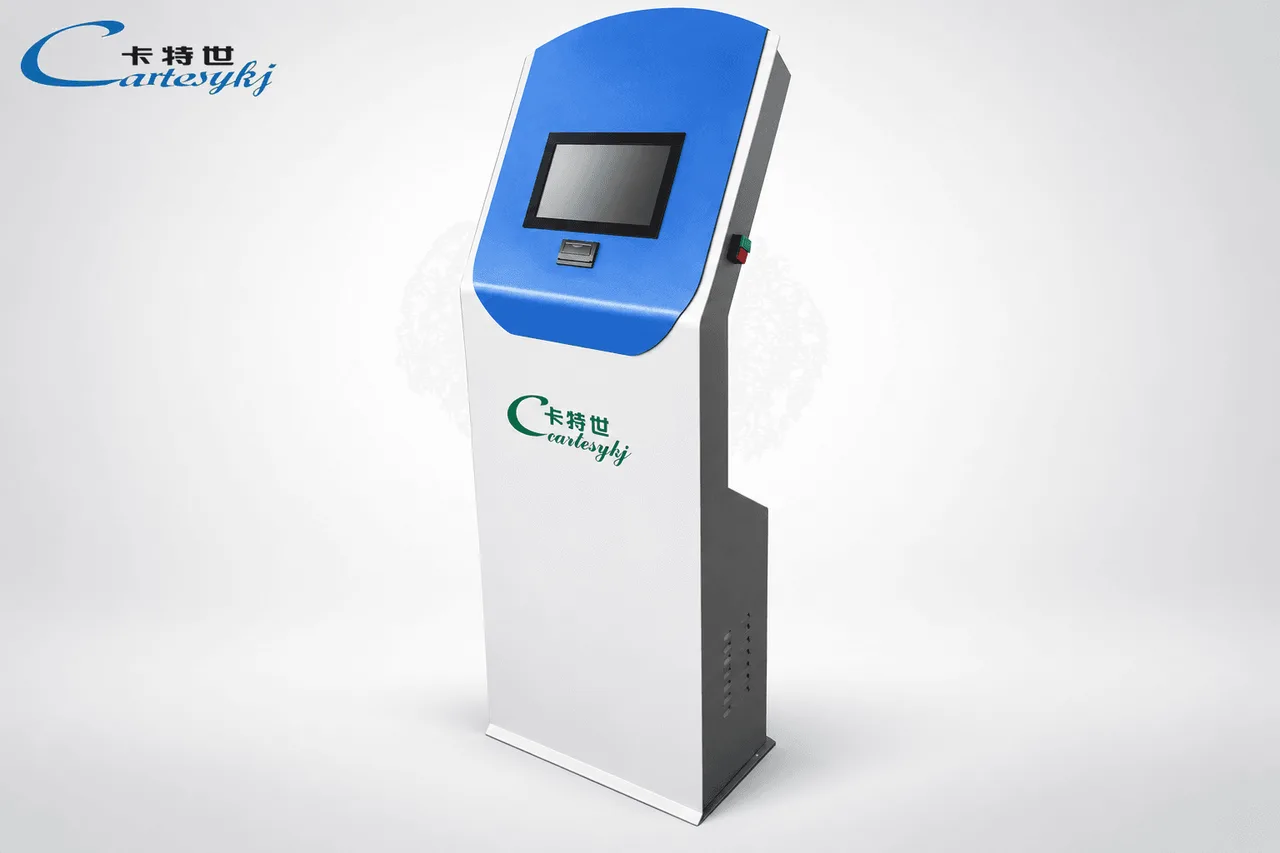
Brake & Axle (Wheel) Load Testing Equipment
Vehicle Axle (Wheel) Load Tester | CTZZ-3/CTZZ-10/CTZZ-15
View Product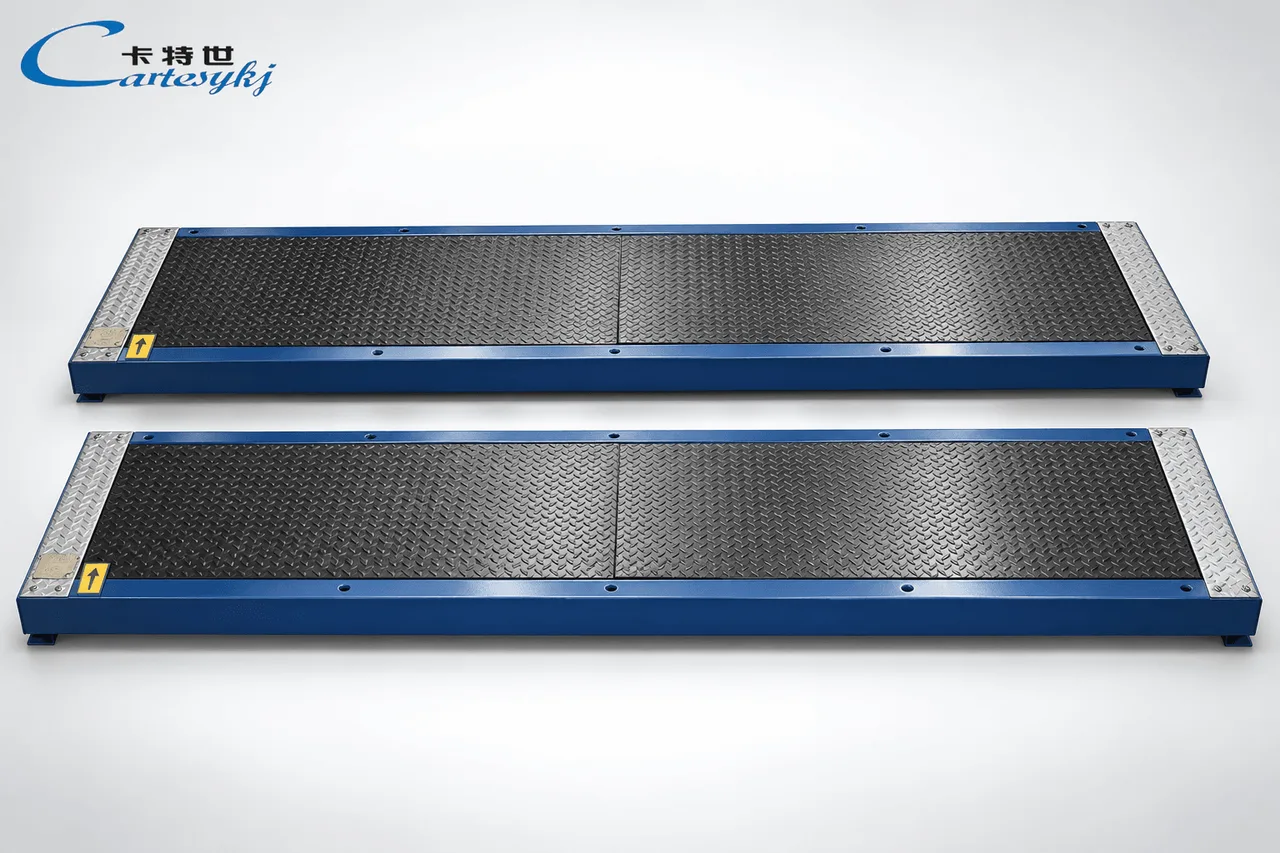
Request a Quote
Request configuration and pricing for your project.
Share your vehicle type, operating requirements, and required configuration for Wheel Load Tester for Cars and Motorcycles | CTZZ-10QM.
Share the project location, vehicle types, inspection scope, applicable standards, target throughput, site conditions and current stage. We will confirm the configuration scope before discussing pricing.