
Brake & Axle (Wheel) Load Testing Equipment
10 t Mobile Brake Tester for Vehicle Inspection | CTFZ-10D
The CTFZ-10D is a mobile brake tester supplied with ramps, a wireless control system, and a laptop. The product information lists a 10 t configuration, but it does not define whether that figure represents a permissible
The CTFZ-10D is a mobile brake tester supplied with ramps, a wireless control system, and a laptop. The product information lists a 10 t configuration, but it does not define whether that figure represents a permissible test axle load, total vehicle weight, or another rating. Its meaning needs to be confirmed before matching the equipment to a vehicle.
For inspection-station operators planning mobile brake testing, the configuration provides a starting point: a roller-based testing arrangement, ramp access, and wireless controls. The complete application depends on the confirmed vehicle range, installation requirements, and functions available through the supplied control system.
CTFZ-10D Product Configuration
The supplied product information identifies the following equipment and accessories:
| Item | Listed configuration |
|---|---|
| Model | CTFZ-10D |
| Product type | Mobile brake tester |
| Listed specification | 10 t; rating definition to be confirmed |
| Ramps | Included |
| Control system | Wireless control |
| Computer | Laptop included |
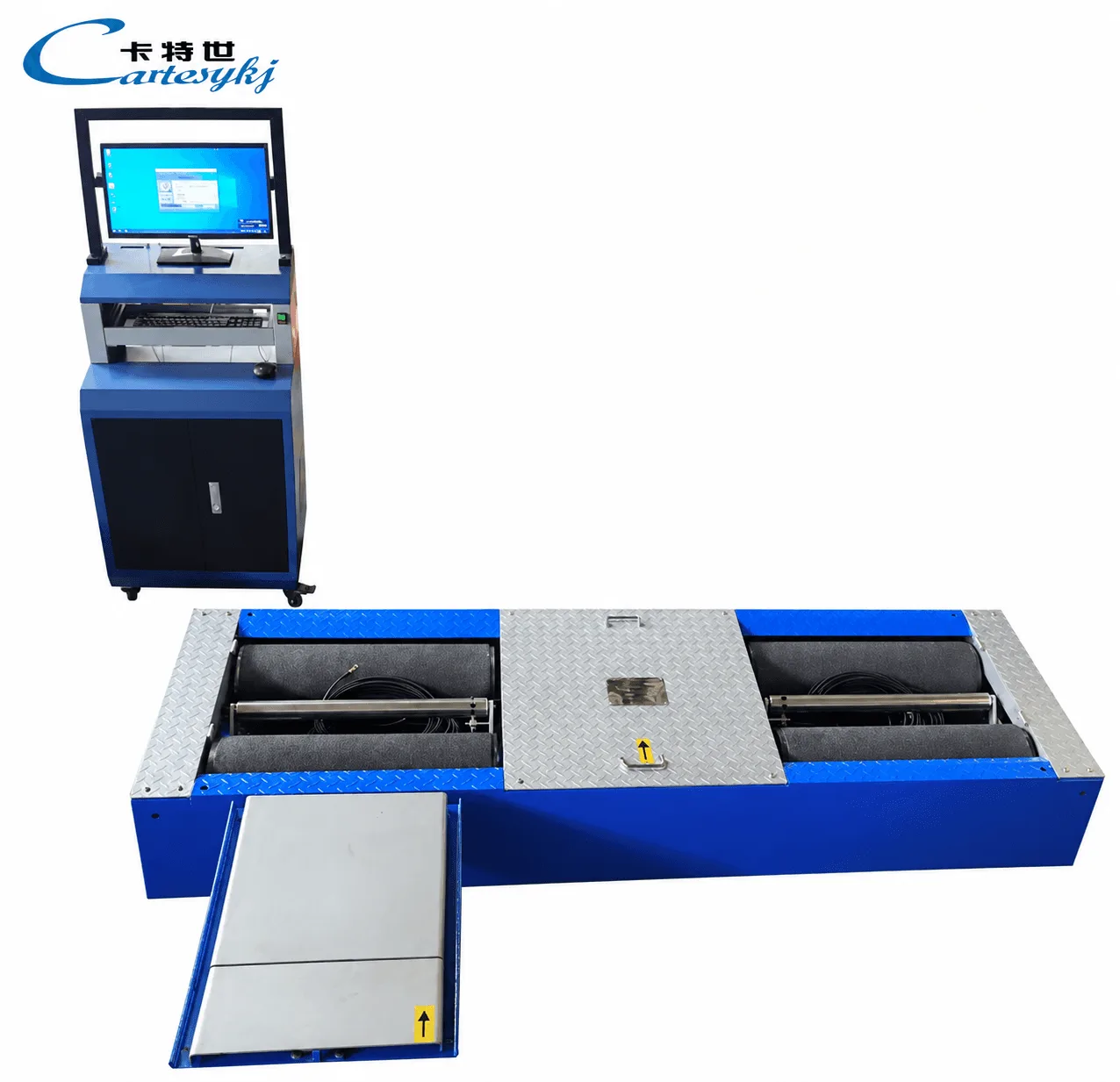
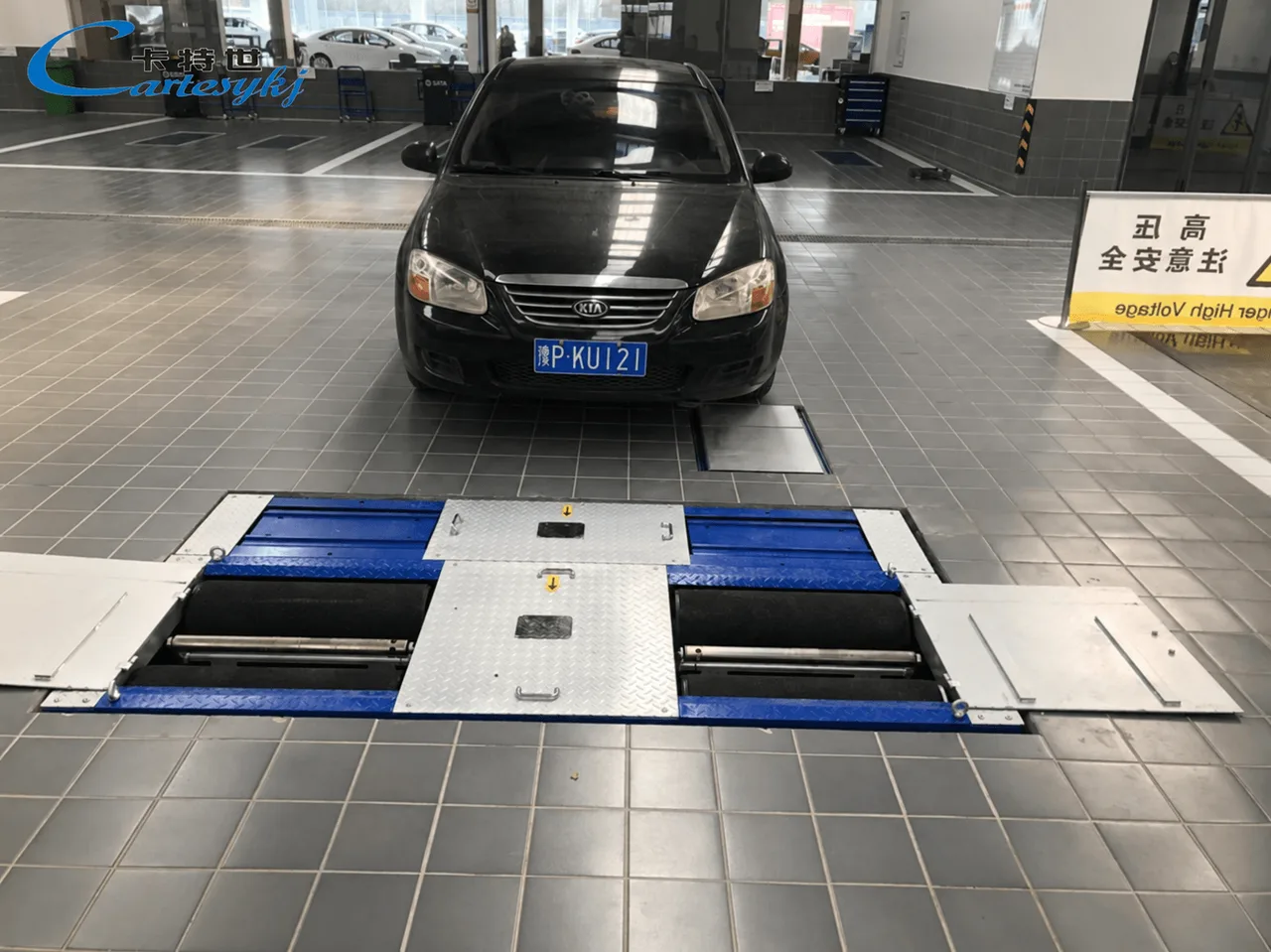
The product illustrations show a roller-based arrangement with ramps leading to the test platforms. The written description confirms the ramps, wireless control system, and laptop as part of the package.
This information establishes the basic configuration. Working dimensions, power requirements, measurement specifications, and software functions need to be defined in the technical documentation for the supplied model.
Understanding the 10 t Specification
The 10 t designation should be linked to a specific load definition before it is used as a vehicle-compatibility limit.
An axle-load rating concerns the load carried by the axle being tested. A total-vehicle-weight rating concerns the vehicle as a whole. These describe different conditions and cannot be substituted for one another.
For a fleet evaluating the CTFZ-10D as a truck tester, the supplier should identify which rating applies and any conditions attached to it. Vehicle matching also needs to account for the supported wheel-track range, tire dimensions, and the geometry of the testing platform and ramps.
Load capacity should also remain separate from brake-force measurement capability. The 10 t entry does not establish a brake-force measuring range, measurement accuracy, or test speed. Those specifications should be provided individually so the station can assess whether the equipment meets its intended inspection requirements.
Ramps and Vehicle Access
Ramps are explicitly included in the described configuration and shown in the product images. They form part of the vehicle’s approach to and departure from the testing platforms.
For a proposed installation, the supplier’s layout drawing should show ramp dimensions, platform dimensions, and the space required for vehicle access. These details help the station assess the arrangement against the vehicles it expects to inspect.
The presence of ramps alone does not define the installation method. Supporting-surface requirements, positioning, securing arrangements, and any foundation requirements should follow the manufacturer’s instructions for this model.
A useful site proposal connects the equipment layout to the available testing area. It should make clear where the unit will be positioned, how vehicles will approach it, and what conditions must be met before testing.
Wireless Control and Mobile Deployment
The CTFZ-10D description includes a wireless control system and a laptop. It does not specify the wireless technology, operating range, or the complete set of functions available to the operator.
The technical proposal should explain which functions can be controlled wirelessly, how equipment status is displayed, and how the control system responds if communication is interrupted. The laptop’s supplied software and configuration should also be identified.
Electrical supply remains a separate part of the installation specification. Wireless control does not establish battery-powered operation or eliminate the need to define power connections and cable routing.
The mobile designation should likewise be supported by a documented transport and positioning method. Equipment weight, transport dimensions, handling arrangements, and site requirements determine how the tester can be moved between locations.
For a station planning repeated deployment, these details are part of the operating arrangement. They establish what is required to transport, position, and prepare the equipment at each intended site without assuming a particular setup time or handling method.
Its Role in a Mobile Vehicle Inspection Line
A mobile brake tester can be specified as the brake-testing station within a Mobile Vehicle Inspection Line, provided the vehicle and installation requirements are satisfied.
The CTFZ-10D description covers the brake tester and its listed accessories. A wider inspection line needs a separately defined equipment scope, test sequence, and method for managing results. Additional inspection functions should be identified individually in the project specification.
When adding the unit to existing vehicle inspection station equipment, review how its controls and test results will fit the station’s workflow. The required arrangement may include associating results with vehicle records, producing a report, or transferring information to another system. Each required function should be demonstrated for the quoted configuration.
Compatibility with other automotive testing equipment should also be addressed explicitly. Wireless control describes a control feature; it does not establish a shared software platform or data connection between separate machines.
This keeps the role of the brake-testing unit clear while allowing the overall inspection project to define any additional equipment and integration work it needs.
Match the Test Results to the Inspection Task
The usefulness of the installation depends on the results it can provide for the station’s actual work.
Before finalizing the configuration, request a description of the available measurements, their units, the applicable measurement ranges, and the stated accuracy conditions. The supplier should also identify any calculated results and explain the information used to produce them.
A sample output or report can help establish whether the system presents the required information clearly. It should be possible to identify the vehicle tested, the measurements obtained, and any criteria used to evaluate the results.
If the project requires automatic assessment, report export, or connection to station software, include those functions in the agreed scope. Laptop inclusion alone does not confirm them.
Request a Configuration for Your Vehicles and Site
To evaluate the CTFZ-10D for your operation, send your vehicle inspection equipment supplier a list of intended vehicles, the proposed testing locations, and the results your inspection process requires.
Request confirmation of the 10 t rating definition, supported vehicle dimensions, measurement specifications, power supply, and transport and installation requirements. Ask for a layout drawing and a representative software output for the configuration being offered.
With those details documented, the station can assess how this mobile brake tester fits its vehicles, deployment arrangements, and inspection workflow.
Related Products
Compare related inspection systems
Request a Quote
Request configuration and pricing for your project.
Share your vehicle type, operating requirements, and required configuration for 10 t Mobile Brake Tester for Vehicle Inspection | CTFZ-10D.
Share the project location, vehicle types, inspection scope, applicable standards, target throughput, site conditions and current stage. We will confirm the configuration scope before discussing pricing.