
Insights
Vehicle Inspection: Types, Process, and Key Requirements
Learn what vehicle inspections check, how safety and emissions tests differ, what to prepare, and how local rules affect testing and retests.
Summary
Unplanned commercial fleet downtime and catastrophic brake failures present substantial legal and financial exposure to logistics operators and testing facilities alike. Deploying high-precision automotive testing equipment serves as the primary barrier against operational non-compliance and road transport hazards. As global transport authorities tighten periodic technical inspection mandates, operations directors require reliable vehicle inspection equipment engineered to verify mechanical, electrical, and active safety systems under rigorous duty cycles. This article examines the technological foundation of inspection lines and the strategic value of equipment selection.
What Is a Vehicle Inspection?
Definition and Purpose
A vehicle inspection is a systematic assessment of a vehicle’s safety, roadworthiness, and, where required, emissions. Depending on local regulations and the type of vehicle, an inspection may cover brakes, tires, steering, suspension, lights, seat belts, and exhaust emissions. Inspectors use visual checks and specialized equipment to identify defects that could put the driver, passengers, or other road users at risk.
The purpose is to confirm that a vehicle meets the applicable standards at the time of inspection. A basic safety inspection focuses on whether essential systems work properly. An emissions inspection measures pollutants in the exhaust to determine whether the vehicle complies with local environmental limits. Commercial vehicles may face additional checks because of their size, weight, and more intensive use.
Why Regular Inspections Matter
Vehicles wear down over time, and some faults are difficult to notice during everyday driving. Regular inspections can catch problems such as worn brakes, damaged tires, faulty lights, or excessive emissions before they become more serious. They can also help owners understand what needs repair and whether the vehicle is safe to keep on the road.
Inspection schedules and requirements vary by country, state, vehicle type, and age. Some jurisdictions require periodic testing, while others require inspections only after a vehicle changes ownership or is registered. Checking the local rules helps owners avoid missed deadlines, penalties, or registration issues.
Key Benefits of Routine Vehicle Inspections
Improve Road Safety and Reduce Breakdowns
Routine inspections can reveal wear or damage before it causes a failure on the road. Checks of brakes, tires, steering, suspension, and lights help identify problems that may affect stopping distance, stability, or visibility. Finding issues early can also reduce the chance of an unexpected breakdown, especially before a long trip or during extreme weather. An inspection cannot prevent every failure, but it gives owners a clearer picture of the vehicle’s condition and repairs that may be needed.
Meet Legal Requirements and Emissions Standards
In areas that require periodic inspections, keeping up with testing helps drivers maintain valid registration and avoid penalties or restrictions. Emissions testing can show whether a vehicle meets local limits for pollutants such as carbon monoxide and hydrocarbons. If it fails, the test results may help guide repairs to the engine or emissions-control system. Requirements differ by location, vehicle age, and vehicle class, so owners should confirm the rules that apply to them.
Extend Vehicle Life and Protect Resale Value
Regular checks can help catch small problems before they cause damage to related parts. Addressing worn components, fluid leaks, or warning signs promptly may reduce repair costs and help the vehicle remain dependable for longer. Inspection records also create a useful maintenance history. When selling a vehicle, documented checks and timely repairs can reassure prospective buyers about its care and condition, supporting buyer confidence and potentially helping preserve its resale value.
Classification of Vehicle Inspections
State Safety Inspections and Exhaust Emission Inspections
In the United States, inspection requirements vary by state and sometimes by county. A state safety inspection typically checks whether essential equipment—such as brakes, tires, lights, steering, and seat belts—meets local standards. An exhaust emissions inspection measures pollutants or checks whether emissions-control equipment is functioning as required. Some areas require both tests, while others require only one or neither for certain vehicles. Drivers should confirm the current rules, exemptions, and renewal schedule with their state or local motor vehicle agency.
Commercial Vehicle and U.S. Department of Transportation (DOT) Tiered Inspections
Commercial vehicles may be inspected through several processes. Before a trip, drivers check key components for visible defects that could affect safe operation. After a trip, they report vehicle defects so the carrier can arrange repairs. On-road, authorized officials may conduct roadside inspections at different levels, ranging from a driver-and-vehicle document review to a more detailed examination of vehicle components. The inspection’s scope depends on the applicable procedure and circumstances. Carriers must also maintain vehicles and address defects under relevant federal and state requirements.
Full Multi-Point Inspections and Seasonal Special Inspections
A full multi-point inspection provides a broad assessment of a vehicle’s condition. It may cover brakes, tires, suspension, steering, lights, battery, fluids, belts, hoses, and warning indicators. Seasonal inspections focus on components affected by weather. Before winter, owners may check tire condition, battery performance, heating, and antifreeze protection; before summer, they may pay closer attention to the cooling system and air conditioning. These checks can guide maintenance, but they do not replace mandatory inspections.
VIN, Vehicle Ownership, and Abandoned Vehicle Verification
A VIN inspection verifies the vehicle’s identifying number against its title or registration documents. It may be required when registering a vehicle brought from another state, resolving a documentation discrepancy, or processing a rebuilt vehicle. Ownership checks confirm that the applicant has the documents needed for a transaction or registration. Abandoned-vehicle verification follows separate local procedures to establish identity, ownership, and legal status before a vehicle is claimed, transferred, or removed. Requirements and records vary by jurisdiction, so applicants should check with the relevant motor vehicle agency or local authority.
What Items Are Checked in a Vehicle Inspection?
Inspection requirements vary by location and vehicle type. Common checks cover braking, suspension, side slip, axle load, emissions, and horn performance. Together, these areas help assess vehicle safety, roadworthiness, and emissions compliance.
Braking
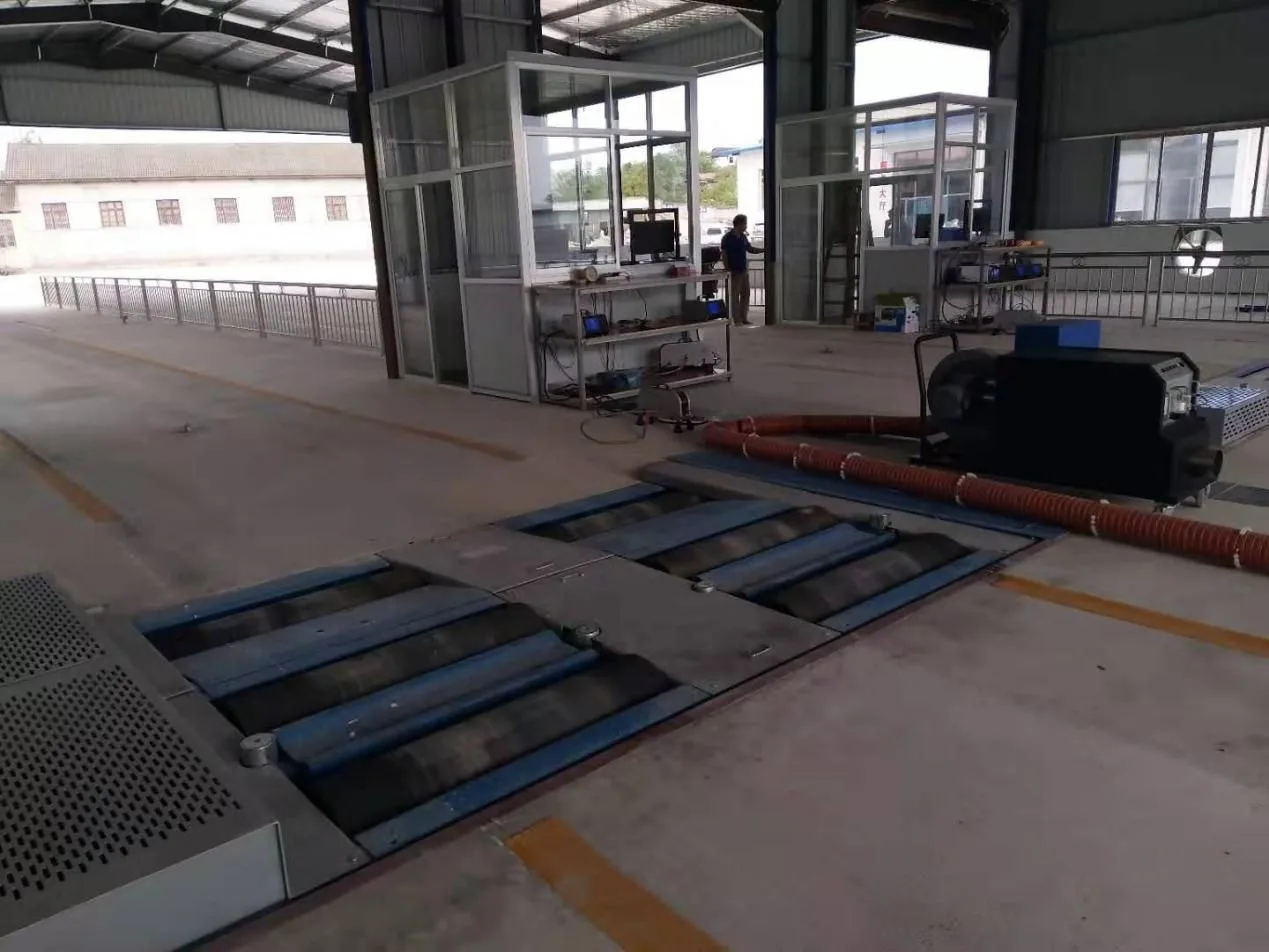
Inspectors assess service and parking brake operation, braking force, and balance between wheels or axles. A roller brake tester measures performance under controlled conditions. Cartesy’s brake test bench is specified for a roller-surface friction coefficient above 0.85 and testing speeds up to 2.5 km/h.
Suspension
Suspension checks look for worn or damaged components and assess damping performance. A suspension tester can help identify problems that affect handling, tire contact, and ride stability.
Side Slip
A side-slip tester measures the lateral movement of the wheels over a test plate. Excessive movement may indicate alignment issues that can contribute to pulling or uneven tire wear. Cartesy offers single- and double-sided tester configurations.
Axle Load
Wheel or axle scales measure load distribution. The readings can support brake-test calculations and help identify overloading or uneven loading. Applicable limits depend on vehicle class and local regulations.
Exhaust Emissions
Emissions tests measure pollutants according to the required procedure. Cartesy’s analyzer measures HC, CO, CO₂, O₂, and NOx, and includes an LCD display, automatic adjustment, and storage for up to 500 data sets. Test methods and limits vary by jurisdiction.
Horn
Inspectors check that the horn works and meets local requirements for audibility. A sound-level meter can measure its output; acceptance limits depend on local rules.
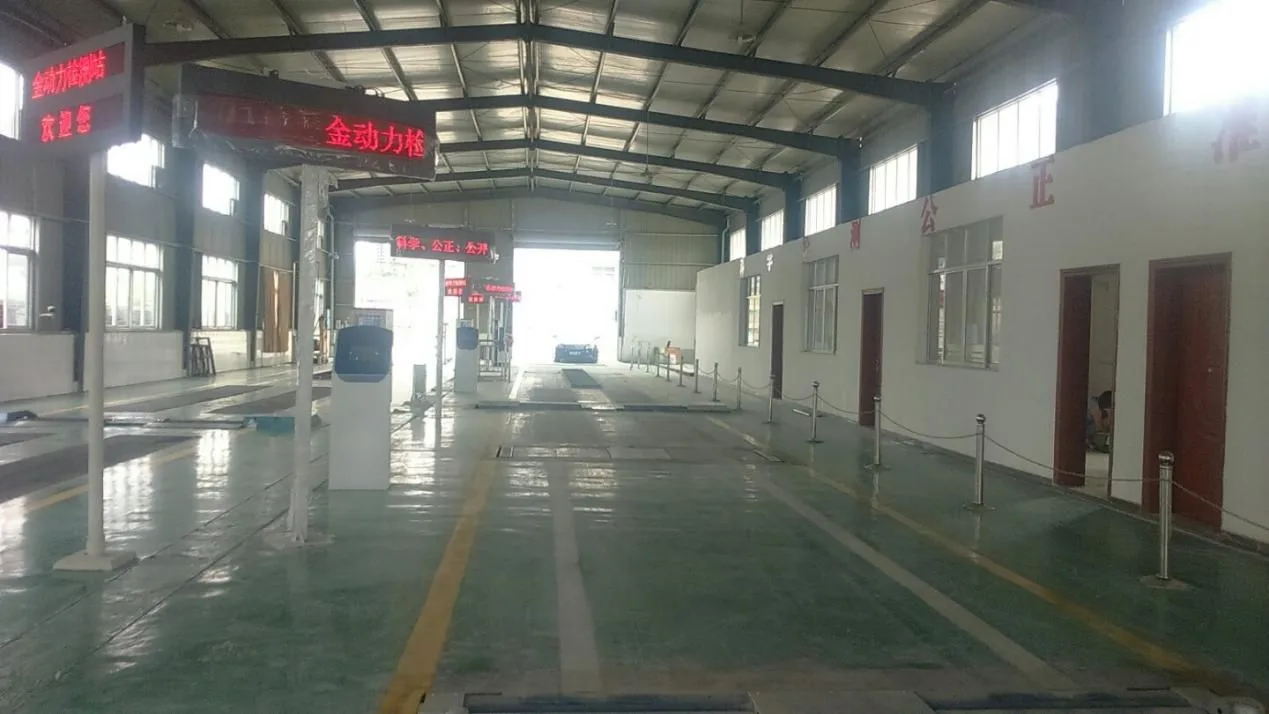
These six checks correspond to Cartesy’s key inspection equipment: automotive brake testers, suspension testers, side-slip testers, axle or wheel scales, chassis dynamometers for loaded emissions testing, and speed and sound testing stations. They can be supplied as an integrated inspection line or as individual units to fit an existing site.

| Inspection item | Typical check | Cartesy equipment or supplied feature |
|---|---|---|
| Braking | Brake force and balance | Roller brake test bench; stated roller friction coefficient above 0.85 |
| Suspension | Damping and component condition | Confirm tester availability in the selected configuration |
| Side slip | Lateral wheel movement | Single- or double-sided side-slip tester |
| Axle load | Wheel and axle weight | Confirm scale selection for vehicle classes and lane design |
| Emissions | Exhaust gases and air-fuel ratio | Analyzer for HC, CO, CO₂, O₂, and NOx; 500-set storage |
| Horn | Audible warning and sound level | Sound-level meter; stated 50–110 dB reference range |
Vehicle Inspection Process
Pre-Inspection Preparation
Before booking, check the inspection rules for your location and vehicle type. Confirm whether the test covers safety, emissions, or both, and bring the documents requested by the inspection station, such as registration and proof of insurance. Make sure the vehicle is accessible for testing: remove heavy items that are not normally carried, ensure the fuel level is adequate for any required test, and check that warning lights, lamps, and the horn work. It can also help to review the tires, wipers, mirrors, and visible fluid leaks. If you already know about a fault, arrange repairs before the appointment.
Step-by-Step Inspection Process and Passing Certification
The process usually begins with check-in and verification of the vehicle’s identity and documents. An inspector then performs the checks required by the local program. These may include a visual examination of safety components, measurements using test equipment, and an emissions test. The exact sequence varies by station and jurisdiction.
After testing, the station records the results. If the vehicle meets the applicable requirements, the owner receives a certificate, report, inspection sticker, or electronic record, depending on local practice. Keep the result with your vehicle records and check whether it must be submitted to a motor vehicle agency. A certificate confirms the inspection outcome at that time; it does not guarantee that the vehicle will remain free of faults.
How Long Does a Vehicle Inspection Take?
A straightforward inspection may take around 30 minutes, while emissions testing, commercial vehicle checks, repairs, or long queues can extend the visit. Ask the station about its estimated appointment time and whether a failed test requires a separate retest booking.
Vehicle Inspection Regulations Within Different Jurisdictions
U.S. State and Federal Requirements
There is no single inspection schedule for all U.S. vehicles. State and local authorities set requirements for passenger vehicles, including whether safety or emissions inspections are required and how often. Federal rules apply to commercial motor carriers and vehicles operating in interstate commerce, including maintenance and inspection obligations. Owners and carriers should consult the relevant state agency and federal regulations for their vehicle and operation.
International Vehicle Inspection Standards
Inspection programs also differ internationally. Many countries require periodic roadworthiness checks, but the testing scope, frequency, exemptions, and certification process vary. The European Union sets a framework for periodic roadworthiness testing, which member states implement through national rules. Japan and countries in Southeast Asia have their own inspection systems and schedules. When registering or operating a vehicle abroad, check the destination country’s official transport authority for current requirements.
How to Book an Inspection and Pass It Smoothly
Find Authorized Inspection Stations and Inspection Fees
Use the government transport or motor vehicle agency’s website to locate approved stations. Confirm that the station is authorized for the specific test you need, such as emissions testing or commercial vehicle inspection. Fees, appointment availability, accepted payment methods, and retest charges vary by location. Verify these details when booking.
Digital Inspection Applications and Reporting Tools
Many stations use digital systems to record vehicle details, test measurements, inspection decisions, and certificates. Depending on the program, owners may receive results electronically or check their inspection history online. For inspection operators, integrated software can help manage appointments, vehicle records, equipment data, and reports. Digital tools support recordkeeping, but their use does not replace the inspection criteria set by the relevant authority.
Vehicle Inspection FAQs
How Often Should a Vehicle Be Inspected?
The required frequency depends on location, vehicle age and type, and how the vehicle is used. Some passenger cars are inspected annually or every two years; other areas have no periodic safety inspection for private vehicles. Commercial vehicles may face more frequent checks. Follow the schedule issued by the authority responsible for your registration or operation.
What Happens If a Vehicle Fails Inspection?
The owner generally receives a report listing the failed items. Depending on local rules, the vehicle may need repairs and a retest within a specified period. Some jurisdictions limit driving until safety defects are corrected or impose registration consequences if the deadline is missed. Review the report, arrange repairs, and confirm the retest deadline, fee, and any restrictions with the inspection station or motor vehicle agency.
The accuracy of test bench readings directly determines the vehicle re-inspection rate.
Cartesy’s brake testers, sideslip testers, axle (wheel) weighers and chassis dynamometers all hold third-party verification and calibration certificates issued by authoritative bodies — including the National Institute of Measurement and Testing Technology (NIMTT), China Automotive Engineering Research Institute (CAERI), and provincial/municipal metrology institutes across Guizhou, Liuzhou, Chongqing, Zhejiang, Xinjiang, Hunan, Hainan and Guangzhou — with fully traceable measurement precision.