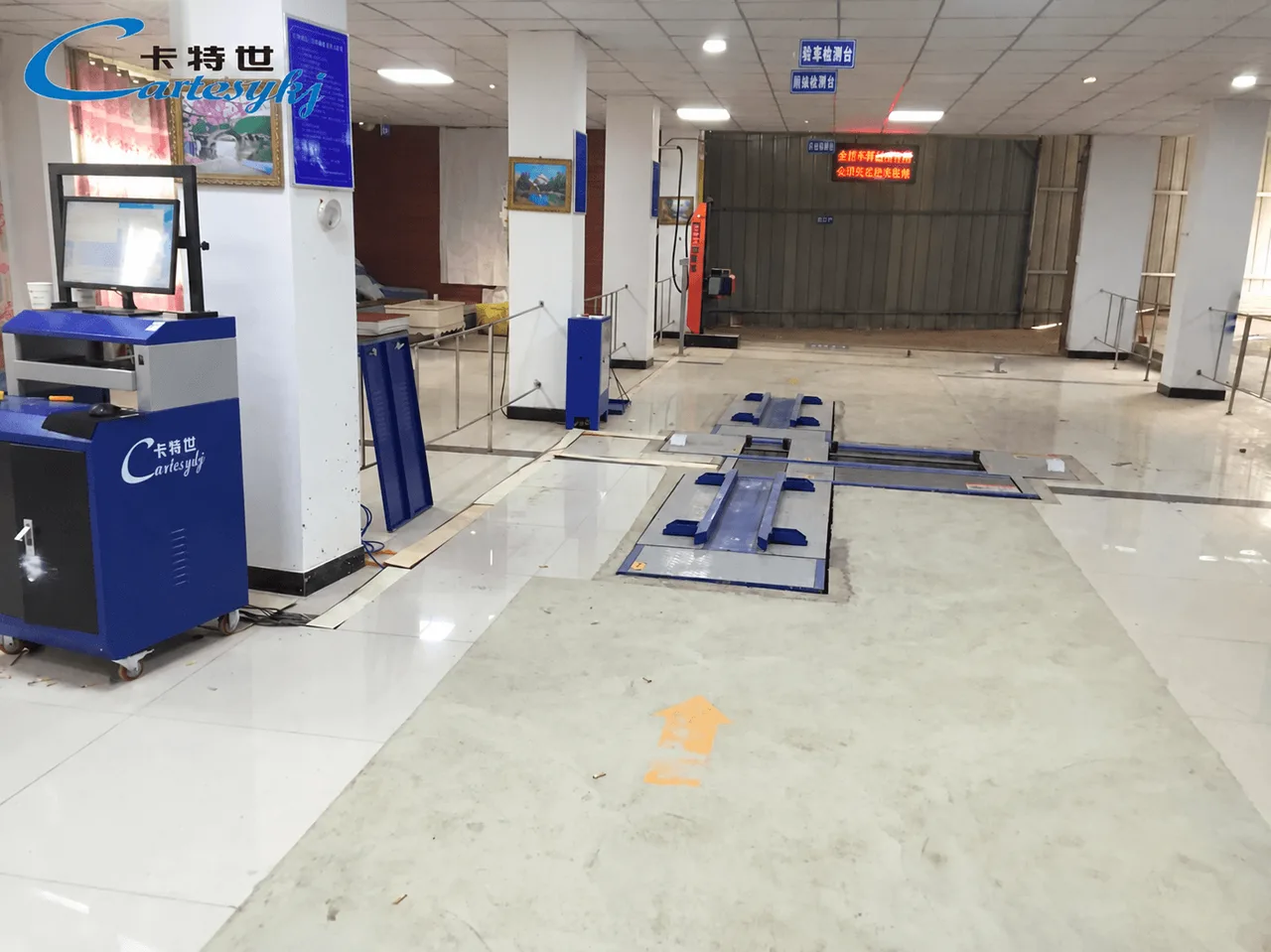
Project
Vehicle Inspection Station Equipment 3T to 15T Solutions
Setting up an efficient diagnostic facility requires high-precision, reliable vehicle inspection station equipment. Integrating an automated comprehensive vehicle performance inspection line enables inspection centers.
Why Invest in a Comprehensive Vehicle Performance Inspection Line?
Setting up an efficient diagnostic facility requires high-precision, reliable vehicle inspection station equipment. Integrating an automated comprehensive vehicle performance inspection line enables inspection centers, commercial fleet hubs, and regulatory agencies to execute multi-point roadworthiness evaluations quickly and accurately. Upgrading to a cohesive test lane streamlines technical oversight, reinforces traffic safety standards, and ensures repeatable results.
Investing in dedicated vehicle inspection equipment delivers decisive operational advantages
- Accelerated Testing Throughput: Automated sequencing moves vehicles smoothly from axle weighing and alignment to dynamic brake testing, drastically cutting turnaround times and maximizing daily lane capacity.
- Absolute Regulatory Compliance: Standardized test sequences and precision-calibrated sensor units ensure strict adherence to national safety and environmental mandates.
- Tamper-Proof Data Integration: Centralized software captures real-time data directly from roller units, slip plates, and sensors, eliminating manual logging errors and safeguarding diagnostic integrity.
- Lower Operating Overhead: Multi-stage inspection systems optimize workflow efficiency, allowing fewer technicians to safely and accurately process higher vehicle volumes.
- Modular Scalability: Modern systems accommodate future facility expansion, serving as a flexible, long-term vehicle inspection station solution capable of adapting to shifting regulatory requirements.
Breakdown of the 3T to 15T Light and Heavy-Duty Vehicle Inspection Line
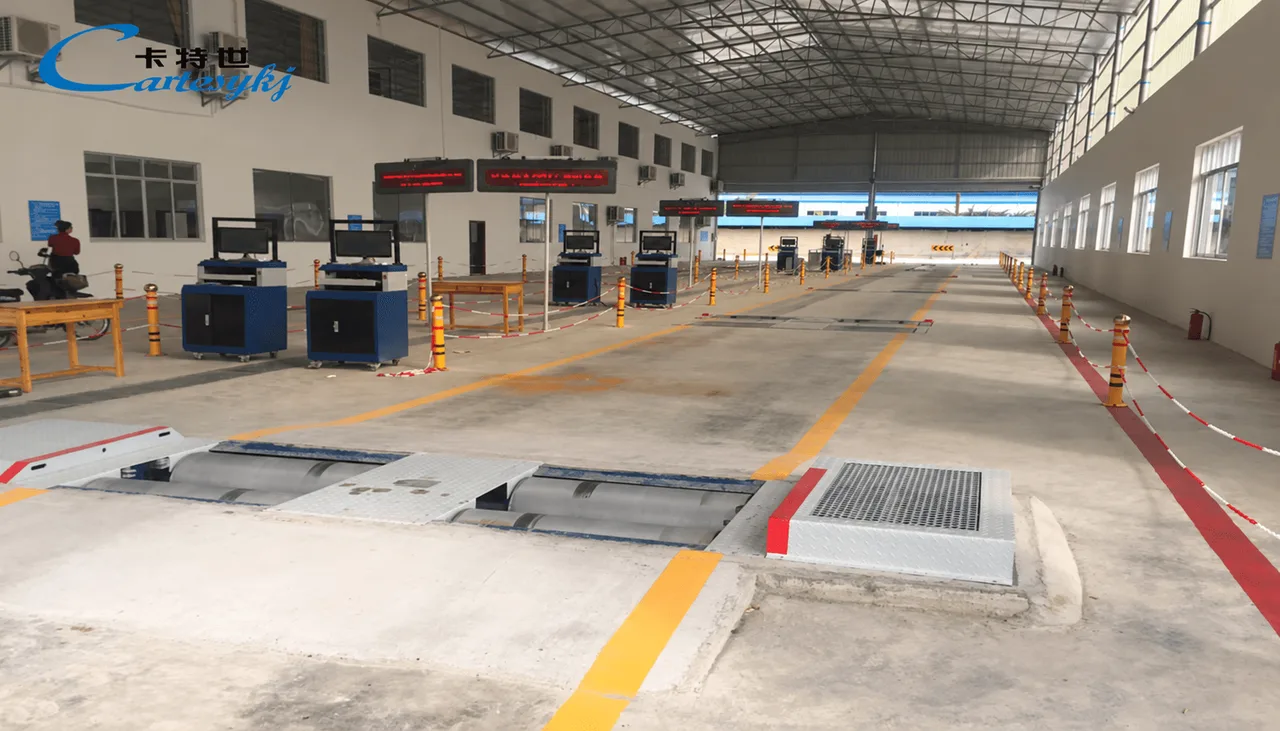
We configure our vehicle inspection station equipment to handle everything from passenger cars to multi-axle commercial transport. A complete Light and Heavy-Duty Vehicle Inspection Line combines high-throughput mechanical testing with digital diagnostics to maintain strict roadworthiness standards.
| Line Type | Target Vehicles | Core Capabilities |
|---|---|---|
| 3T Line | Sedans, SUVs, Light Vans | Fast-cycle brake, sideslip, and suspension checks |
| 15T Line | Heavy Trucks, Coaches, Multi-Axle Trailers | High-load braking, axle load verification, chassis stress detection |
| Emission Line | Petrol, Diesel, Hybrid Fleets | Multi-gas analysis, opacity, and particulate measurement |
3T Roller Safety & Comprehensive Performance Line
Our 3T vehicle inspection equipment is built specifically for light-duty passenger vehicles and light commercial fleets.
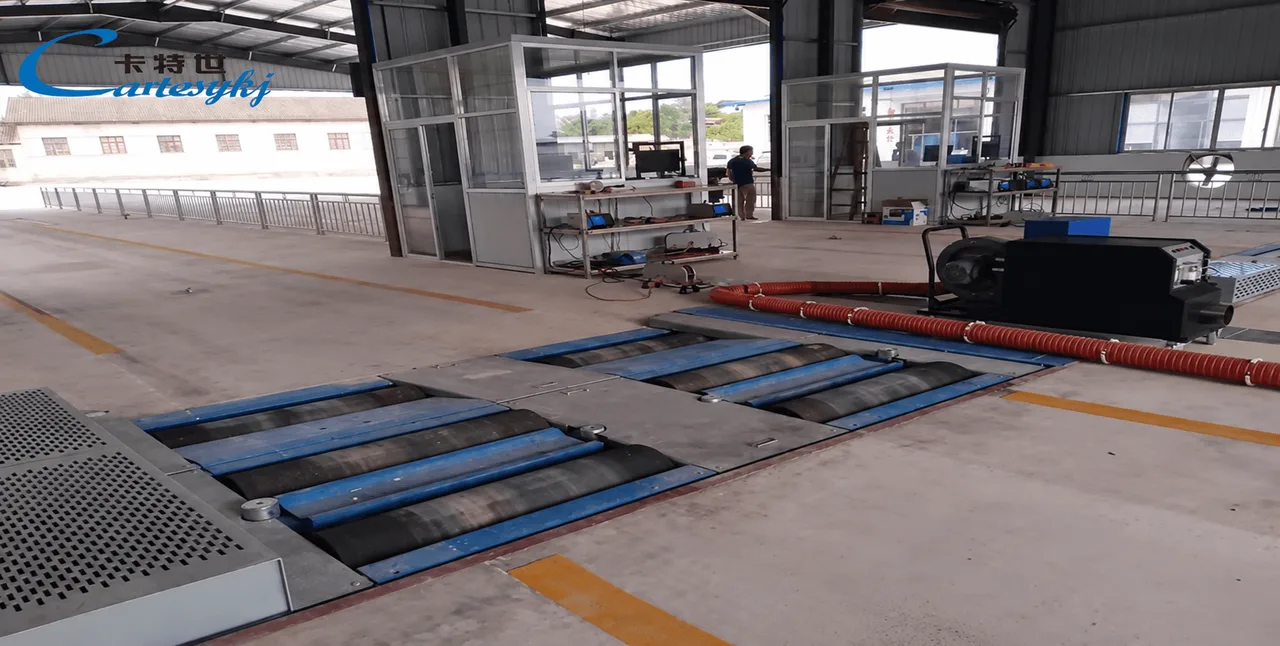
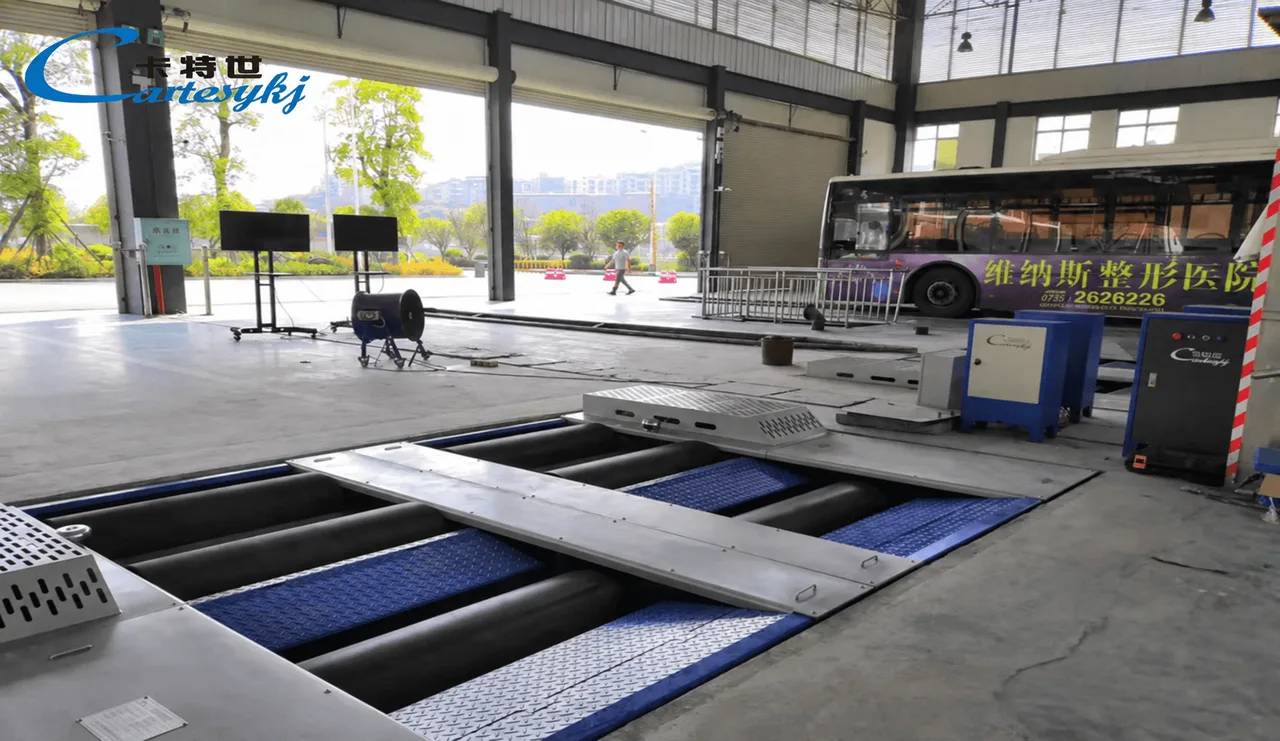
- Roller Brake Tester: Features wear-resistant roller surfaces designed to simulate real tire-to-road friction while protecting tire treads.
- Sideslip & Suspension Testers: Rapid dynamic axle weighing and sideslip measurement determine wheel alignment and dampening efficiency in seconds.
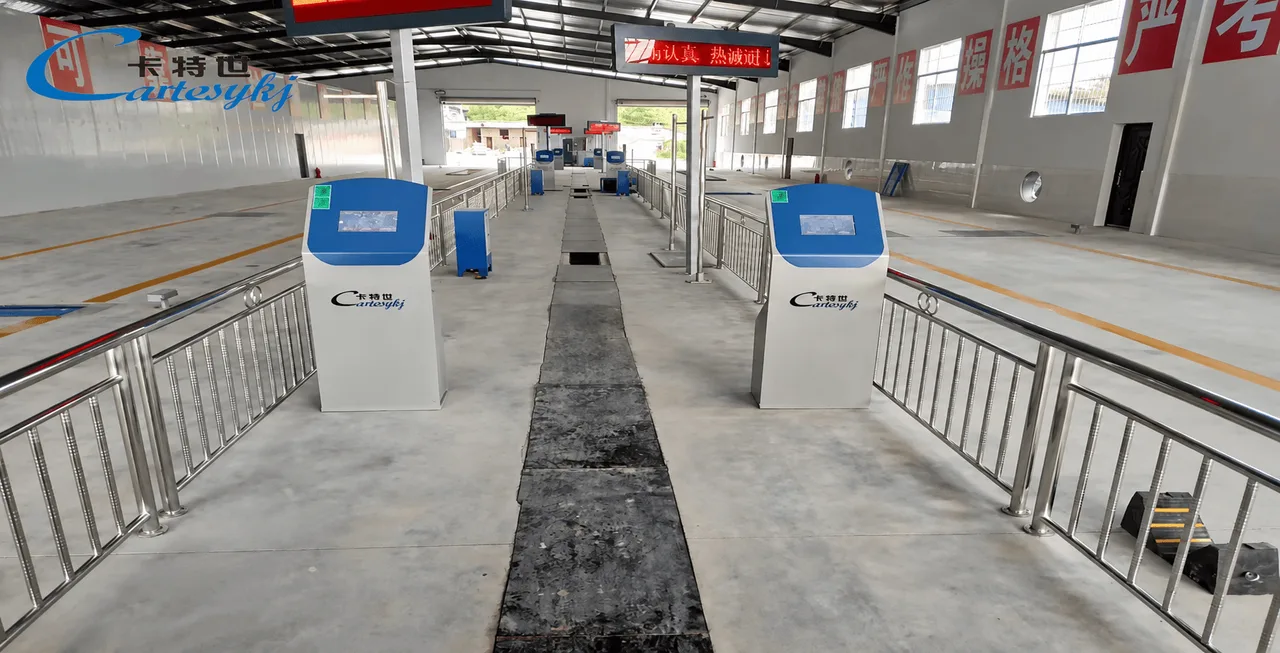
- Automated Data Acquisition: Integrated sensors instantly transmit axle weights, braking balance, and ovality values directly to the central operating console.
15T Roller Heavy Vehicle Safety & Comprehensive Line
For heavy transport, municipal buses, and industrial haulers, our 15T line delivers the structural rigidity required for demanding duty cycles.
- Heavy-Duty Chassis Frames: Reinforced steel construction withstands maximum axle loads up to 15 tonnes without frame deflection.
- High-Torque Drive Motors: Heavy-duty motors and high-precision strain gauge sensors measure maximum braking forces accurately under extreme conditions.
- Multi-Axle Flexibility: Accommodates complex multi-axle configurations by pairing primary test benches with auxiliary free rollers for vehicle inspection to prevent transmission binding during drive-axle tests.
Light & Heavy-Duty Emission Testing Equipment
Emission compliance is an indispensable part of every Comprehensive Vehicle Performance Inspection Line. We integrate both optical and chemical exhaust testing systems directly into the inspection workflow.
Deploying our mobile source five-parameter comprehensive tester provides real-time measurement of regulated tailpipe gases. For diesel applications, integrated opacimeters capture smoke density and light absorption coefficients during snap-acceleration and loaded cycles, ensuring full alignment with statutory environmental mandates.
Specialized Testing for Motorcycles and Auxiliary Equipment
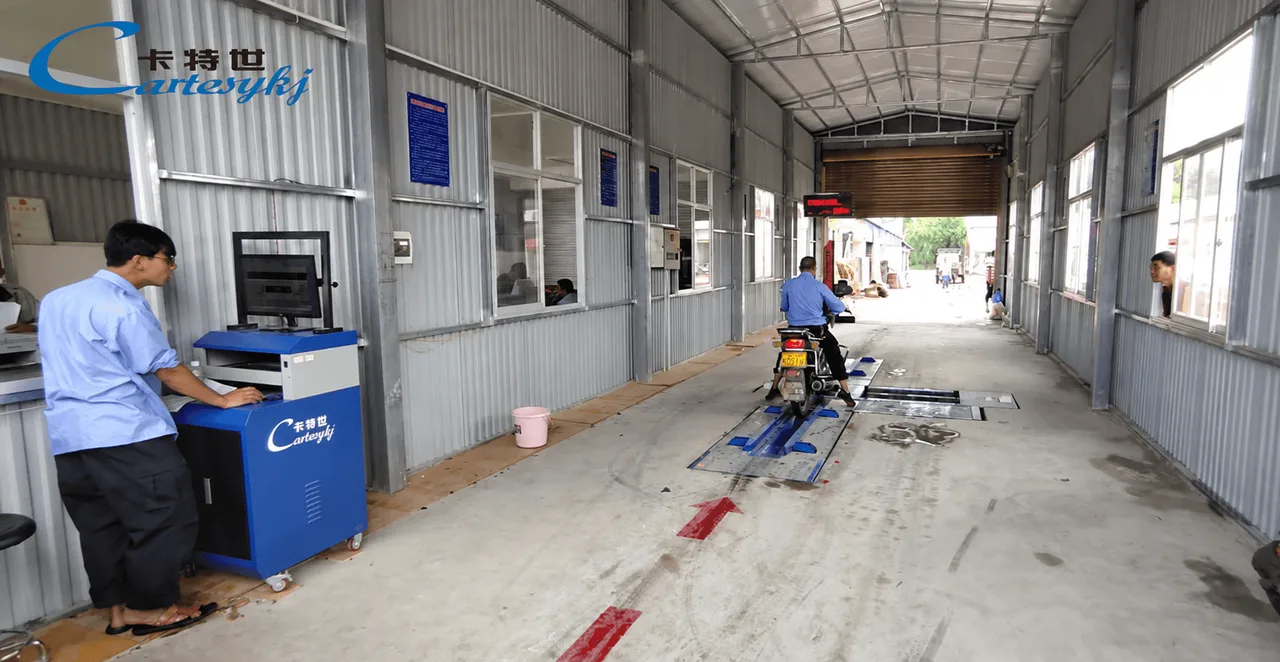
Two- and three-wheelers require specialized testing protocols that standard passenger vehicle lanes cannot handle. We engineer dedicated motorcycle testing modules to give inspection centers full testing capability across standard mopeds, sport bikes, heavy cruisers, and electric scooters. Our modular vehicle inspection station equipment integrates seamlessly into existing lanes or operates as a standalone station, ensuring high throughput, stable clamping, and precise data collection.
Full-Model Motorcycle Safety Inspection Line
Modern inspection centers must cater to both combustion engines and electric powertrains. Our integrated motorcycle lines streamline the entire diagnostic cycle—braking, speed calibration, axle load, and sideslip—into a compact footprint.
- Brake & Axle Load Testing: We utilize a high-precision motorcycle EV tester for two wheels to measure dynamic braking force, axle load distribution, and brake coordination while pneumatic side-clamps secure the bike safely.
- Speed Verification: Our specialized motorcycle EV speedometer tester for two and three wheels checks speedometer accuracy under real-world rolling conditions using balanced, wear-resistant rollers and automatic wheel lock-in systems.
- Structural Durability: Corundum-coated rollers prevent tire slip in wet or dry conditions, while integrated safety covers allow easy roll-over when the test finishes.
Essential Ancillary Equipment
A complete inspection station relies on dependable auxiliary devices to meet regulatory safety requirements and catch mechanical defects before vehicles hit the road.
| Ancillary System | Key Role in Inspection |
|---|---|
| Headlight Aimers | Measures beam intensity, deviation, and focal alignment for halogen, xenon, and modern LED lights. |
| Sound Level Meters | Records stationary and drive-by exhaust noise levels to ensure compliance with urban environmental standards. |
| Pedal & Hand Lever Force Sensors | Tracks the manual effort applied by the inspector to confirm brake efficiency thresholds accurately. |
| Sideslip & Tracking Gauges | Detects wheel misalignments and frame distortion quickly as the vehicle rolls onto the testing bench. |
These complementary instruments connect directly to our central management software, consolidating all test results into a single official inspection report.
Key Features of Our Automotive Inspection Station Equipment
We build our vehicle inspection station equipment to deliver fast testing cycles, high measurement accuracy, and uninterrupted daily operation. Every unit combines heavy-duty mechanics with real-time digital processing, keeping test lanes moving efficiently under demanding commercial workloads.
| Feature Category | Core Capability | Operational Benefit |
|---|---|---|
| Structural Durability | Heavy-gauge welded steel frames with corrosion-resistant finishes | Handles continuous high-tonnage drive-over traffic without frame distortion |
| Sensor Accuracy | High-precision load cells and dynamic speed sensors | Delivers repeatable, certified test data across all vehicle classes |
| Data Automation | Integrated control software with instant report generation | Eliminates manual input errors and accelerates lane throughput |
| Modular Design | Standardized mechanical and electrical interfaces | Allows straightforward integration into existing or newly built test pits |
Engineered for Precision and Uptime
- Integrated Braking and Load Systems: Advanced configurations, including our roller brake opposite force load lift station, simulate realistic road conditions while maintaining exact axle-load and braking-force capture.
- Intelligent Network Connectivity: Centralized software connects all testing modules across the station, routing results straight to central databases for statutory verification and rapid pass/fail certification.
- Low-Maintenance Drive Units: High-torque motors and durable gearboxes reduce mechanical wear, lowering scheduled maintenance intervals and operational downtime.
- Safety Interlocks: Automated wheel-slip detection, safety start protections, and emergency stop circuits safeguard both operators and vehicles throughout each test sequence.
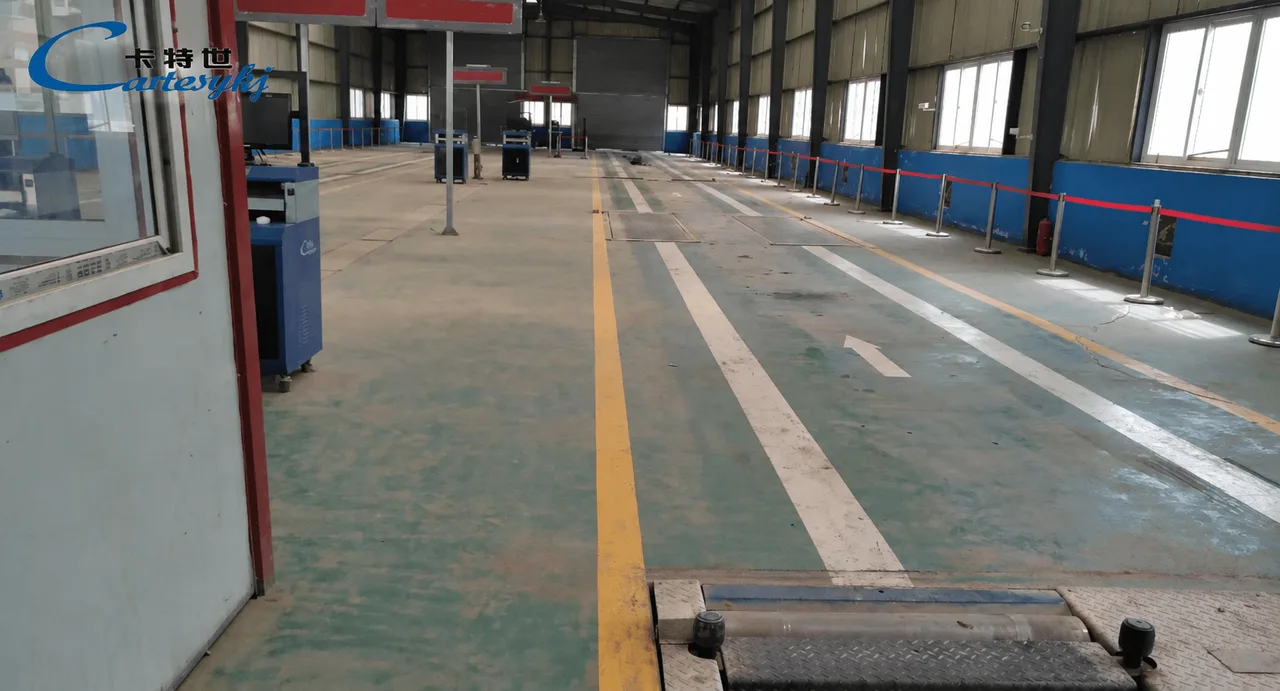
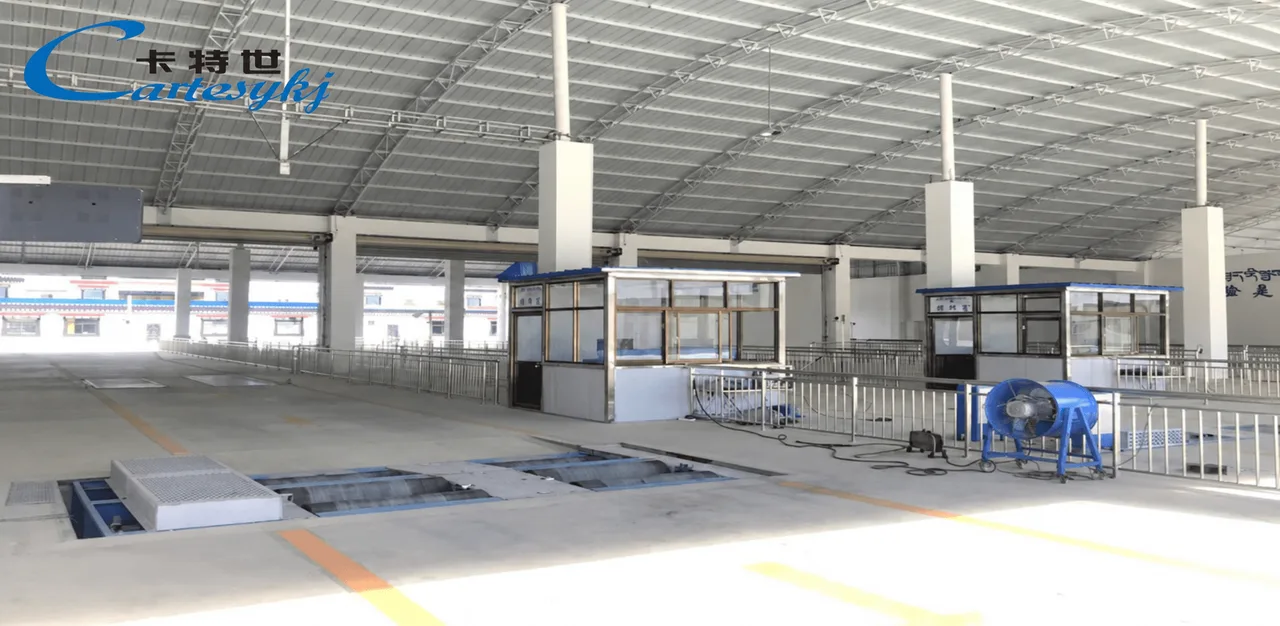
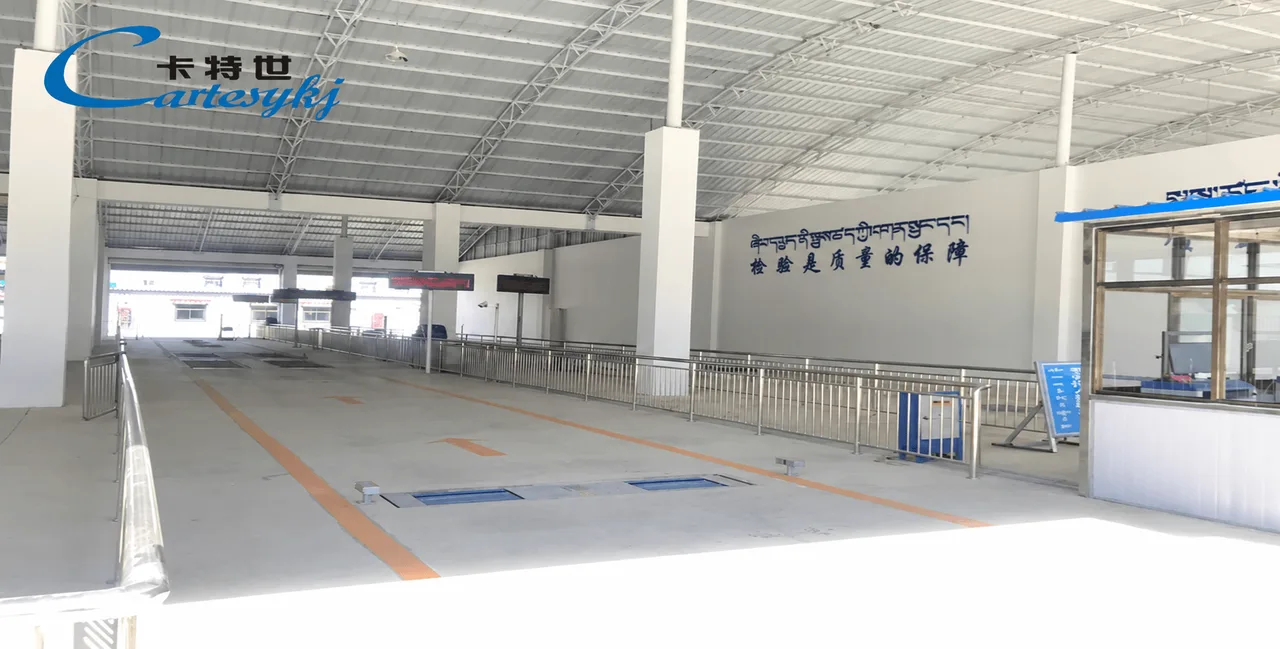
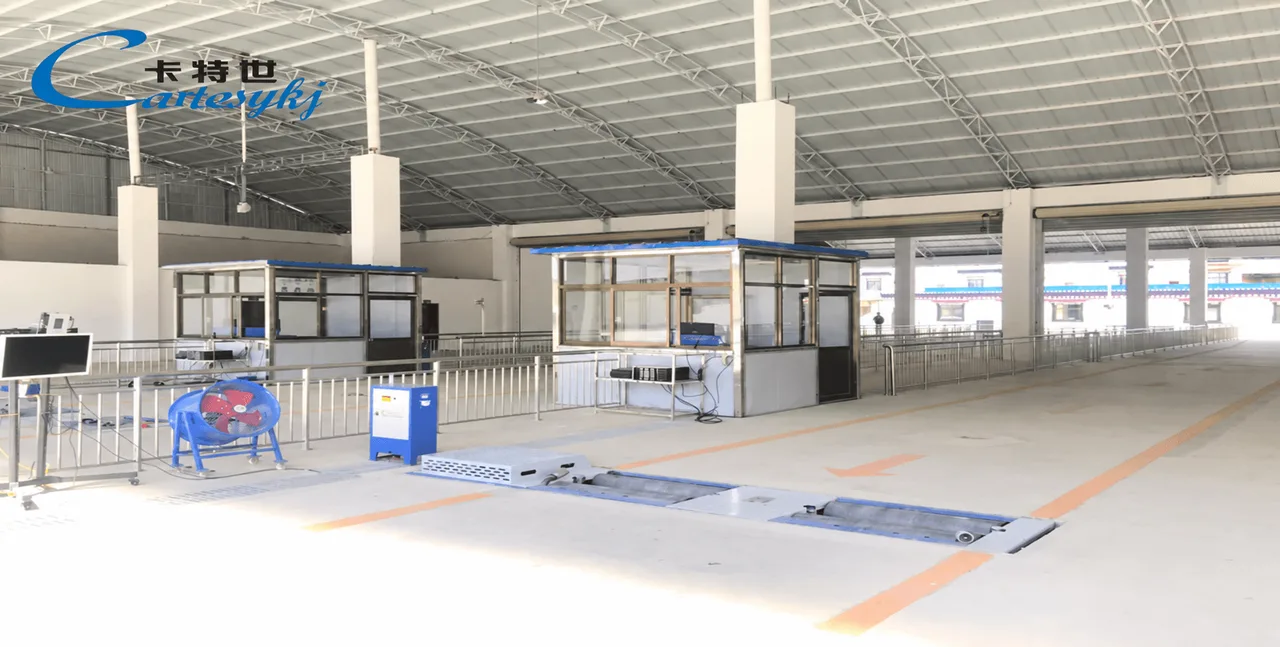
Creating a Complete Vehicle Inspection Station Solution (Site & Infrastructure)
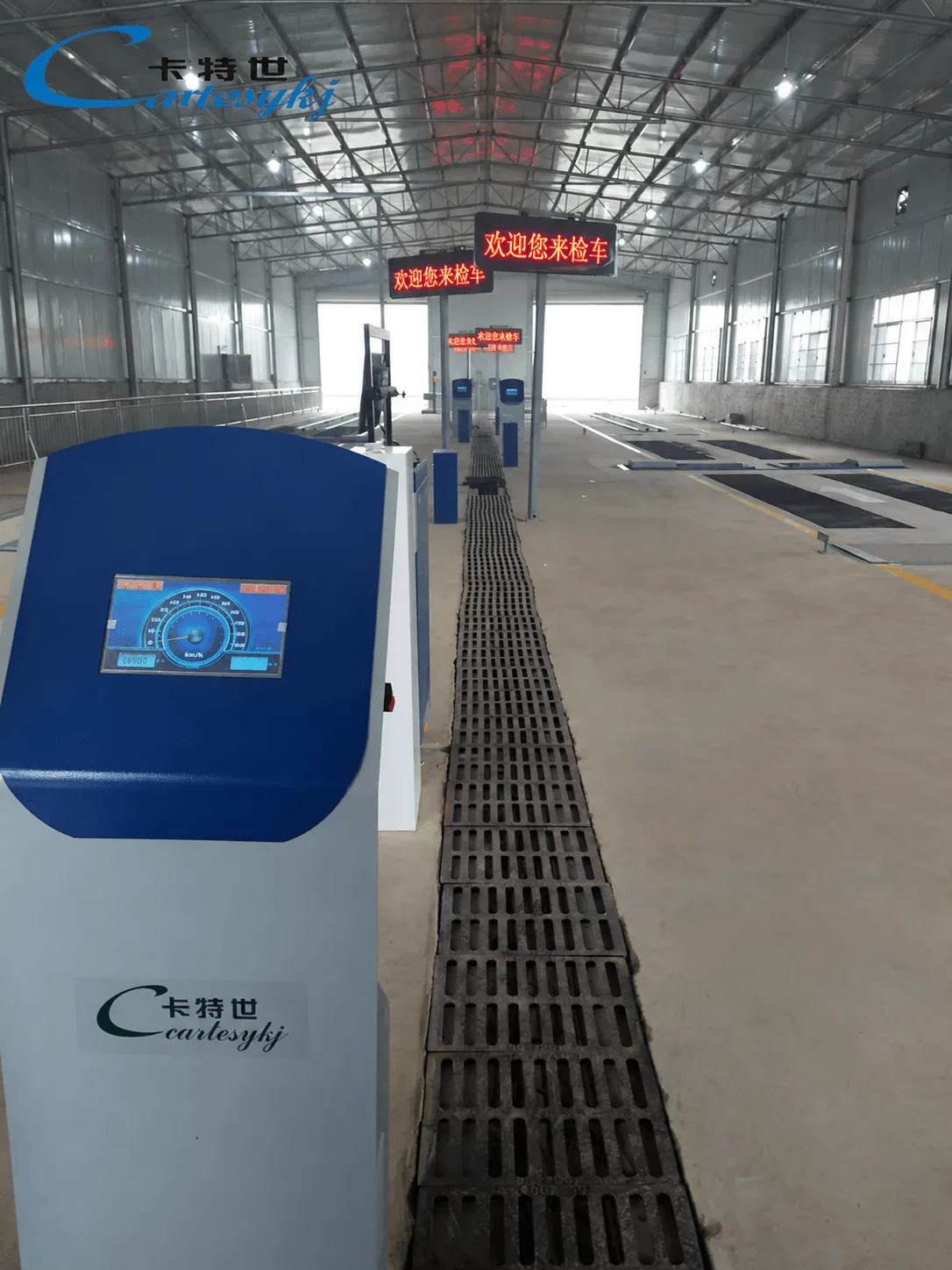
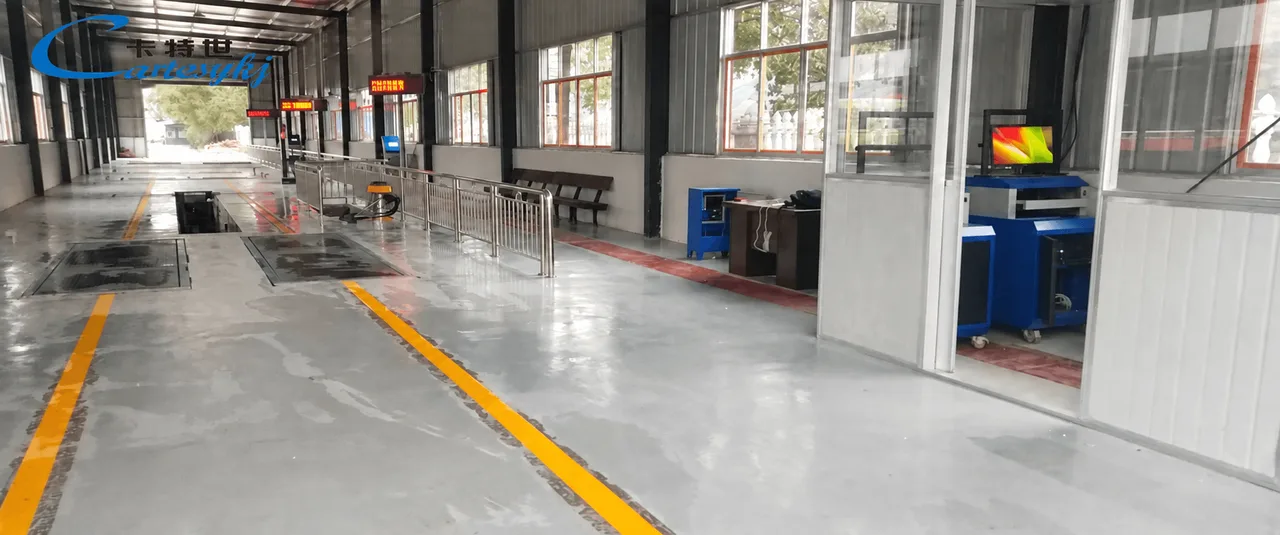
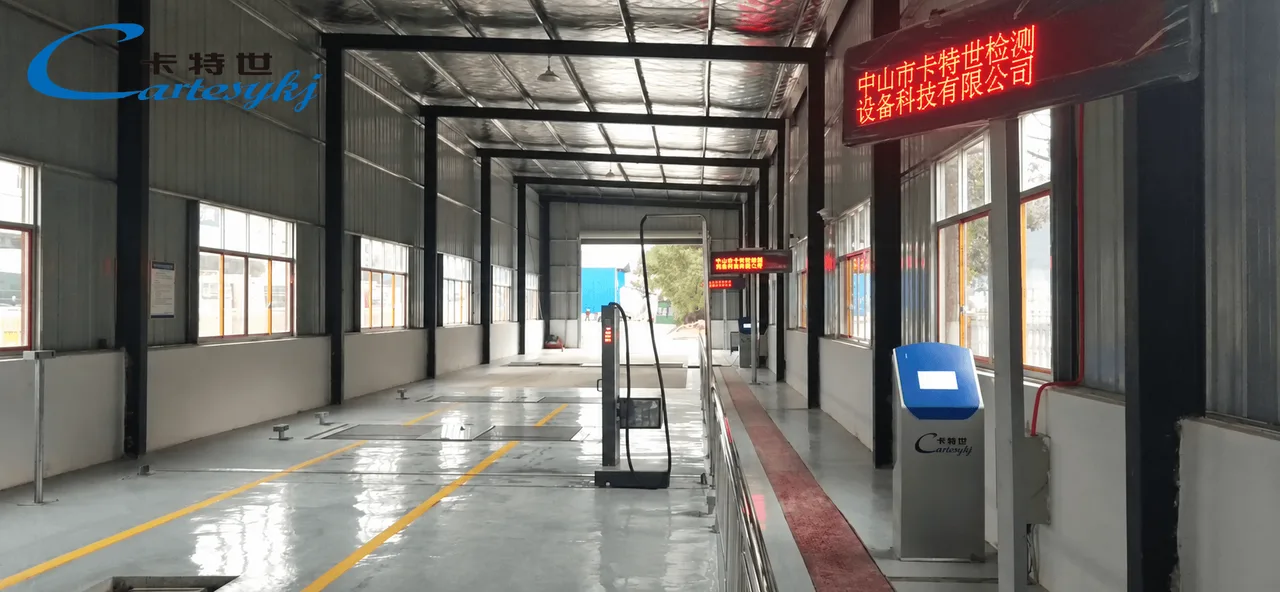
Setting up a high-throughput testing facility requires more than standalone hardware. We engineer every complete Vehicle Inspection Station Solution from the ground up, aligning physical space, civil foundations, and test sequences to eliminate bottlenecks. Integrating high-performance vehicle inspection equipment into a well-planned facility guarantees continuous vehicle movement, statutory compliance, and maximum daily bay capacity.
| Infrastructure Element | Planning Standard | Core Function |
|---|---|---|
| Test Lane Clearance | Min. 4.5 m height; 4.0 m lane width | Accommodates light commercial and heavy-duty vehicles safely |
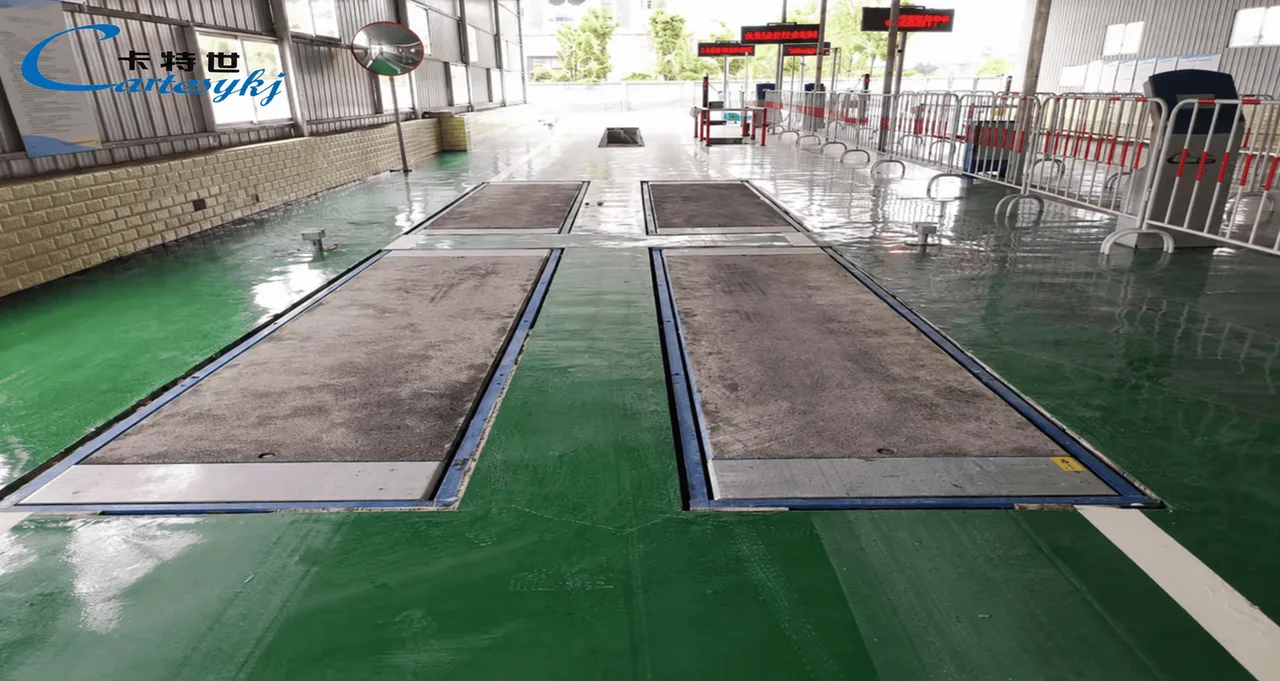
| Foundation Pits | Reinforced concrete with precision mounting frames | Anchors roller brake testers, axle play detectors, and suspension units |
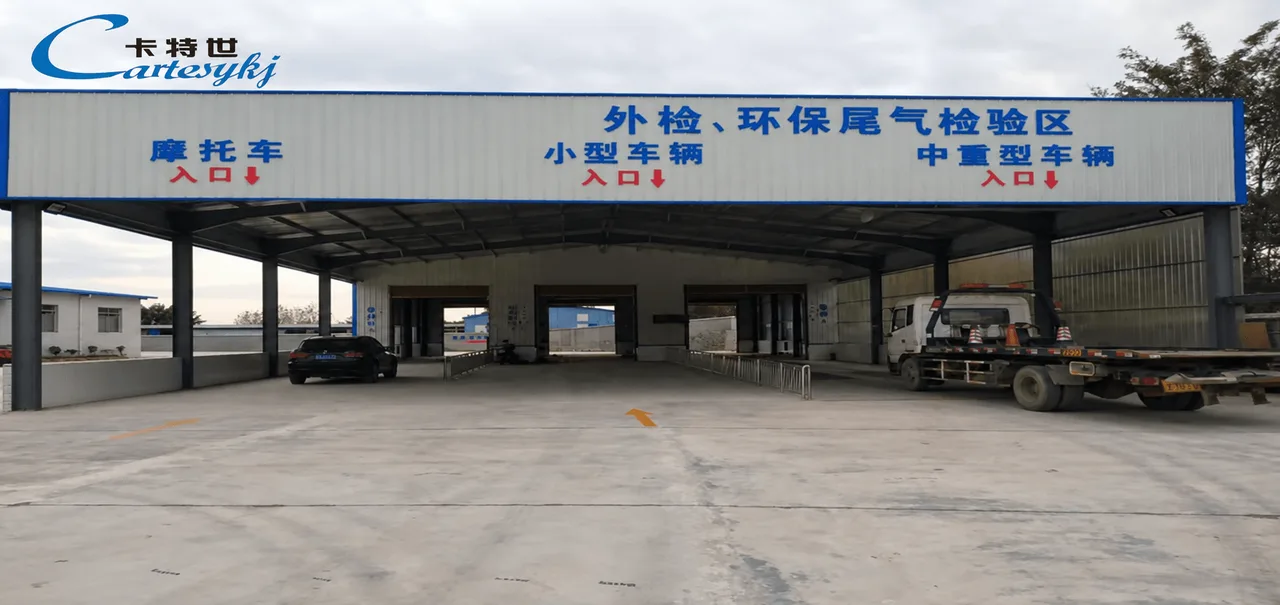
| Drive-Through Flow | Uni-directional straight-line design | Minimizes turning delays and eliminates lane congestion |
| Floor Leveling | Gradient deviation under 2 mm per meter | Ensures accuracy for sideslip and headlight alignment testing |
Layout and Workshop Design
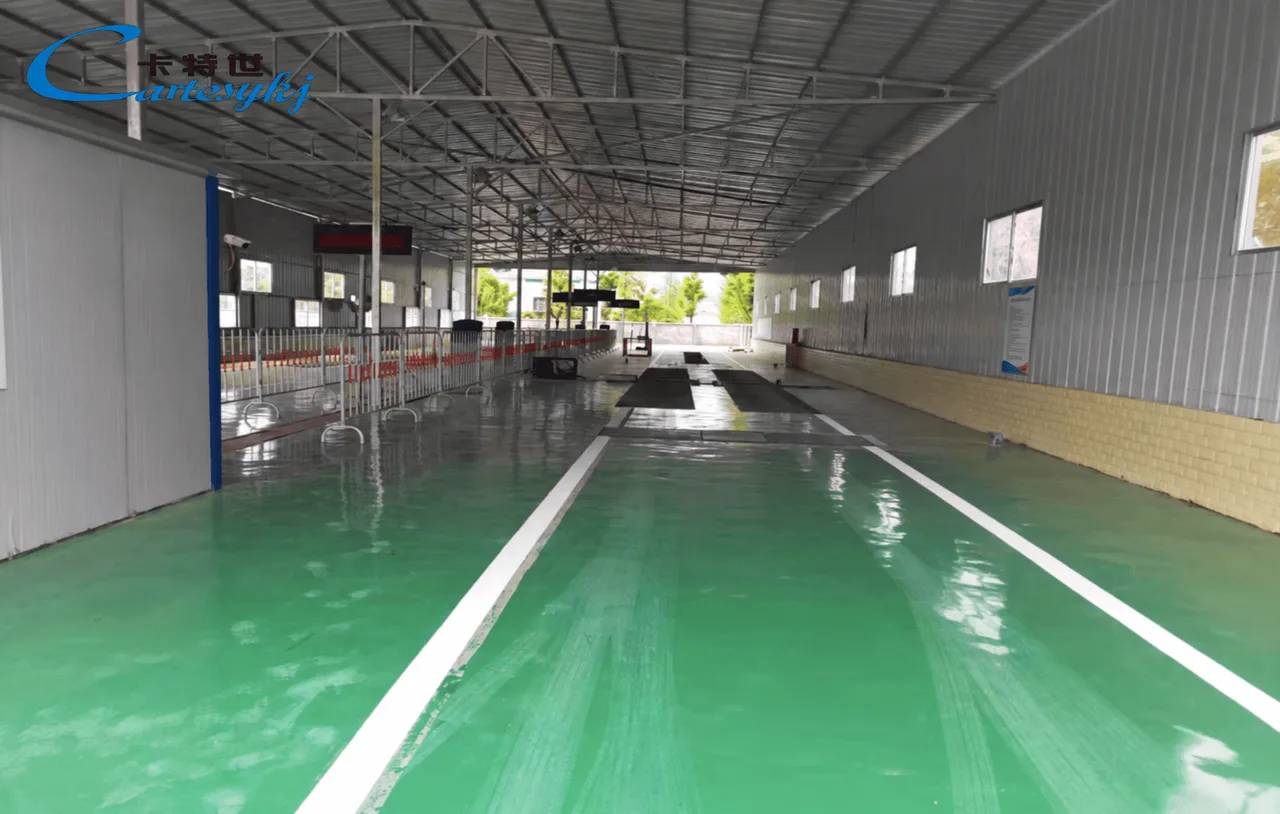
Proper lane architecture dictates operational speed. We design straight-line, drive-through bays that keep traffic moving forward from check-in to final report generation:
- Separated Traffic Flows: Segregated entry, testing, and exit zones prevent light and heavy vehicle crossover.
- Modular Pit Construction: Pre-cast frames and reinforced inspection pits streamline sub-floor hardware positioning.
- Optimal Sensor Spacing: Calculated distances between testing stations ensure consecutive vehicles advance without electronic or physical interference.
Power & Environmental Requirements
Reliable machine operation depends on stable utility delivery and workshop environmental controls:
- Stable Electrical Supply: Dedicated 3-phase industrial power (380V/400V, 50/60 Hz) backed by localized surge suppression protects sensitive sensors and heavy-load electric motors.
- Pneumatic Networks: Regulated compressed air lines (6 to 8 bar) provide instant response for joint play detectors and air-assisted lifts.
- Ventilation and Drainage: Dynamic exhaust extraction systems safeguard technicians during high-idle emission runs, paired with oil-water separator drainage channels along the pit floor.
The "Turnkey" Advantage
We take full ownership of the project lifecycle. Instead of dealing with disparate vendors, you receive an integrated package that covers site assessment, civil works supervision, machine commissioning, and software calibration. Our extensive experience deploying each complete maintenance inspection workshop ensures your facility launches on schedule, fully certified, and ready for immediate, high-volume operation.
Frequently Asked Questions (FAQ) about Vehicle Inspection Lines
What core systems make up standard vehicle inspection station equipment?
A fully integrated testing lane combines mechanical, electrical, and optical test units designed to assess roadworthiness. Typical configurations include: Roller Brake Testers & Plate Systems (braking force distribution, ovality, efficiency); Suspension & Sideslip Testers (dynamic wheel contact, axle drift, steering stability); Axle Play Detectors (joint wear and chassis loose points under load); Emissions & Optical Tools (exhaust gas opacity, gas composition, headlight beam alignment).
Can a single test lane accommodate both passenger cars and commercial fleets?
Yes. We design modular lines adaptable to diverse weight classes. Light-duty lanes handle passenger vehicles and light commercial vans, while combined lanes feature reinforced chassis frames, wide-track rollers, and high-capacity sensors capable of managing heavy-duty commercial axle loads.
How does modern vehicle inspection equipment handle electric vehicles?
Electric powertrains present distinct axle loads and regenerative braking patterns that standard legacy units cannot always capture properly. Modern test lanes incorporate updated sensor algorithms and EV inspection line hardware to evaluate both battery-electric and hybrid platforms without damaging drivelines.
What software and data connectivity standards are supported?
Our testing lines utilize centralized software interfaces that collect real-time data from every connected sensor. The system synchronizes results into a unified database, prevents operator tampering, and formats records to meet regional statutory compliance standards or private workshop management systems.
What civil foundation preparation is required prior to equipment installation?
Stationary test lines generally require reinforced concrete pit excavations or pre-cast foundations aligned with specific floor drainage, sensor conduits, and three-phase power supplies. Surface-mounted options are also deployed where ground excavation is restricted.
Conclusion & Call to Action
Selecting the right vehicle inspection station equipment is critical to ensuring operational safety, statutory compliance, and long-term testing efficiency. As a dedicated automotive inspection station equipment supplier, we deliver complete test lane hardware and integrated setups designed to match your facility's exact throughput requirements.
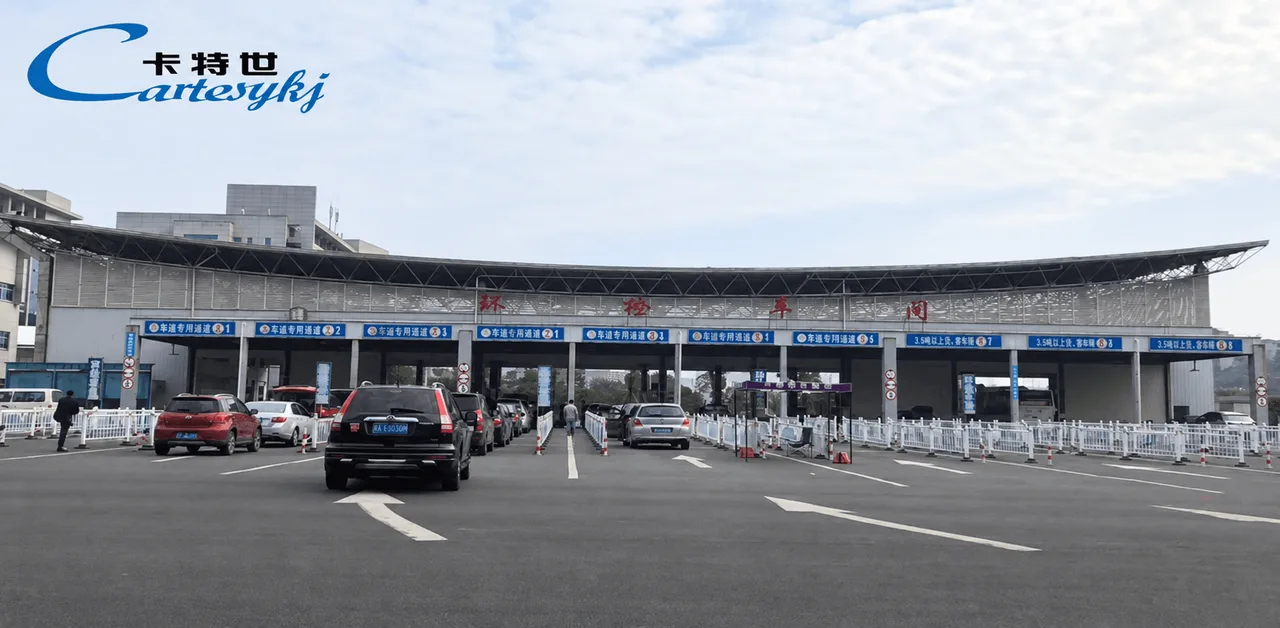
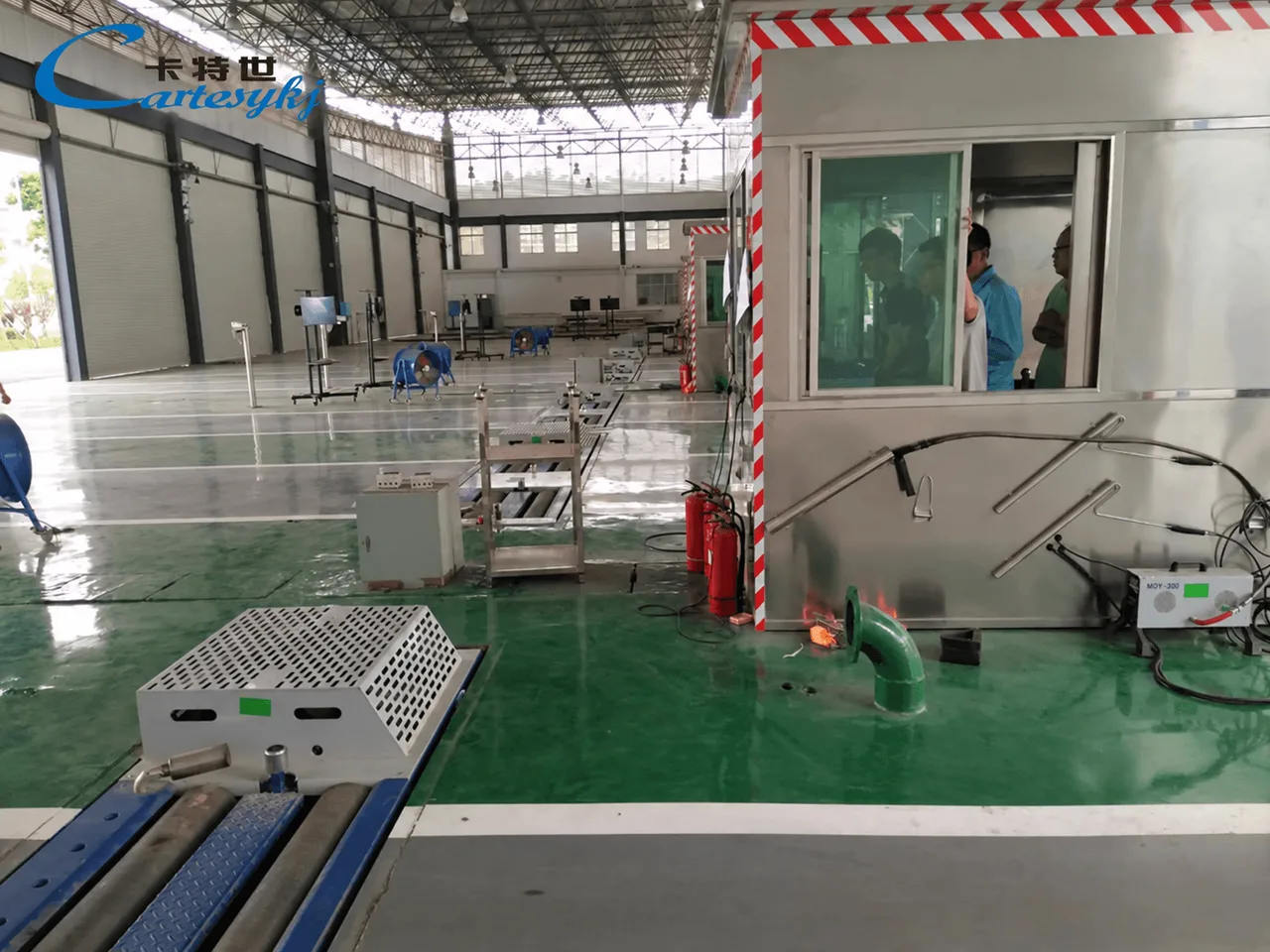
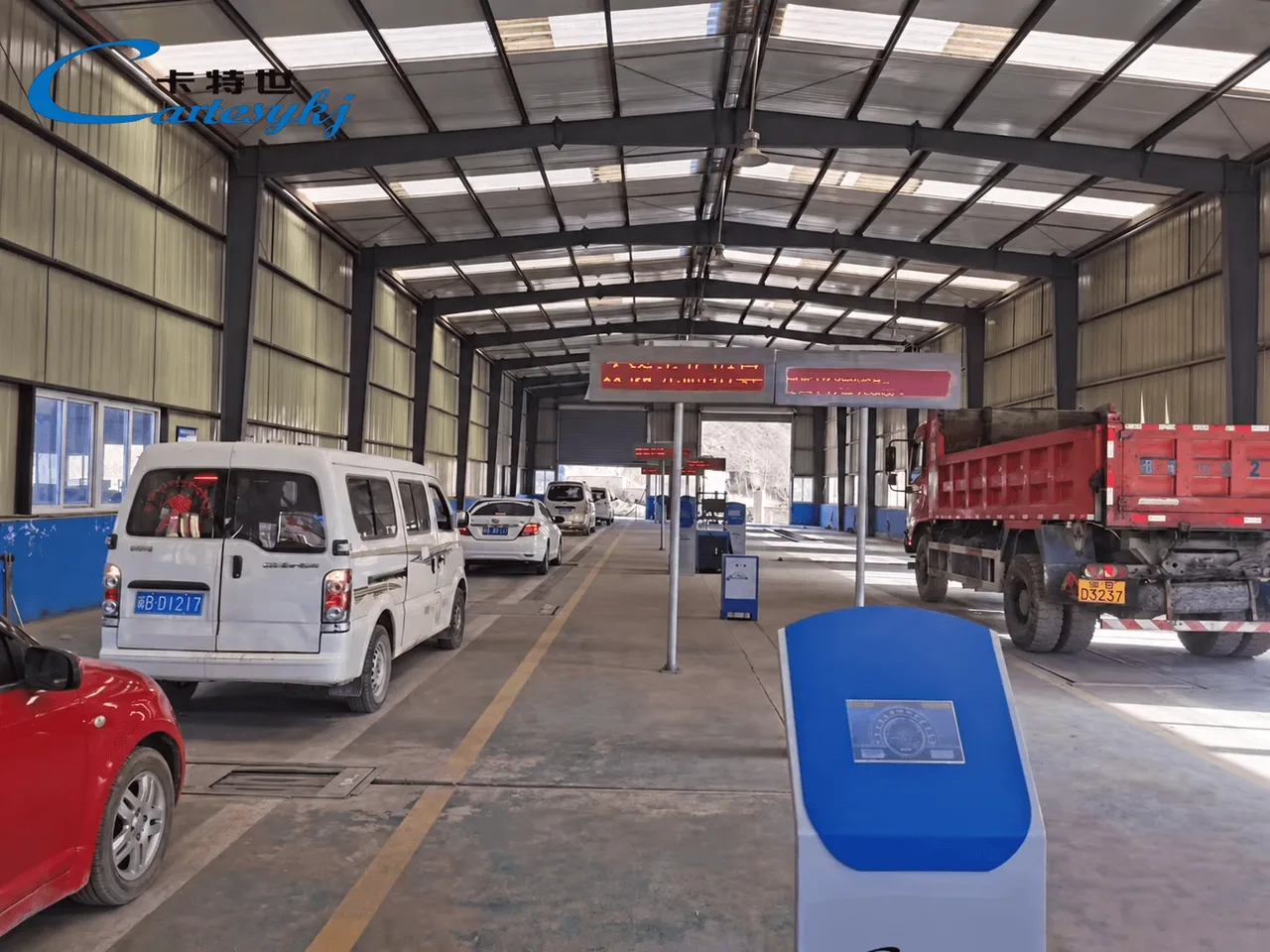
Whether your goal is to upgrade existing lanes or deploy a full vehicle inspection station solution from the ground up, our team provides the engineering support, hardware layout, and installation guidance required for reliable operation. Explore our real-world vehicle inspection station project cases to evaluate our test lane integrations across varied testing environments.
Partner with Us for Your Inspection Facility
- Tailored Configurations: Optimized layouts for light-duty, heavy-duty, and multi-lane commercial test centers.
- Turnkey Support: Complete coordination covering hardware alignment, sensor integration, and operational setup.
- Built for Longevity: Durable build quality designed for continuous daily vehicle throughput.
Connect with our technical team today to discuss your site specifications, request detailed equipment documentation, and secure a custom proposal for your inspection station project.
Project imagery