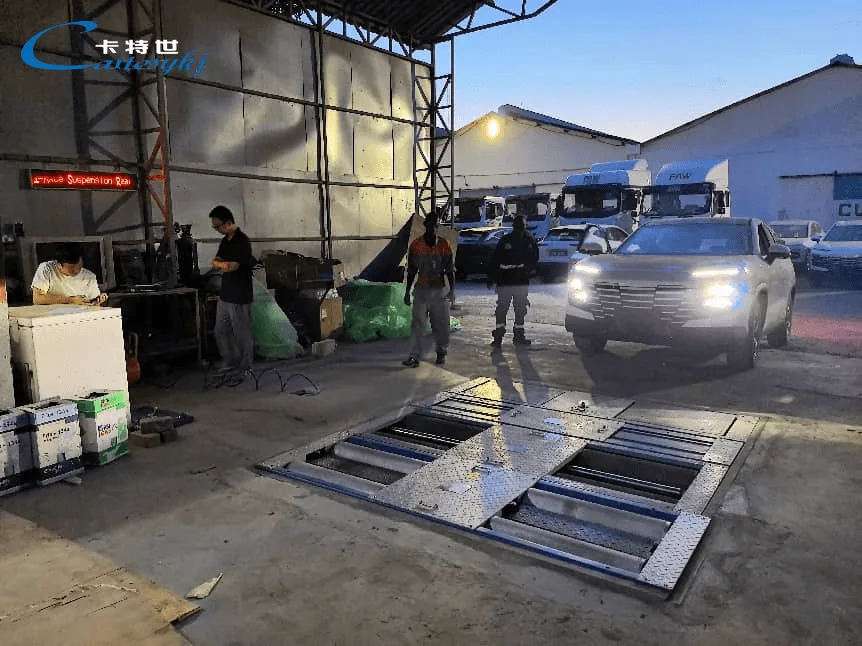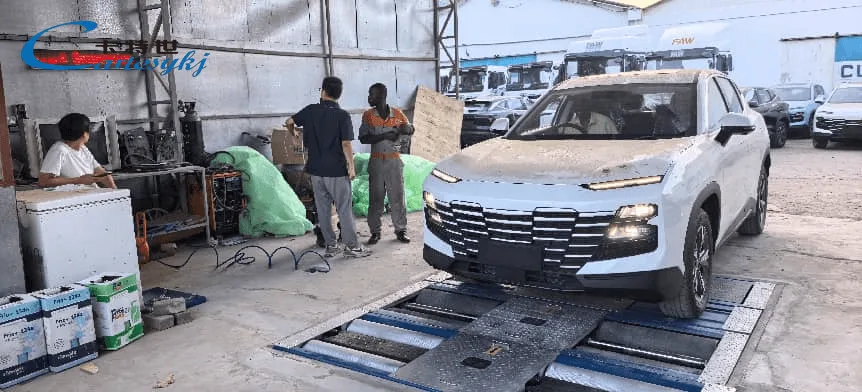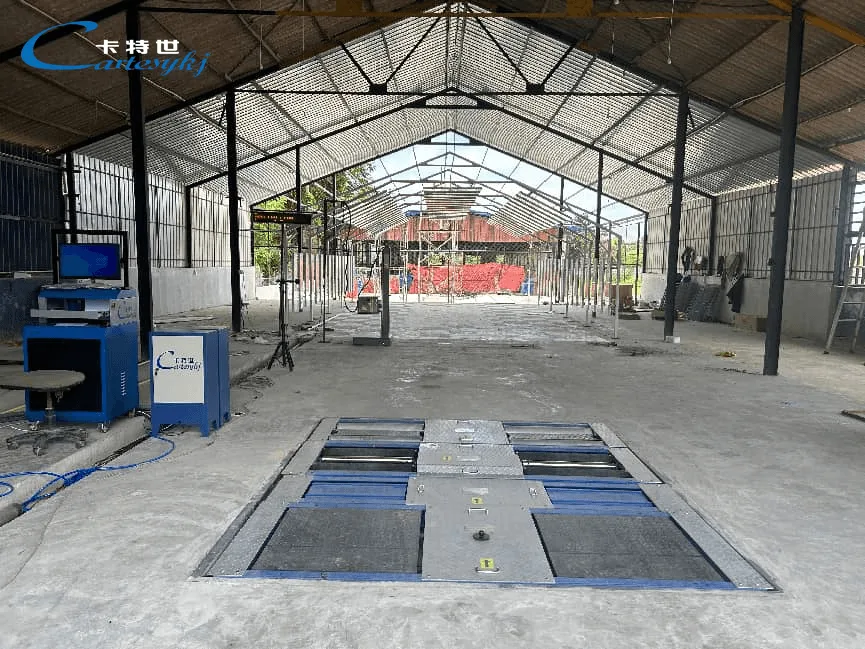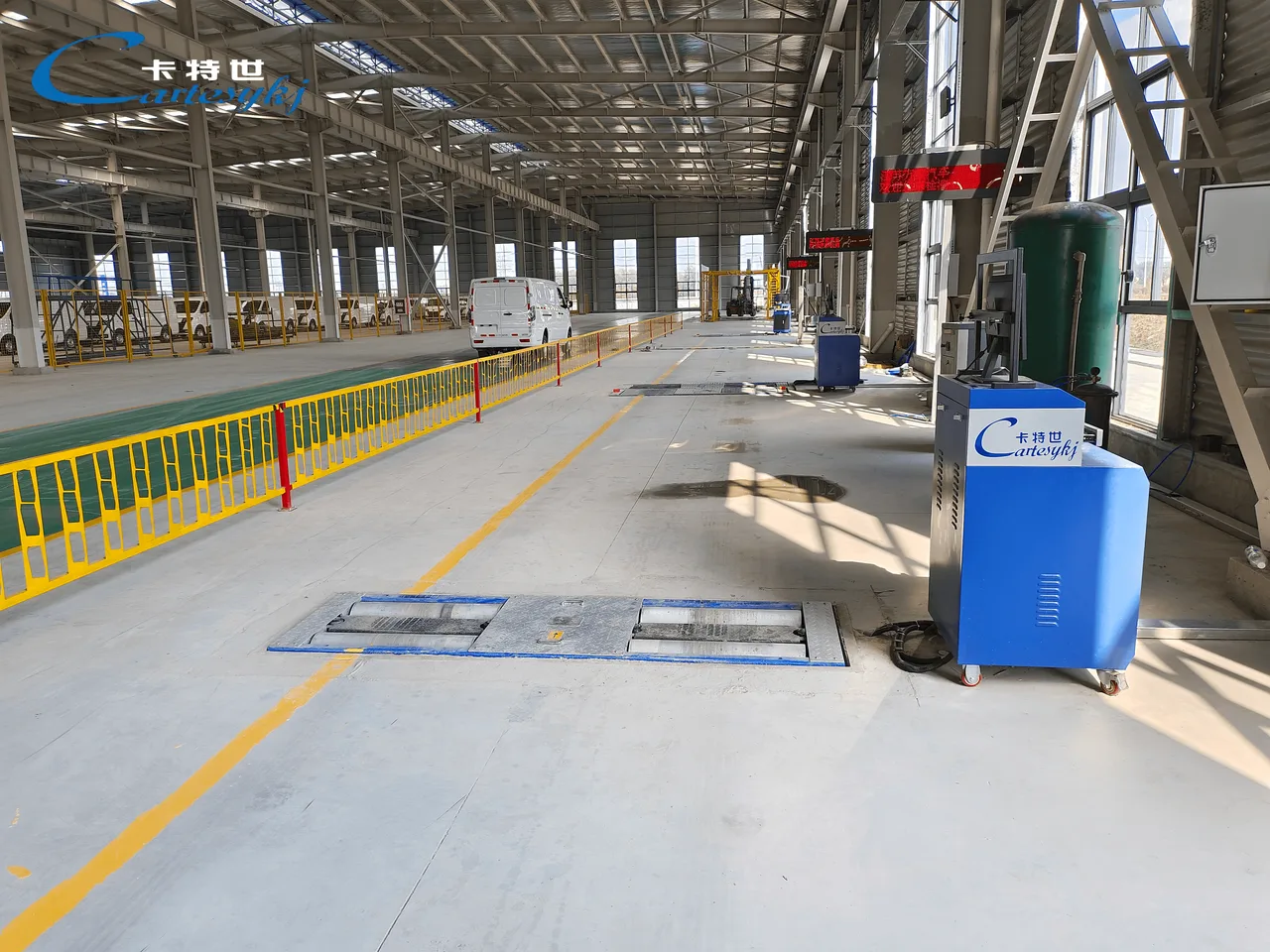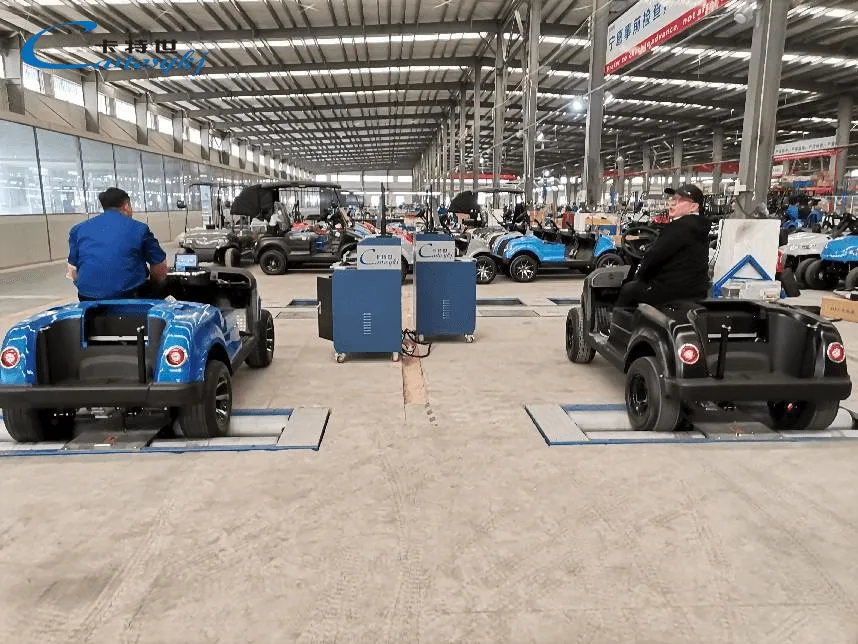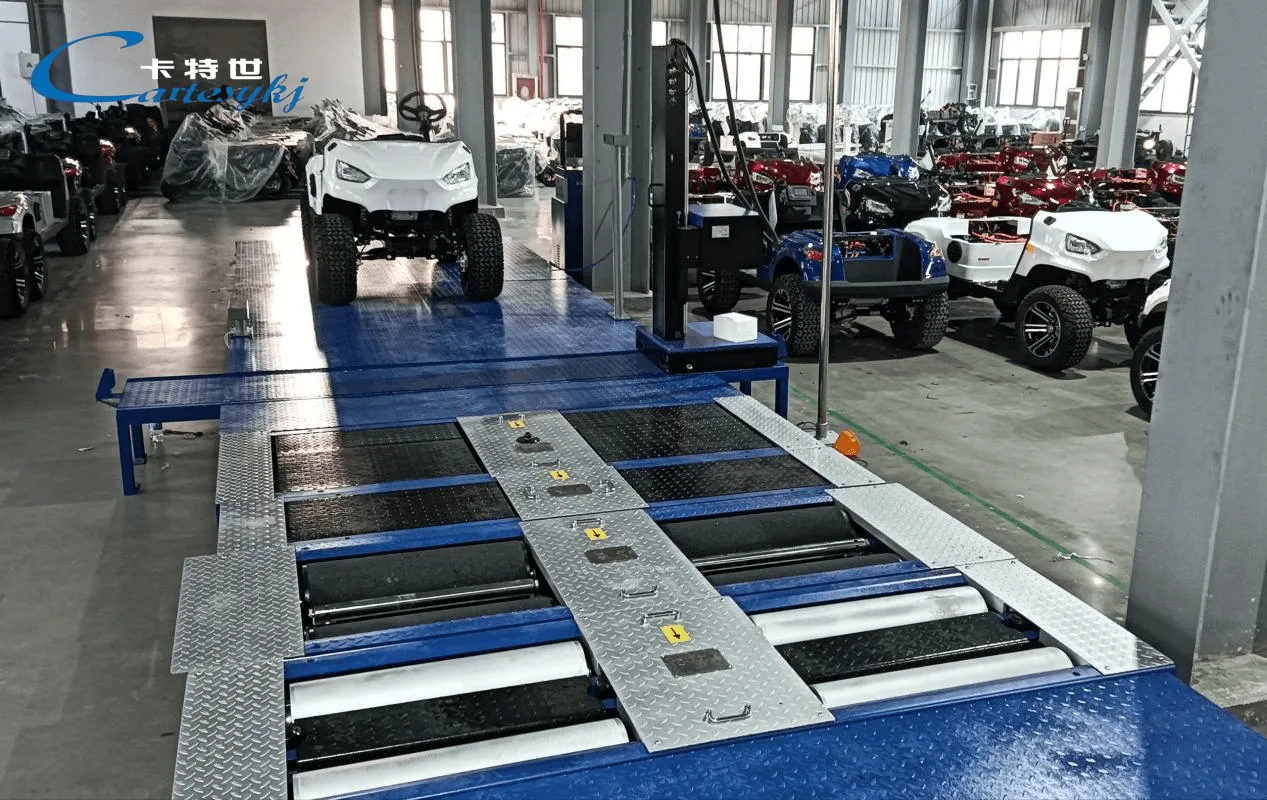
Project
3 Ton Five in One Roller Type Vehicle Inspection Line
A roller-type vehicle inspection line configured in a "five-in-one" layout is a fully integrated, automated testing lane designed to evaluate critical roadworthiness and safety parameters in a single, continuous.
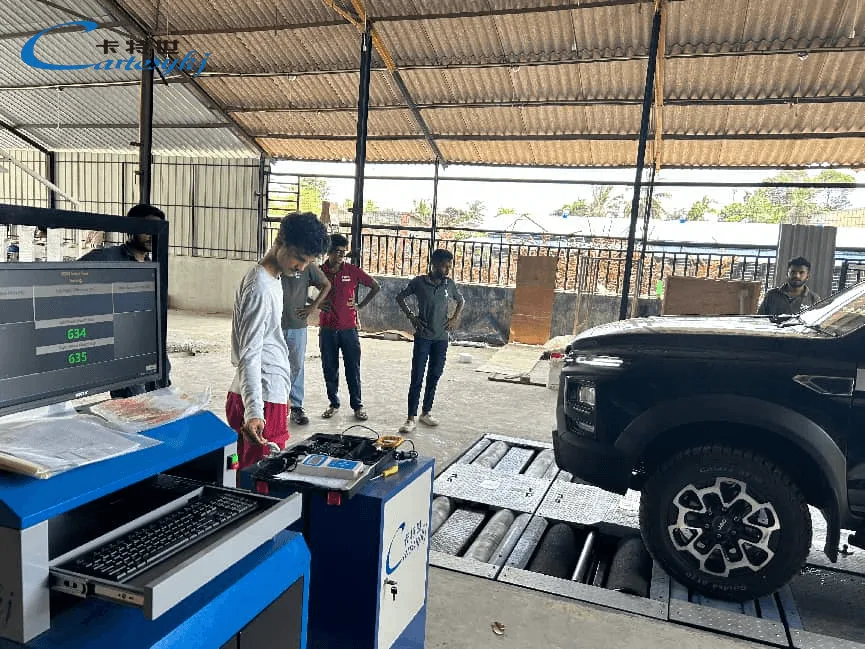
What is a "Five-in-One" Roller-Type Vehicle Inspection Line?
A roller-type vehicle inspection line configured in a "five-in-one" layout is a fully integrated, automated testing lane designed to evaluate critical roadworthiness and safety parameters in a single, continuous workflow. Instead of routing vehicles through separate diagnostic bays, this centralized architecture streamlines testing by combining five vital test benches onto a compact footprint:
Side Slip Tester: Evaluates dynamic wheel alignment and steering geometry as the vehicle enters the lane.
Suspension Testing Equipment: Evaluates axle damping performance, road adhesion, and dynamic shock absorption under simulated road frequencies.
Roller Brake Tester with Axle Load Measurement: Accurately measures dynamic braking force, left-to-right brake imbalance, drag force, and total axle weight on high-grip rollers.
Speedometer Tester: Calibrates and verifies dashboard speed indicators against precise roller rotation speeds.
Headlight Tester: Checks luminous intensity and beam alignment to verify compliance with visibility regulations.
By uniting these five modules into a centralized automotive testing equipment station, diagnostic operations gain higher vehicle throughput, synchronized data collection, and repeatable accuracy required for commercial testing facilities, fleet workshops, and statutory vehicle inspection centers.
Deep Dive into the Core Automotive Testing Equipment
A high-throughput roller-type vehicle inspection line relies on rugged, high-precision stations working together seamlessly. We design our automated inspection line to eliminate bottlenecks, delivering fast, repeatable diagnostics across every critical safety system.
Roller Brake Tester (Model: CTFZ-3C)
The CTFZ-3C serves as the operational backbone of our brake diagnostic line. Built to handle intense daily cycles, this unit assesses braking force balance, total braking efficiency, and drag force.
Durable Roller Surface: Hard-wearing corundum or epoxy-coated rollers ensure maximum tire grip and simulate actual road friction conditions.
Integrated Load Cells: Paired with high-accuracy strain-gauge sensors, this roller brake tester with axle load system captures dynamic axle weight and brake force simultaneously.
Automatic Drive Protection: Intelligent slip sensors instantly cut motor power when wheel lock occurs, preventing unnecessary tire wear.
Side Slip Tester (Model: CTCH-3C)
Wheel alignment directly impacts vehicle stability and tire longevity. The CTCH-3C side slip tester evaluates dynamic wheel tracking as the vehicle drives across the sensitive sliding plate.
Instant Displacement Measurement: Accurately measures inward or outward tire deviation in millimeters per meter (mm/m).
Relaxation Mechanism: An integrated release section absorbs initial tire scrub so only true steering geometry issues are recorded.
Low-Maintenance Architecture: Self-centering mechanical guides and protected linear sensors ensure smooth operation even in dusty shop environments.
Suspension Testing Equipment (Model: CTXX-3C)
Damping performance directly affects handling and braking distance. Our CTXX-3C suspension testing equipment uses dynamic oscillation methods to verify road contact and shock absorber condition.
Resonance-Based Diagnosis: Based on the recognized EUSAMA standard, this automotive shock absorption and damping tester excites each wheel to find its minimum dynamic wheel load.
Fast Left-to-Right Comparison: Identifies damping imbalances between sides within seconds.
Heavy-Duty Drive Motors: Engineered for quick startup and rapid stabilization during dynamic cycles.
Speedometer Tester (Model: CTCS-3C)
Instrument accuracy is essential for safe driving and regulatory compliance. The CTCS-3C speedometer tester evaluates speedometer and odometer readouts under realistic rolling conditions.
Precision-Balanced Rollers: Heavy steel rollers minimize vibration and tire noise during acceleration runs.
Pneumatic Lift & Roller Lock: A built-in pneumatic lift lock eases vehicle drive-in and drive-out without damaging low-clearance chassis.
High-Pulse Optical Encoders: Delivers zero-latency velocity tracking matching dashboard readouts against measured speed.
Headlight Tester (Model: MQD-3C - Manual)
Clear visibility is fundamental to road safety. The MQD-3C manual headlight tester delivers quick, reliable checks of beam patterns and luminous intensity.
Optical Alignment: A high-grade Fresnel lens and sensitive photo-sensors accurately evaluate both high and low beam cutoff lines.
Dual-Track Mobility: Smooth horizontal rails and smooth vertical height adjustments make it easy to align with various vehicle heights.
Intensity Readout: Clearly displays light intensity in candela (cd), ensuring headlights meet legal beam strength requirements.
Technical Specifications You Need to Know
When evaluating a roller-type vehicle inspection line, understanding the core mechanical and electronic parameters ensures your facility selects the right configuration for your throughput demands. We engineer our automotive testing equipment to handle rigorous daily workloads, providing accurate diagnostic data across all testing stations. For a deeper background on standard regulatory benchmarks, review our guide to essential vehicle inspection knowledge before finalizing your lane layout.
System Parameter Overview
| Station Unit | Primary Test Parameters | Sensor & Measurement Focus |
|---|---|---|
| Roller Brake Tester | Axle load, braking force per wheel, brake efficiency | High-precision strain gauge load cells; high-friction roller coating |
| Side Slip Tester | Steering dynamic toe-in / toe-out deviation | Linear displacement sensors with rapid automatic zeroing |
| Suspension Testing Equipment | Dynamic wheel contact, damping absorption ratio | Resonant frequency sensors and integrated dynamic weight scales |
| Speedometer Tester | Speed readout accuracy, rolling circumference velocity | Optical encoder pulse counters with dynamic roll-locking systems |
| Central Control Unit | Automated data aggregation, pass/fail analysis | Multi-channel industrial bus integration and display output |
Core Mechanical & Measurement Features
Roller Surface Integrity: High-wear composite surface designed to deliver reliable friction coefficients across standard wet and dry tire conditions.
Axle Load Testing Capability: Integrated sensors accurately register vehicle axle weights to calculate exact dynamic braking ratios.
Synchronized Signal Processing: Digital transmission lines connect each sensor directly to the terminal, eliminating noise interference and processing delays.
Multi-Vehicle Adaptability: Flexible track dimensions and drive motor configurations support passenger cars, light commercial fleets, and specialty utility vehicles.
Smart Software & Control System (CTQX-CT)
Every high-efficiency roller-type vehicle inspection line requires a dependable digital core. We developed the CTQX-CT smart software and control system to coordinate the entire testing sequence seamlessly, eliminating operational bottlenecks and human error. Acting as the central command for our automotive testing equipment, the CTQX-CT platform handles everything from vehicle identification to multi-stage diagnostics under one unified interface.
Built upon our dedicated inspection line control data management systems, the software collects, calculates, and stores critical diagnostic parameters instantly.
Core Operational Capabilities
High-Speed Data Acquisition: Captures instant brake force curves, axle load metrics, and slip values in real time with high-precision digital signal filtering.
Automated Line Dispatch: Guides drivers smoothly through each test phase using automated visual prompts, maximizing vehicle throughput across busy inspection bays.
Industrial-Grade Stability: Operates on an optimized industrial control system engineered to deliver non-stop stability in demanding workshop environments.
Instant Regulatory Reporting: Compares live measurements against preset regulatory standards to generate unified, tamper-proof inspection reports ready for immediate printing or network upload.
Why Partner with Cartesy, a Top Automotive Inspection Station Equipment Supplier?
Setting up an efficient, accurate inspection lane requires durable hardware, reliable data processing, and seamless station workflow. As a premier automotive inspection station equipment supplier, we engineer every roller-type vehicle inspection line to handle heavy daily throughput without compromising measurement precision.
Direct Engineering and Manufacturing Control
We design our automotive testing equipment to eliminate operational bottlenecks. Every mechanical frame, roller bed, and sensor cluster is manufactured to maintain stability under continuous loads. Whether testing passenger cars or commercial fleets, our systems deliver repeatable results that inspection authorities trust.
Comprehensive Station Compatibility
Our modular architecture integrates effortlessly with existing workshop layouts and software networks: Full-System Synchronization: Seamlessly connects each roller brake tester, side slip tester, and suspension testing equipment array into a single automated reporting flow. Specialized Lane Configurations: From standard urban testing centers to rigorous setups like our military field inspection line, we adapt station hardware to diverse operating environments. Heavy-Duty Testing Options: We support high-capacity operations with advanced hardware like our roller brake opposite force load lift station to ensure stable axle load assessment across diverse vehicle categories.
Focused on Long-Term Uptime
Downtime halts revenue for any test lane. We focus on durable mechanical components, surface coatings with high friction coefficients, and accessible service points. By partnering with us, inspection stations secure reliable test accuracy, streamlined vehicle turnaround times, and long-term hardware dependability.
Frequently Asked Questions (FAQ)
What makes a roller-type vehicle inspection line essential for modern testing lanes?
A roller-type vehicle inspection line integrates essential diagnostic modules into a streamlined, high-throughput process. By combining safety checks such as the roller brake tester, side slip tester, and suspension testing equipment into a unified layout, we eliminate redundant vehicle repositioning, shorten testing cycles, and deliver reliable, repeatable diagnostic data.
Can this system handle modern electric and hybrid fleets?
Yes. Our automotive testing equipment is engineered to accommodate diverse vehicle architectures, including new energy vehicles that feature regenerative braking systems and distinct axle weight distributions. The integrated sensors adjust seamlessly to deliver precise readings across both conventional and alternative powertrains.
How durable are the roller surfaces under heavy daily cycles?
We apply industrial-grade, wear-resistant roller coatings engineered to maintain consistent friction coefficients across thousands of consecutive test cycles. This surface design protects tire integrity while preventing premature roller smoothing, ensuring that your brake force measurements remain dependable over extended operation.
Can the test line be customized to fit existing bay dimensions?
As an experienced automotive inspection station equipment supplier, we design our systems with a modular architecture. Whether you need an integrated compact layout or an extended sequential lane, our equipment configurations adapt to your facility footprint, foundation depth, and operational workflow requirements.
Conclusion & Call to Action
Upgrading to a modern Roller-Type Vehicle Inspection Line is the most effective way to streamline your testing workflow, boost vehicle throughput, and maintain uncompromising safety standards. By consolidating critical checks—from the roller brake tester and side slip tester to suspension and speedometer evaluation—into a single automated setup, we help inspection centers achieve consistent diagnostic precision with minimal downtime.
Whether you run a high-volume testing facility or a specialized maintenance inspection workshop, our integrated systems deliver the durability and operational control you need.
Upgrade Your Inspection Lane Today
Turnkey Integration: Complete hardware and software setups tailored to your lane space.
Certified Reliability: Proven vehicle maintenance and safety test benches engineered for continuous commercial duty.
Direct Manufacturer Support: Comprehensive technical guidance, fast delivery, and full system commissioning.
Contact our engineering team to request a technical proposal, receive equipment layout schematics, or secure a competitive quote for your inspection line project.
Project imagery