Project
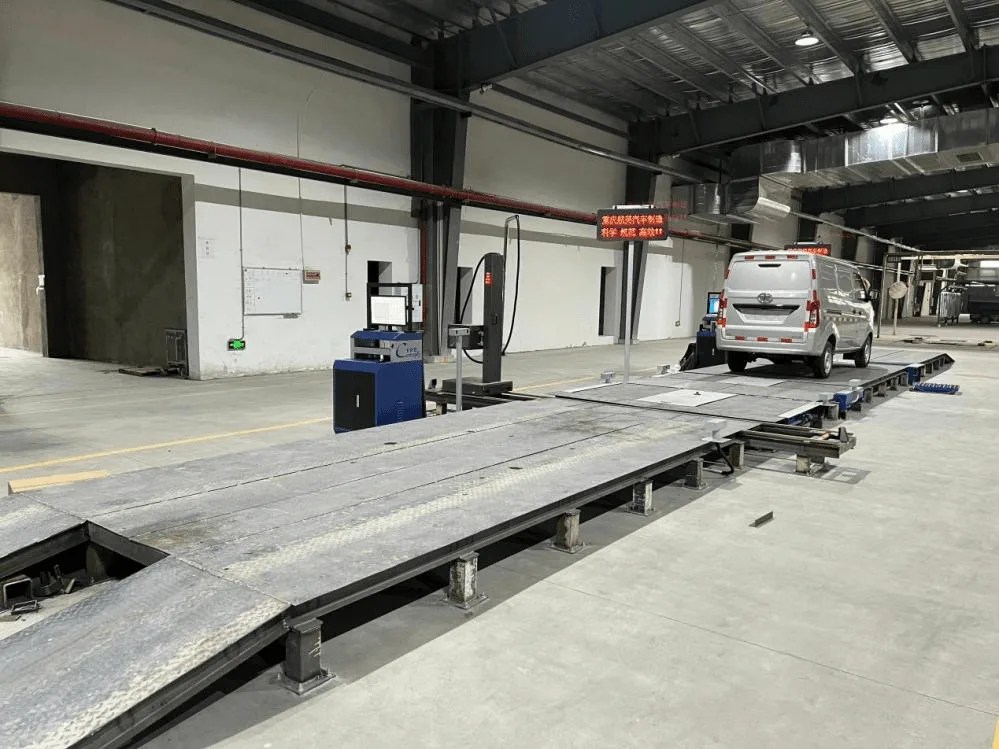
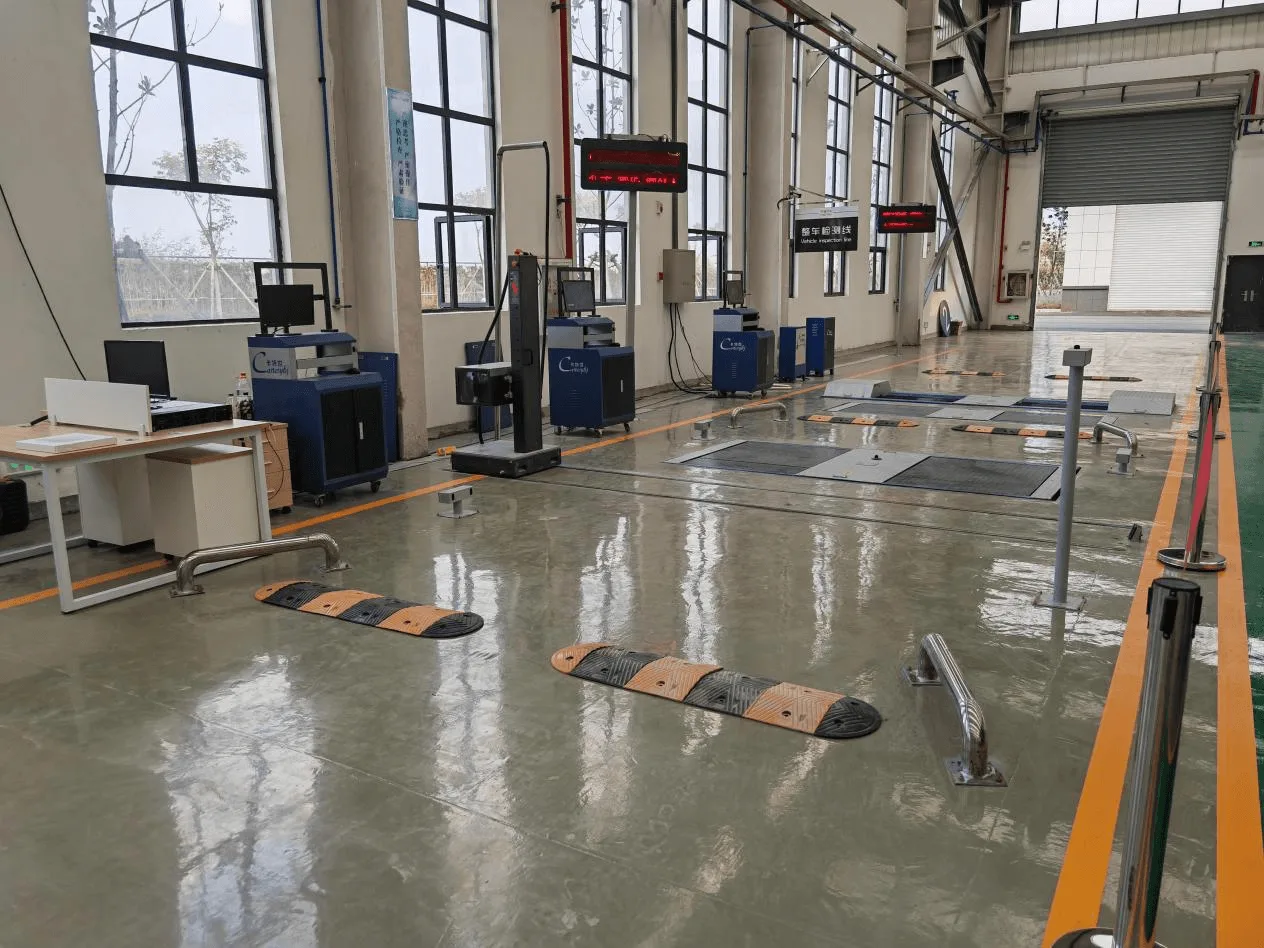
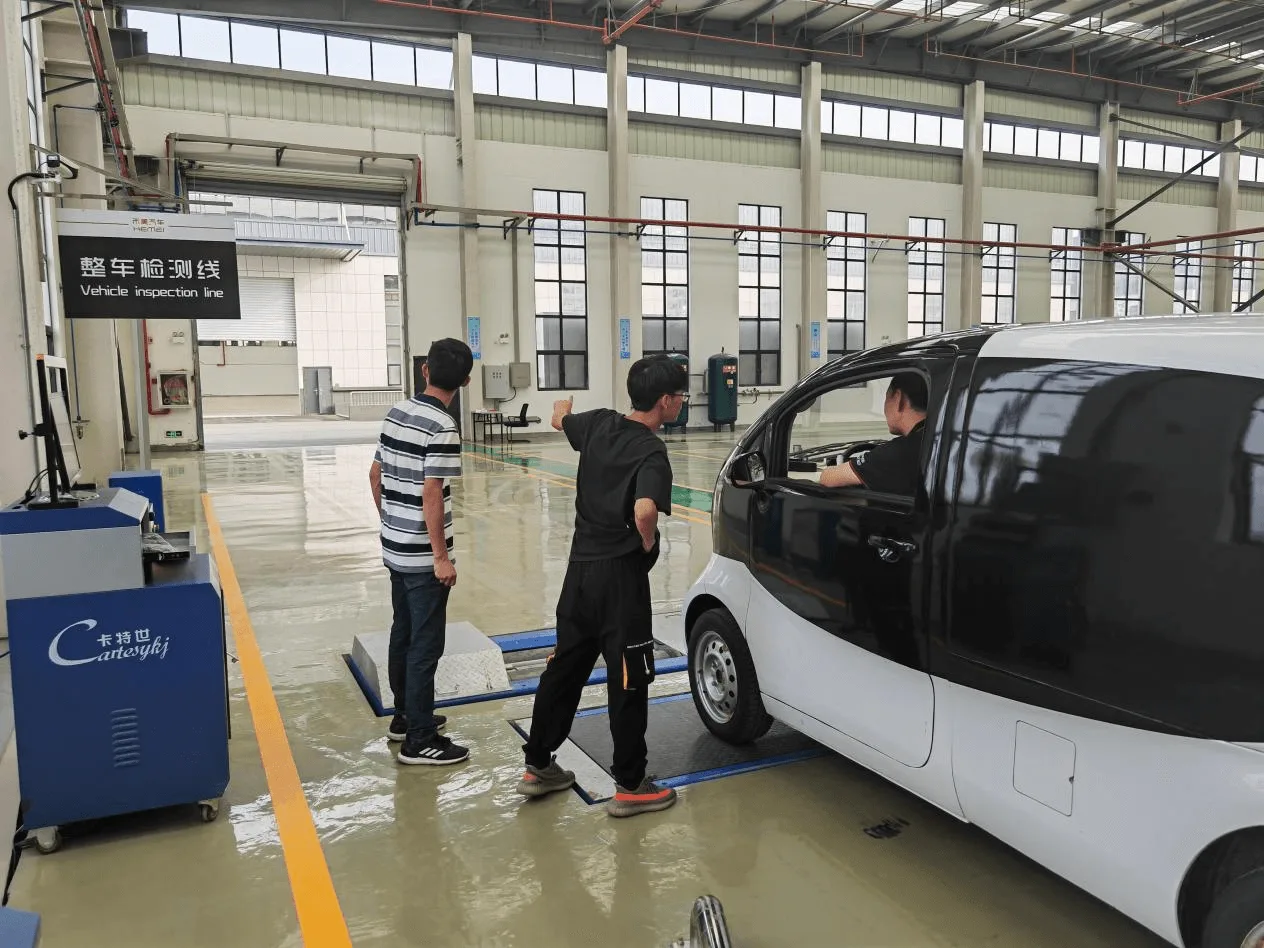
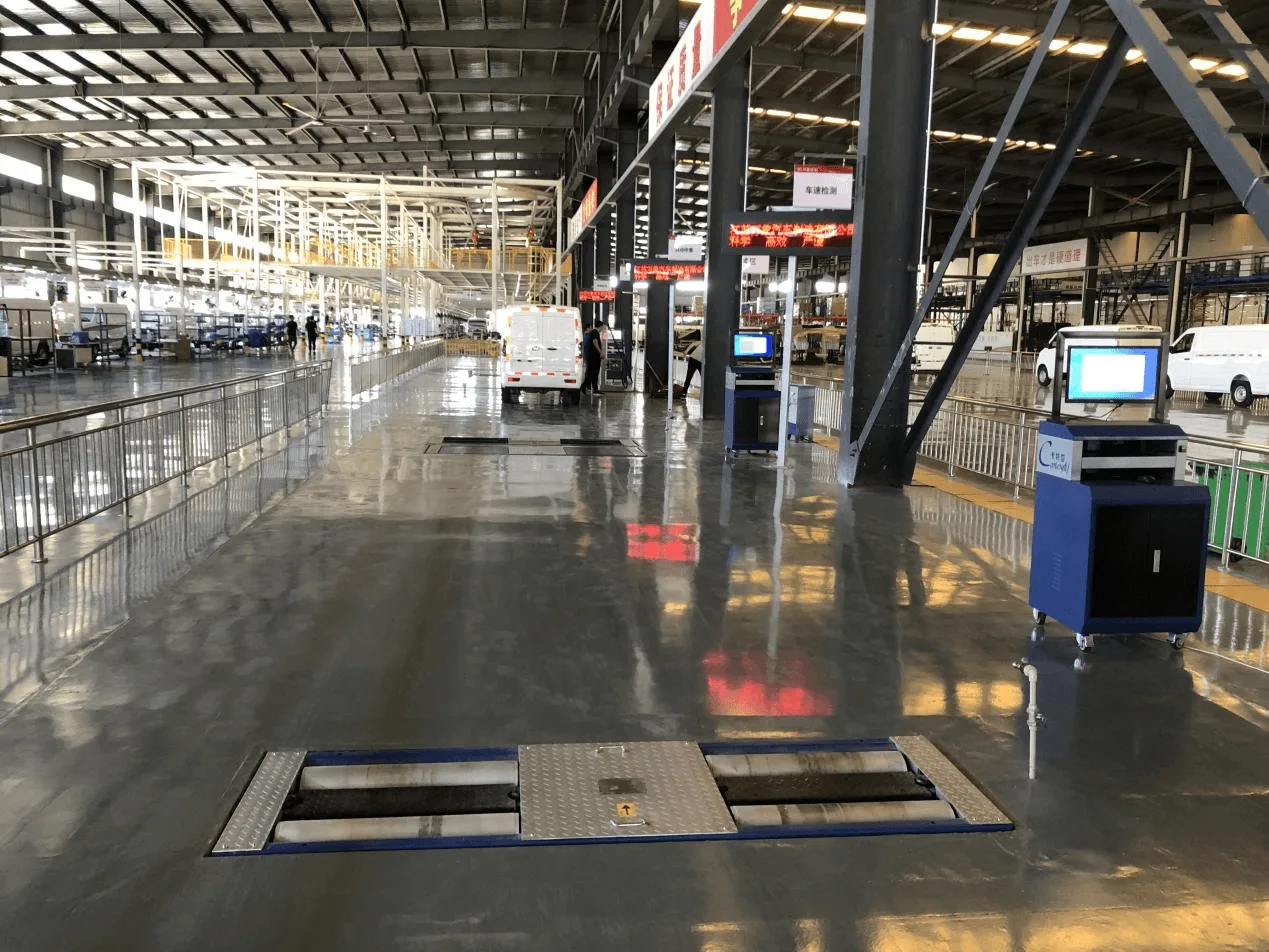
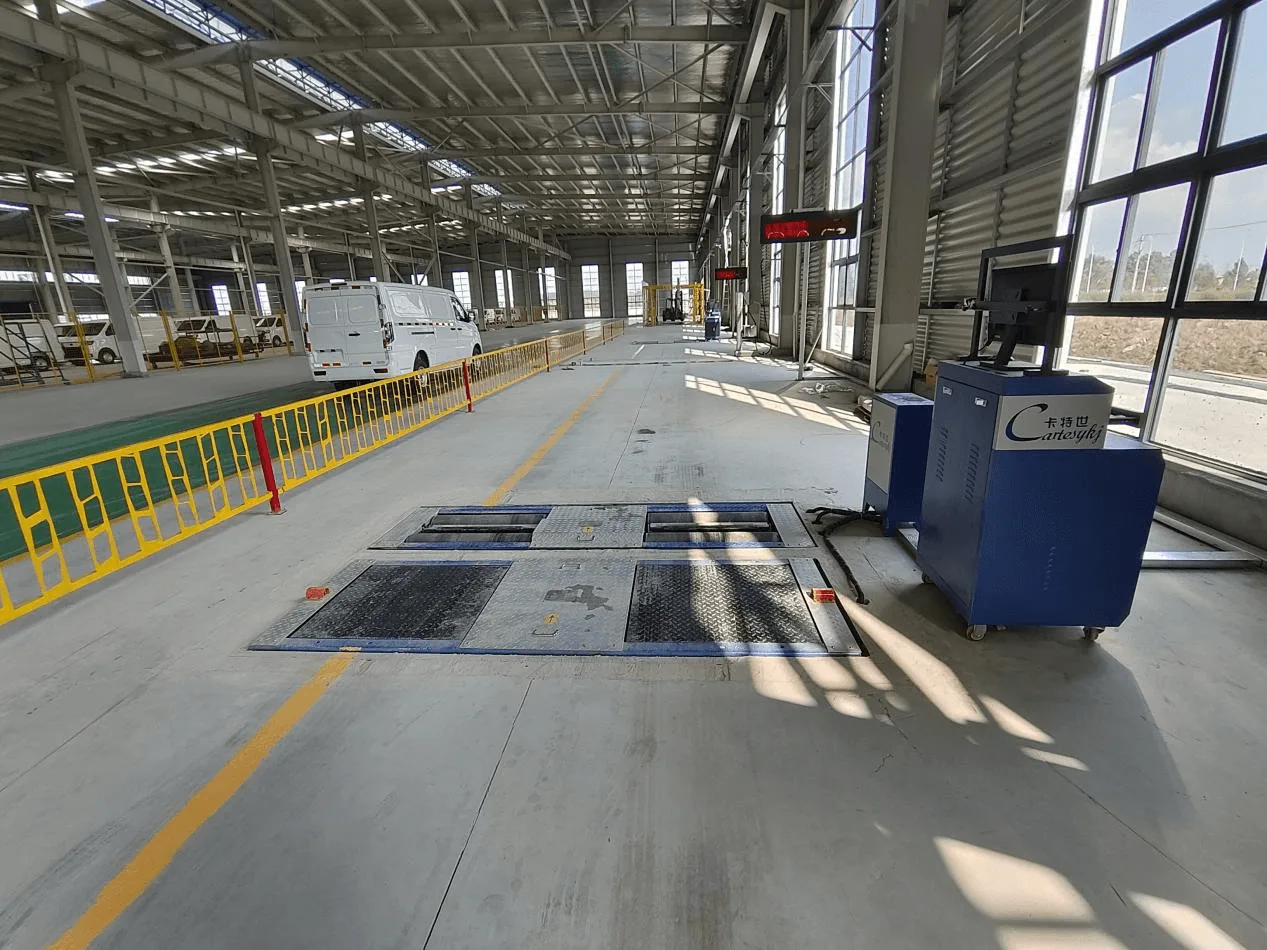
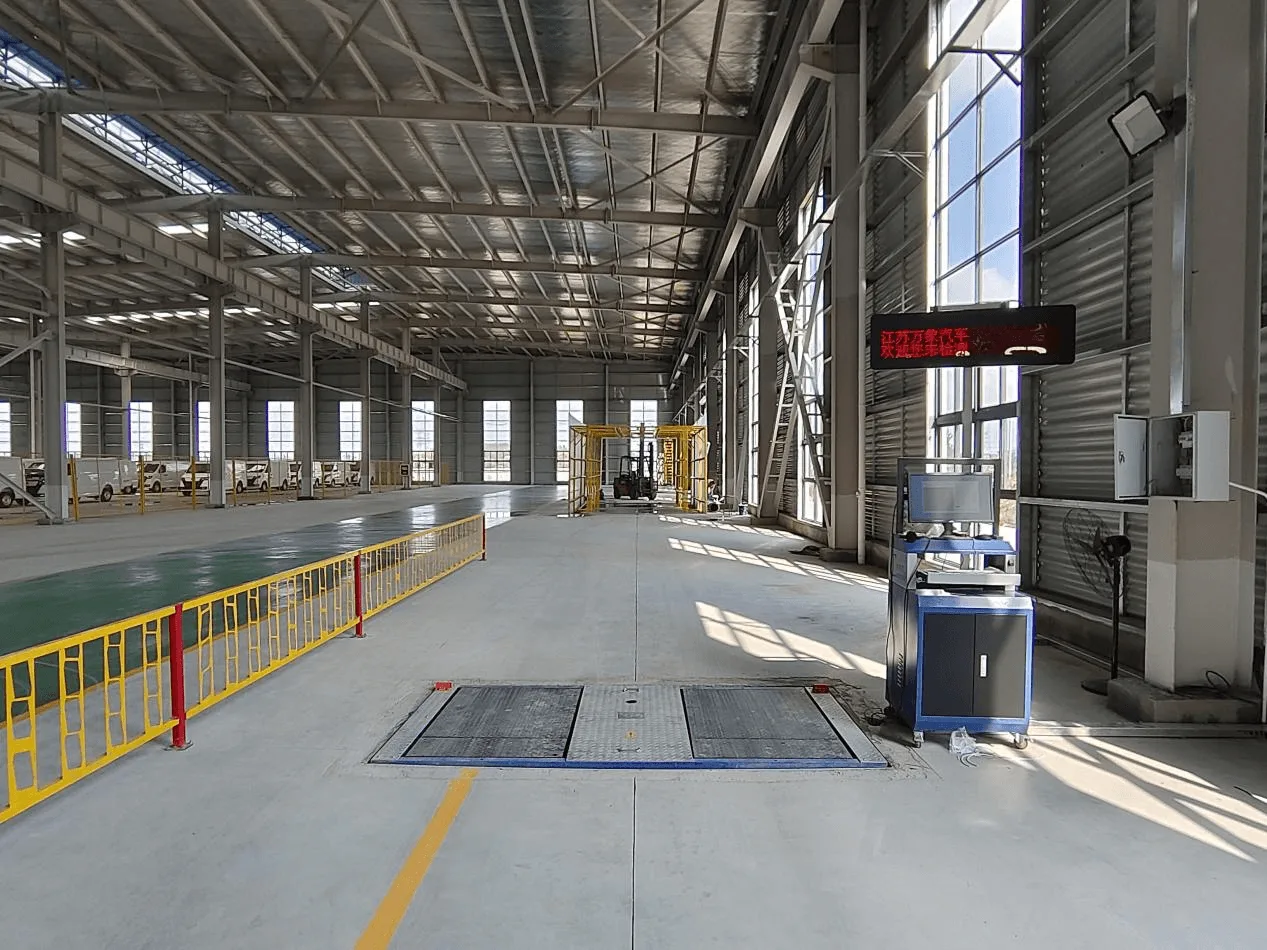
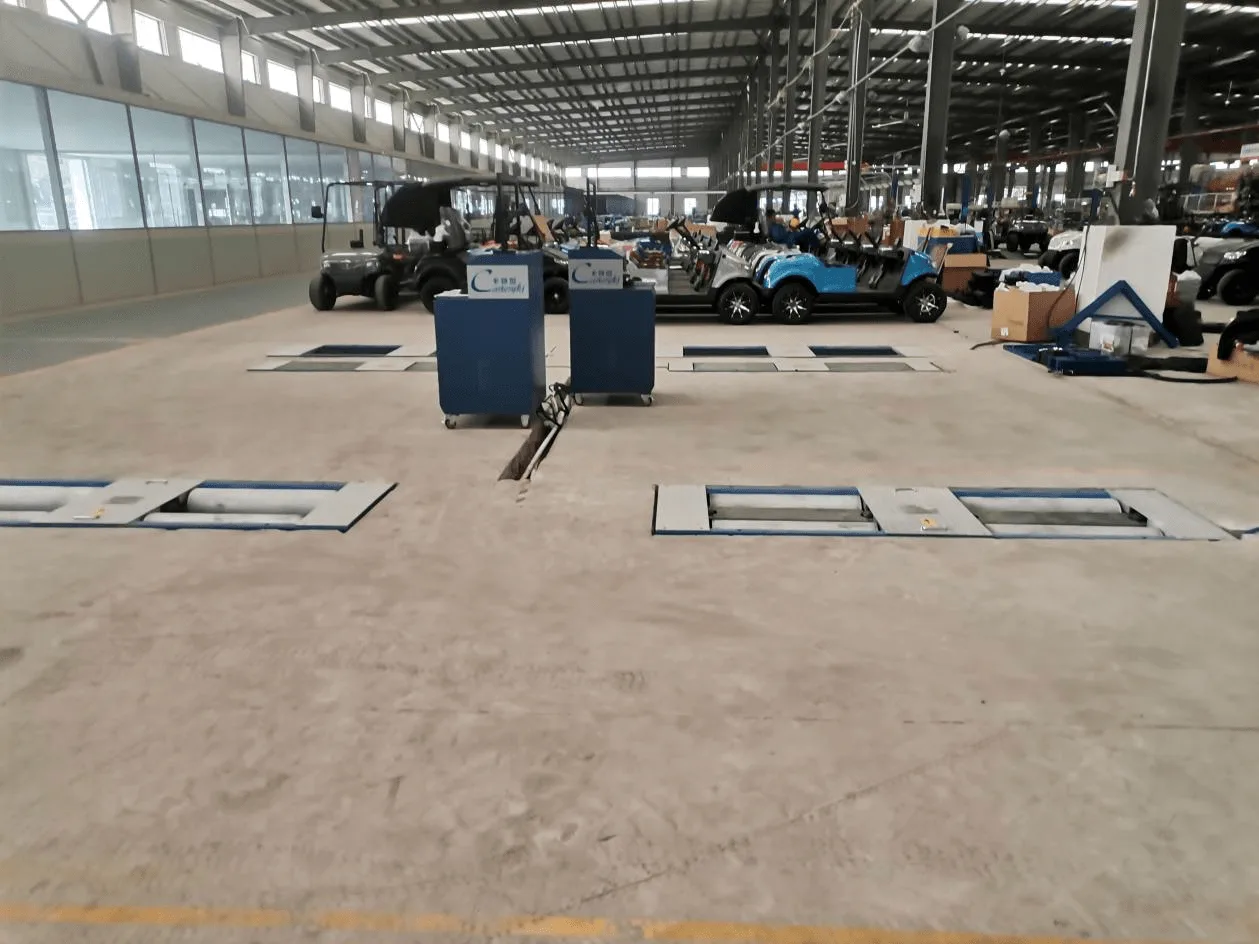
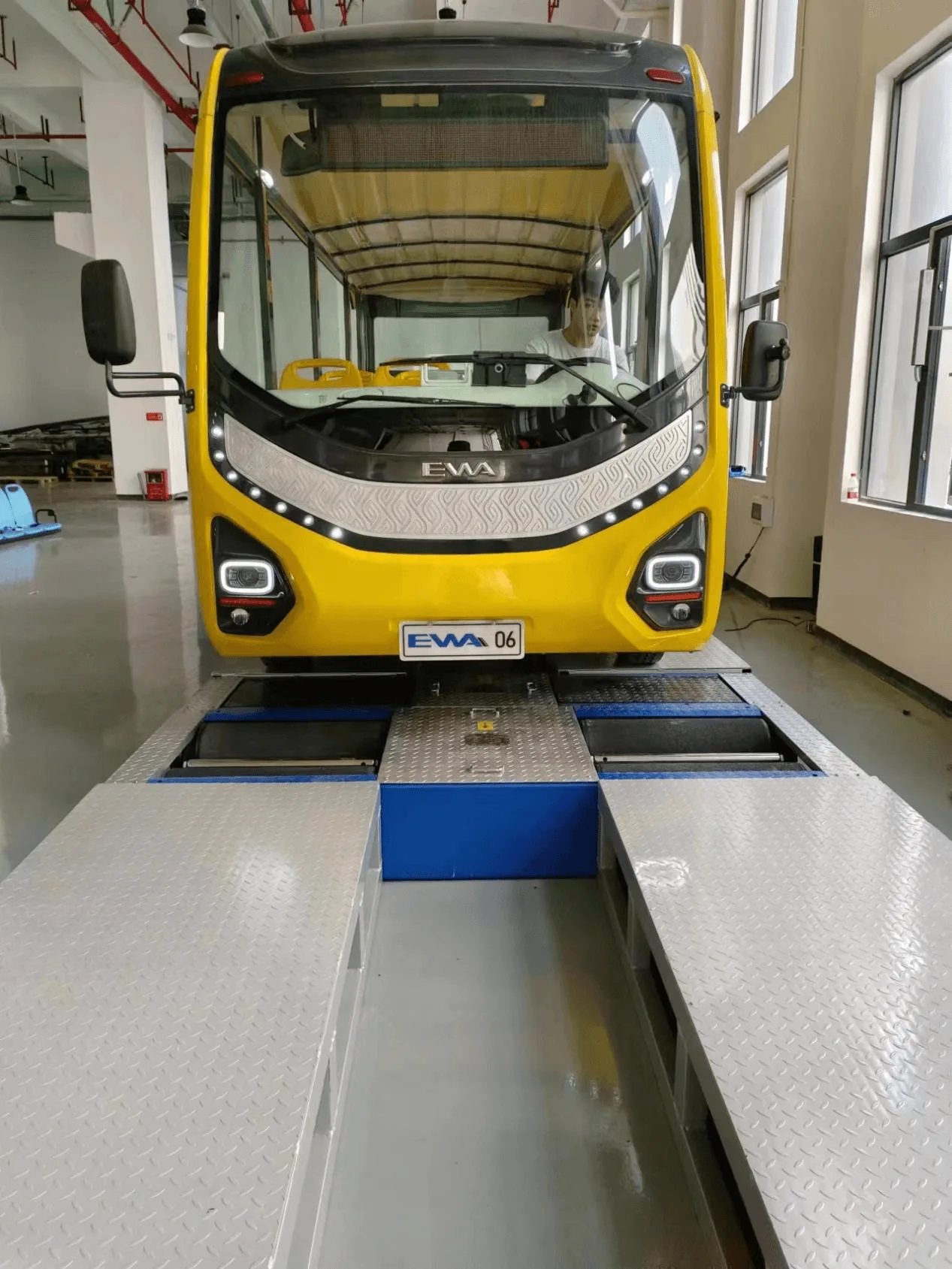
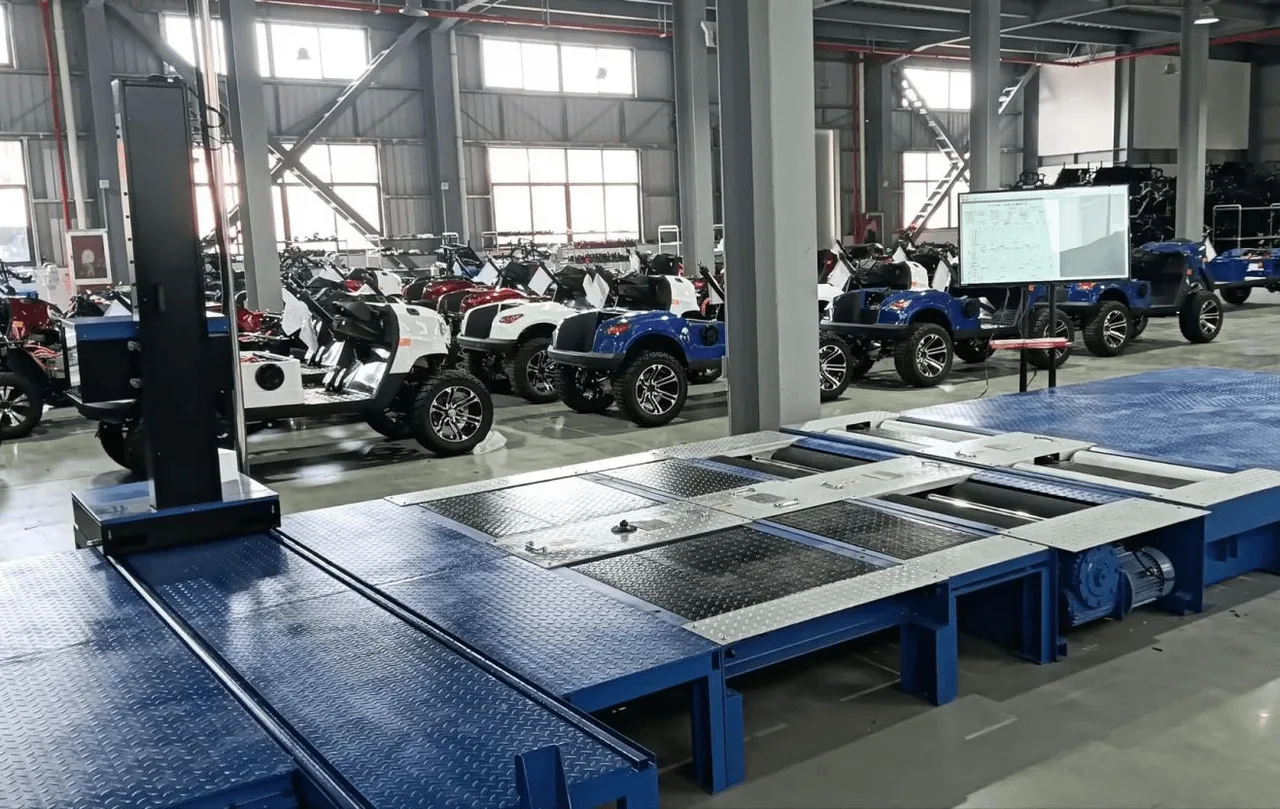
3 Ton EV Vehicle Inspection Line with 3D Alignment
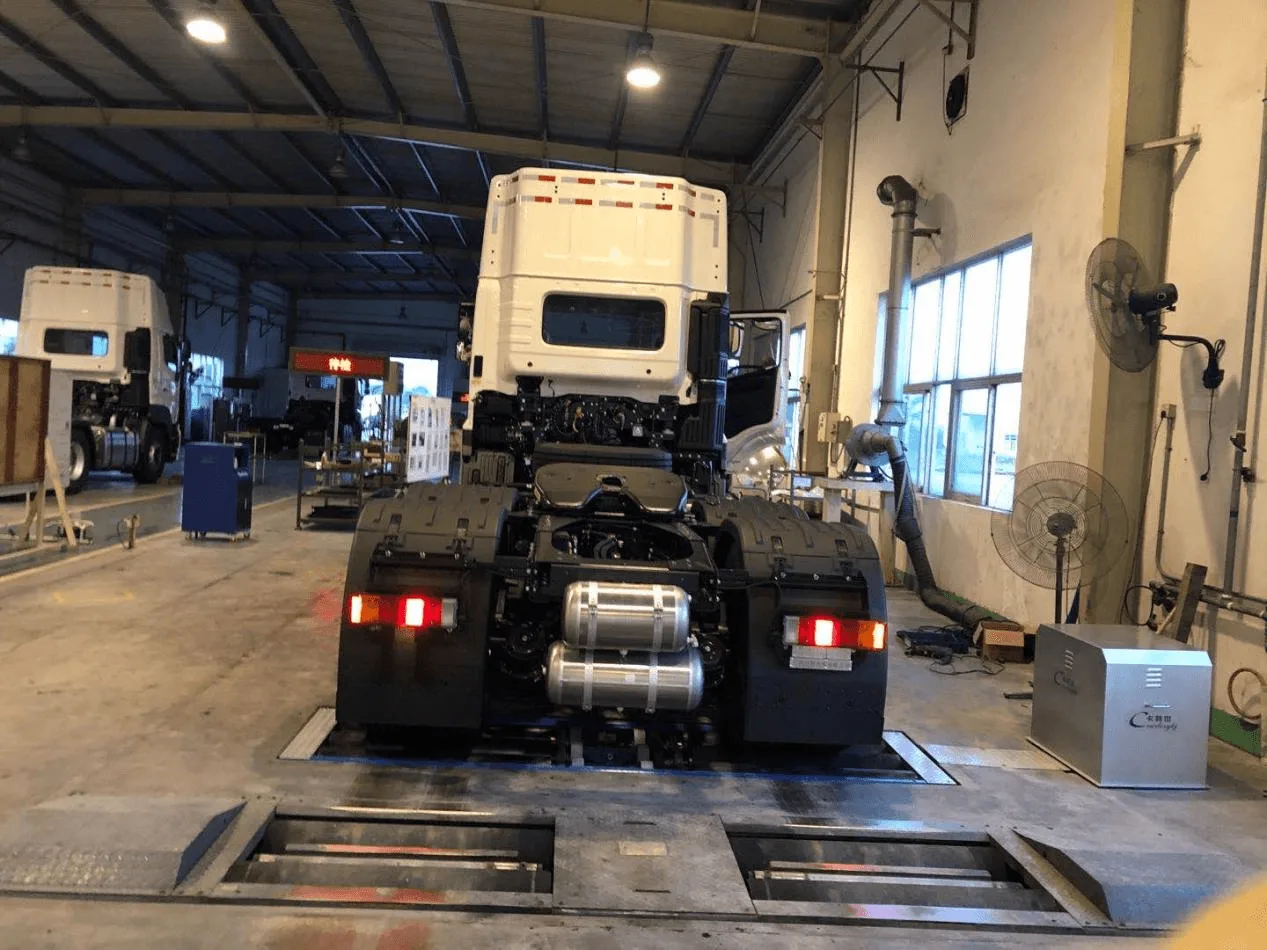
A high-performance vehicle inspection line for New Energy Vehicles (NEVs) requires specialized engineering to manage heavy battery packs, instant torque delivery, and complex electronic systems. Our automated testing.
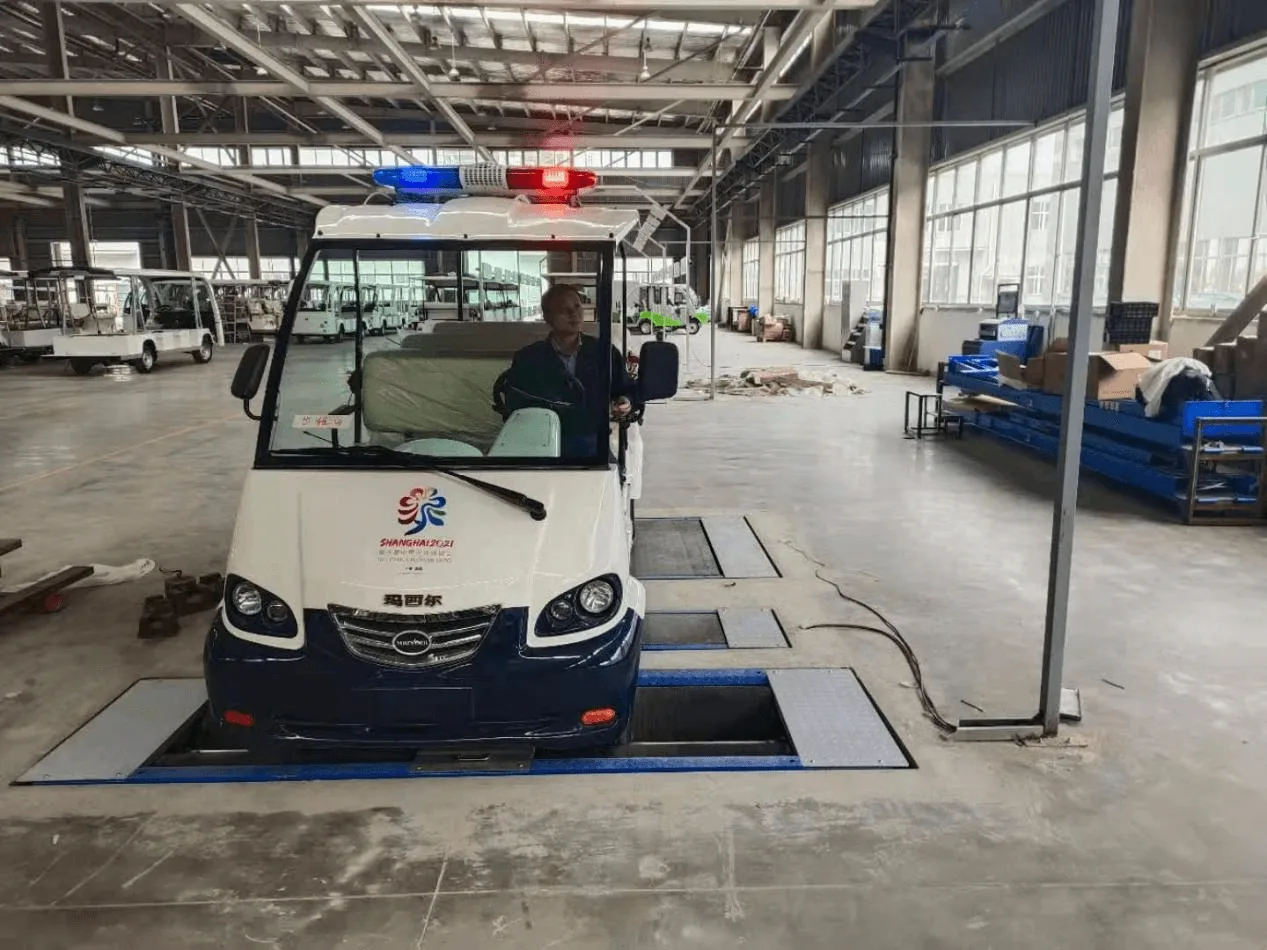
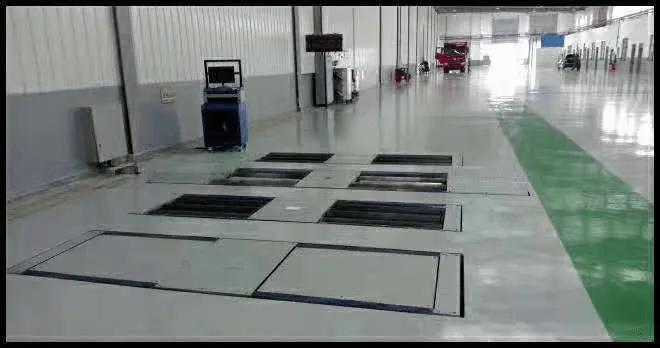
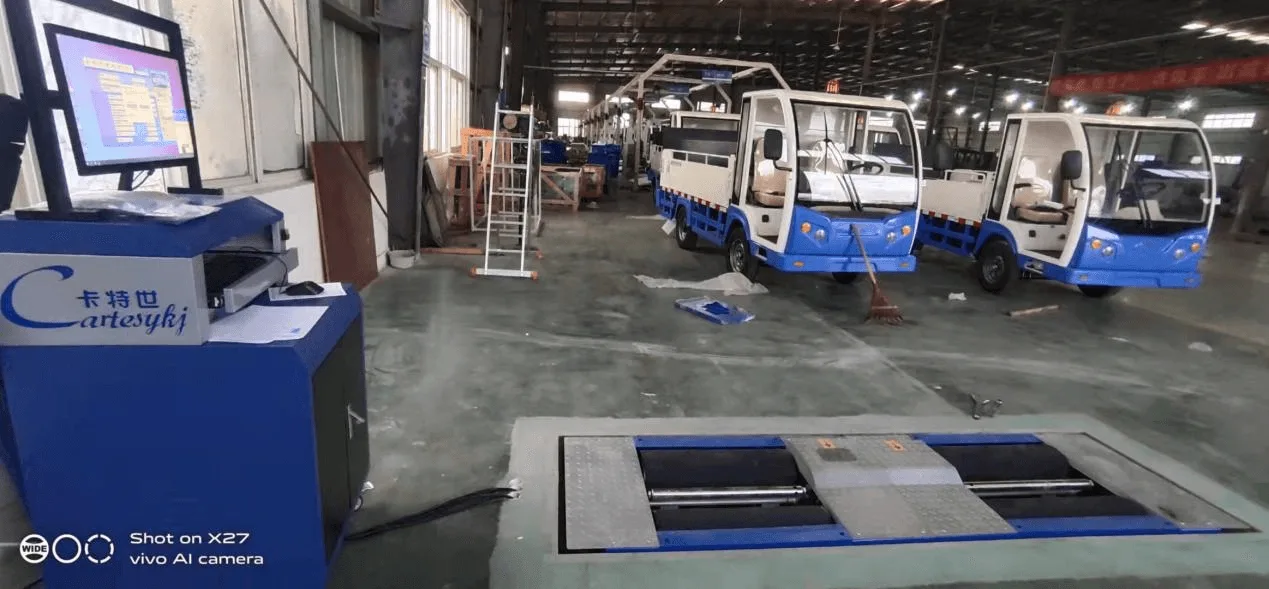
The Core Components of an NEV Inspection Line
A high-performance vehicle inspection line for New Energy Vehicles (NEVs) requires specialized engineering to manage heavy battery packs, instant torque delivery, and complex electronic systems. Our automated testing systems deliver factory-grade precision, fast cycle times, and full regulatory compliance for modern electric vehicle assembly plants and inspection stations.
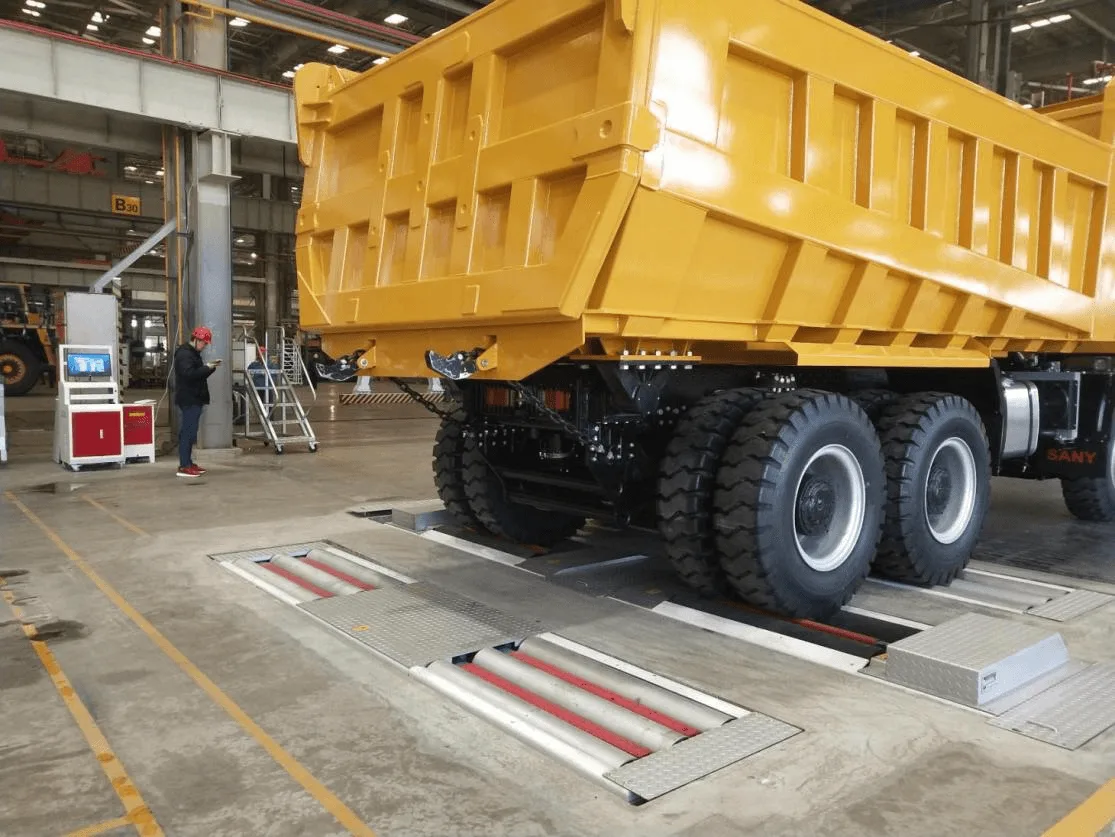
Brake Tester (Model: CTFZ-3C)
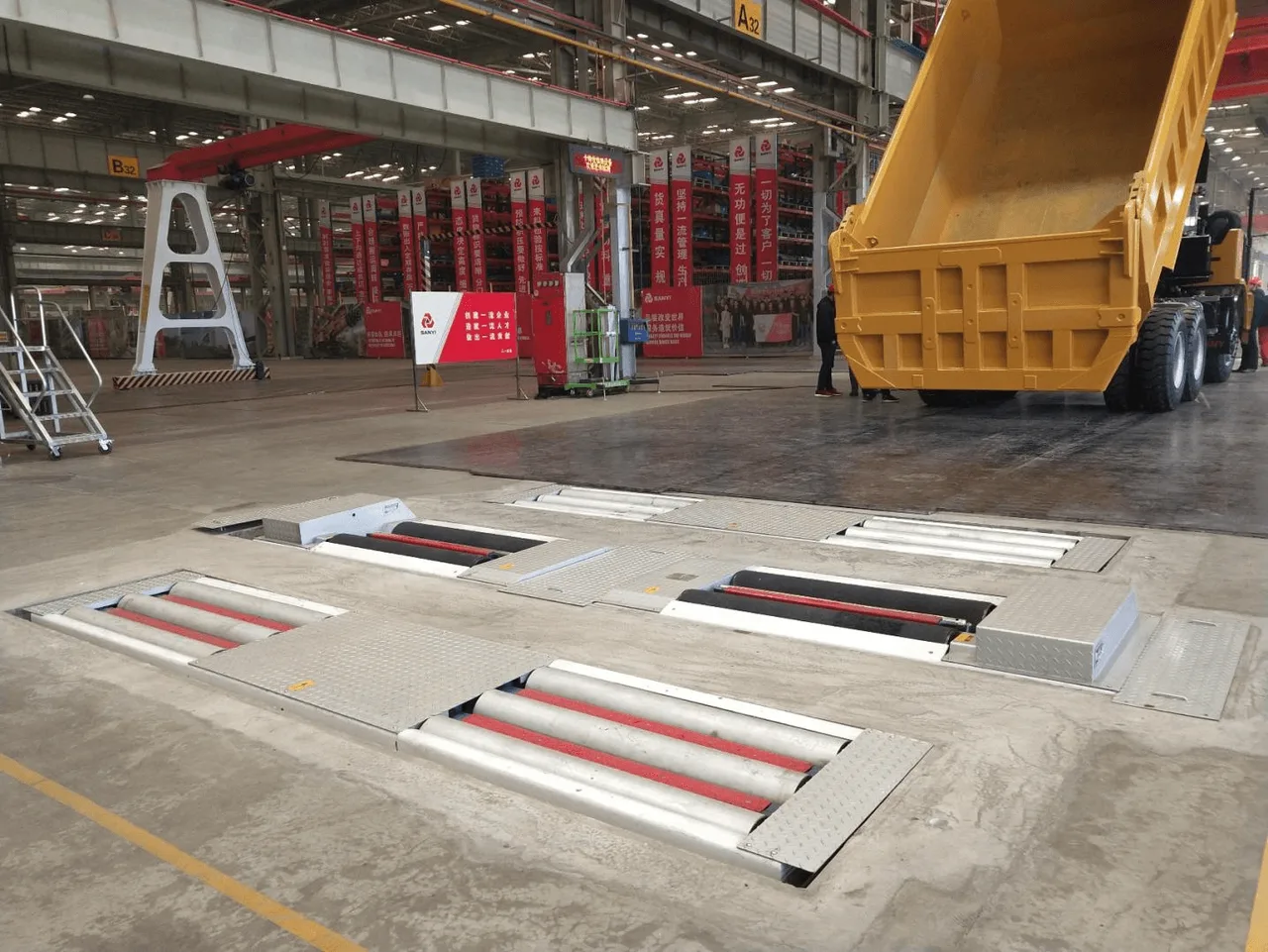
The CTFZ-3C brake tester evaluates dynamic braking performance, brake force distribution, and ovality with laboratory-grade accuracy. Designed specifically for the higher axle weights of modern electric vehicles, it delivers reliable data under heavy mechanical stress.
Corundum-Coated Rollers: High-friction surface coefficient ensures maximum tire grip, even under wet-testing conditions.
Instant Torque Management: Advanced algorithms account for regenerative braking resistance during assessment.
Automatic Roller Lock: Integrated motor-drive locking allows smooth, damage-free drive-out after test completion.
Core Metrics: Measures maximum brake force, left-to-right imbalance, and rolling resistance in real time.
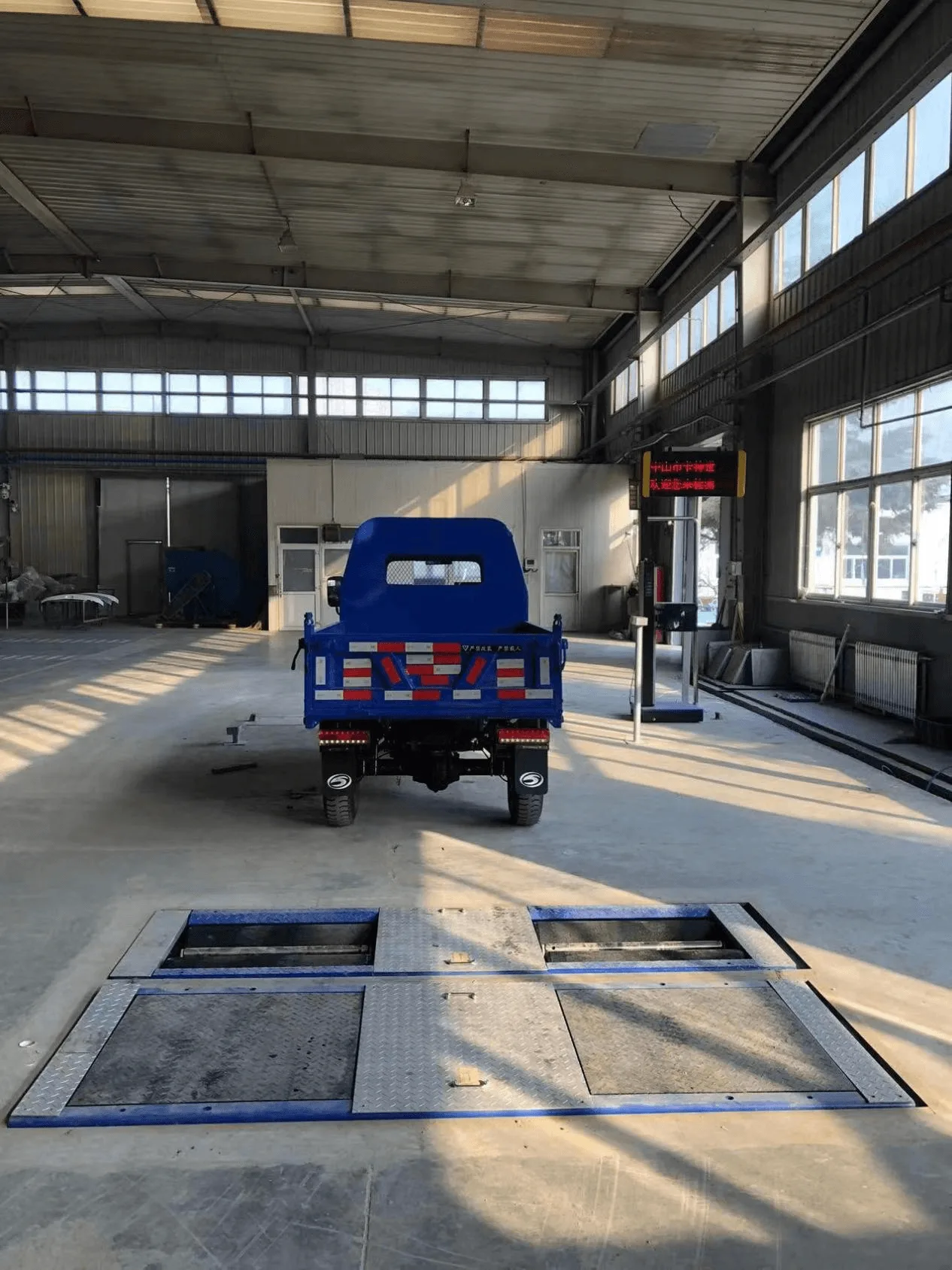
Wheel Load Tester (Model: CTZZ-3C)
Chassis balance and battery pack placement demand exact weight monitoring. The CTZZ-3C Wheel Load Tester measures static axle and wheel weights to verify structural integrity and center-of-gravity distribution across the chassis.
High-Precision Strain Sensors: Industrial load cells capture micro-variations across individual wheel assemblies.
Reinforced Steel Platform: Engineered to withstand sustained 3-ton to 10-ton axle configurations without deck deformation.
Smart Diagnostics: Automatically calculates axle load ratios and cross-weight percentages for high-voltage platform stability.
Vehicle Speedometer Tester (Model: CTCS-3C)
Precision speed calibration is vital for electric vehicle drive motors and software-defined displays. The CTCS-3C Vehicle Speedometer Tester benchmarks vehicle dash speedometers against true rotational speed.
Pneumatic Lift Plate: Integrated lift mechanism eases vehicle drive-in and drive-out while securing tire placement.
Dynamic Pulse Encoders: Delivers rapid, high-resolution velocity detection up to standard highway ratings.
Safety Restraint Interlocks: Built-in safeguards protect drivetrain motors and ABS sensors during continuous rotation cycles.
Vehicle Side Slip Tester (Model: CTCH-3C)
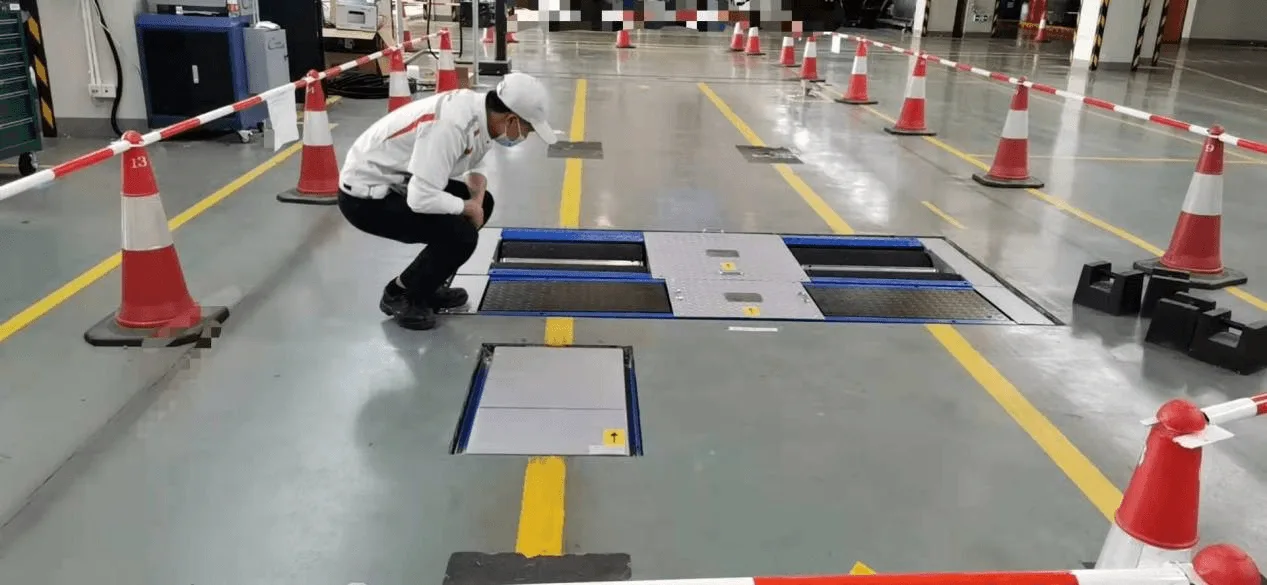
Proper wheel alignment reduces rolling resistance, protects tire longevity, and maximizes EV battery range. The CTCH-3C Vehicle Side Slip Tester checks dynamic wheel toe-in and camber as the vehicle drives across the platform.
Relaxation Plate Design: Releases tire tension before measurement to eliminate false lateral force readings.
High-Sensitivity Sensor: Instantly measures millimeters of lateral movement per kilometer traveled.
Immediate Pass/Fail Logic: Rapid data relay integrates straight into the central inspection line management console.
Headlamp Tester (Model: MQD-6A)
Modern electric platforms use intelligent matrix LED and laser headlamp assemblies. The MQD-6A headlamp tester automates the alignment and intensity verification process with pinpoint visual accuracy.
Dual-CCD Tracking Camera: Fully motorized optical box auto-aligns with both low-beam and high-beam centers.
Advanced Photometric Sensor: Accurately maps luminous intensity, cut-off line position, and deflection angles.
Multi-Lighting Compatibility: Validates standard halogen, high-intensity discharge (HID), dynamic LED, and adaptive driving beam (ADB) units.
Sound Level Meter (HY-104A)
Because NEVs run virtually silent at low speeds, regulatory bodies mandate strict Acoustic Vehicle Alerting System (AVAS) performance, alongside interior cabin noise standards. The HY-104A delivers certified acoustic analysis directly on the quality assurance floor.
Class-1 Measurement Accuracy: Compliant with international acoustic testing standards, including UNECE R138 requirements.
Dual Monitoring Modes: Measures external AVAS safety warning sounds and verifies interior noise, vibration, and harshness (NVH) levels.
Digital Noise Filtering: Isolates factory background noise to ensure vehicle-specific decibel readings remain clean and repeatable.
Advanced 3D Four-Wheel Alignment (Model: 3D-KT-686)
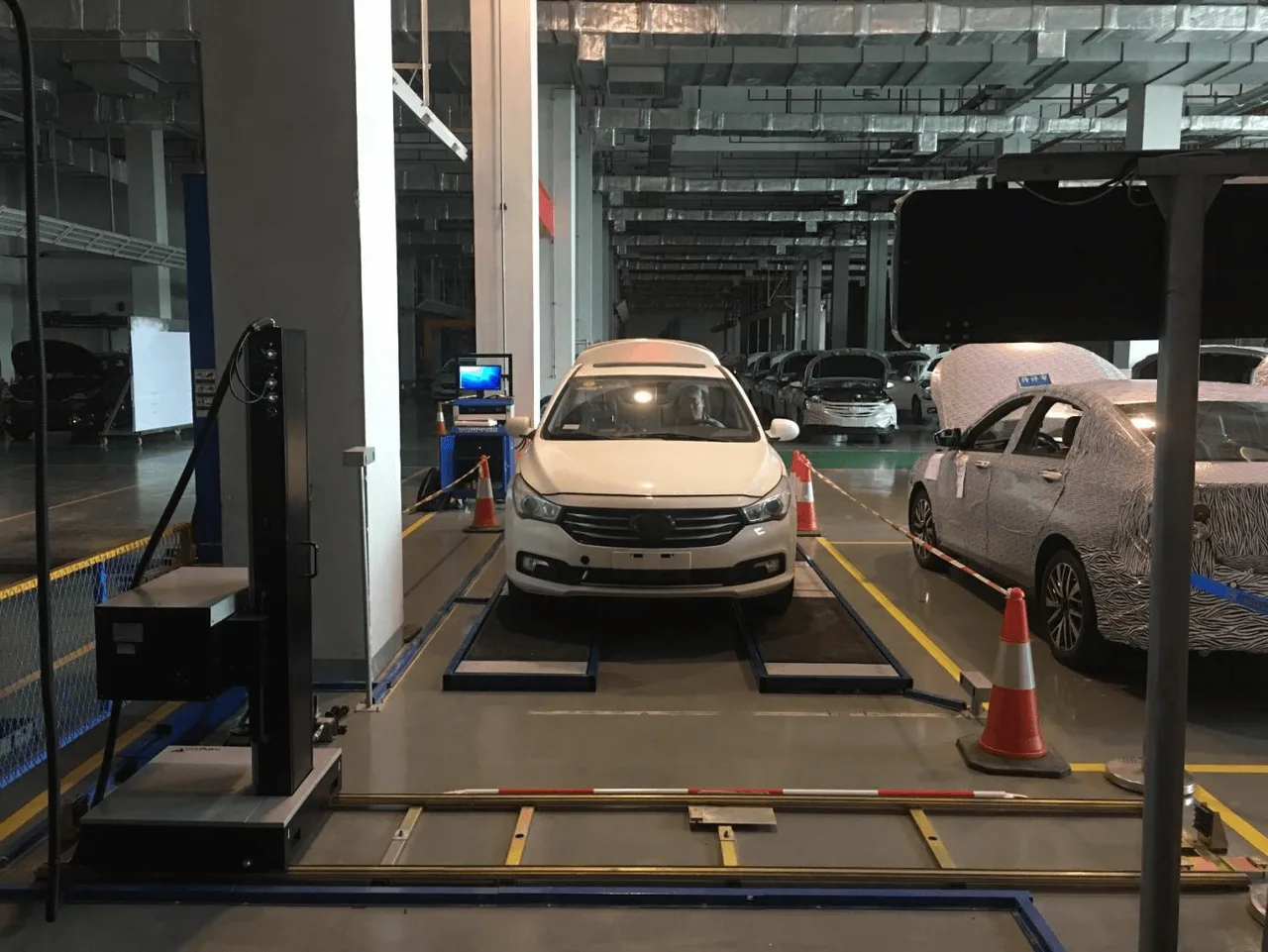
Chassis geometry defines road safety and battery pack clearance. We engineered the 3D-KT-686 wheel alignment system to deliver sub-millimeter precision without slowing down high-volume throughput. Built directly into our modern vehicle inspection line, this unit uses industrial-grade digital cameras and passive target plates to read complete chassis geometry in under two minutes.
Real-Time Precision Engineering
Electric vehicles feature heavier curb weights and lower centers of gravity, demanding tighter steering and axle geometry tolerances. The 3D-KT-686 tracks key alignment parameters simultaneously:
Camber and Caster: Dynamic monitoring eliminates uneven tire wear and steering pull.
Toe-In and Toe-Out: Continuous laser-guided optical tracking verifies straight-line tracking stability.
Thrust Angle & Kingpin Inclination: Identifies minor structural deviations and frame shifts instantly.
Seamless Line Synchronization
Chassis diagnostics work best when paired with verified axle weight metrics. Integrating this alignment system alongside our dedicated vehicle axle wheel load tester ensures that suspension load and wheel positioning are cross-referenced accurately.
No Electronic Components on Wheels: Durable target boards withstand daily plant abuse with zero drop-damage risks or cable clutter.
Automated Target Tracking: High-speed beam sensors adjust automatically to lift heights, letting technicians measure at floor level or full working height.
Instant Pass/Fail Feedback: Captured data streams straight into the central operating database, eliminating manual entry and maintaining high workstation turnover.
Key Specifications of the 3T EV Quality Assurance Line
Every electric vehicle demands strict testing parameters due to instant torque delivery, regenerative braking systems, and heavy battery configurations. We engineered our 3-ton electric vehicle inspection line to handle these exact demands, balancing heavy-duty mechanical endurance with sub-millimeter electronic accuracy. Our integrated EV inspection line hardware delivers rapid cycle times and dependable pass/fail verification directly on the production floor.
| Testing Module | Key Parameter | Technical Specification | Measurement Accuracy |
|---|---|---|---|
| Roller Brake Tester | Braking Force Range | 0 – 9,000 N per wheel | ±2% F.S. |
| Wheel Load Tester | Axle / Single Wheel Load | Max 3,000 kg per axle | ±1% F.S. |
| Vehicle Side Slip Tester | Dynamic Wheel Alignment | ±15 mm/m range | ±0.2 mm/m |
| Speedometer Tester | Speed Range | 0 – 120 km/h | ±1 km/h |
| Headlamp Tester | Luminous Intensity | 0 – 120,000 cd | ±10% (Optical axis: ±15') |
| System Throughput | Cycle Time per Vehicle | 60 – 90 seconds | Continuous 24/7 duty |
Performance & Installation Highlights
Pneumatic Lift Supports: Smooth vehicle entry and exit to safeguard low-clearance EV chassis and battery enclosures.
Corrosion-Resistant Rollers: Hard-coated corundum surface ensures high-friction grip in both dry and wet testing conditions.
Digital Signal Processing: High-speed CAN bus communication prevents electrical noise interference from high-voltage EV powertrains.
Standard Power Supply: 380V/50Hz (customizable 415V/480V for international plant standards).
Smart Software & Seamless Factory Integration
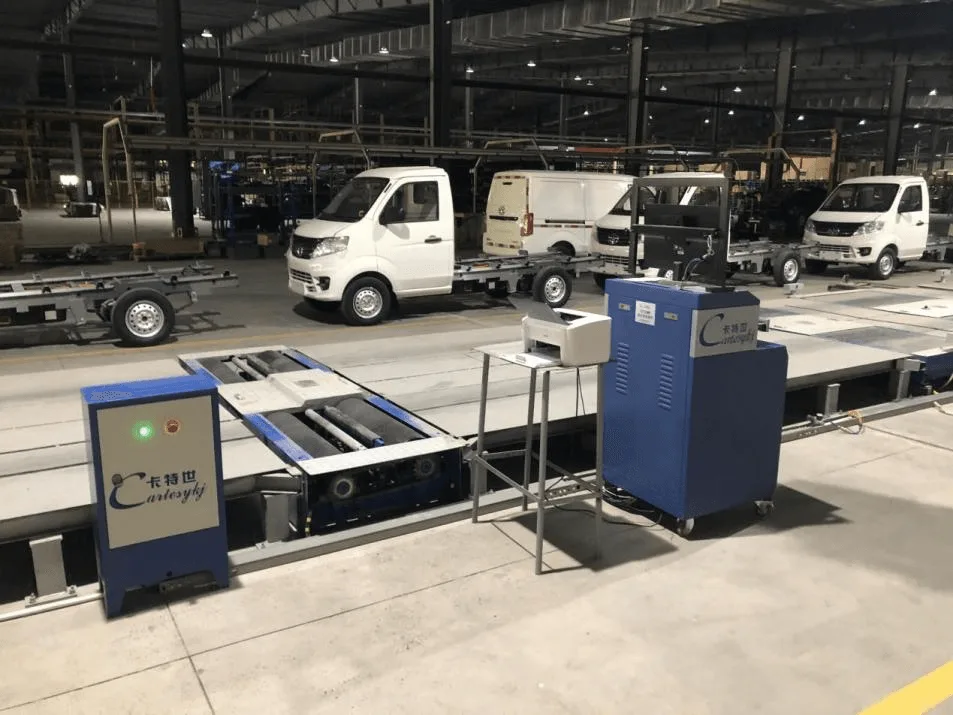
Hardware alone cannot run a modern plant. We designed our software platform to act as the central nervous system of your entire vehicle inspection line, turning raw test measurements into clear, actionable quality control data.
By eliminating manual data logging and operator bottlenecks, our platform synchronizes every bench in real time.
Real-Time Plant Connectivity
MES and ERP Integration: Direct API, OPC, and database communication protocols link testing benches straight into your factory execution system.
Automated VIN Tracking: Barcode and RFID scanners automatically pull vehicle specifications, configure bench parameters, and log results to the exact chassis number.
Instant Pass/Fail Analytics: Automated thresholds evaluate testing results against regional homologation standards in milliseconds.
Centralized Data Storage: Every test parameter—from axle weight to headlight aim—is backed up for full end-to-end traceability across our new energy vehicle manufacturing projects.
Key Software Capabilities
| Feature | Operational Benefit |
|---|---|
| Dynamic Calibration | Automated self-checks minimize downtime and ensure continuous sensor accuracy. |
| Custom Inspection Profiles | Switch test sequences instantly for different vehicle wheelbases, drive types, and load ratings. |
| Cloud & Local Archiving | Retain complete audit trails for regulatory compliance, warranty verification, and factory reporting. |
Our architecture removes guesswork from final quality gates, giving factory managers total visibility over line efficiency and vehicle safety.
Why Choose Cartesy as Your Vehicle Inspection Equipment Manufacturer?
Building a high-throughput vehicle inspection line requires rock-solid hardware, repeatable sensor accuracy, and frictionless software coordination. As a dedicated vehicle inspection equipment manufacturer, we build our testing benches and diagnostic systems to handle non-stop commercial cycles without drifting out of spec.
Whether you need a fully automated setup for a modern new energy vehicle inspection site or an adaptable upgrade inside a busy maintenance inspection workshop, our equipment delivers precise data on every single pass.
Core Manufacturer Advantages
| Strategic Advantage | Cartesy Manufacturing Standard | Operational Benefit |
|---|---|---|
| Integrated Production | In-house R&D, structural fabrication, and electronic assembly | Guaranteed hardware and software compatibility across the entire line |
| High-Duty Components | Reinforced steel frames, heavy-duty bearings, and anti-slip corundum coatings | Reliable 24/7 multi-shift operation with minimal mechanical wear |
| Sensor Precision | Industrial-grade digital load cells and high-resolution optical sensors | Instant, defensible test results that eliminate false failures |
| Modular Architecture | Plug-and-play communication protocols and standard footprints | Fast foundation installation and hassle-free future lane expansions |
Engineering Built Around Your Operation
Tailored Lane Layouts: We configure equipment spacing, roller widths, and axle weight capacities to fit your facility dimensions and target fleet mix.
Turnkey Calibration: Every unit leaves our factory pre-tested and calibrated, drastically cutting commissioning time so your lanes generate revenue sooner.
Global Standards Compliance: Our testing systems align with strict international safety and roadworthiness benchmarks, keeping your test results fully audit-proof.
Frequently Asked Questions (FAQ)
What is the cycle time for a vehicle on our inspection line?
A complete run across our vehicle inspection line takes approximately two to three minutes per unit. The automated sequencing system coordinates the roll-on and roll-off timings between the roller brake tester, side slip plate, and headlamp aligner, preventing production bottlenecks during high-volume end-of-line inspections.
Can this setup test both electric vehicles (EVs) and traditional ICE vehicles?
Yes. As an experienced vehicle inspection equipment manufacturer, we design our test bays with multi-axle weight compensation and software algorithms configured for regenerative braking profiles. This makes the equipment fully compatible with low-center-of-gravity battery EVs, hybrids, and traditional fuel platforms.
How does the system adapt to existing facility layouts?
We offer both pit-mounted and surface-mounted configurations to match your workshop floor specs. We regularly deploy customized line layouts across high-throughput vehicle maintenance operations and precision-driven automotive research test centers, supplying full civil engineering drawings prior to installation.
How does the inspection software handle factory data collection?
Our system integrates directly into your local plant network via standard API and industrial Ethernet protocols (OPC/Modbus). As soon as an axle leaves the test station, pass/fail metrics, wheel load measurements, and alignment logs upload automatically to your MES or ERP platform for real-time quality control and VIN tracking.
Conclusion & Call to Action
Setting up an efficient, modern testing facility requires machinery you can trust every single day. As a dedicated vehicle inspection equipment manufacturer, we engineer every complete vehicle inspection line to meet rigorous international safety standards while keeping vehicle throughput high and downtime low. Whether you are upgrading an existing lane or building a state-of-the-art facility for new energy vehicles, our modular testing systems—from high-accuracy dynamic rollers to integrated alignment units—deliver dependable diagnostic data in real time.
Investing in reliable testing hardware ensures your workshop or facility runs without bottlenecks:
End-to-End Compliance: Turnkey systems configured to match regional and global vehicle safety standards.
Streamlined Integration: Automated data collection connects seamlessly to your workshop management network.
Built for Durability: Heavy-duty components designed for continuous, high-volume testing cycles.
Ready to optimize your testing lane with high-performance diagnostic machinery? Reach out to our technical team today to request a custom equipment layout and a direct quote for your facility.
Project imagery