Project
Solution for Safety Performance Testing Equipment for New Energy Vehicles
A new energy vehicle safety inspection line should connect the required vehicle checks, battery assessments, and performance tests through a documented workflow. Each result needs to remain associated with the vehicle.
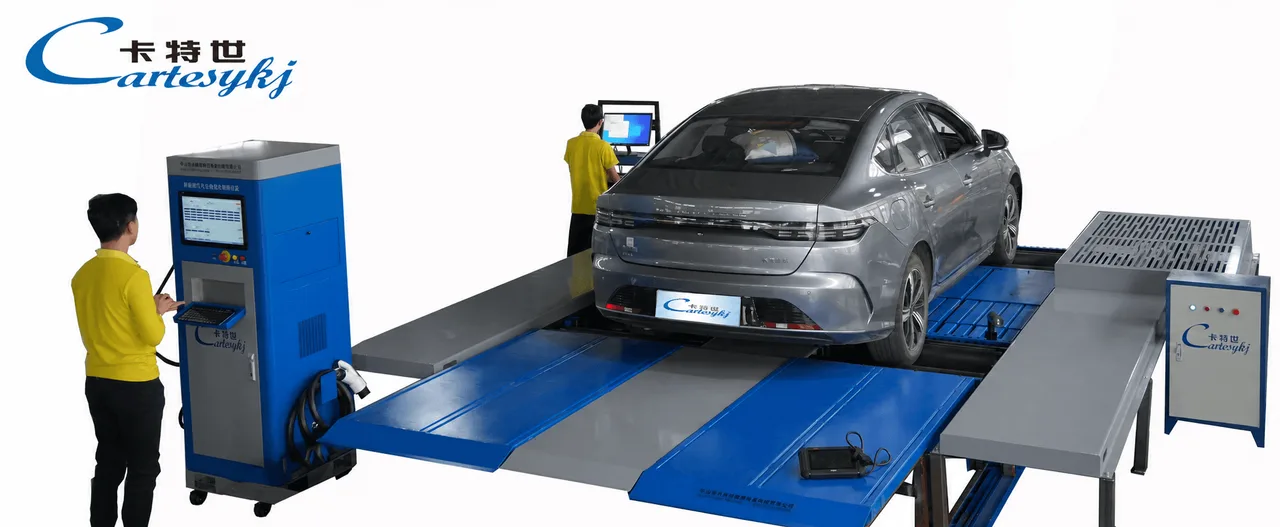
A new energy vehicle safety inspection line should connect the required vehicle checks, battery assessments, and performance tests through a documented workflow. Each result needs to remain associated with the vehicle or battery configuration, the method used, and the criteria applied.
The inspection scope should determine which functions belong in the standard workflow and which require a separate assessment. Battery-pack testing and dynamometer testing should be included when they answer a defined project requirement, rather than being treated as automatic requirements for every vehicle.
This article focuses on inspection and evaluation of battery-electric road vehicles. Facilities handling additional powertrain types should define their corresponding inspection requirements separately.
Define the Scope of Electric Vehicle Inspection
Electric vehicle inspection should begin with a clear statement of what the facility needs to establish.
The project may require specified mechanical checks, electrical assessments, battery-system information, or performance measurements. Each function provides a different type of evidence, and the proposed line should explain how that evidence will be obtained and interpreted.
| Part of the Solution | Defined Role | Information Required Before Configuration |
|---|---|---|
| Vehicle-level inspection | Assess the mechanical or electrical functions included in the inspection program. | Supported vehicles, test methods, equipment requirements, and acceptance criteria. |
| Battery assessment | Address a specified battery property or diagnostic question. | Supported battery configurations, testing arrangement, data sources, measurement methods, and limitations. |
| Dynamometer assessment | Evaluate defined vehicle-performance quantities under stated conditions. | Driven-wheel arrangement, operating modes, measurement functions, and test conditions. |
| Reporting and integration | Associate the results with the correct vehicle, component, and procedure. | Identification, data interfaces, calculation rules, report fields, and decision logic. |
The scope should distinguish routine inspection tasks from additional assessments selected for a particular purpose. For example, a battery-related concern may require a dedicated assessment that sits outside the normal mechanical inspection sequence.
That distinction helps the facility define the equipment, personnel, and reporting requirements for each part of the solution.
Organize the Line Around Supported Vehicle-Level Checks
The vehicle-level inspection should follow the selected program and the configurations the equipment is documented to support.
Depending on the project, this may include braking, wheel-load measurement, lighting, or other specified mechanical assessments. Electrical checks should be included where the property being assessed, the procedure, and the equipment requirements are clearly defined.
Each station should identify its direct measurements and any calculated results. Where a calculation depends on information from another station, the required input, units, and conditions should be documented.
Address the Vehicle’s Operating State
Electric vehicle controls and operating modes can be relevant to the test arrangement.
If the vehicle uses regenerative braking, the brake-testing procedure should identify whether the result concerns friction braking, combined braking behavior, or another specified assessment. Any required test mode should follow the relevant vehicle and equipment documentation.
The procedure should also establish the vehicle conditions needed for the selected measurement. The report should retain the information necessary to interpret the result and compare it with another assessment where appropriate.
Define Electrical Assessments Individually
An electrical assessment should identify the system or circuit being evaluated and the property the method is intended to establish.
The equipment documentation should support the proposed application, including its operating limitations and required vehicle conditions. The project should also identify the applicable instructions and personnel competence required for that assessment.
A result from one electrical check should remain associated with that check. It should not automatically become a conclusion about every electrical system on the vehicle.
Establish Where an EV Battery Pack Test System Fits
An EV battery pack test system belongs in the solution when the project requires a defined battery assessment that its documented configuration can perform.
The proposal should identify whether the assessment takes place with the battery installed in the vehicle or in a separately supported test arrangement. Those configurations are not interchangeable, and the term “battery pack test system” does not establish support for both.
Battery removal should not be assumed to be a routine step in the inspection line. The required arrangement must follow the assessment objective and the supported vehicle, battery, and equipment procedures.
Confirm the Assessment and Compatibility
The specification should identify the battery question being investigated and the evidence needed to answer it.
Relevant documentation should cover the supported vehicle or battery configurations, interfaces, operating ranges, and measurement methods. Compatibility with one battery design should not be extended to every vehicle platform without supporting information.
The proposed assessment should also be appropriate to the inspection objective. Production validation, service diagnosis, and inspection of vehicles in use have different purposes; their procedures should not be treated as interchangeable.
Separate Diagnostic Information From Measured Battery Properties
Battery-related results may come from retrieved vehicle information, calculated estimates, or measurements performed under a defined procedure.
The report should identify which type of information is being presented.
A state-of-charge reading describes the reported charge level at the time of assessment. It does not independently establish usable capacity or remaining service life. A battery-health estimate should be reported with its source, meaning, and limitations.
If the project requires a measured capacity assessment or another specific battery measurement, the method and required conditions should be defined separately. A diagnostic value should not be relabeled as an independent measurement without supporting evidence.
Use a Vehicle Dyno for a Defined Performance Assessment
A vehicle dyno can provide performance information where that function is part of the project.
The proposed configuration should identify the quantities measured directly, the outputs calculated from those measurements, and the operating modes supported by the system.
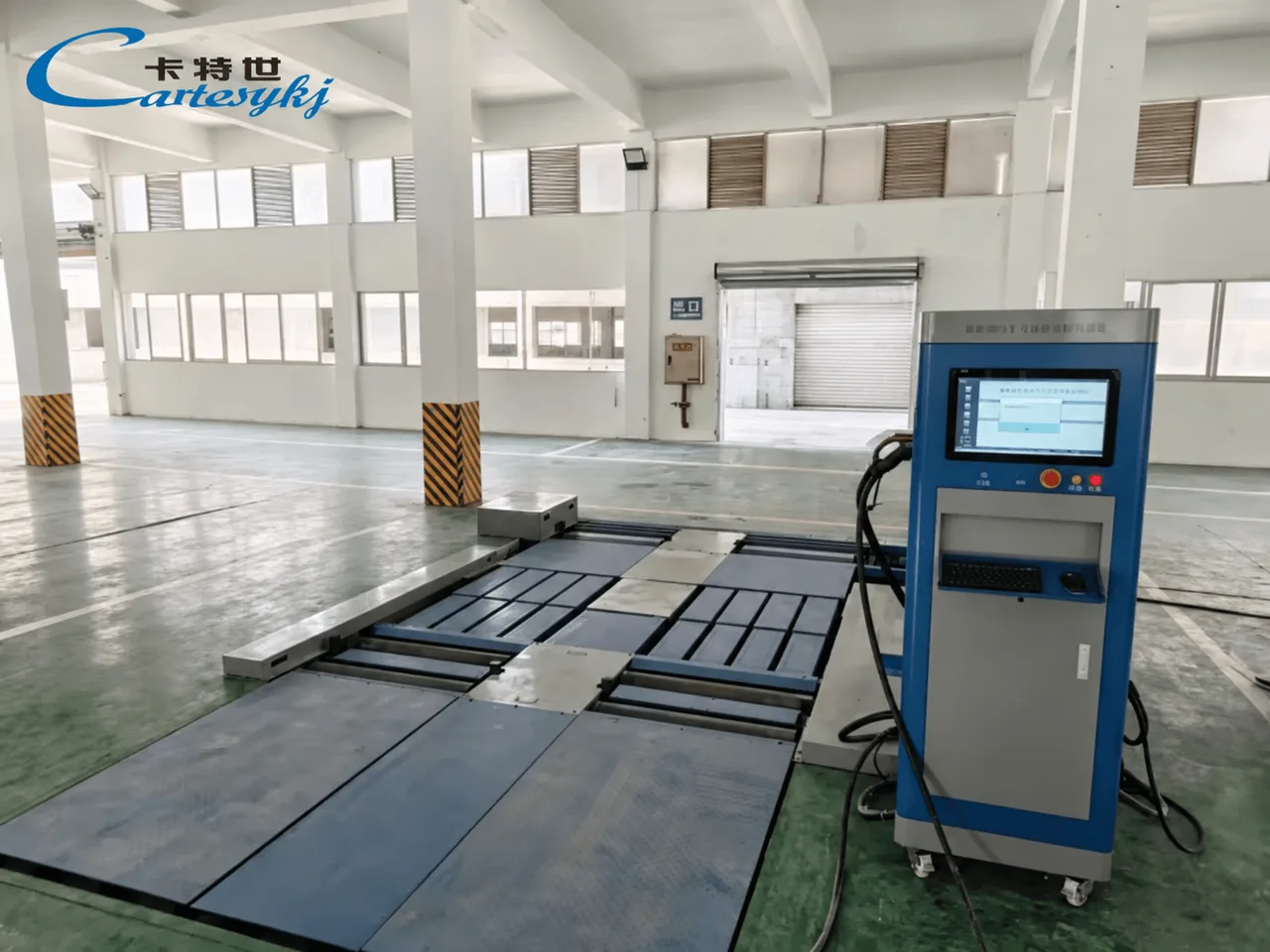
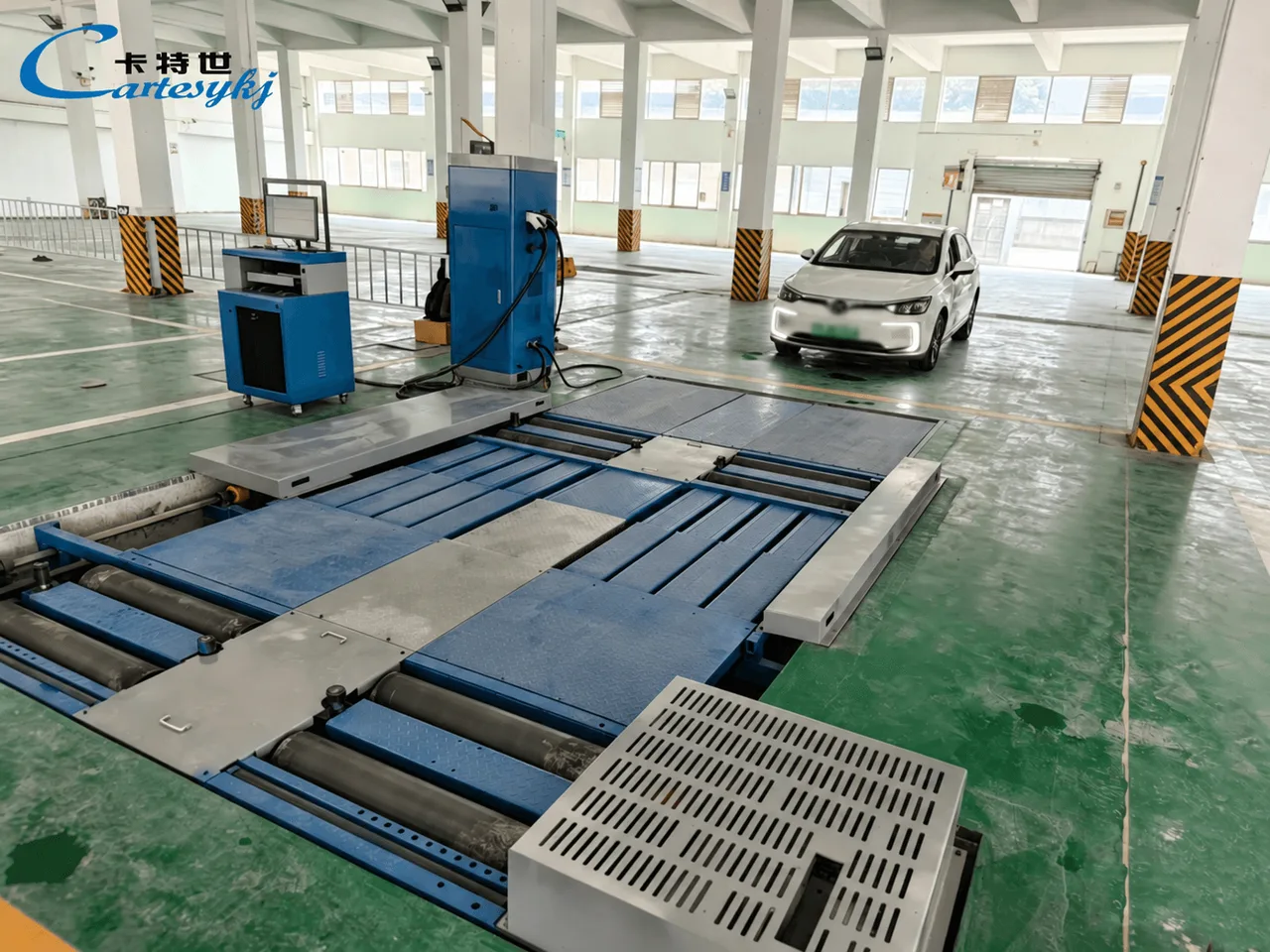
For a roller-based configuration, the vehicle’s driven tires interact with the rollers. The equipment must support the intended drive arrangement, relevant dimensions and loads, and the selected vehicle procedure.
Where the assessment involves driven wheels on more than one axle, the proposal should explain how the test system manages the required relationship between the axle stations. Compatibility should not be inferred from the equipment name alone.
Preserve the Meaning of Performance Results
A dynamometer result should identify the point at which performance is assessed.
Wheel-output data should remain distinguished from estimated motor-shaft output. Any correction or conversion needs a documented method and assumptions.
The vehicle state also matters to interpretation. Depending on the procedure, relevant conditions may include battery charge level, operating mode, available temperature information, and other settings that affect the assessment.
A performance result supports conclusions within those conditions. It does not independently establish battery health, electrical integrity, brake-system acceptance, or complete vehicle safety.
If regenerative-deceleration testing is proposed, its operating requirements and measurement scope should be confirmed separately. Propulsion-power testing capability does not establish suitability for every regenerative assessment.
Connect the Assessments Through a Consistent Workflow
The line should maintain a clear relationship between the vehicle, selected tests, results, and any additional assessment.
At entry, identify the vehicle configuration and applicable inspection scope. At each station, apply the supported procedure and record the relevant results. Where an unresolved question requires further assessment, document that question and the method selected to investigate it.
The physical sequence should follow the equipment and vehicle procedures. A reporting workflow can connect the stages without assuming that every assessment takes place at the same station or follows a universal test order.
Keep Vehicle and Component Records Associated
Where a battery system or another component is assessed separately, its record should remain associated with the correct vehicle and configuration.
The documentation should identify the procedure used, the relevant conditions, and the equipment that produced the result. If findings are compared across assessments, the report should make clear whether the underlying configurations and conditions were comparable.
This is particularly useful when a vehicle-level inspection leads to a more focused battery or performance assessment. The additional result should answer the stated question without silently expanding the original inspection scope.
Verify the Data Integration
Shared reporting is a function to specify and verify.
Automatic identification, direct data transfer, synchronized measurement, and common report generation are different capabilities. The proposal should state which are included and which steps require operator input.
Connecting records does not, by itself, establish hardware compatibility or automatic test control. The system documentation should explain how each instrument contributes data and how that data is interpreted.
Make Inspection Statuses Clear in the Report
A consolidated report should preserve both the results and the limits of the assessment.
Direct measurements, retrieved vehicle information, calculated values, and manual observations should remain distinguishable. Each acceptance decision should identify the applicable criterion and the supporting evidence.
The reporting structure should also keep different assessment statuses separate
| Status | Meaning Within the Defined Inspection |
|---|---|
| Passed | The completed assessment met the applicable criteria. |
| Failed | The completed assessment did not meet the applicable criteria. |
| Not assessed | The item was not evaluated. |
| Not applicable | The item was outside the applicable scope for the identified vehicle or procedure. |
| Incomplete | The assessment did not produce a complete result under the required procedure. |
These statuses should follow the project’s reporting requirements. An omitted or incomplete test should not silently become a pass.
The overall inspection conclusion should reflect the actual scope and the rules of the selected program. Combining results in one document does not extend what was assessed.
Establish Requirements for the U.S. Application
For a U.S. facility, identify the intended use, relevant vehicle categories, and applicable project requirements before assigning pass/fail limits.
The line may support a named inspection program, a customer specification, or an internal evaluation procedure. That basis should be documented alongside the test methods and reporting requirements.
Equipment capability and project acceptance should be evaluated separately. A supplier’s product description may identify a proposed function, but acceptance for the intended use requires the relevant supporting evidence.
Where approval by a program administrator or another responsible body is required, establish that process before relying on the installation for the application.
Ask the Manufacturer to Define the Complete Supply Scope
A vehicle inspection equipment manufacturer should provide a proposal that connects the intended inspection tasks to specific equipment, software, and procedures.
The proposal should identify the supported vehicle configurations, routine line functions, additional battery assessments, dynamometer capabilities, and data interfaces. It should also distinguish included functions from optional equipment or separately supplied services.
Request the relevant installation, calibration, operating, and maintenance documentation, together with sample reports. Where several systems contribute to the solution, define who is responsible for integration and verification of the complete workflow.
A demonstration or acceptance test should use agreed vehicles and procedures representative of the intended application. Review the measurements, data transfer, decision logic, and final report as one documented process.
A practical new energy vehicle safety inspection line makes the role of each assessment clear. Connecting supported vehicle checks, defined battery and performance assessments, and traceable reporting provides a sound basis for evaluating the complete testing solution.
Project imagery