Project
Proposal for New Energy Vehicle Charging and Electrical Safety Testing Equipment by Cartesykj
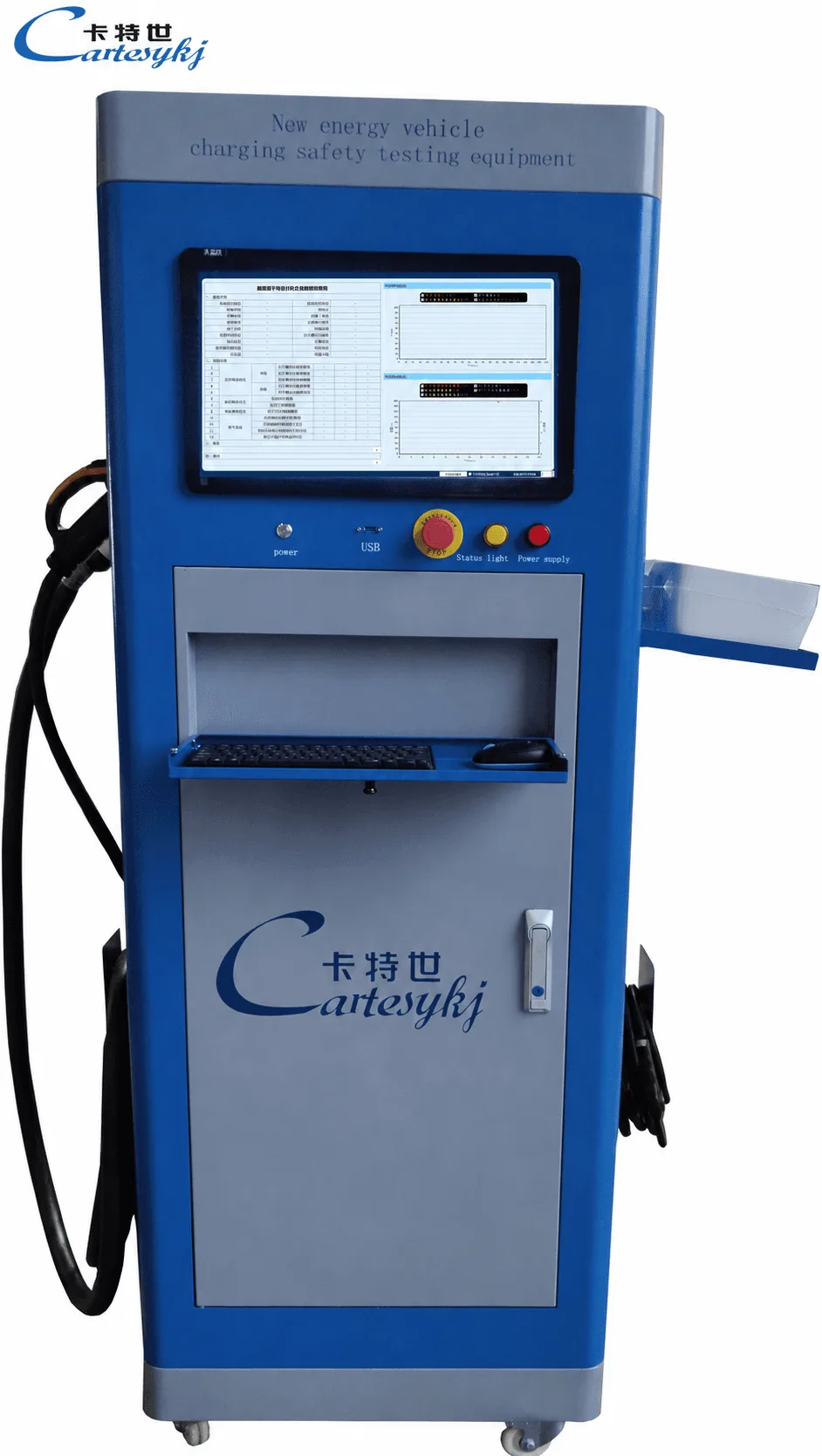
Electric vehicle testing equipment should be configured around the questions an inspection facility needs to answer: how the vehicle performs in its required mechanical checks, which electrical properties have been.
Electric vehicle testing equipment should be configured around the questions an inspection facility needs to answer: how the vehicle performs in its required mechanical checks, which electrical properties have been assessed, and what battery or charging information has actually been obtained.
A complete testing solution connects those functions through documented procedures and an inspection record. Each result should identify what was assessed, under which conditions, and how it was interpreted.
The focus here is vehicle-level inspection for battery-electric road vehicles. Projects covering plug-in hybrids or other powertrain types should define their additional inspection requirements separately.
Define What the Inspection Must Establish
The term new energy vehicle inspection equipment can cover several testing functions. The project specification should explain which functions are included and what evidence each one provides.
Mechanical measurements, electrical assessments, battery diagnostic information, and charging-related checks answer different questions. Combining them in one report should preserve those distinctions.
| Inspection Area | Question to Address | What the Solution Must Define |
|---|---|---|
| Mechanical inspection | How does the vehicle perform in the mechanical checks required by the selected procedure? | Vehicle compatibility, equipment configuration, measurement method, and evaluation criteria. |
| Electrical assessment | What specified electrical property or protective function is being evaluated? | System or circuit scope, vehicle condition, suitable equipment, procedure, and acceptance criteria. |
| Battery-system assessment | What battery information is available, and what conclusion does it support? | Data source, supported vehicle coverage, assessment method, and limitations. |
| Charging-related checks | Which vehicle-side, charging-equipment, or interaction function is being assessed? | Charging interface, operating mode, equipment compatibility, and test scope. |
| Recording and reporting | How are results associated with the vehicle and interpreted? | Vehicle identification, data transfer, measured and calculated values, and decision rules. |
The configuration should follow the intended inspection program. A product description that mentions electric vehicles does not, by itself, establish every capability listed above.
Combine Mechanical Inspection With the Correct Vehicle Conditions
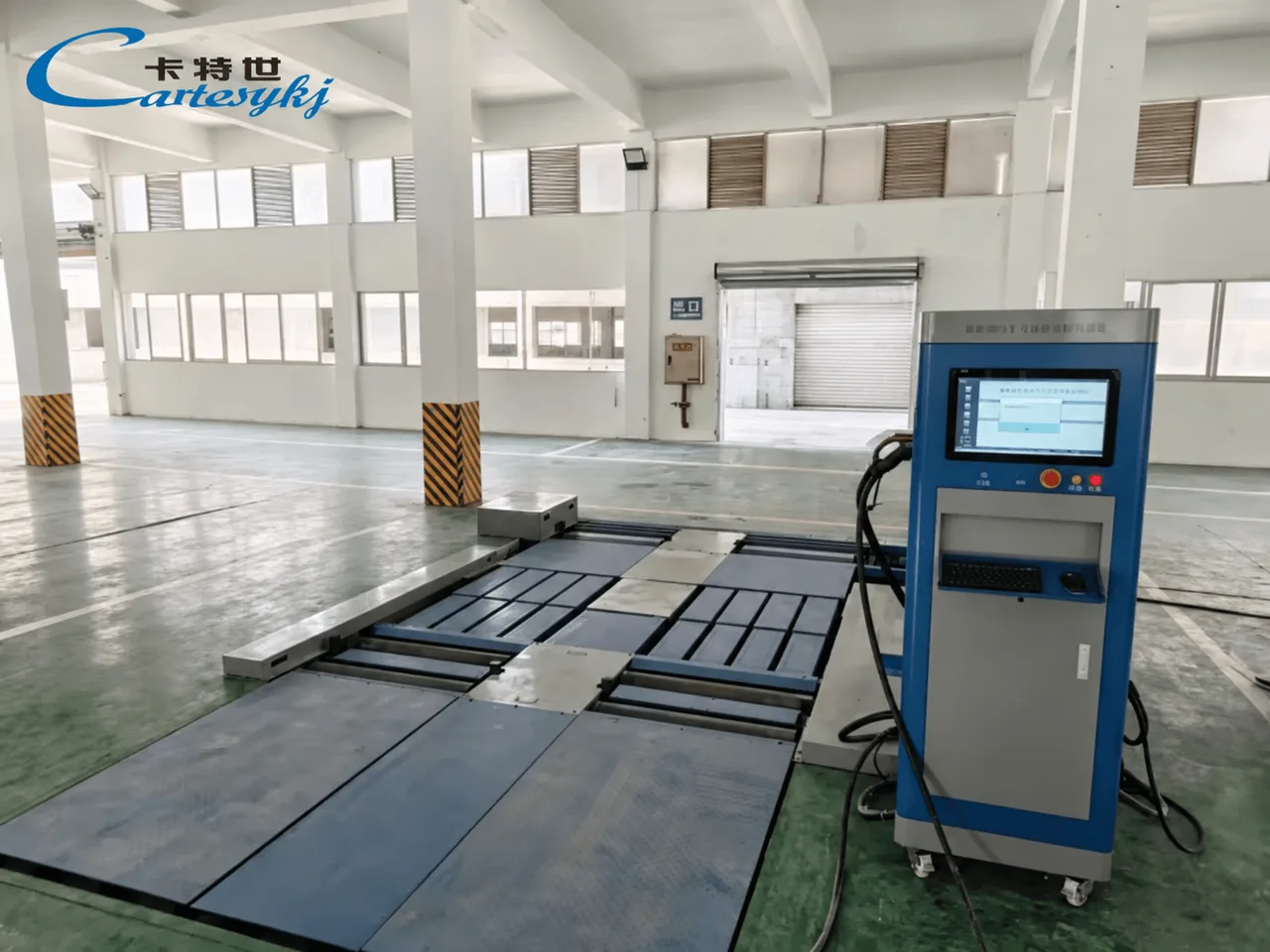
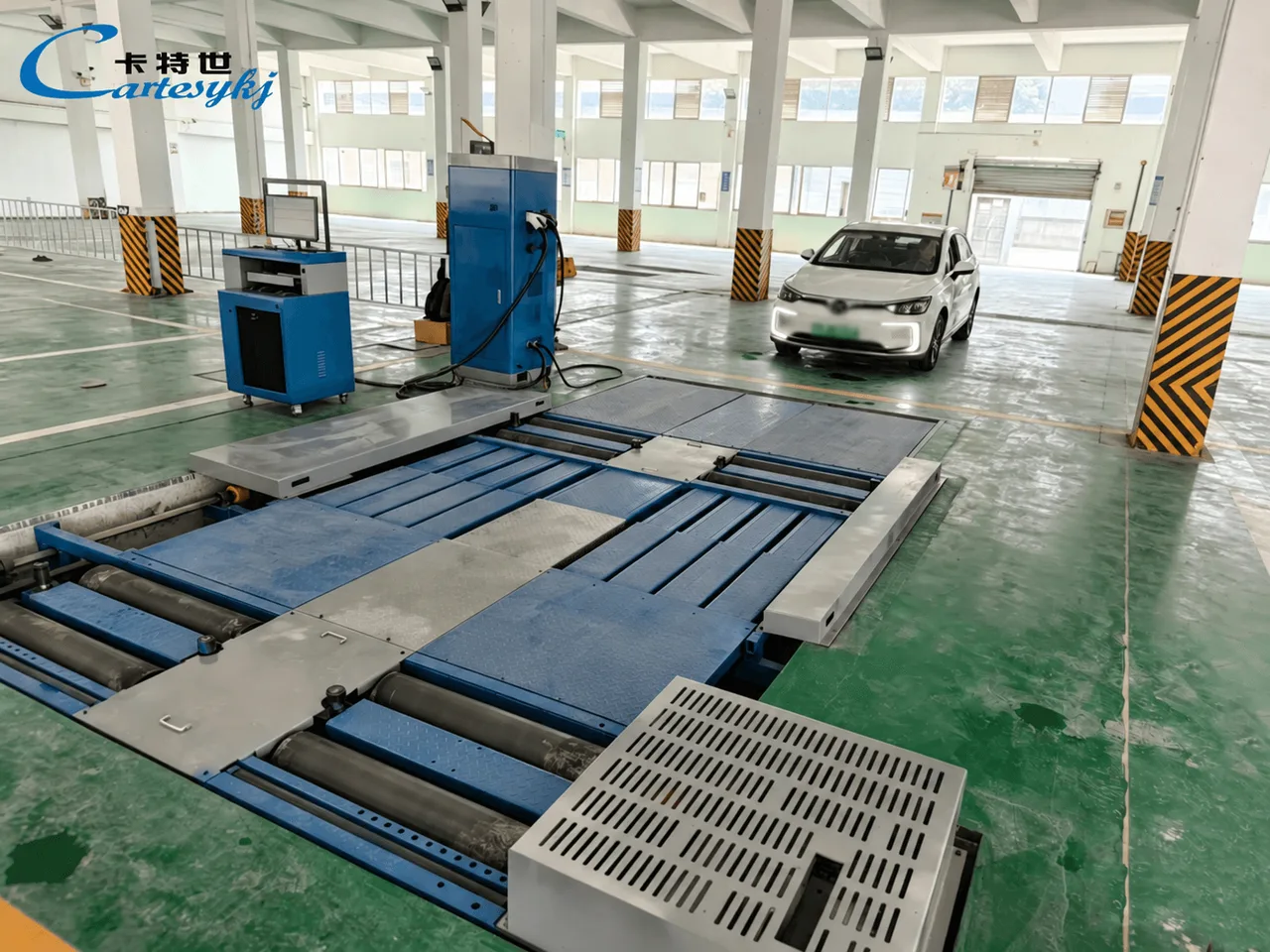
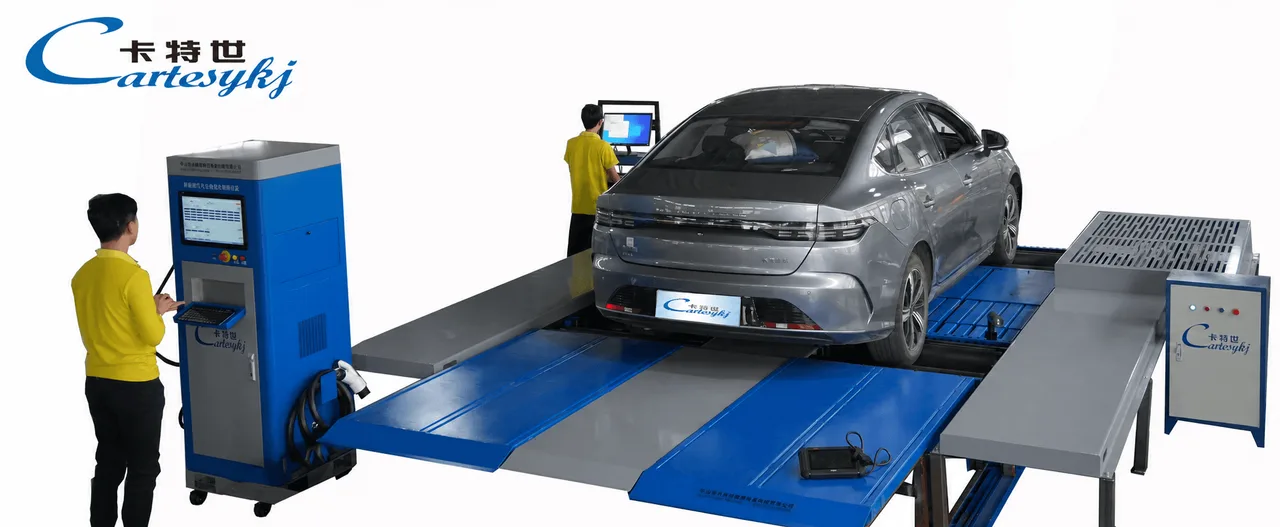
A new energy vehicle inspection solution may include braking, wheel-load, lighting, or other mechanical assessments where the project requires them.
Equipment suitability should be established for the actual vehicle. Relevant considerations include dimensions, loads, tire contact, drive arrangement, and the behavior of vehicle controls during the selected test.
For example, a brake-testing station needs a documented procedure for the intended drivetrain and braking configuration. The proposal should identify which quantities are measured directly and which results are calculated.
Where a braking calculation uses vehicle weight or wheel-load information, the required input, units, and calculation method should be clear. A measured value should not be assigned a broader meaning than the procedure supports.
Address Regenerative Braking Where Present
If the vehicle uses regenerative braking, the procedure should define whether the assessment concerns friction braking, combined braking behavior, or another specified result.
The relevant operating state should be recorded. A result obtained with regenerative contribution should not be presented as an isolated friction-brake result unless the method supports that interpretation.
Any required test mode should follow the vehicle and equipment documentation. The procedure should also address traction control or other systems where they affect compatibility with the test arrangement.
Keep Mechanical Results Within Their Scope
Mechanical inspection results support conclusions about the functions assessed.
A brake result does not establish battery condition. A headlight measurement does not establish high-voltage insulation performance. These distinctions should remain visible in the final report, even when the measurements are collected through shared software.
Specify the Electrical Properties to Be Assessed
EV safety inspection equipment should be specified by its intended measurement task.
An electrical assessment may concern a defined insulation property, protective connection, fault indication, or another function included in the project. Each assessment needs its own method and interpretation criteria.
The specification should identify the system or circuit being assessed, the required vehicle condition, and the equipment suitable for that task. Instrument ratings and operating limitations must correspond to the documented application.
The scope should also identify the personnel qualifications and vehicle or equipment instructions required to carry out the assessment. A general equipment label is not a substitute for a supported procedure.
Define What Each Electrical Result Establishes
An electrical measurement should be reported as evidence for the property it actually evaluates.
If the procedure measures an insulation-related quantity, the report should identify the measurement scope and conditions. That result should not automatically become a claim about every electrical system on the vehicle.
Similarly, a diagnostic status and a direct electrical measurement are different forms of information. The report should identify which was obtained and how it was used.
A clear electrical assessment therefore needs more than a single “safe” or “unsafe” label. It needs a defined test scope and a traceable basis for the decision.
Interpret Battery Information Without Expanding the Conclusion
Battery-system assessment begins with identifying what information the proposed equipment can access or measure.
Diagnostic information can support an assessment when vehicle coverage, data access, and interpretation are documented. The proposal should specify which data fields are available for the intended vehicles rather than assuming that every model exposes the same information.
The report should also distinguish information retrieved from the vehicle from measurements made independently by external equipment.
Separate State of Charge From Battery Condition
State of charge describes the battery’s reported charge level at the time of assessment. It does not, by itself, establish usable battery capacity, remaining service life, or overall battery condition.
If the system displays a battery-health estimate, the documentation should explain where that estimate comes from and what it represents. A value reported by the vehicle’s battery-management system should remain identified as such.
If the project requires a measured usable-capacity assessment, that requirement needs a separately defined method, operating conditions, and reporting basis. It should not be inferred from a charge-level reading or a generic diagnostic screen.
Explain the Limits of Diagnostic Findings
Fault information should be interpreted within the coverage of the accessed system and the selected procedure.
The absence of a reported fault should not be treated as evidence for every unmeasured battery property. Likewise, a battery-health estimate should not be converted into a promise about remaining operating life without supporting evidence.
A useful battery report identifies the data source, vehicle condition, assessment method, and limits of the conclusion.
Define the Scope of Charging-Related Checks
Charging-related assessment needs a clear boundary between the vehicle, the external charging equipment, and their interaction.
The project should state whether it is evaluating a vehicle-side charging function, communication through a specified charging interface, the external charging equipment itself, or a defined combination of those elements.
The proposal should identify the supported connection, operating mode, and procedure. Compatibility with one arrangement should not be extended to every charger or charging mode without evidence.
Report the Conditions Actually Assessed
A completed charging event supports conclusions about the conditions observed during that event. It does not automatically establish that every charging-related protective function has been evaluated.
Similarly, a vehicle charging check should not be presented as certification or a complete assessment of the external charging equipment unless that equipment was included in the documented scope.
The report should preserve the interface, operating condition, and result relevant to the selected test. This makes the evidence useful without expanding it beyond what was assessed.
Build a Traceable New Energy Vehicle Safety Inspection Workflow
A new energy vehicle safety inspection should keep the vehicle configuration, selected procedures, and resulting evidence connected throughout the process.
At entry, identify the vehicle and select the applicable test scope. Before each assessment, establish the required vehicle condition and equipment configuration. At completion, assemble the results without losing their individual methods or limitations.
The physical sequence should follow the documented requirements of the selected equipment and vehicle. It should account for the different preparation and access requirements of the included tests.
Distinguish Measurements, Retrieved Data, and Calculations
A combined report may contain several types of information
Values measured directly by an instrument.
Information retrieved from a vehicle system.
Results calculated from other measurements or data.
Decisions made by applying specified acceptance criteria.
These categories should remain identifiable.
For a calculated result, the report or supporting documentation should explain the calculation basis. For retrieved information, it should identify the source. For an acceptance decision, it should identify the rule applied.
This structure makes the report easier to interpret and helps prevent one type of evidence from being mistaken for another.
Define the Data Integration
Where several instruments contribute to a common report, specify how their records will be combined.
Automatic identification, direct data transfer, shared databases, and report generation are capabilities to verify in the proposed configuration. The supplier should identify which steps are automatic and which require operator input.
The system should also make incomplete, omitted, or out-of-scope assessments identifiable. A general completion status should not imply that every possible vehicle safety function has been inspected.
Establish Acceptance Criteria for the U.S. Project
For a U.S. installation, define the intended use, relevant vehicle categories, and applicable project requirements before assigning pass/fail limits.
The facility may be following a named inspection program, a customer specification, or an internal evaluation procedure. That basis should be documented alongside the test methods and reporting requirements.
Measurement and acceptance should remain distinct. The equipment obtains a result under stated conditions; the applicable rule determines how that result is classified.
A software-generated “pass” applies only to the stated assessment and criteria. It does not establish complete vehicle approval or acceptance for every possible use.
Where acceptance by a program administrator or another responsible body is required, identify the necessary evidence and process before relying on the installation for that purpose.
Request an Equipment Configuration With Clear Capabilities
A vehicle inspection equipment supplier should provide a proposal that connects the intended vehicles and inspection tasks to specific equipment functions.
The proposal should identify
Supported vehicles and powertrain configurations.
Included equipment, software functions, and optional modules.
Direct measurements, retrieved information, and calculated outputs.
The methods used for electrical, battery, and charging assessments.
Installation, calibration, operating, and service requirements.
Sample reports and the basis for any acceptance decisions.
Where a demonstration or acceptance test is arranged, use agreed vehicles and procedures representative of the intended application. Review the complete workflow and the interpretation of the final report.
A practical new energy vehicle testing solution connects each inspection question to suitable equipment, a documented method, and an appropriately limited conclusion. Configuring electric vehicle testing equipment around those connections provides a clear basis for evaluating both individual instruments and the complete inspection system.
Project imagery