Project
New Energy Vehicle Safety Inspection Equipment: Power Battery and Vehicle Discharge
New energy vehicle safety inspection equipment should connect the required vehicle checks, any dedicated battery assessments, and the service activities included in the project. Each function needs a defined purpose.

New energy vehicle safety inspection equipment should connect the required vehicle checks, any dedicated battery assessments, and the service activities included in the project. Each function needs a defined purpose, suitable equipment, and a report that explains what the result establishes.
A vehicle inspection line, a battery pack test system, and workshop service equipment perform different roles. A complete solution should explain how those roles fit together, which vehicles and battery configurations are supported, and where additional assessment may be required.
The focus here is inspection and evaluation of battery-electric road vehicles. Projects involving plug-in hybrids or other powertrains should define their additional requirements separately.
Separate Vehicle Inspection, Battery Testing, and Service Tasks
The starting point is to identify the questions the facility needs to answer.
A vehicle-level inspection may assess specified braking, lighting, mechanical, or electrical functions. A dedicated battery assessment addresses a defined battery property or diagnostic question. Service equipment supports the access, positioning, handling, or maintenance tasks required by the documented workflow.
These functions may share a facility and reporting system, but their capabilities should remain clearly identified.
| Part of the Solution | Intended Role | What the Proposal Should Establish |
|---|---|---|
| Vehicle safety inspection line | Coordinate the vehicle-level tests required by the selected inspection program. | Supported vehicles, test methods, equipment configuration, reporting functions, and acceptance criteria. |
| EV battery pack test system | Perform a defined battery assessment in a supported test arrangement. | Installed or separate test setup, compatible packs, interfaces, measured quantities, and interpretation methods. |
| Automotive service equipment | Support the specified access, positioning, handling, or maintenance work. | Intended task, applicable ratings, vehicle or component compatibility, and operating documentation. |
| Data and reporting system | Associate inspection and assessment results with the correct vehicle or component. | Identification, data transfer, calculation rules, report fields, and record handling. |
This separation makes the proposed solution easier to evaluate. It also helps the facility identify which questions the inspection line can answer directly and which require a different assessment process.
Organize the Vehicle Safety Inspection Line Around Defined Tests
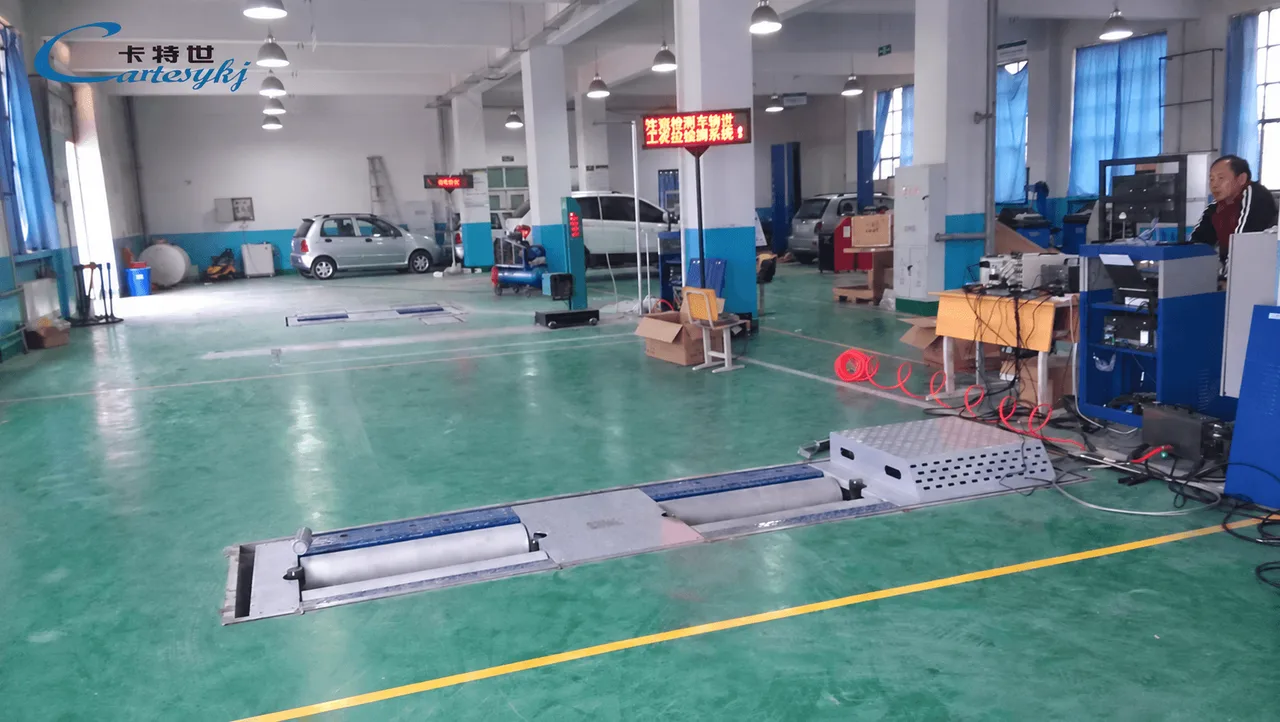
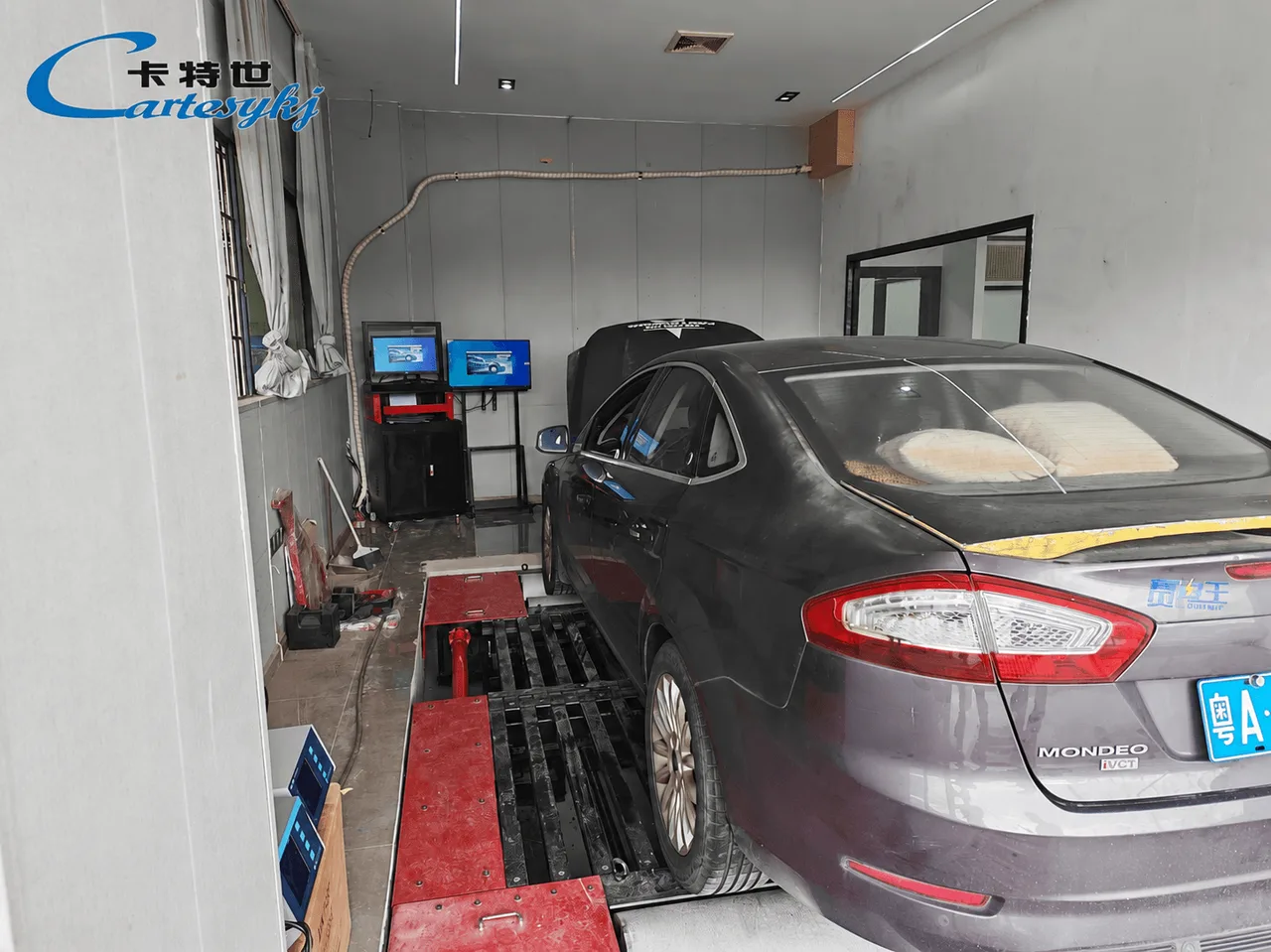
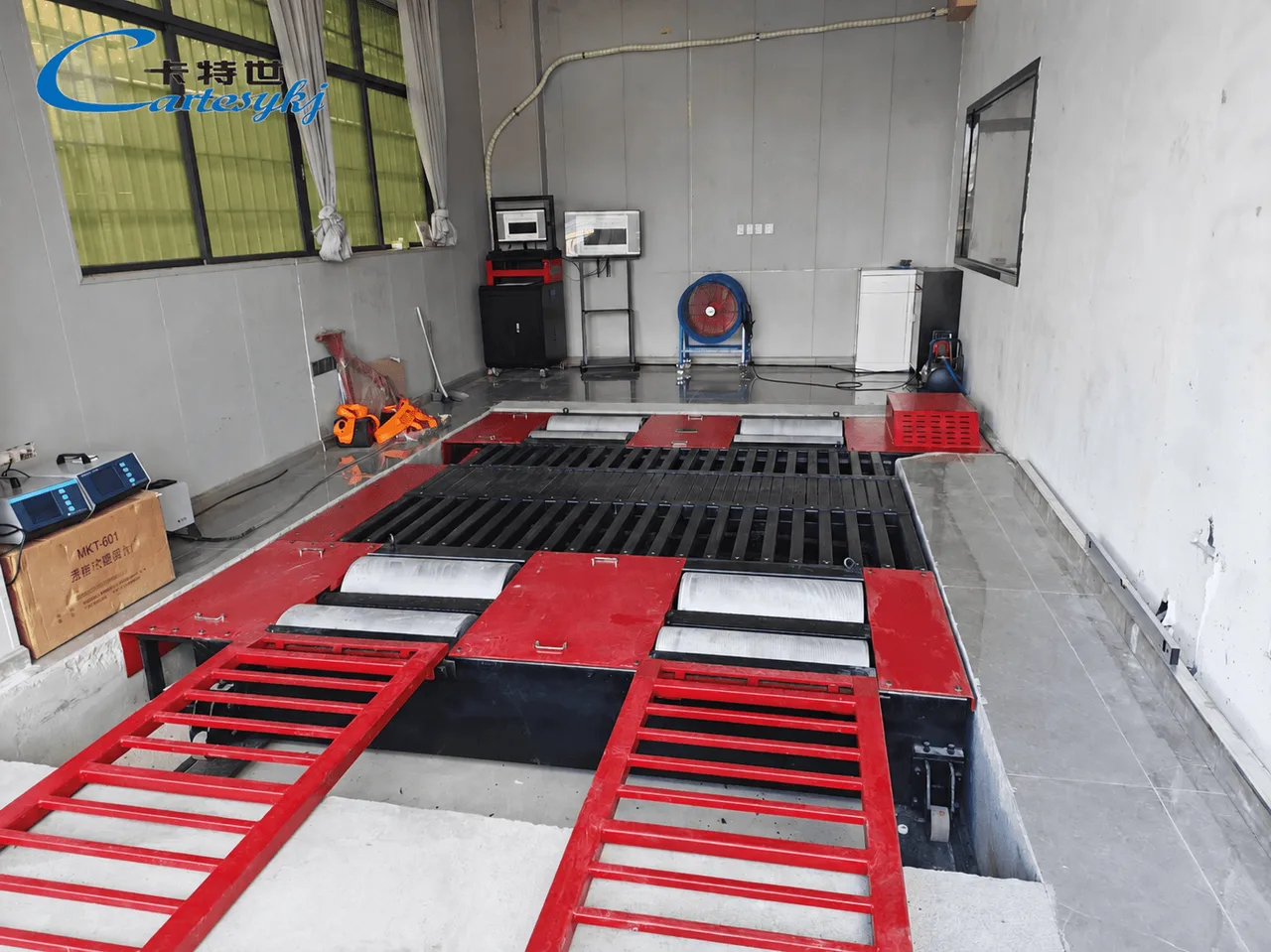
A vehicle safety inspection line should follow the intended inspection program and the vehicles being assessed.
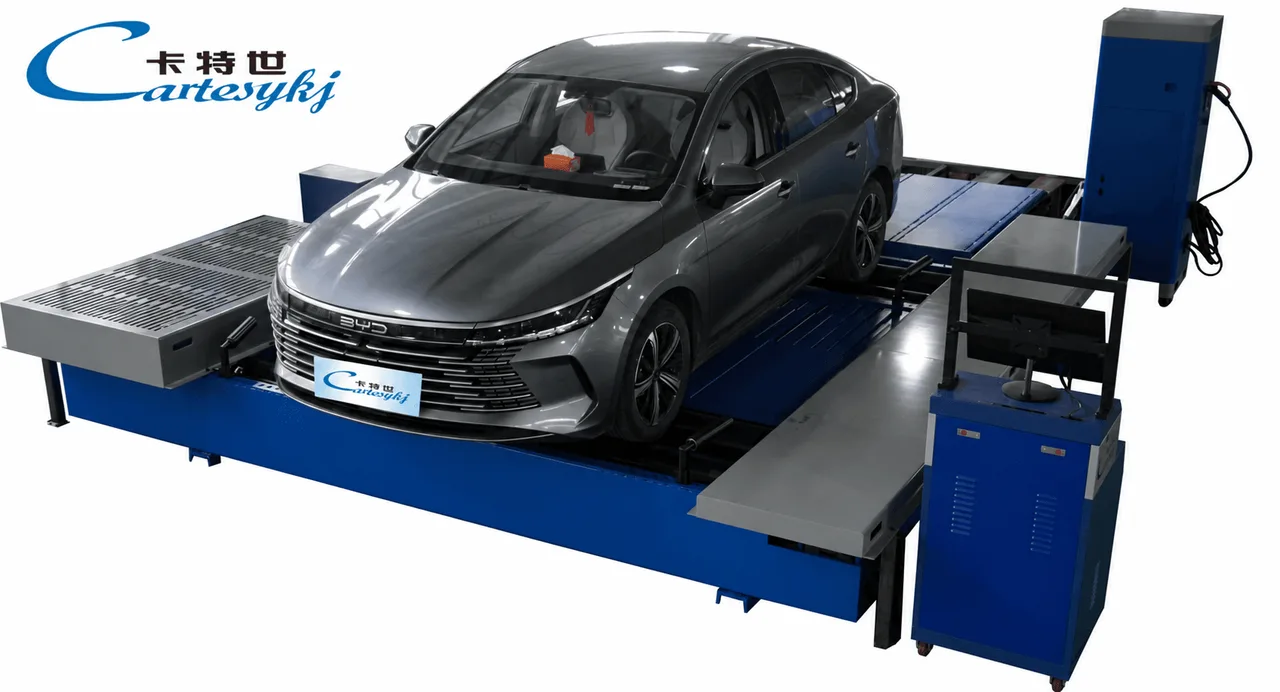
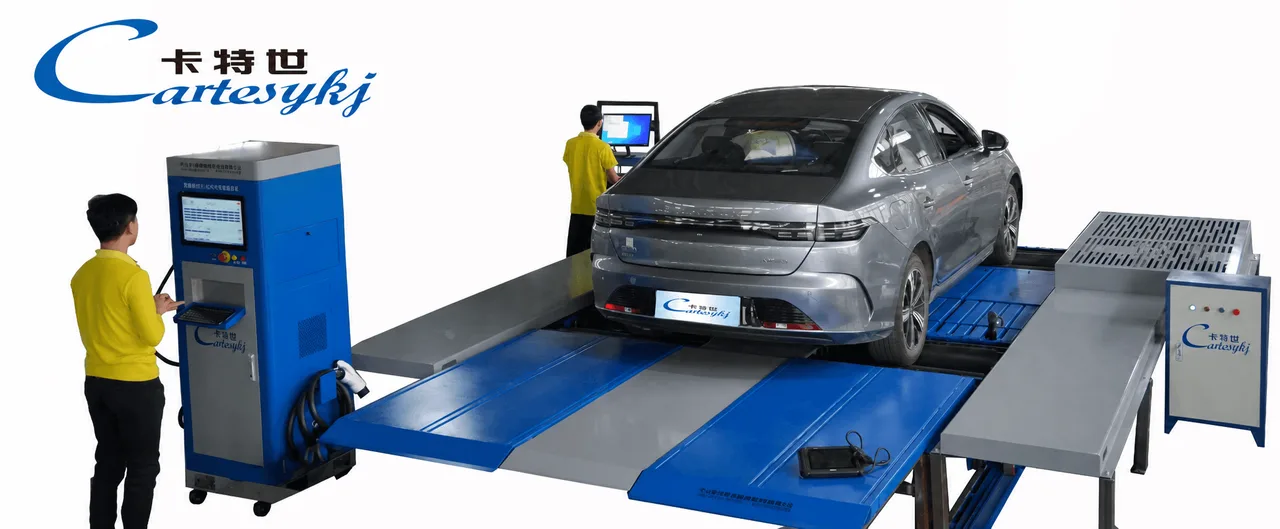
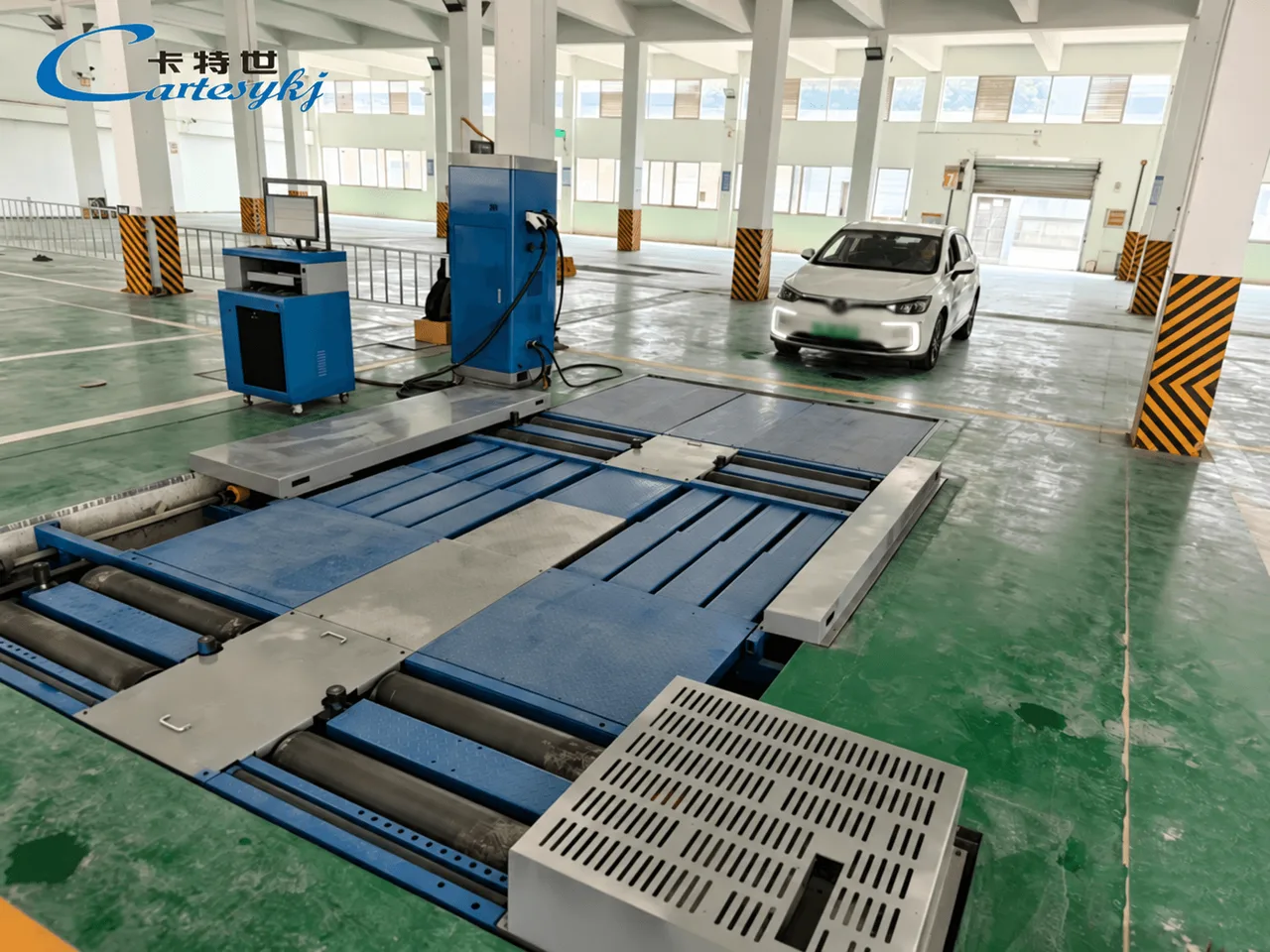
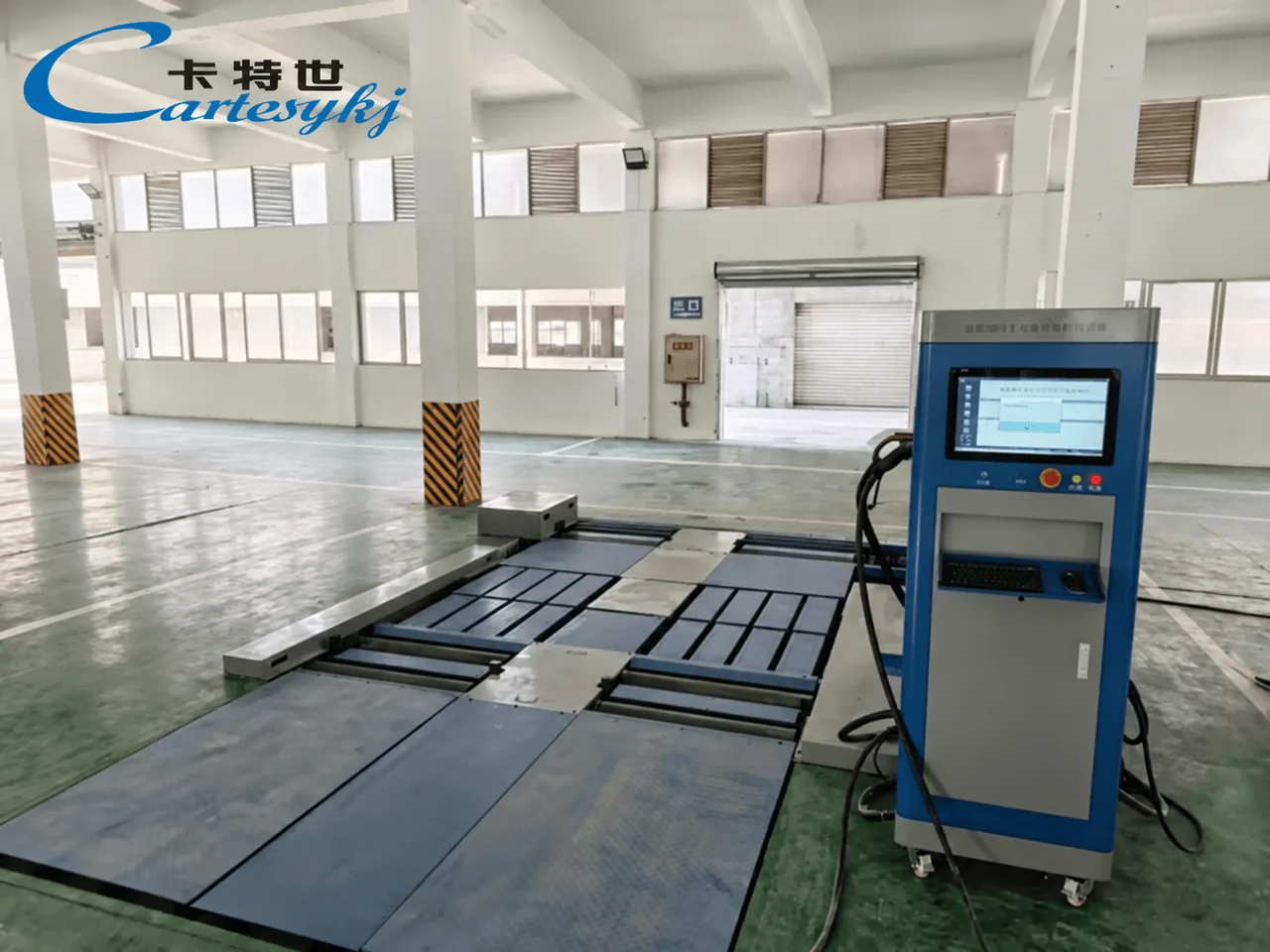
Depending on the project, the scope may include braking, wheel-load measurement, lighting, or other specified mechanical checks. Electrical assessments should be included only where their purpose, method, and equipment requirements are defined.
Each station should identify the quantities measured directly and any results calculated from them. Where a calculation uses information from another station, the required input, units, and vehicle conditions should be documented.
For example, a braking calculation that uses a load value should make clear which measurement is required and how it is applied. The software should preserve the relationship between that input and the motorcycle, passenger vehicle, or commercial vehicle configuration actually being tested.
Account for the Electric Vehicle’s Operating State
The test procedure should address the vehicle’s drivetrain and control systems where they affect equipment compatibility.
If the vehicle uses regenerative braking, the method should define whether the assessment concerns friction braking, combined braking behavior, or another specified result. Any required vehicle test mode should follow the relevant vehicle and equipment instructions.
The same principle applies to other operating conditions. The procedure should identify the settings or vehicle states needed for the selected test, and the report should retain the information necessary to interpret the result.
Define the Limits of the Line’s Conclusions
A completed line inspection supports conclusions about the functions included in its documented scope.
Mechanical test results do not independently establish battery capacity or electrical insulation condition. Likewise, an electrical measurement addresses the property and system boundary defined by its procedure.
Where the line cannot resolve a particular concern, the workflow should identify the appropriate route for additional assessment. That route should have its own equipment requirements and decision criteria.
Define What the EV Battery Pack Test System Must Assess
An EV battery pack test system should be specified against an identified battery question.
The required configuration depends on the property being assessed, the supported battery design, and whether testing occurs with the battery installed in the vehicle or in a separately supported arrangement.
The proposal should state that scope explicitly. Battery assessment should not automatically be assumed to require removal, and a system intended for one arrangement should not be assumed to support the other.
Establish the Test Arrangement and Compatibility
The technical documentation should identify the supported battery packs or vehicle platforms, relevant electrical ranges, interfaces, fixtures, and operating conditions.
Compatibility with one pack does not establish compatibility with every pack from the same vehicle brand or with every vehicle that uses a similar battery chemistry.
The proposed procedure should also identify the documentation and personnel competence required for the assessment. Any access, connection, or handling activity must remain within the applicable vehicle, battery, and equipment instructions.
At the planning stage, the objective is to establish a supported test arrangement rather than create a generic procedure for all battery architectures.
Distinguish Retrieved Data From Measured Results
A battery report may contain information retrieved from the vehicle, estimates calculated by a system, and measurements made under a defined test procedure.
These forms of information should remain identifiable.
A battery-management-system health estimate should be reported with its source and meaning. It should not automatically be described as an independently measured capacity result or a complete battery safety assessment.
Similarly, reported state of charge describes a charge-level indication. It does not, by itself, establish usable capacity, remaining service life, or freedom from battery faults.
If the project requires a capacity assessment or another specific battery measurement, the system specification should identify the method, required conditions, and interpretation basis for that result.
Match the Procedure to the Inspection Objective
Battery production checks, engineering validation, and assessment of vehicles in service serve different purposes.
A test system’s ability to perform a specialized battery procedure does not mean that procedure belongs in every routine vehicle inspection. The facility should select assessments appropriate to the inspection objective, the vehicle’s condition, and the supported application.
This keeps the battery-testing scope relevant and prevents specialized laboratory capabilities from being presented as standard functions of the vehicle inspection line.
Place Automotive Service Equipment Within the Documented Workflow
Automotive service equipment supports the practical work surrounding inspection and diagnosis.
Where access, lifting, positioning, or component handling is required, the selected equipment should match the task and the applicable vehicle or component requirements. Its ratings and operating documentation should be reviewed for that use.
Those support functions should remain separate from measurement capability. Equipment that positions or supports a vehicle does not, through that function alone, produce a battery-condition or electrical-inspection result.
Define Which Service Activities Are Included
The project proposal should identify which service activities form part of the supplied solution and which remain the responsibility of the facility.
If a battery assessment requires a separately supported setup, the proposal should explain the equipment and documented process needed to support that arrangement. If the assessment remains vehicle-based, the configuration should reflect that scope.
Service activities should not be added merely because related equipment appears in the same catalog. Each activity needs a clear role in the inspection or assessment process.
Connect Service Work With Relevant Follow-Up Checks
Where corrective work is performed, the workflow should identify which assessments need to be repeated and how the new results will be recorded.
The follow-up scope should correspond to the work performed and the applicable procedure. The report should distinguish the initial findings, any recorded intervention, and the subsequent assessment.
This preserves the history of the inspection without implying that unrelated systems were re-evaluated.
Connect the Stages Through Traceable Records
A coordinated solution should keep vehicle-level and component-level results associated with the correct identities and procedures.
For a vehicle inspection, the record should identify the relevant vehicle configuration. For a battery assessment, it should also identify the battery or supported component configuration where that information is required by the method.
The reporting structure should preserve
The assessment performed and its purpose.
The equipment and procedure used.
Relevant vehicle or battery conditions.
Direct measurements, retrieved information, and calculated outputs.
The criteria applied to each decision.
Incomplete, omitted, or out-of-scope items.
Where results move between the inspection line and a separate battery-testing system, the data connection should be defined. Shared software, automatic transfer, and common report generation are capabilities to verify in the proposed configuration.
A sample report can help the facility evaluate this integration. It should make clear which system produced each result and how that result contributes to the inspection decision.
Establish Requirements for the U.S. Installation
For a U.S. project, define the intended use, applicable vehicle categories, and governing inspection or evaluation requirements before configuring acceptance limits.
The project may follow a named inspection program, a customer specification, or an internal procedure. The relevant basis should be documented alongside the test methods and report requirements.
Measurement and acceptance should remain distinct. Equipment produces a result under stated conditions; the applicable rule determines how that result is classified.
A “pass” therefore applies to the stated assessment and criteria. It should not be expanded into a claim of complete vehicle approval or acceptance for every use.
Where acceptance by a program administrator or another responsible body is required, establish the necessary evidence and process before relying on the installation for that purpose.
Request a Proposal With Clear System Responsibilities
An automotive inspection line manufacturer should provide a proposal that connects the intended vehicles, battery assessments, and service tasks to specific equipment functions.
The proposal should identify the supported configurations, included and optional functions, installation requirements, calibration documentation, operating procedures, and reporting arrangements. It should also explain where responsibility passes between the inspection line, the battery-testing system, and workshop service activities.
Where a demonstration or acceptance test is arranged, use agreed vehicles and procedures representative of the intended application. Review the complete process, including any transfer of results between systems and the interpretation of the final report.
A practical new energy vehicle testing solution makes each capability and its limits clear. Configuring the equipment around defined inspection questions, supported procedures, and traceable results provides a sound basis for evaluating the complete system.
Project imagery