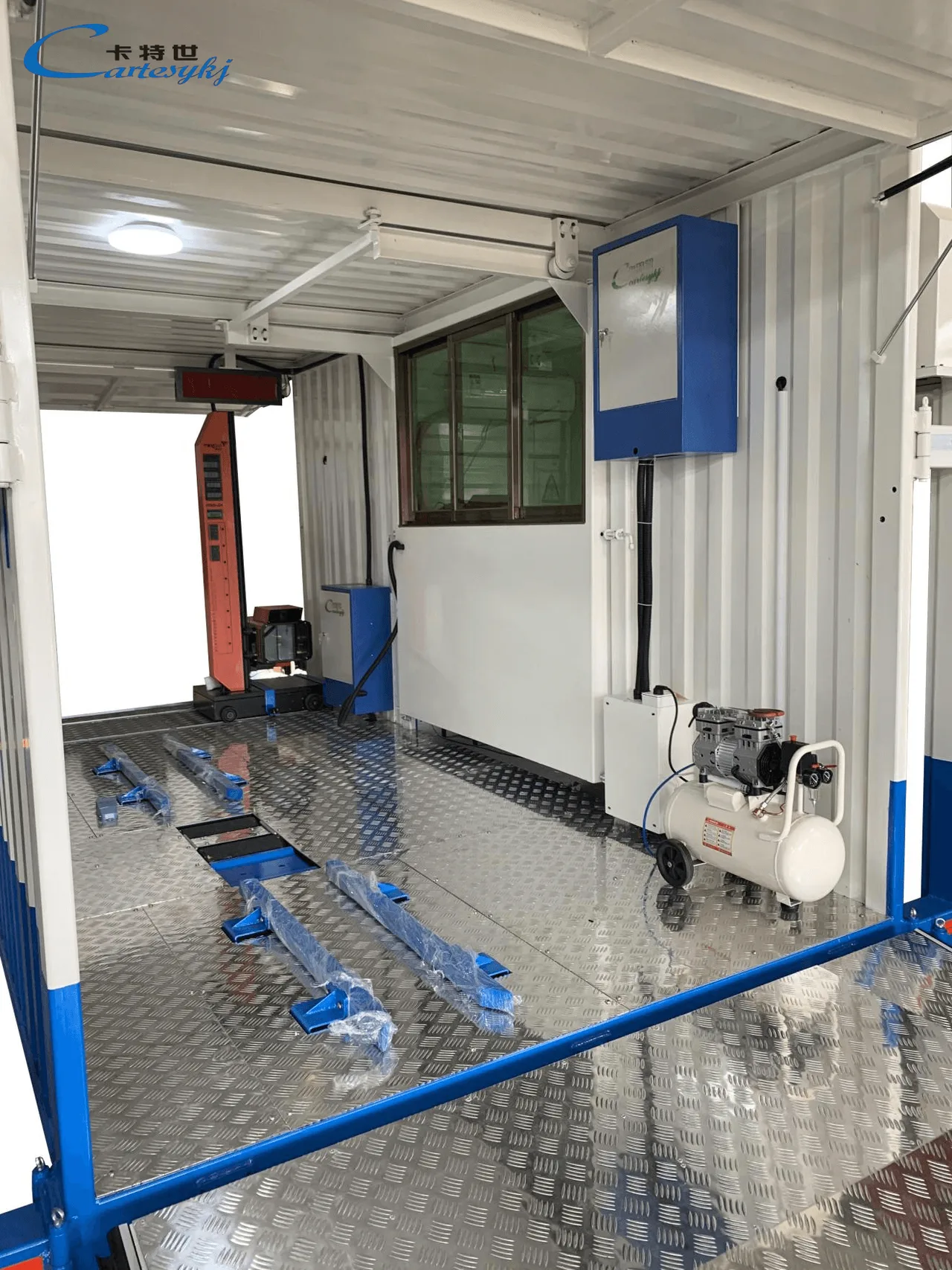
Project
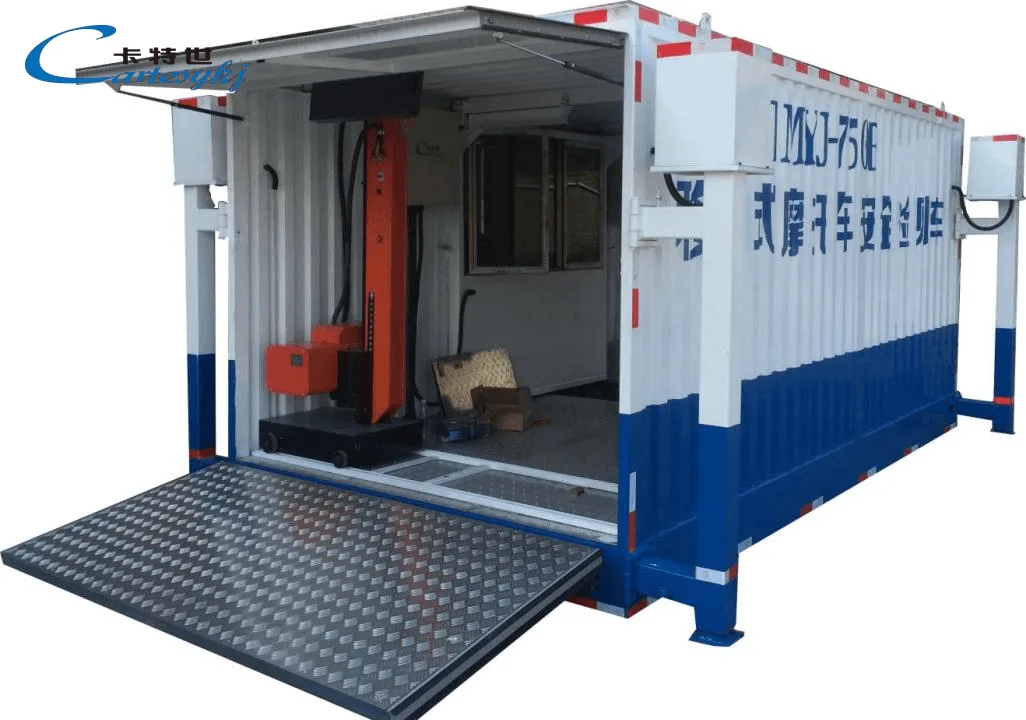
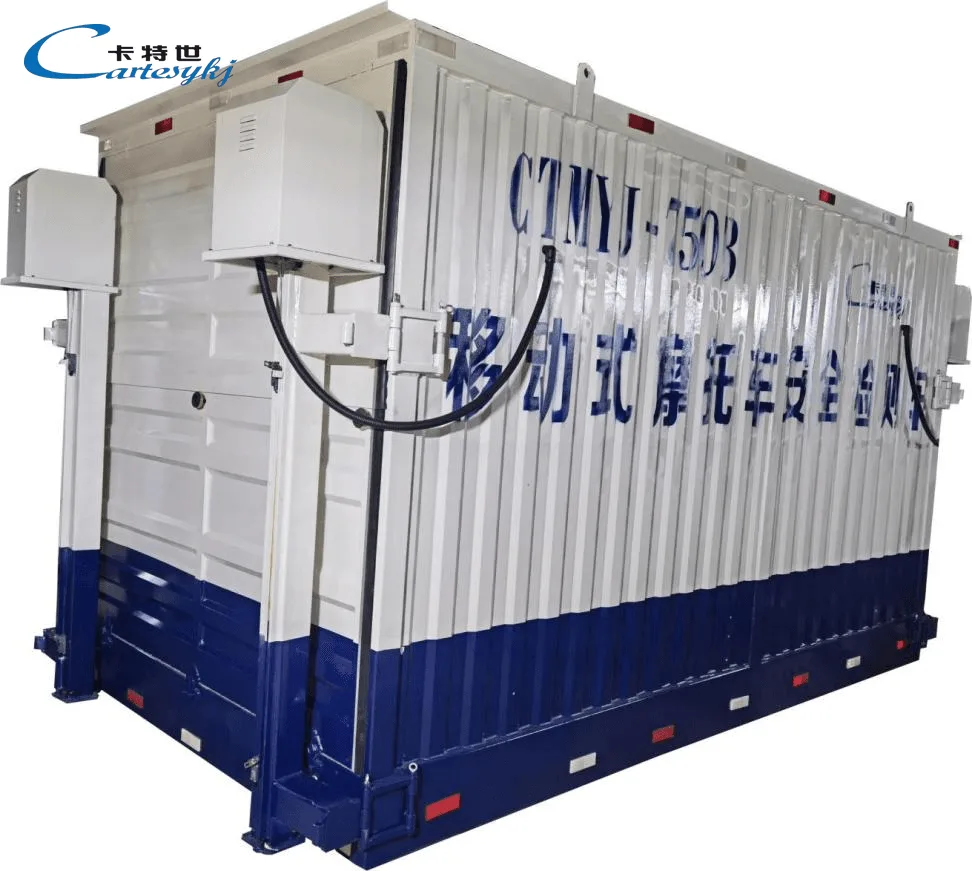
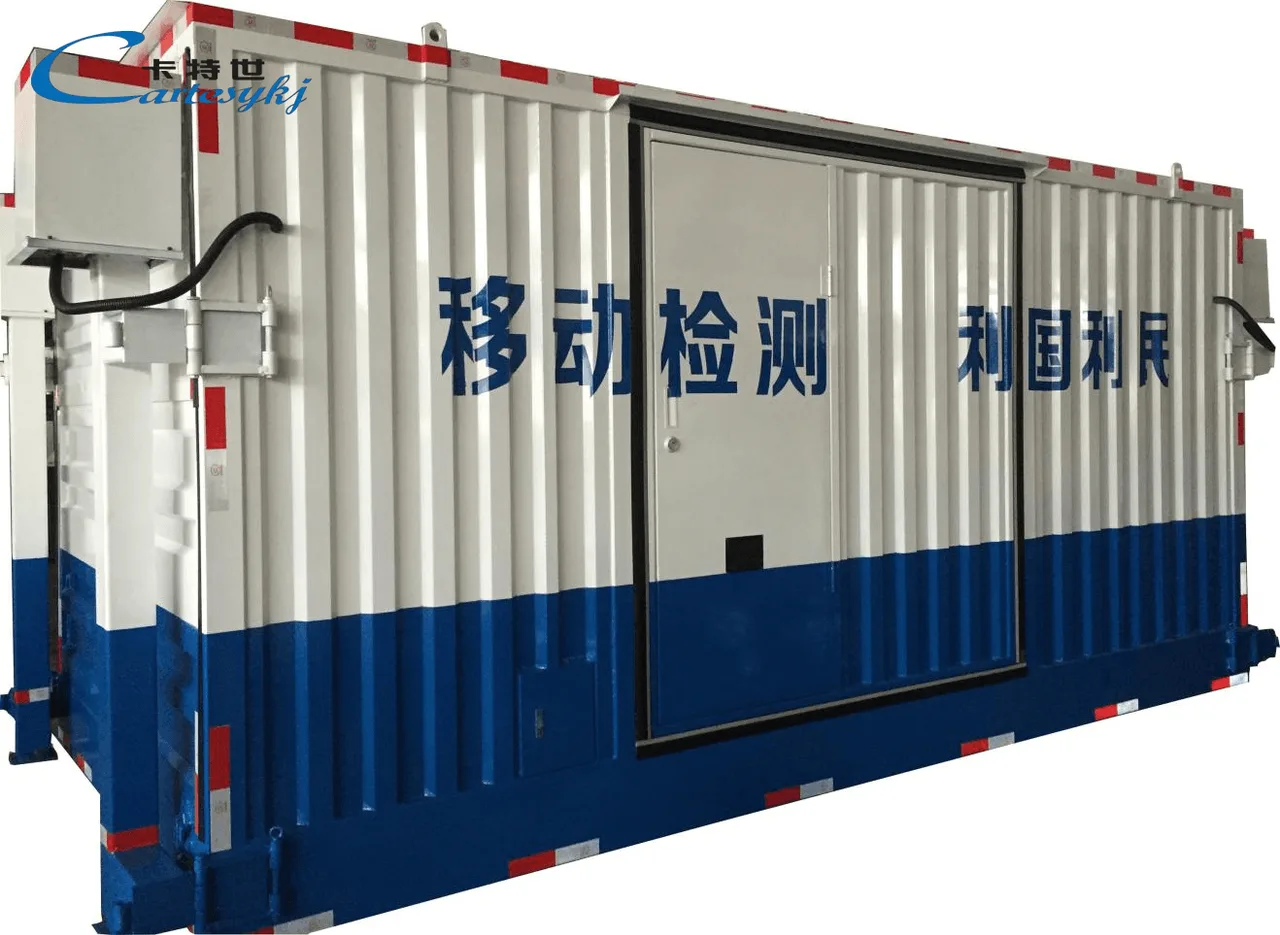
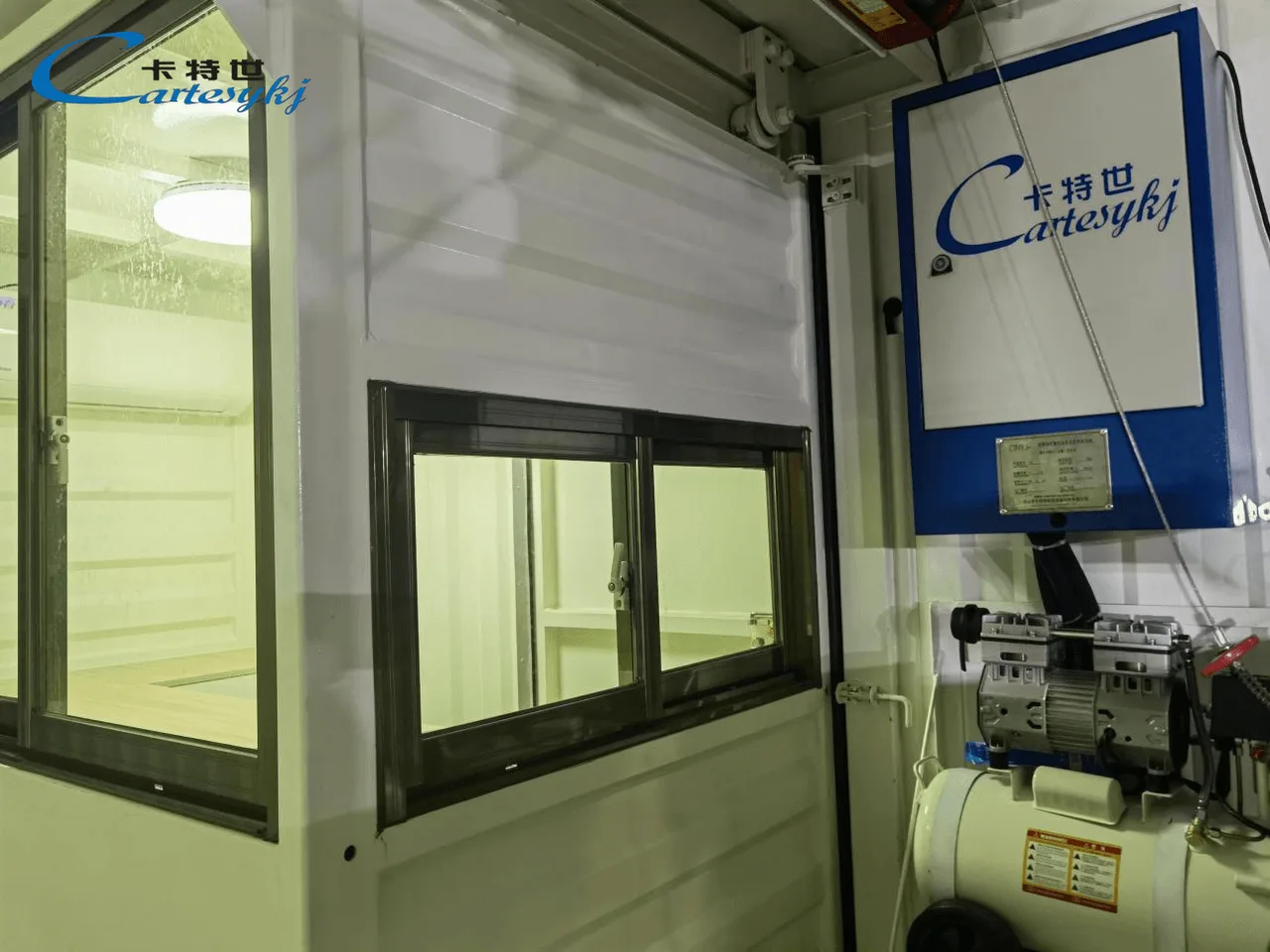
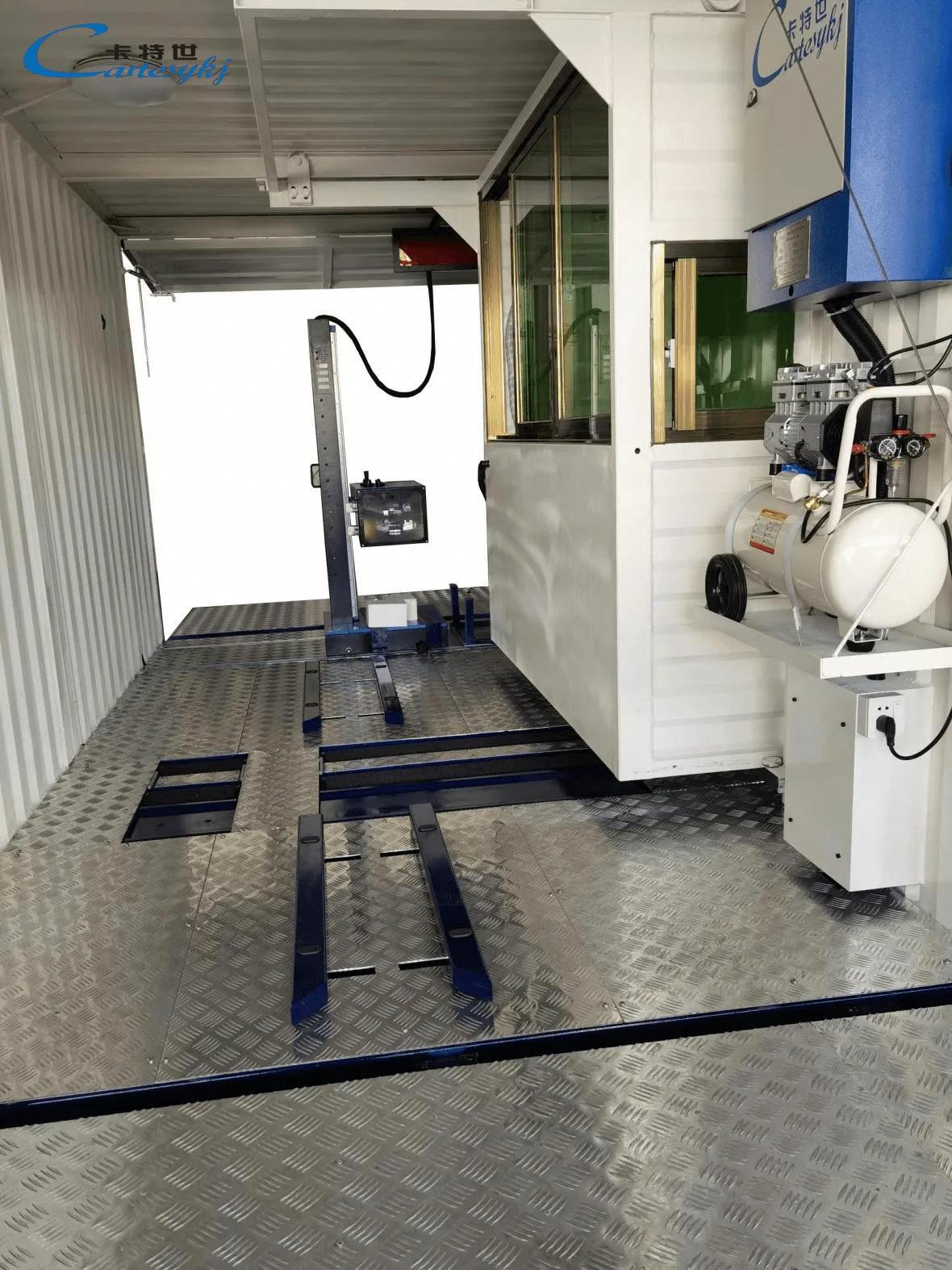
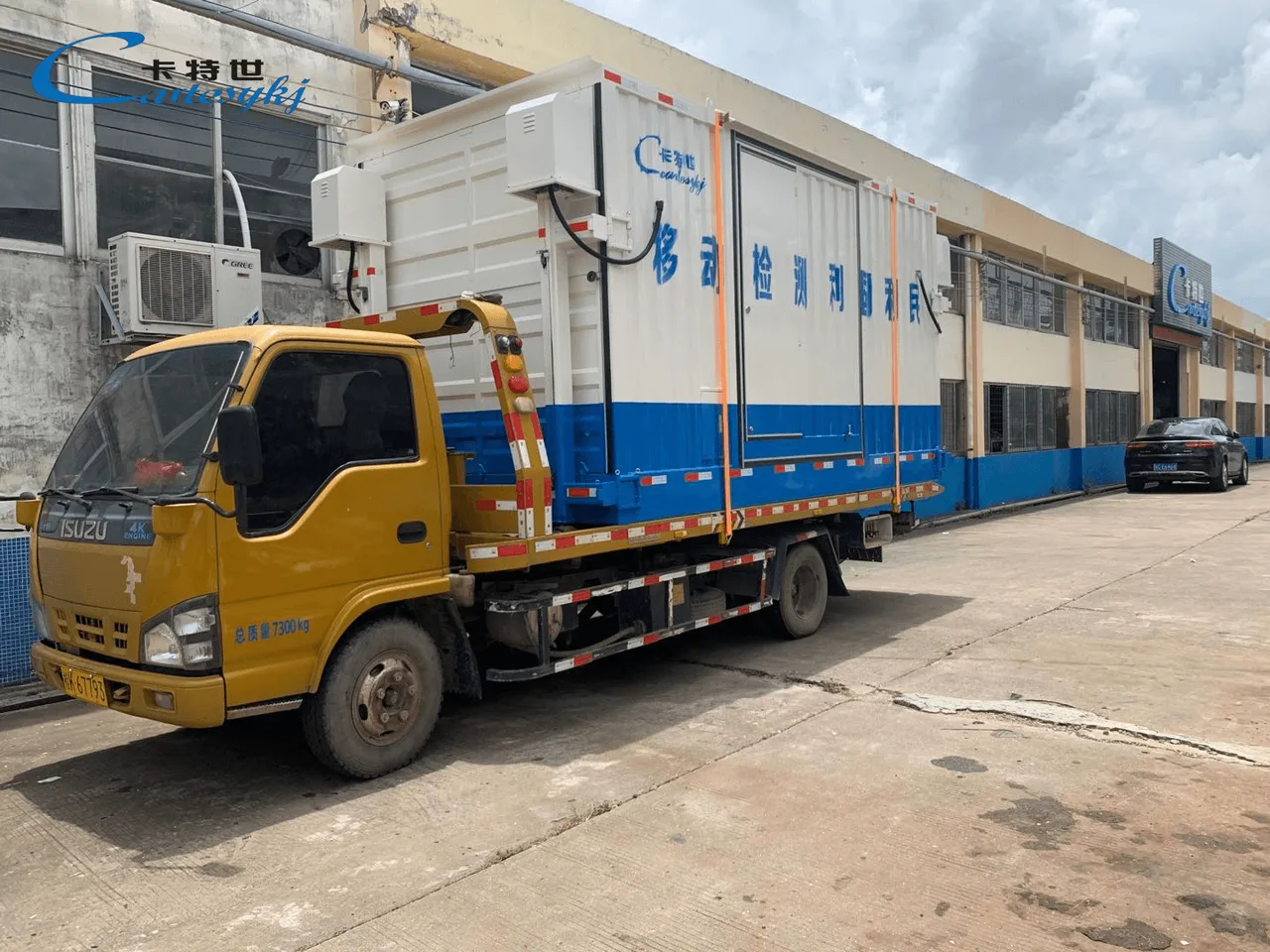
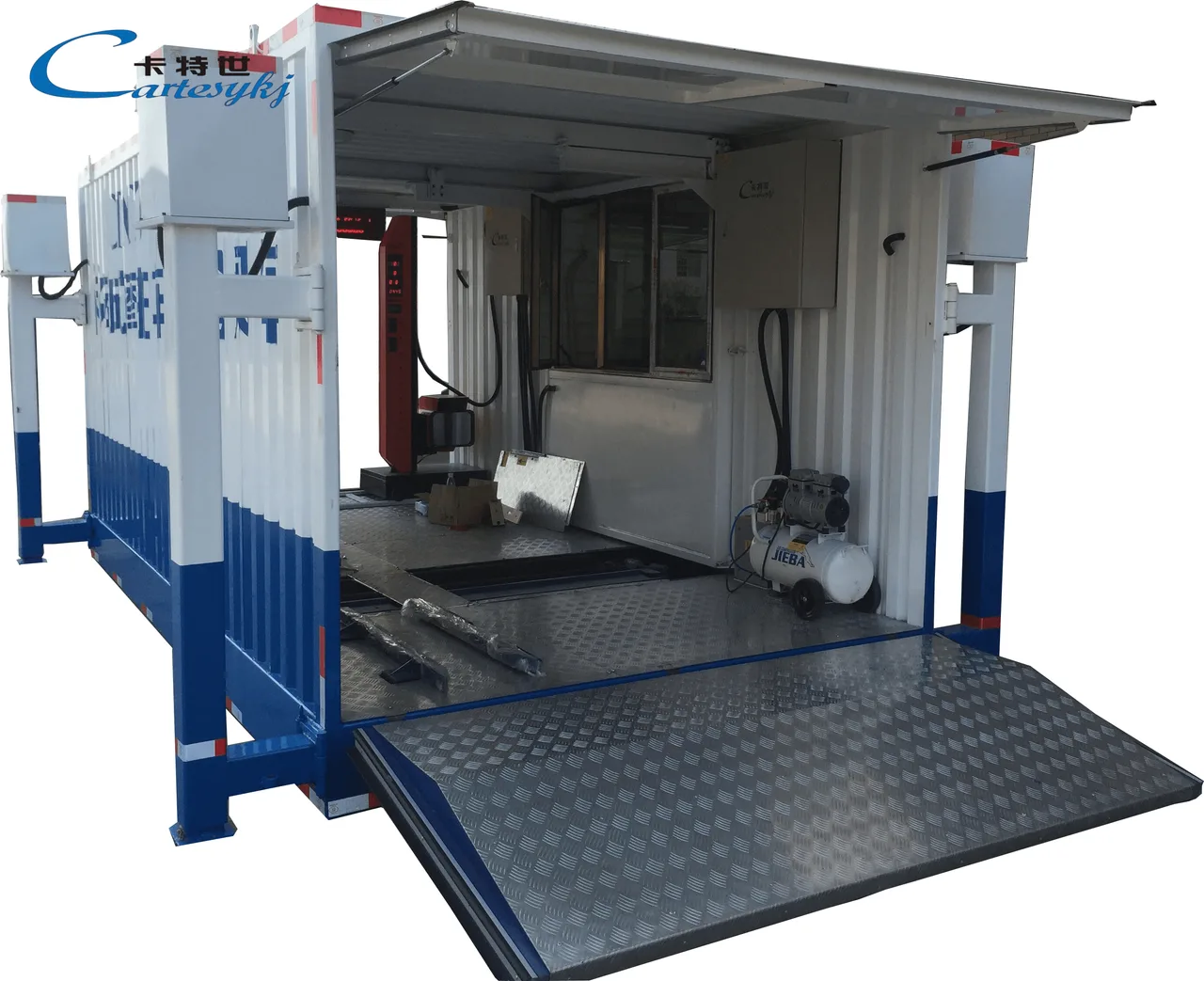
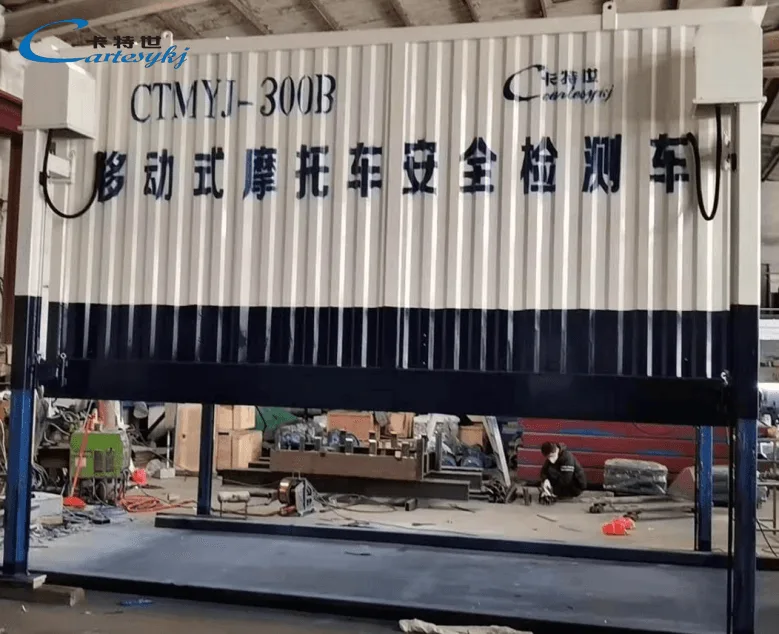
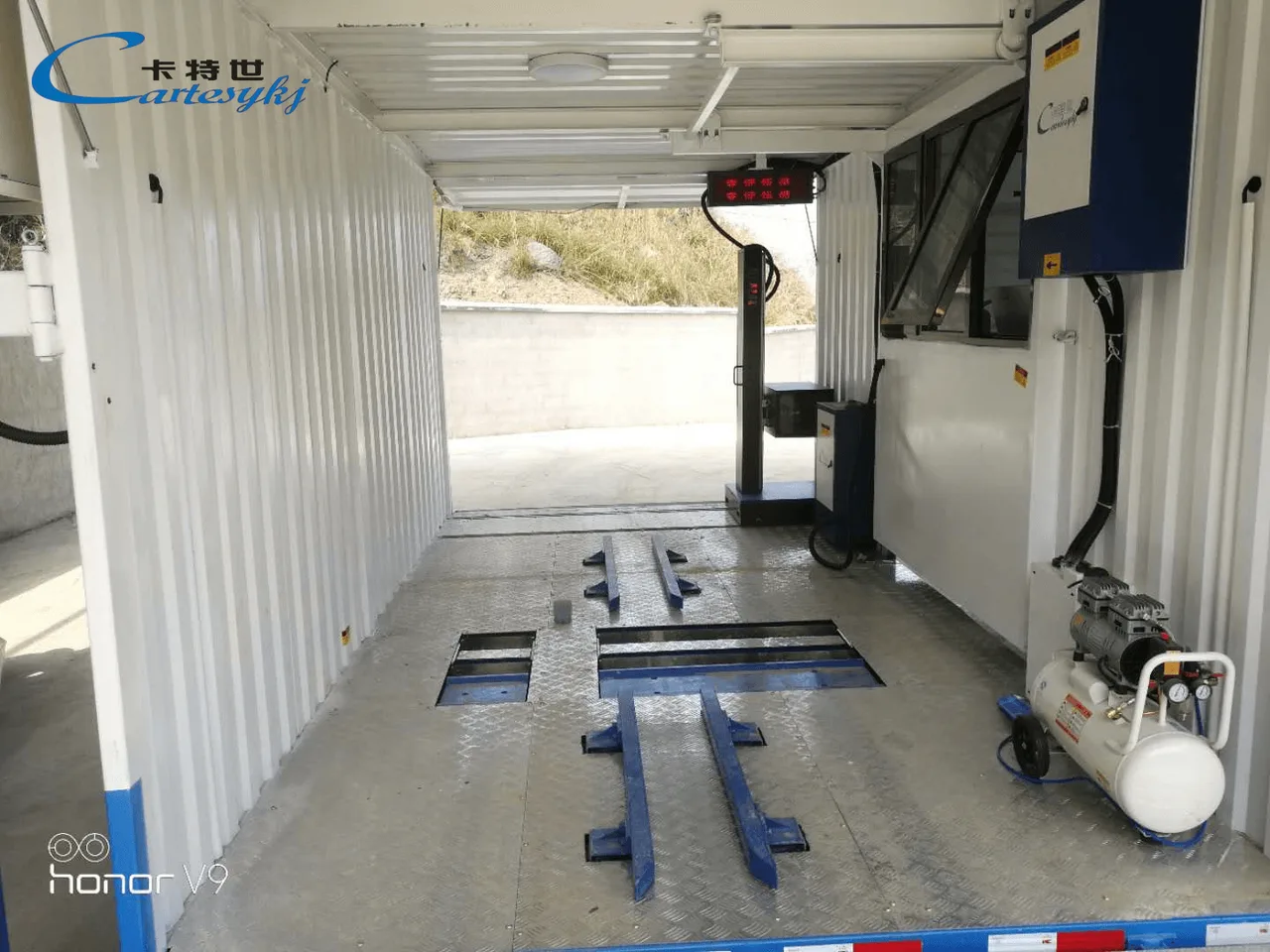
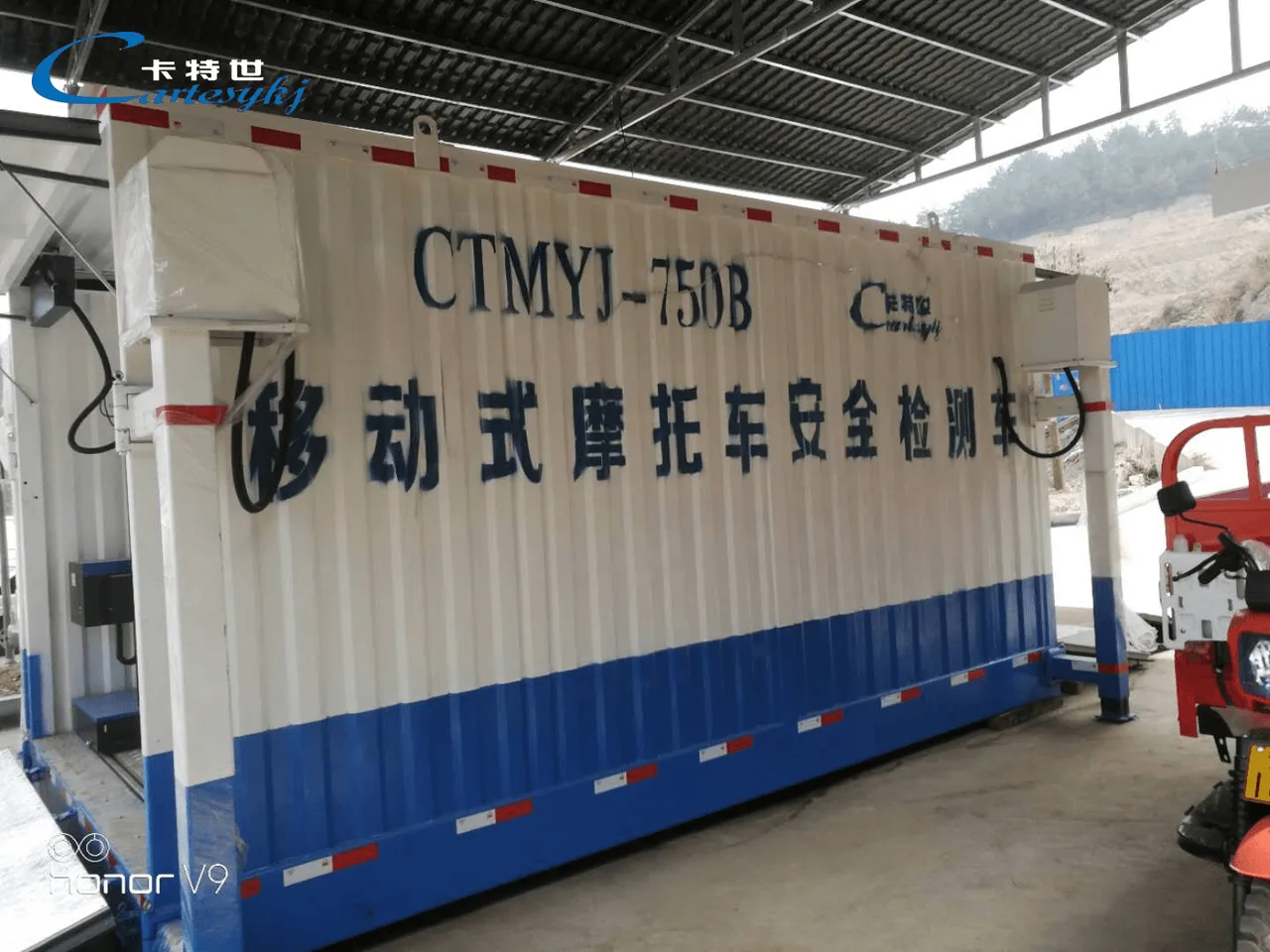
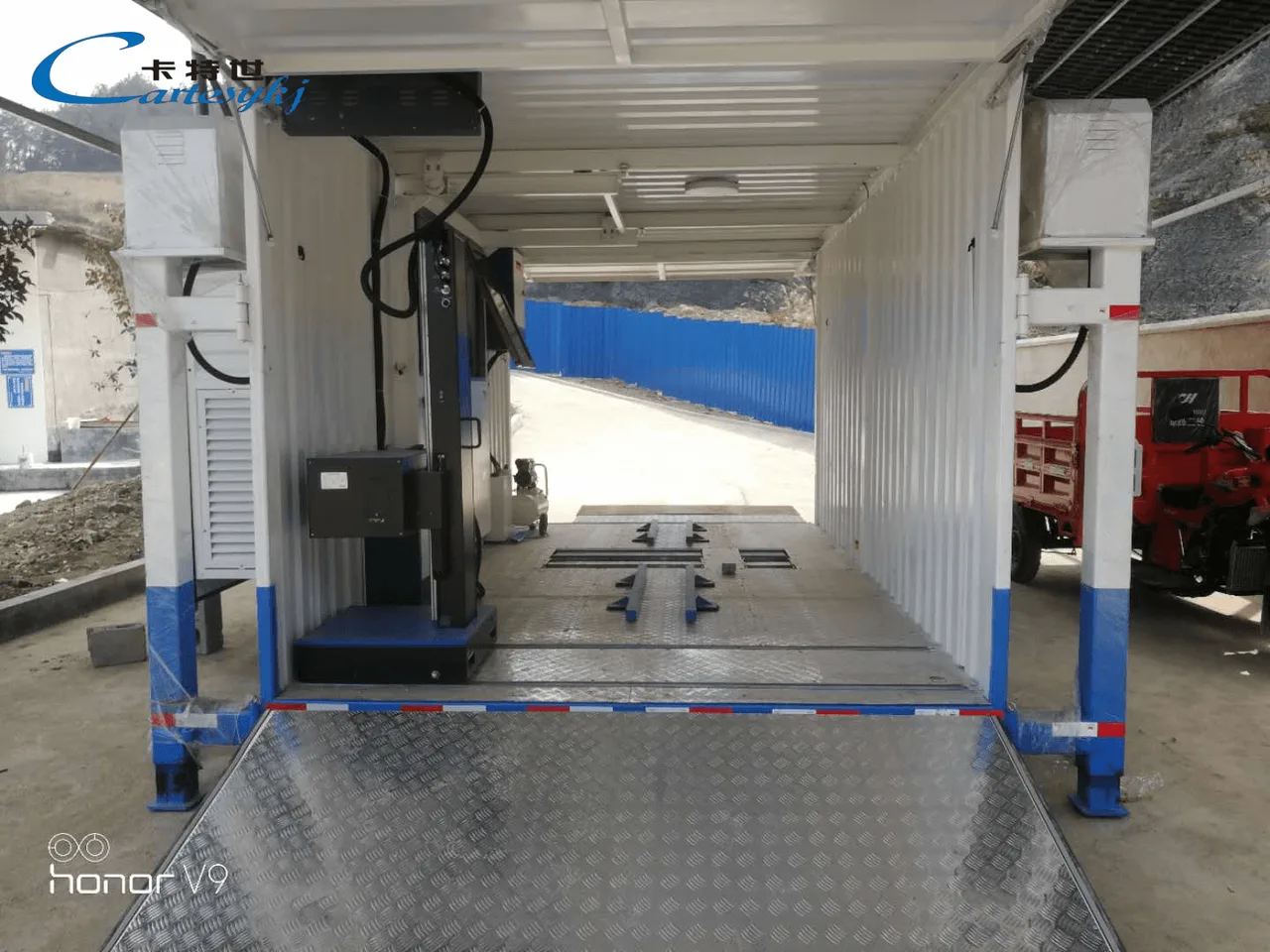
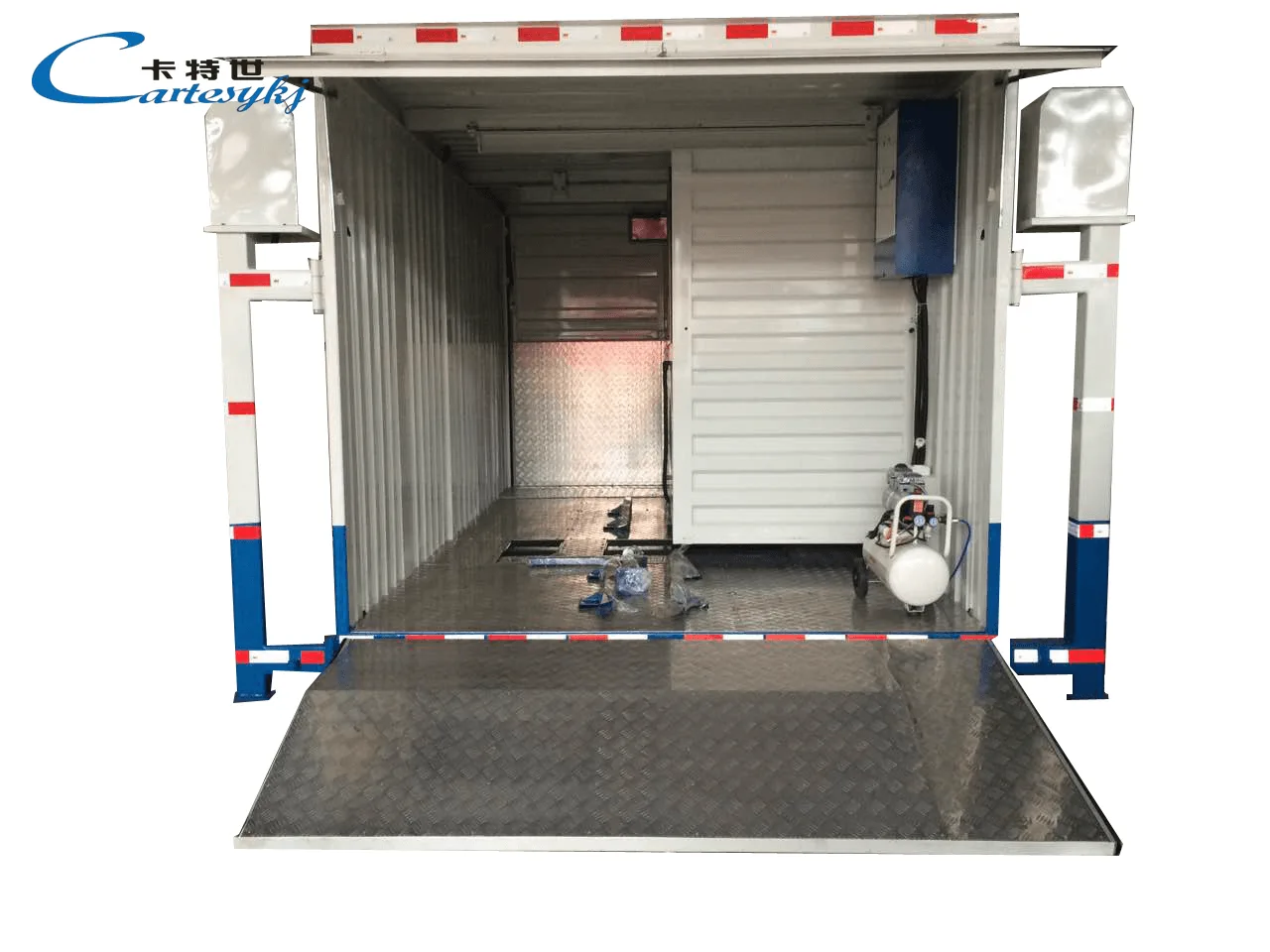
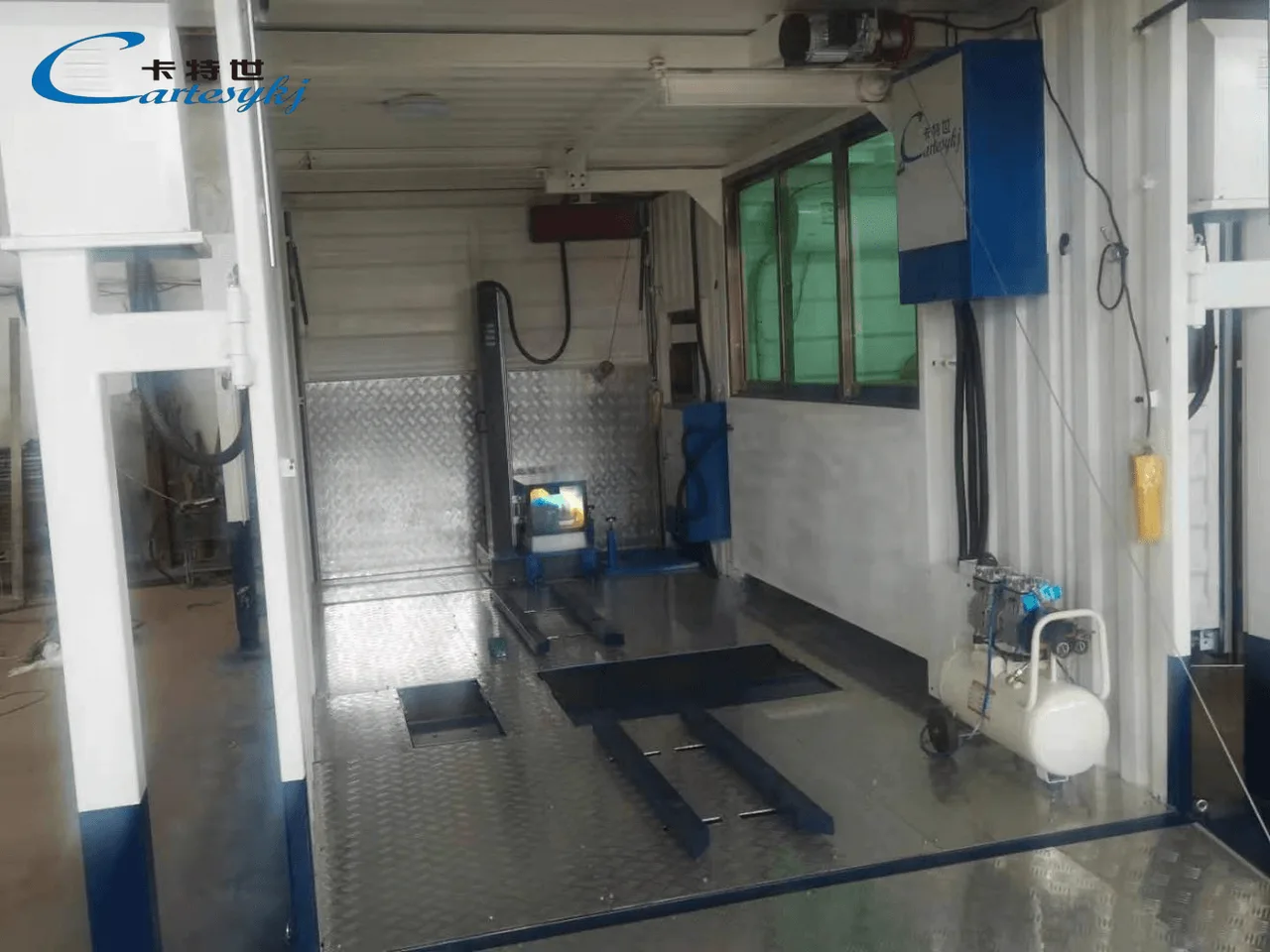
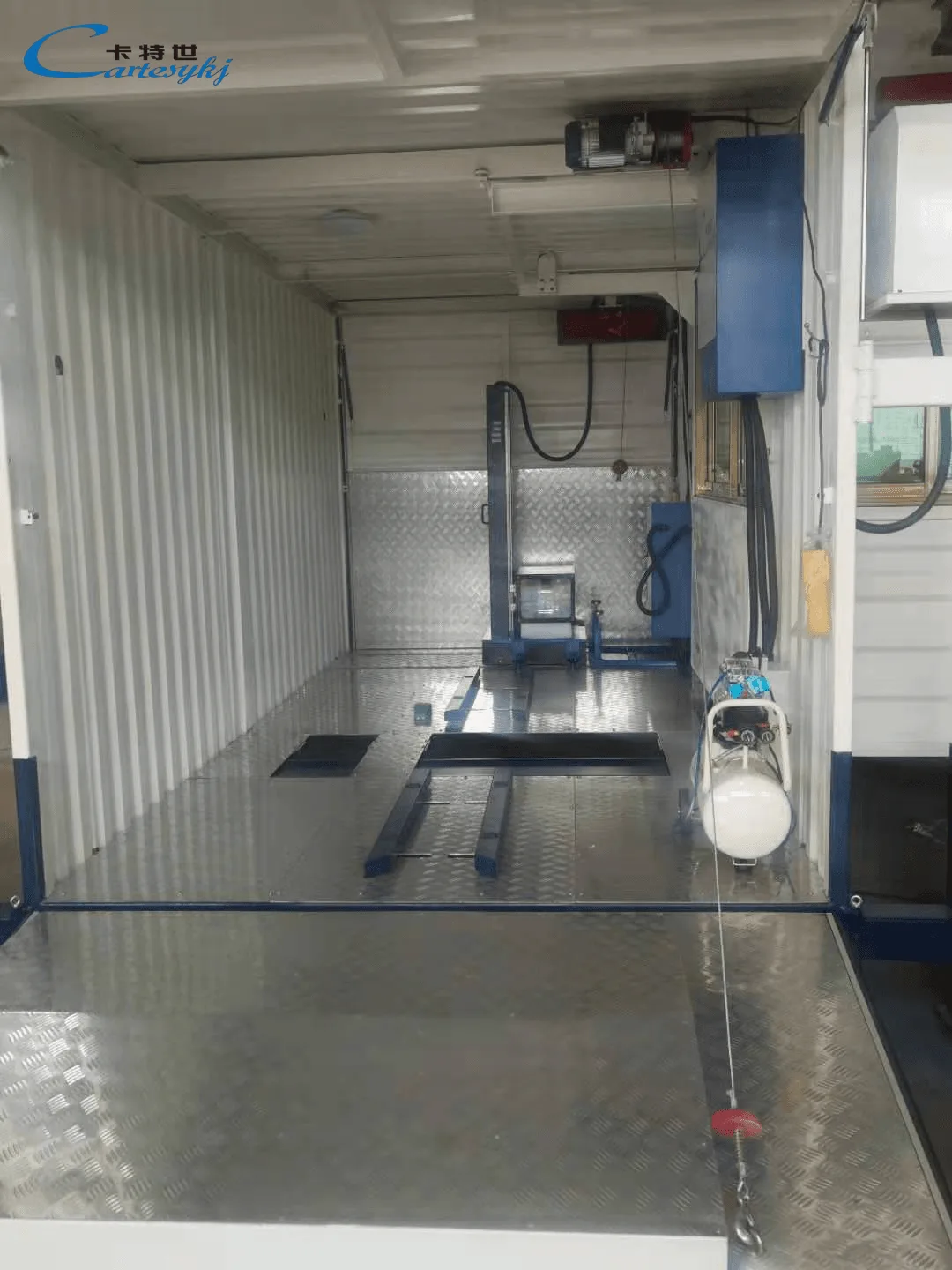
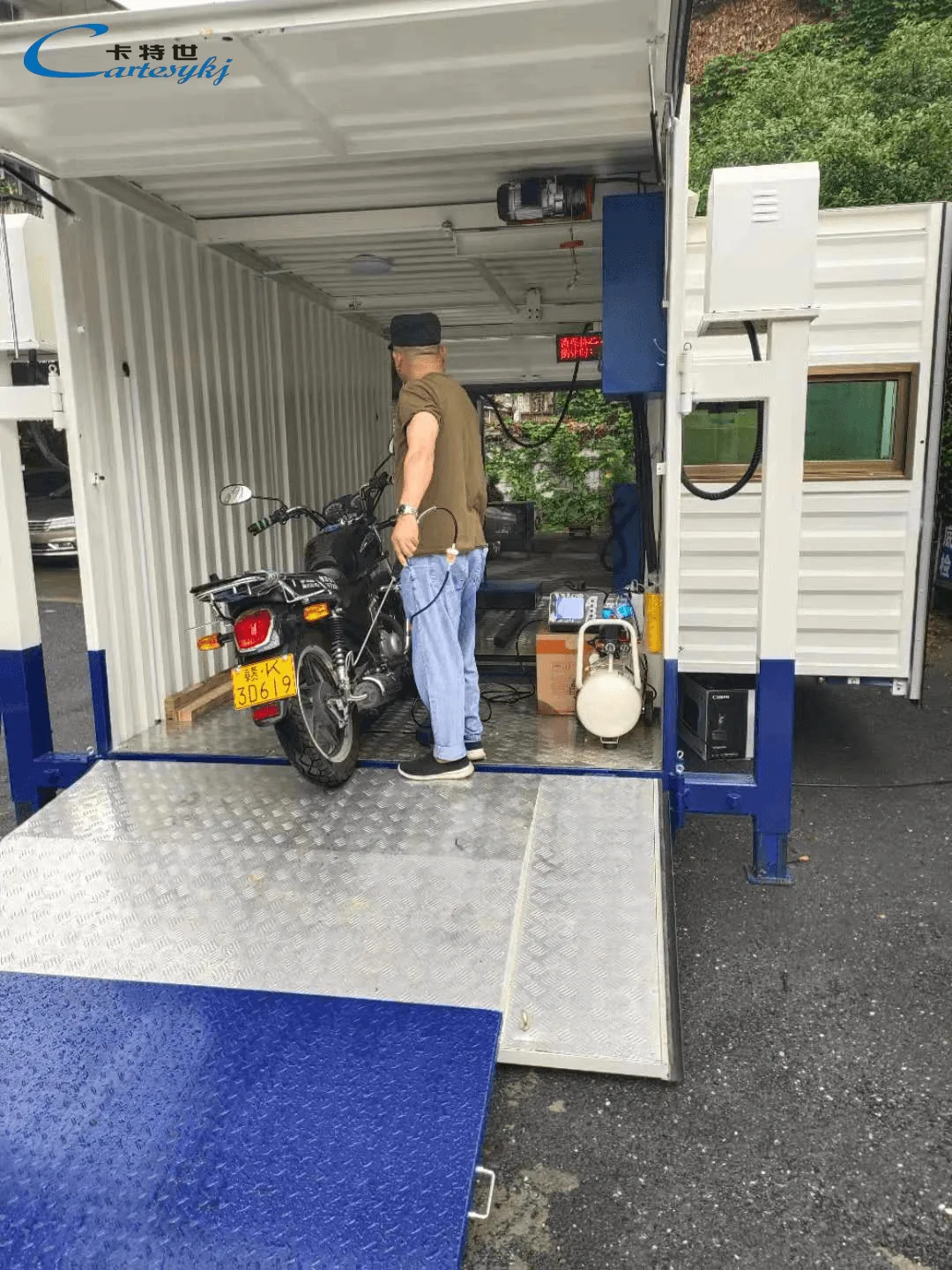
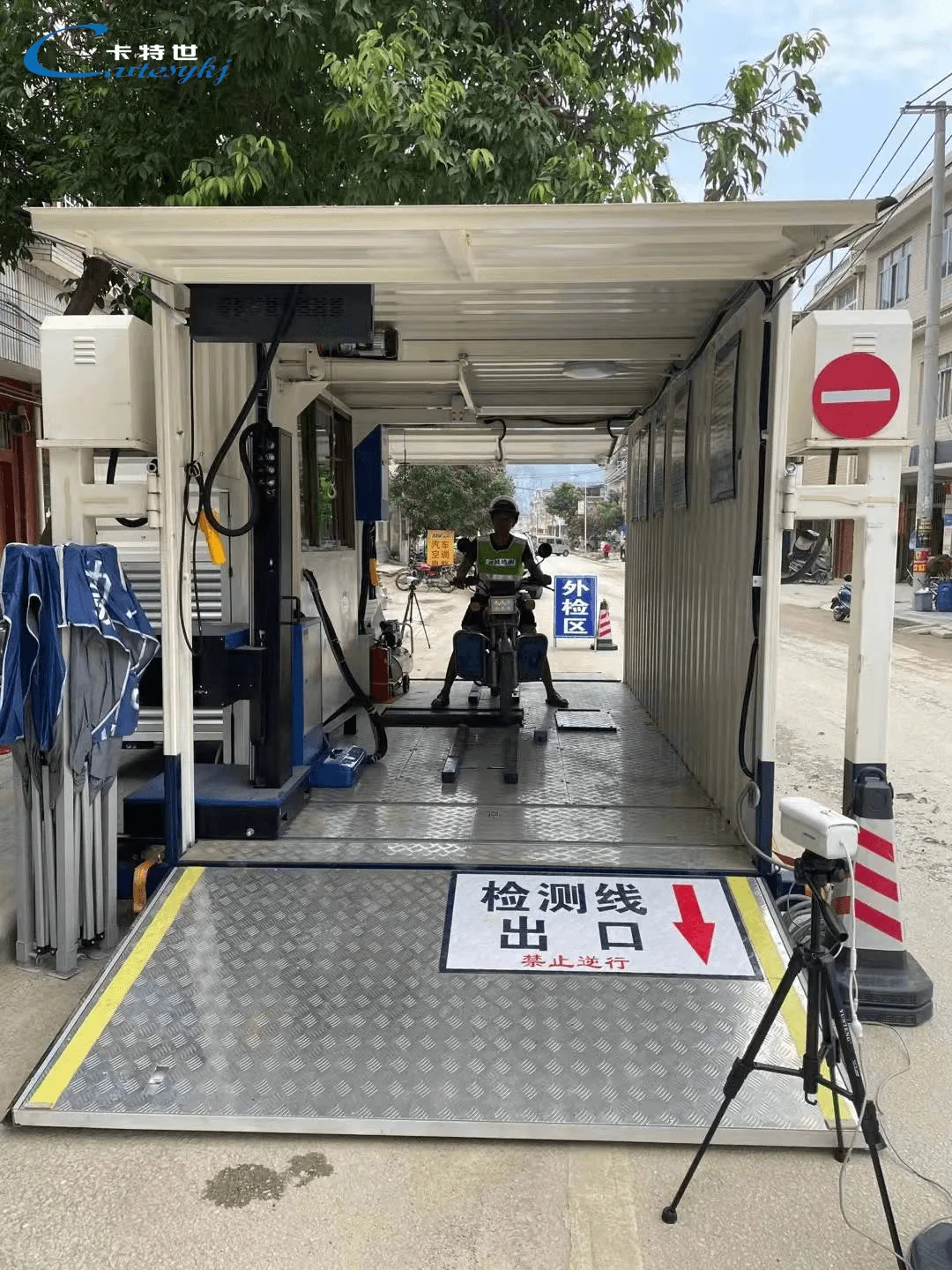
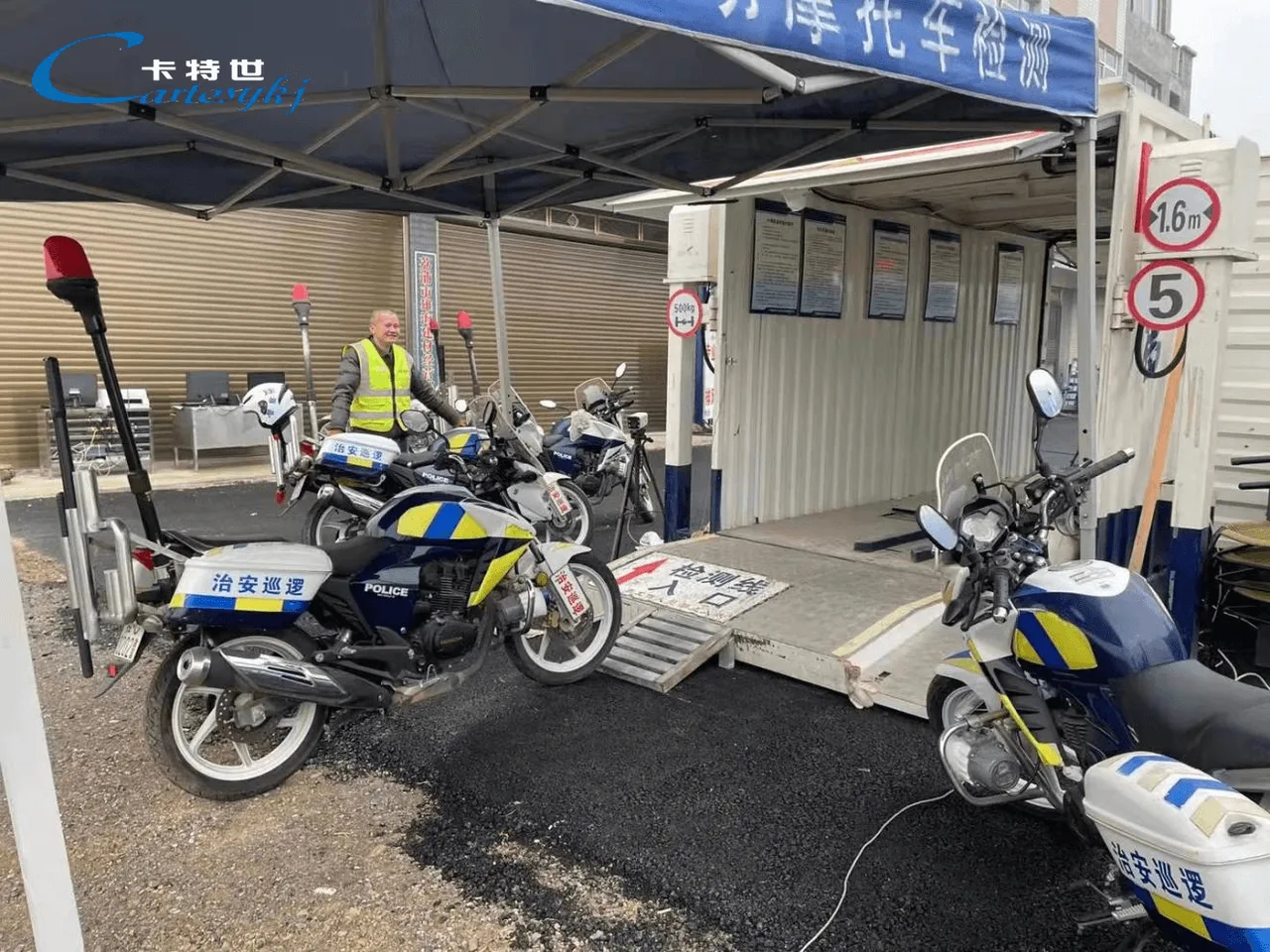
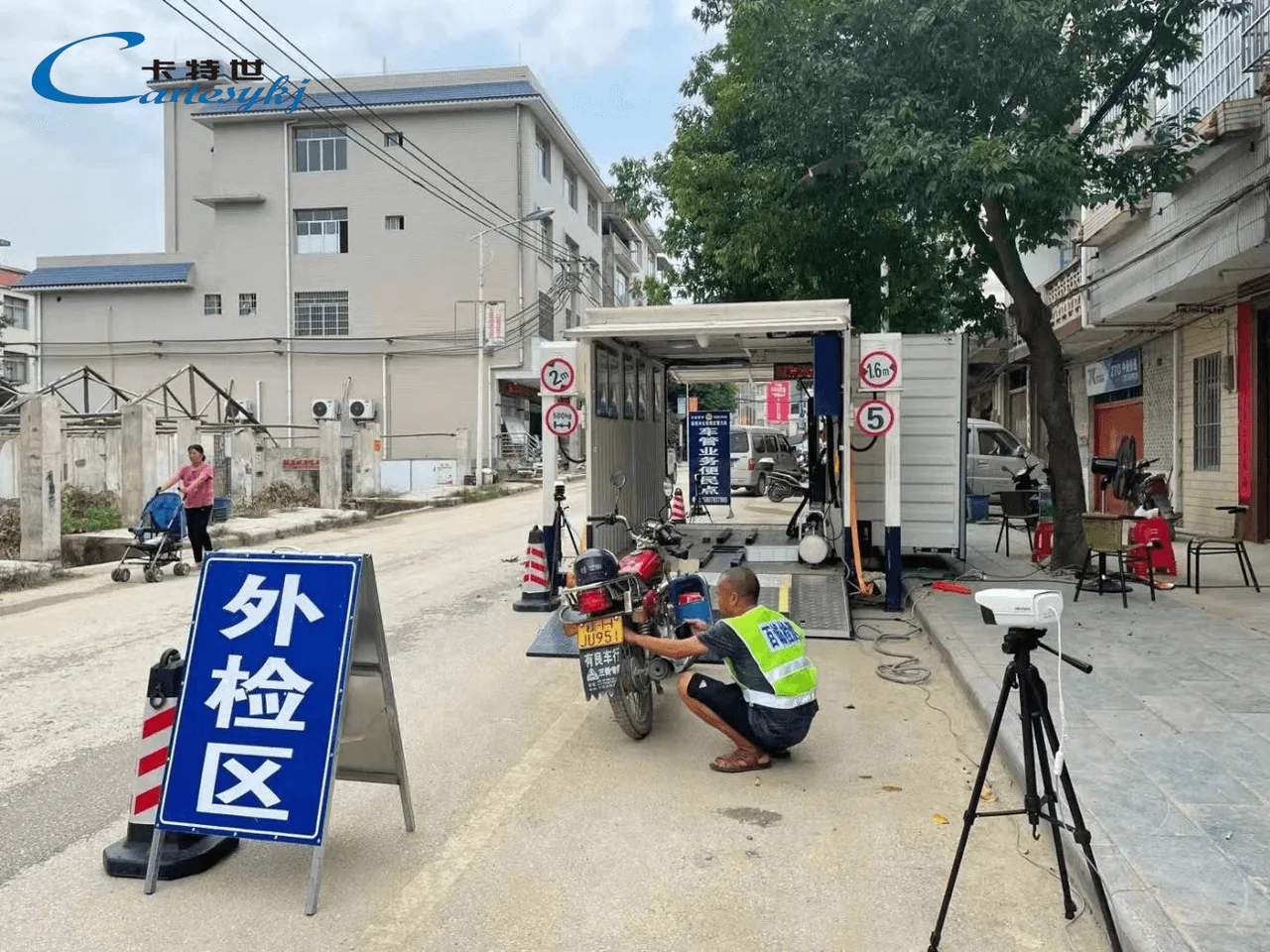
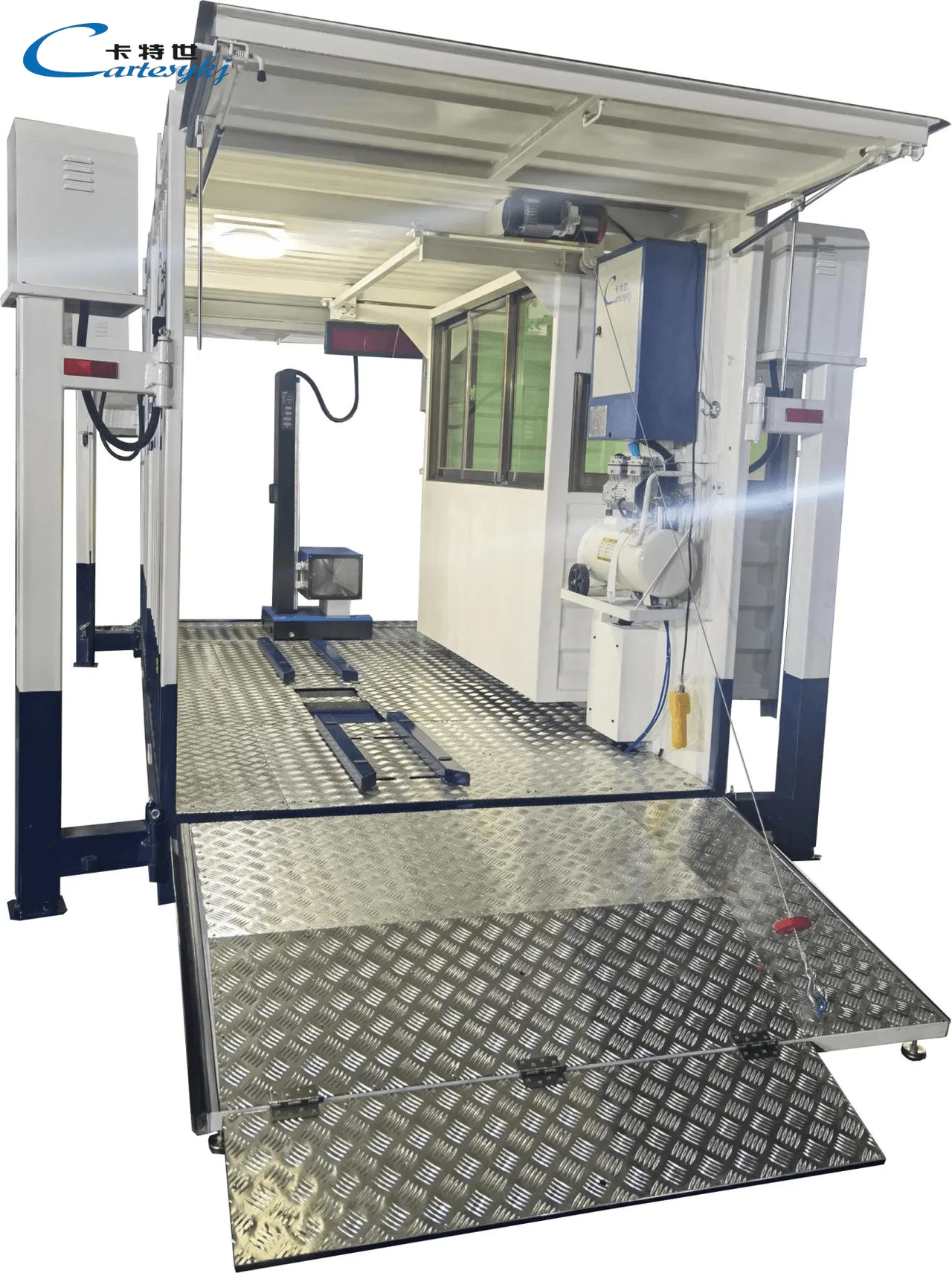
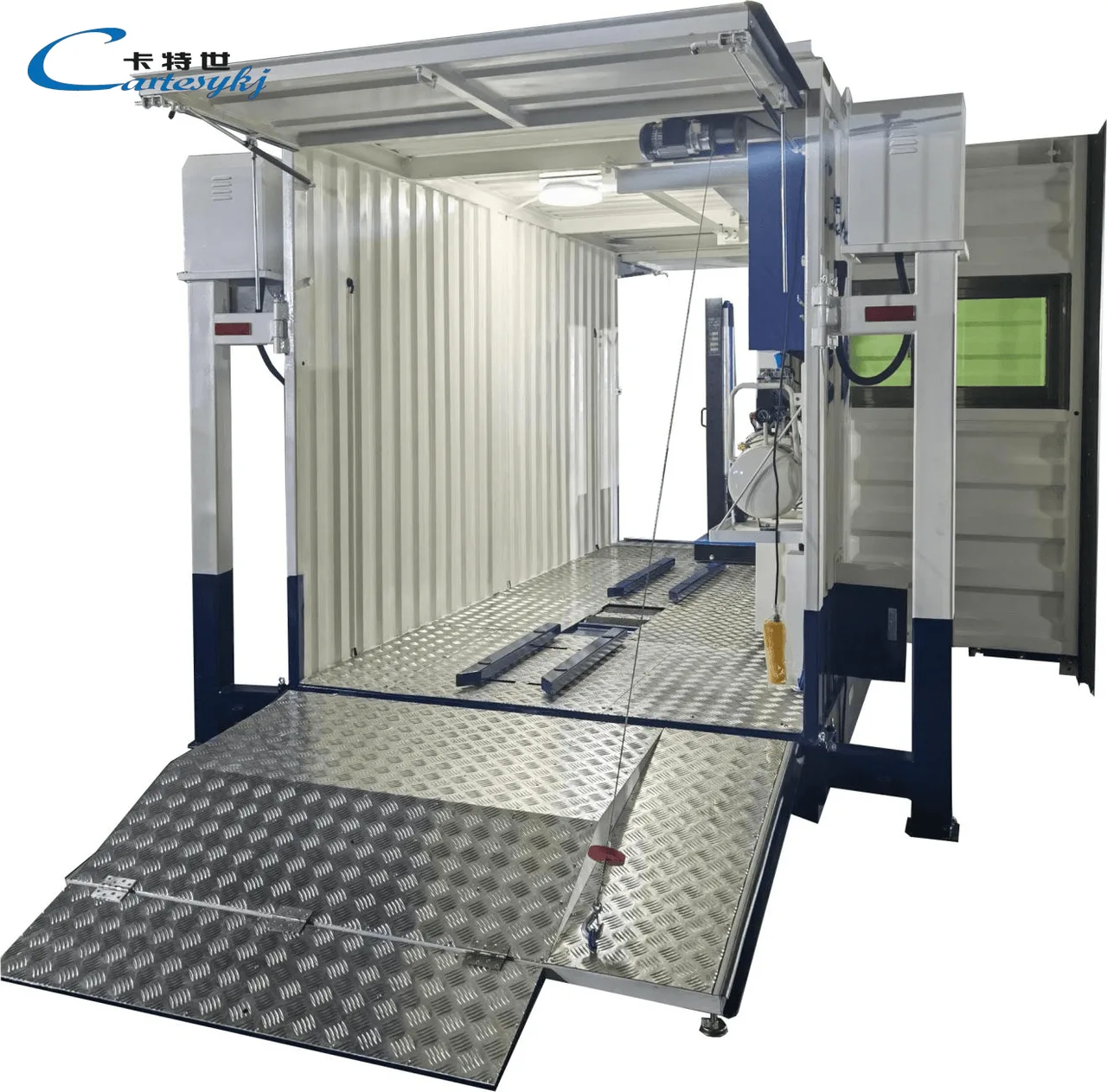
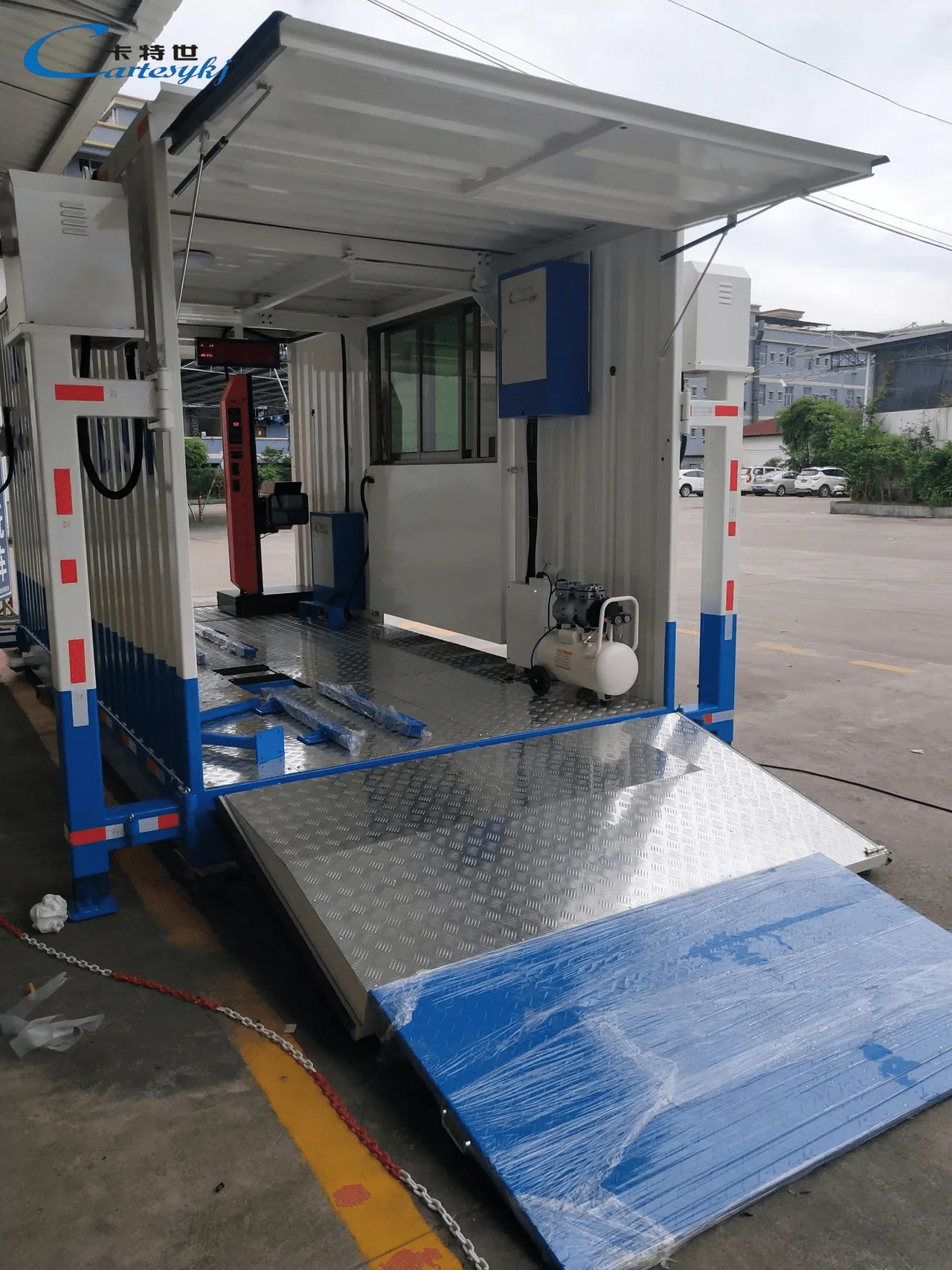
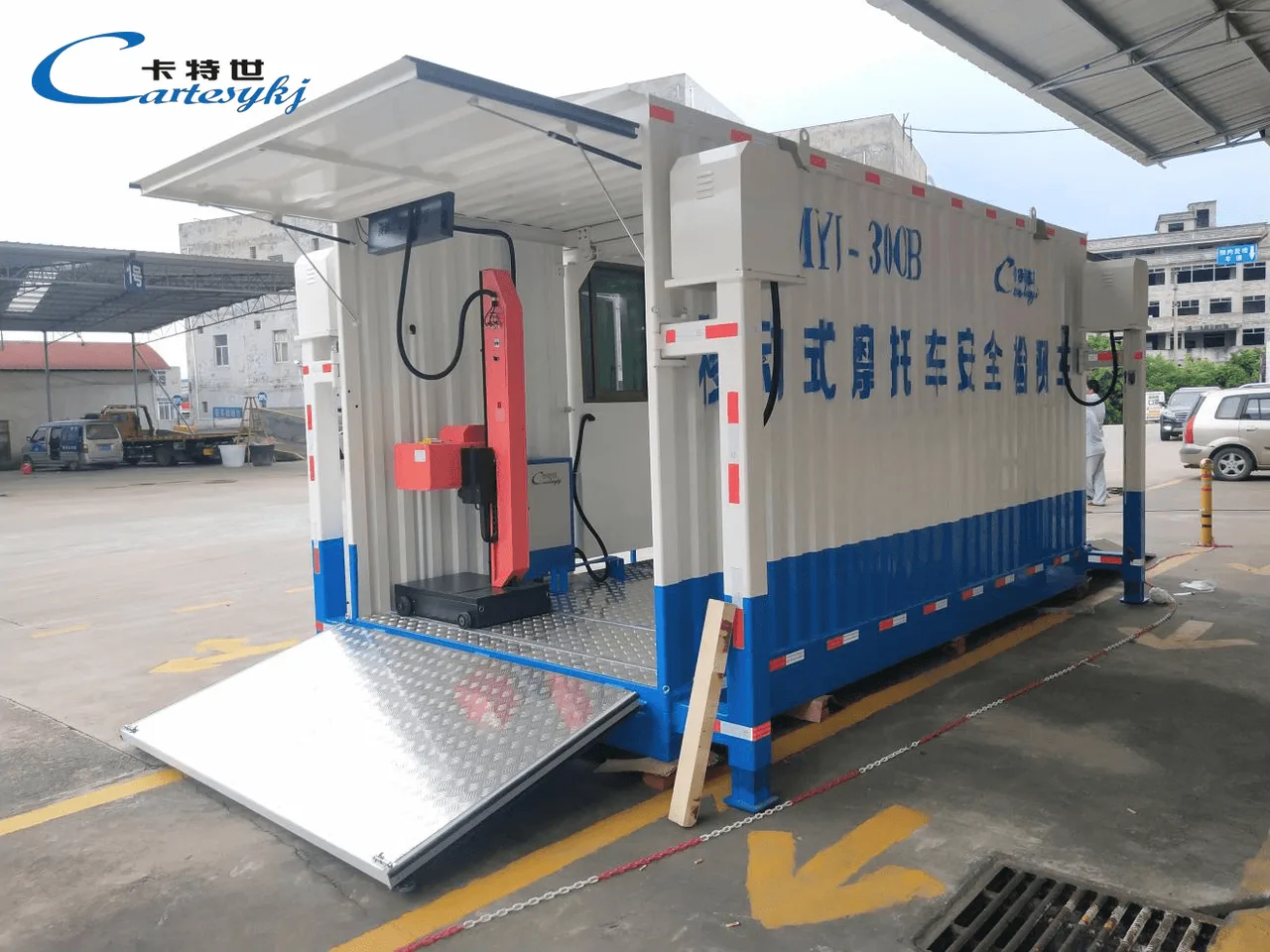
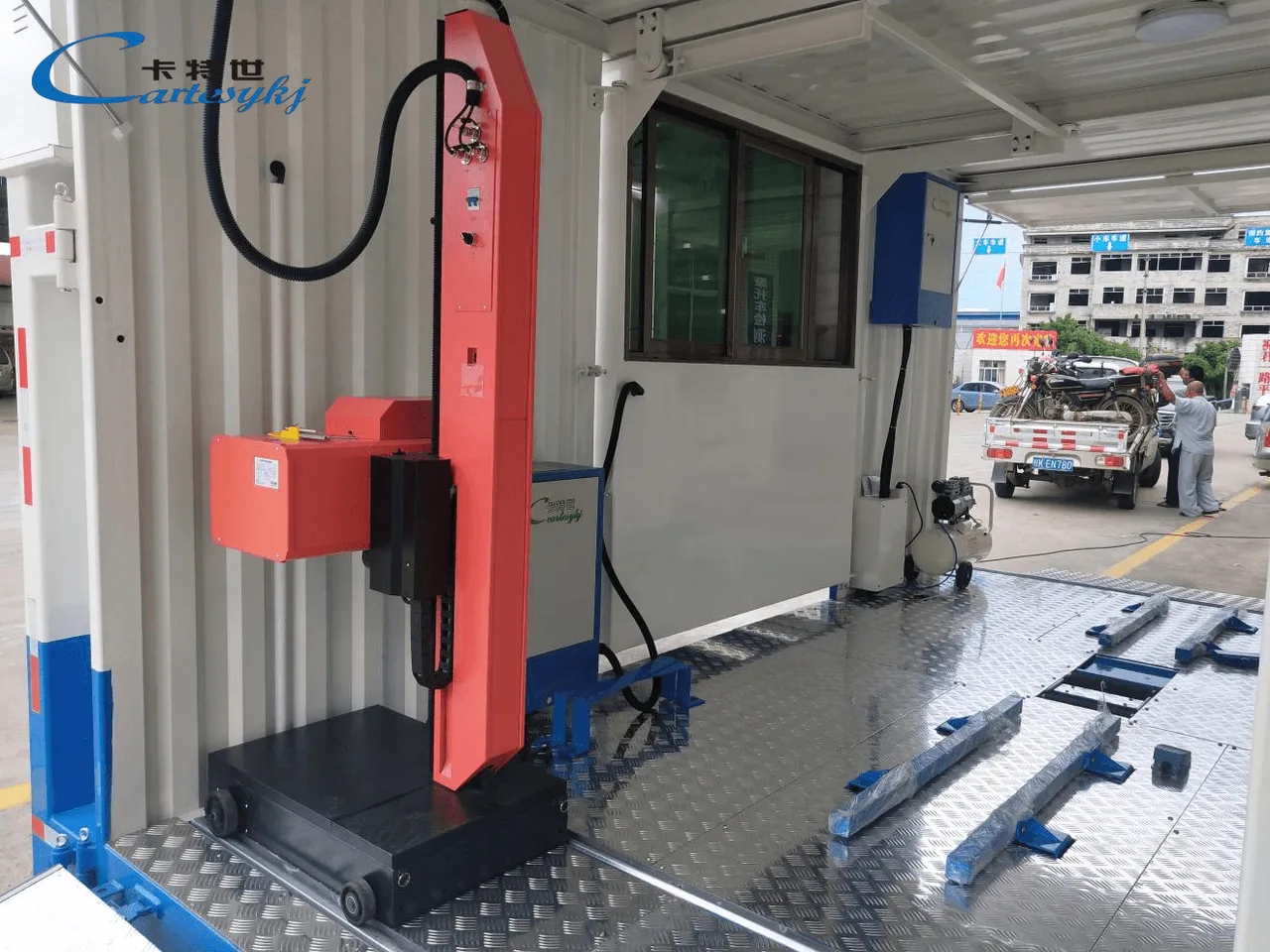
Mobile two-wheeled motorcycle inspection line
A motor vehicle inspection system for a mobile line should connect vehicle identification, supported test equipment, evaluation rules, and inspection records through a documented deployment process. For two-wheel.
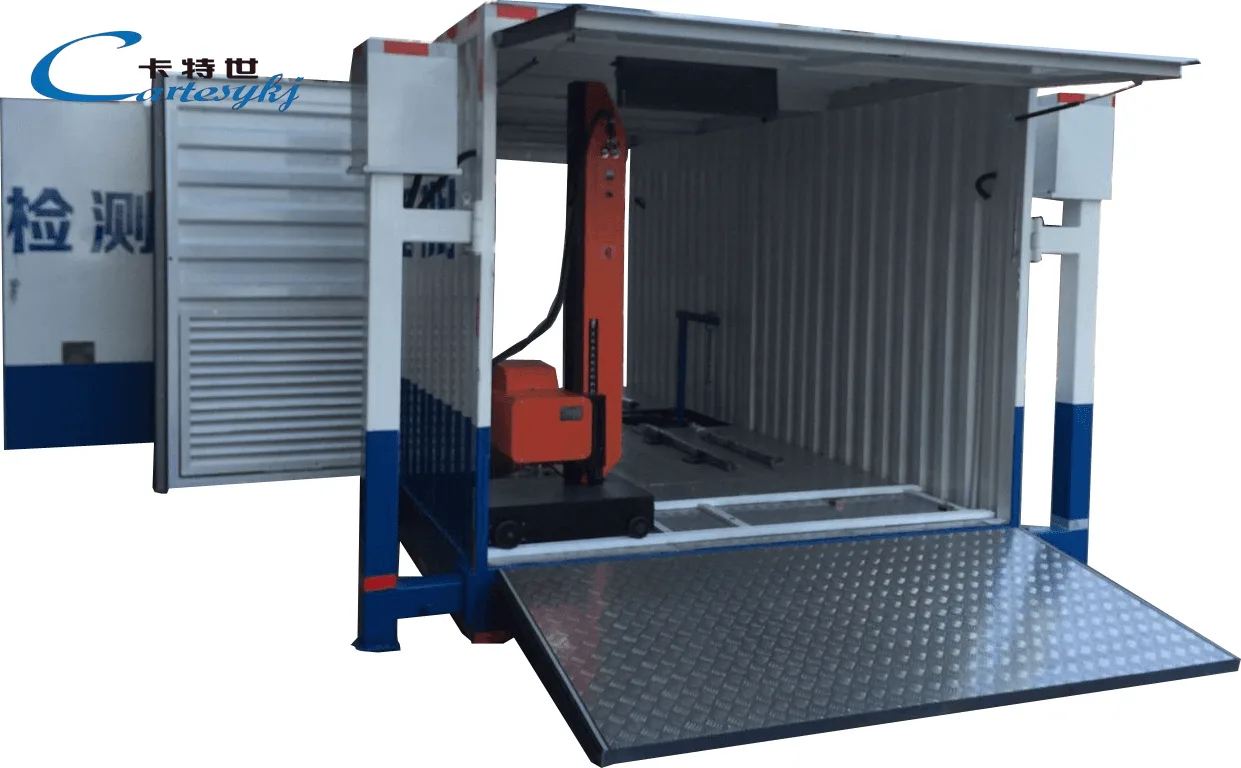
A motor vehicle inspection system for a mobile line should connect vehicle identification, supported test equipment, evaluation rules, and inspection records through a documented deployment process. For two-wheel motorcycle applications, the solution also needs suitable vehicle positioning and support arrangements at each measurement station.
The practical objective is to obtain interpretable results at each deployment site. Brake measurements, load data, and headlamp results should remain connected to the correct motorcycle, test conditions, and evaluation method.
A complete proposal should therefore explain both the physical installation and the flow of measurement data. The equipment package, supported vehicle range, and level of automation must be confirmed for the supplied configuration.
Define the Two-Wheel Motorcycle Inspection Line Scope
A Two-Wheel Motorcycle Inspection Line should begin with a defined vehicle range and inspection program.
The equipment review should consider relevant wheelbases, tire dimensions, individual-wheel loads, clearances, and the conditions required to position each motorcycle at the test stations. The manufacturer should identify any accessories or configuration changes needed for the vehicles included in the project.
Each measurement module needs its own compatibility confirmation. A common control console or reporting platform does not establish that every connected instrument supports the same motorcycles.
The proposed system should make the relationship between its principal elements clear
| System element | Function to define | Connection to the inspection record |
|---|---|---|
| Motorcycle Brake Tester | Supported test method, vehicle configuration, measurement channels, and reported brake response. | Preserve the source measurements, applicable conditions, and evaluation results. |
| Axle load tester | Measured load quantity, wheel or axle position, units, and loading condition. | Associate the load data with the correct motorcycle and any calculation that uses it. |
| Headlamp tester | Supported aim, pattern, or optical measurements and their setup requirements. | Record the measured quantity, relevant vehicle presentation, and applicable criteria. |
| Inspection software | Identification, data acquisition, evaluation, and reporting functions included in the scope. | Maintain the relationship between vehicle, test attempt, equipment, rules, and outcome. |
Where the mobile installation also serves other vehicle categories, the proposal should identify the supported configuration and procedure for each category. Shared equipment should be assessed against those requirements individually.
Connect Brake Measurements to the Correct Load Data
Brake and load measurements may be used together in an evaluation, but their relationship needs to be defined by the selected method.
The system should distinguish the values received from instruments from the indicators calculated afterward. A report should make it possible to identify which measurements and rules produced the final result.
Specify What the Axle Load Tester Measures
The term “axle load tester” does not, by itself, establish how the equipment handles a motorcycle’s tire contact or identifies the measured position.
The documentation should state whether each output represents an individual wheel, a complete axle, or another defined measurement arrangement. For a motorcycle application, the system should identify the relevant front or rear position and preserve that meaning in the record.
The source and condition of the load value also matter. The system should distinguish measured values from manually entered data and identify whether the measurement is static or dynamic under the selected procedure.
Units must remain explicit. Where a calculation requires a force-based load reference but the source reports a mass-based value, the required conversion should be documented. Different load quantities should not be substituted for one another simply because they appear under a general “weight” field.
If the motorcycle’s loading condition changes between stations, the procedure should establish whether the recorded load remains suitable for the intended calculation.
Define the Motorcycle Brake Tester Outputs
A Motorcycle Brake Tester should be specified around its documented measurement method and supported vehicle configurations.
Confirm how the motorcycle is presented and supported, which brake measurements are available, and which operating conditions are required. Rider involvement, stand use, restraint arrangements, and vehicle control settings should follow the procedure applicable to the supplied equipment and vehicle.
The reporting scope should distinguish measured brake response from calculated performance indicators. Where braking efficiency or another load-normalized result is required, identify the brake-force inputs, load reference, units, and calculation convention.
The record should also make the evaluation criteria identifiable. A result outside a defined limit needs to be distinguishable from an invalid measurement or an unfinished test.
Conclusions should remain within the selected method. A brake-force result should not be presented as a direct measurement of road stopping distance or as evidence that every aspect of the braking system has been assessed.
Give the Headlamp Tester a Defined Measurement Role
A headlamp tester should have an explicit role within the mobile inspection program.
Lamp operation, beam aim or pattern, and optical measurements are distinct tasks. The equipment specification should identify which outputs the proposed instrument supports and how those outputs will be evaluated.
Any optical result should retain the quantity actually measured, its units, and its interpretation. A general description such as “brightness testing” is insufficient if the report is expected to support a technical acceptance decision.
The supported lamp configurations and applicable evaluation rules also need confirmation. The system should not apply one beam reference or acceptance threshold to every motorcycle without a documented basis.
Control Vehicle Presentation and Measurement Geometry
Headlamp assessment depends on a defined relationship between the motorcycle, instrument, and measurement reference.
The procedure should identify the required motorcycle attitude, loading state, support arrangement, and instrument positioning. Any rider or load condition needed by the method should be documented rather than assumed.
For a mobile installation, these requirements must be established at each site. The site review should address the floor and support conditions, measuring space, reference geometry, and relevant ambient conditions specified for the instrument.
Where equipment operates on a trailer or support vehicle, confirm how its working references are established. Where instruments are unloaded, confirm how the required arrangement is recreated at the destination.
The inspection record should retain the setup information needed to interpret the headlamp result, particularly where presentation conditions form part of the evaluation method.
Design the Mobile Layout Around the Measurements
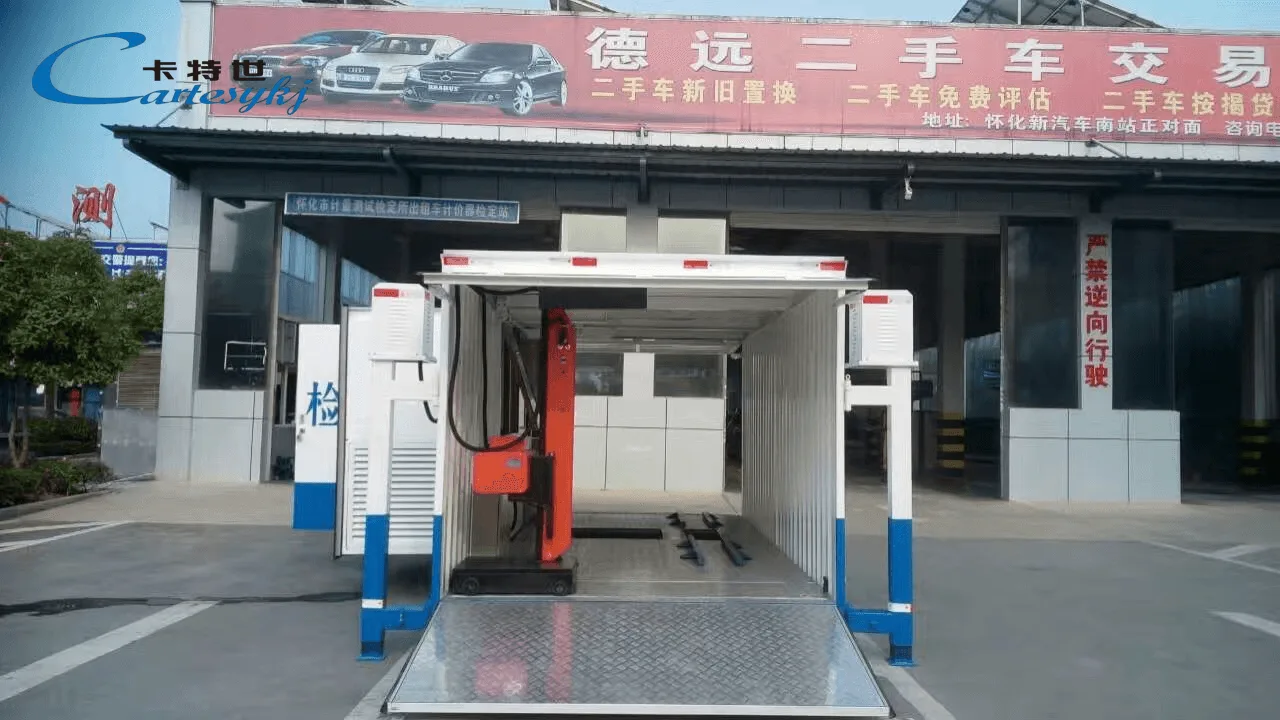
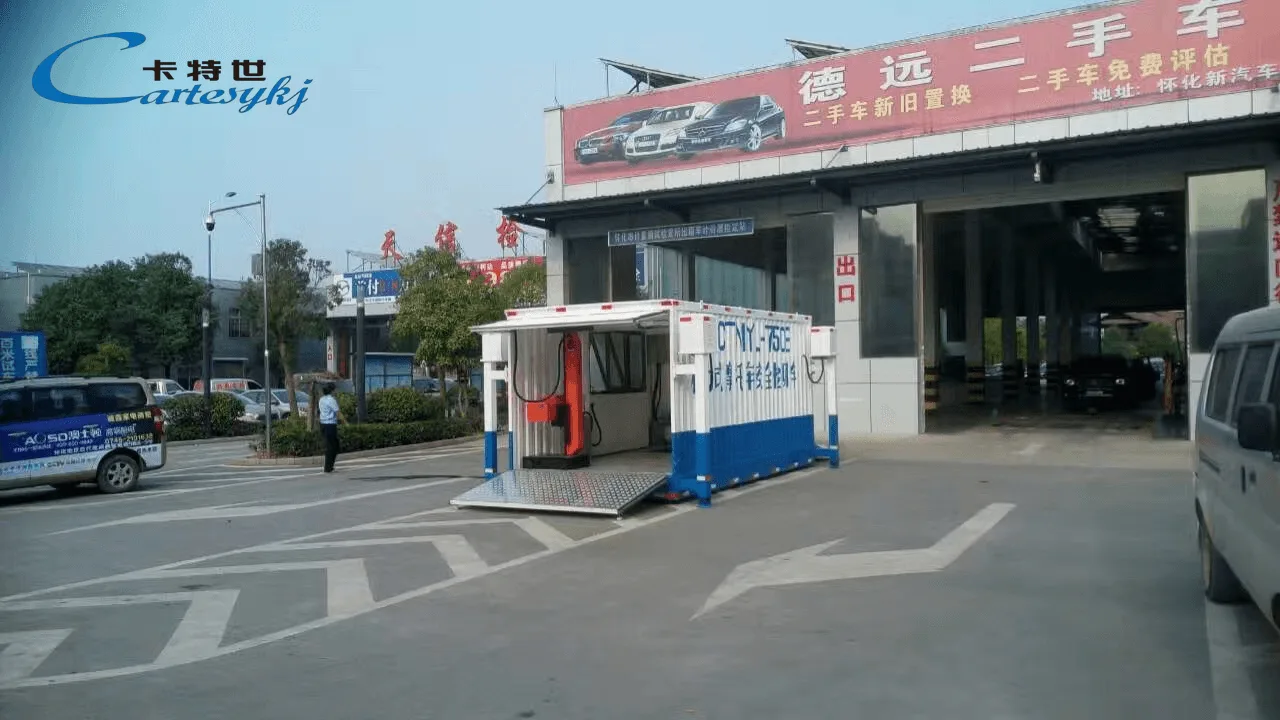
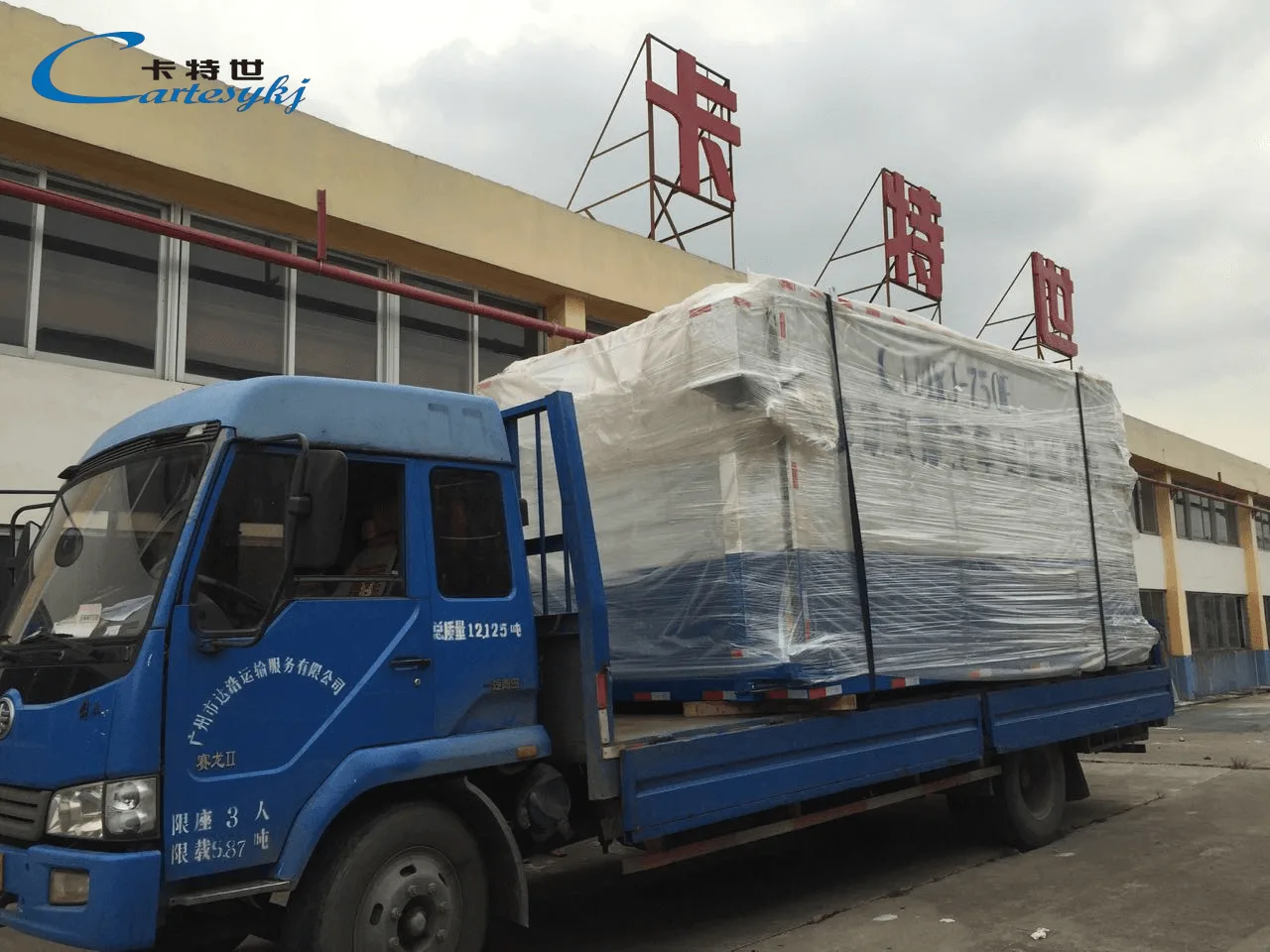
A mobile inspection line needs a documented transport configuration and a documented working configuration.
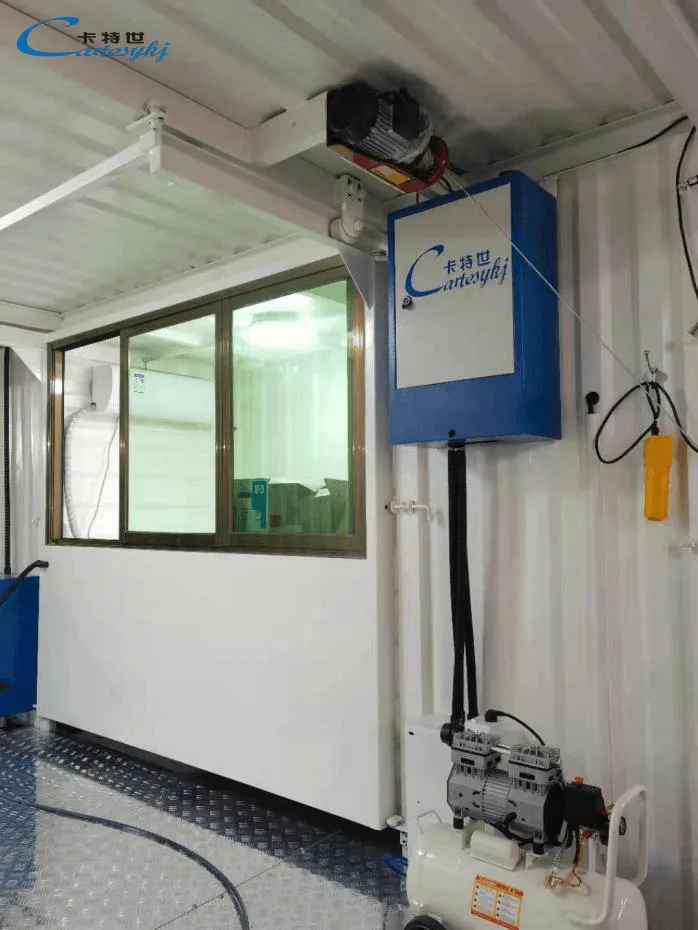
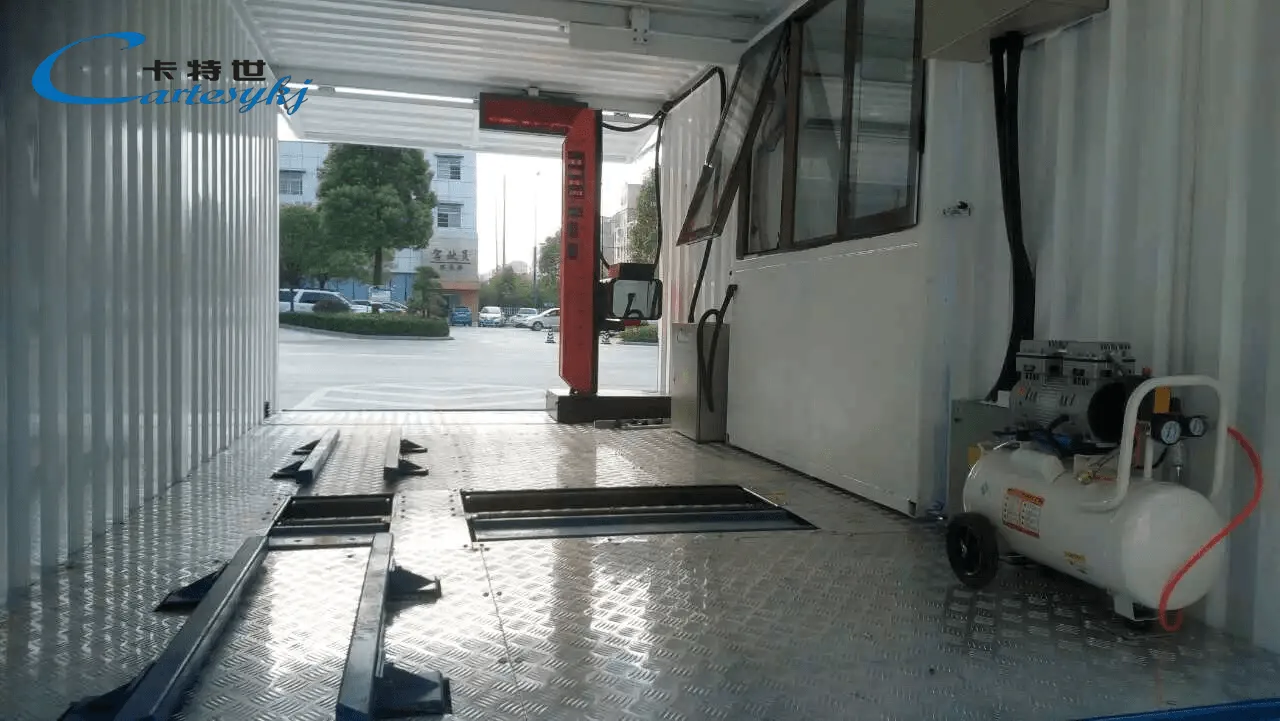
The proposal should establish whether equipment is operated on its carrier or deployed at the site. It should also identify which components travel with the line and which services or equipment must be available at the destination.
For separate modules, the deployment plan should cover handling, positioning, connections, verification, and removal. For carrier-mounted testing, it should explain the working support arrangement and how motorcycles enter, occupy, and leave the test area.
The site requirements should include
Ground and support conditions for the installed equipment.
Required levelness and measuring references.
Motorcycle access, clearances, and operator working space.
Electrical supply and any other required utilities.
Permitted environmental operating conditions.
Communications needed for the agreed reporting functions.
The layout should follow the requirements of the test methods and equipment. Station order should come from the approved inspection procedure and installation design, rather than an assumed sequence that applies to every system.
Planning should also distinguish transport weight from testing loads. Both are relevant to deployment, but they serve different purposes in the site and equipment assessment.
Establish Measurement Readiness After Deployment
Arriving at a site and connecting the equipment are only part of preparing the system for use.
The documented setup procedure should identify the checks required before inspection begins. These may include installation checks, equipment configuration, measurement verification, and confirmation of the references needed by individual instruments.
Follow the applicable requirements after transport and setup, including any specified recalibration. The project should avoid a blanket assumption that every relocation requires full recalibration or that moving equipment can never affect measurement validity.
A readiness record should identify the site, installed configuration, equipment used, completed checks, and relevant calibration references. It should also establish who confirms readiness under the operating procedure.
Setup activities should be included in deployment planning. Any estimate of inspection capacity should state whether it covers individual tests, a complete vehicle inspection, or the broader operating period that includes installation and verification.
Link Measurements, Rules, and Results in One Workflow
The motor vehicle inspection system should maintain a clear relationship between each motorcycle and its test attempts.
Vehicle identification should lead to the appropriate inspection program. Measurements should then be associated with the correct vehicle, station, equipment, and test conditions. The system should preserve the source values and identify any calculations performed afterward.
For load-dependent brake evaluations, the interface should carry enough information to confirm that the load data is suitable for the selected calculation. Receiving a numerical value is insufficient if its units, position, source, or loading condition are unclear.
Headlamp records need the same discipline. The system should identify the measured function and preserve the presentation information required by the method.
Keep Exceptions and Retests Visible
The workflow should distinguish accepted results, rejected results, invalid measurements, and incomplete tests.
Missing measurements should remain visible. If a required load input is unavailable, for example, the report should identify the evaluation that remains unresolved while preserving any valid brake data already collected.
Repeat tests should create linked records. Earlier attempts, reasons for repetition, and relevant corrective actions should remain available for review.
Changes to inspection programs or evaluation rules should also be identifiable. Historical results should retain the rule version used at the time of the assessment.
Confirm the Scope of Automation
Data acquisition, equipment control, report generation, and external transmission are separate functions.
The proposal should identify which steps are automatic, which require operator input, and which depend on another system. Automatic vehicle identification, offline operation, centralized storage, and external reporting interfaces should be confirmed individually.
A unified report does not establish automatic control of every station. Similarly, successful data transmission does not establish that a report has been accepted by an external inspection program.
Verify the Complete Motor Vehicle Inspection Station Solution
A motor vehicle inspection station solution should define the responsibilities and evidence required to bring the proposed system into service.
Ask the vehicle inspection equipment manufacturer to provide the supported motorcycle range, equipment configuration, installation requirements, data interfaces, sample reports, and acceptance procedure. Standard functions, optional modules, and project-specific work should be distinguishable.
Acceptance should demonstrate the agreed measurement and reporting workflow using the configuration and vehicle conditions included in the project. Relevant exception paths should also be covered, such as missing load data, interrupted acquisition, or a repeat inspection.
Software demonstrations and measurement verification should be documented separately. Showing that a calculation or report works does not establish the performance of the connected measuring instrument.
Where the service will operate within an official inspection program, confirm the equipment, procedures, deployment arrangements, and reporting requirements applicable to that program. Manufacturer identity and a station-solution label do not establish authorization or acceptance.
Develop a Mobile System Around Traceable Measurements
A useful mobile inspection solution connects compatible equipment with documented site conditions and an understandable evaluation process.
For a two-wheel motorcycle configuration, brake testing needs a supported vehicle setup and a defined method. Load data needs an identifiable quantity, source, and calculation role. Headlamp testing needs confirmed outputs and a controlled presentation arrangement.
To develop the proposal, provide the expected motorcycle configurations, required inspection items, intended sites, available utilities, and reporting needs. Request a corresponding layout, supported-function list, deployment procedure, sample records, and commissioning plan.
These documents provide a practical basis for assessing whether the proposed system can support the intended mobile inspection service.
Project imagery