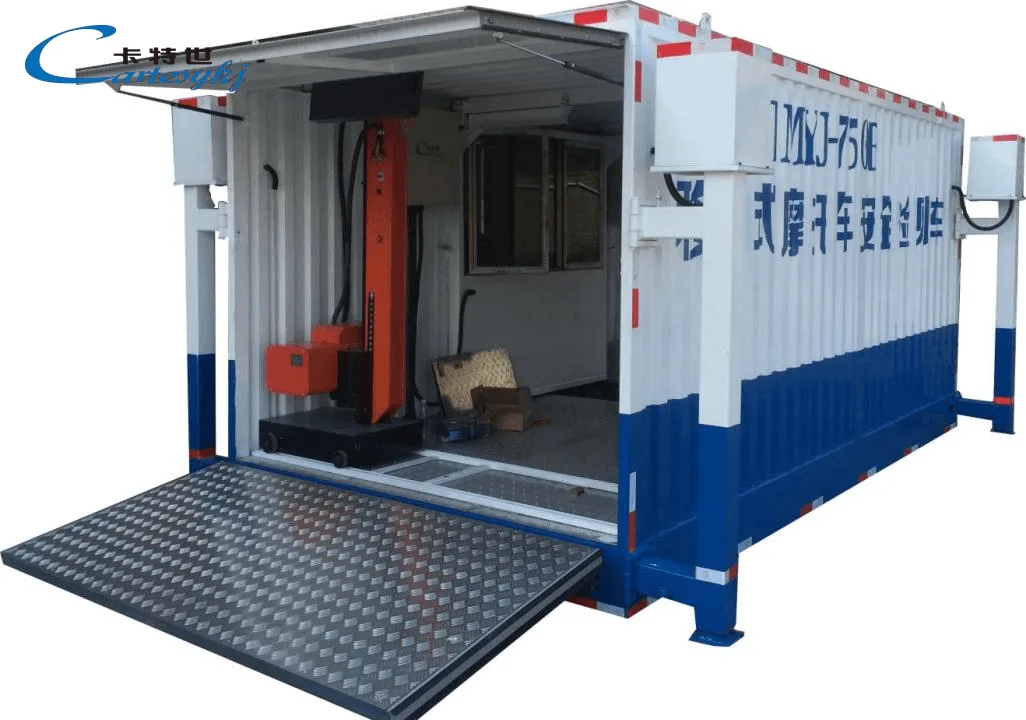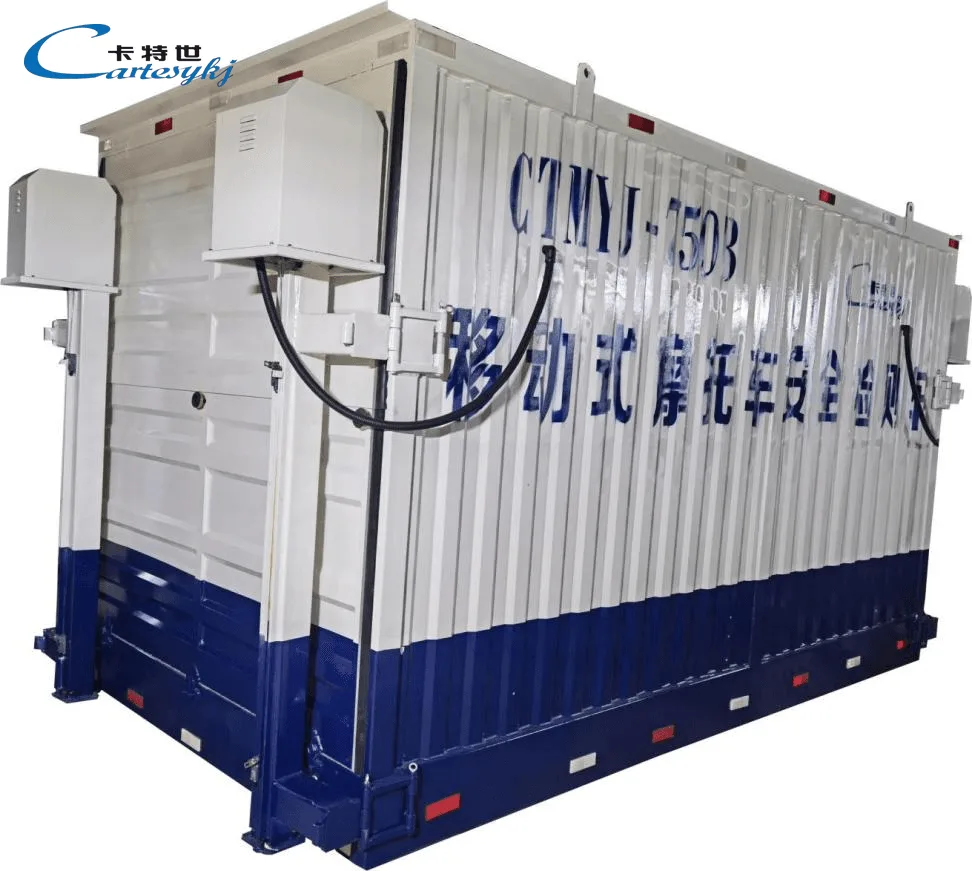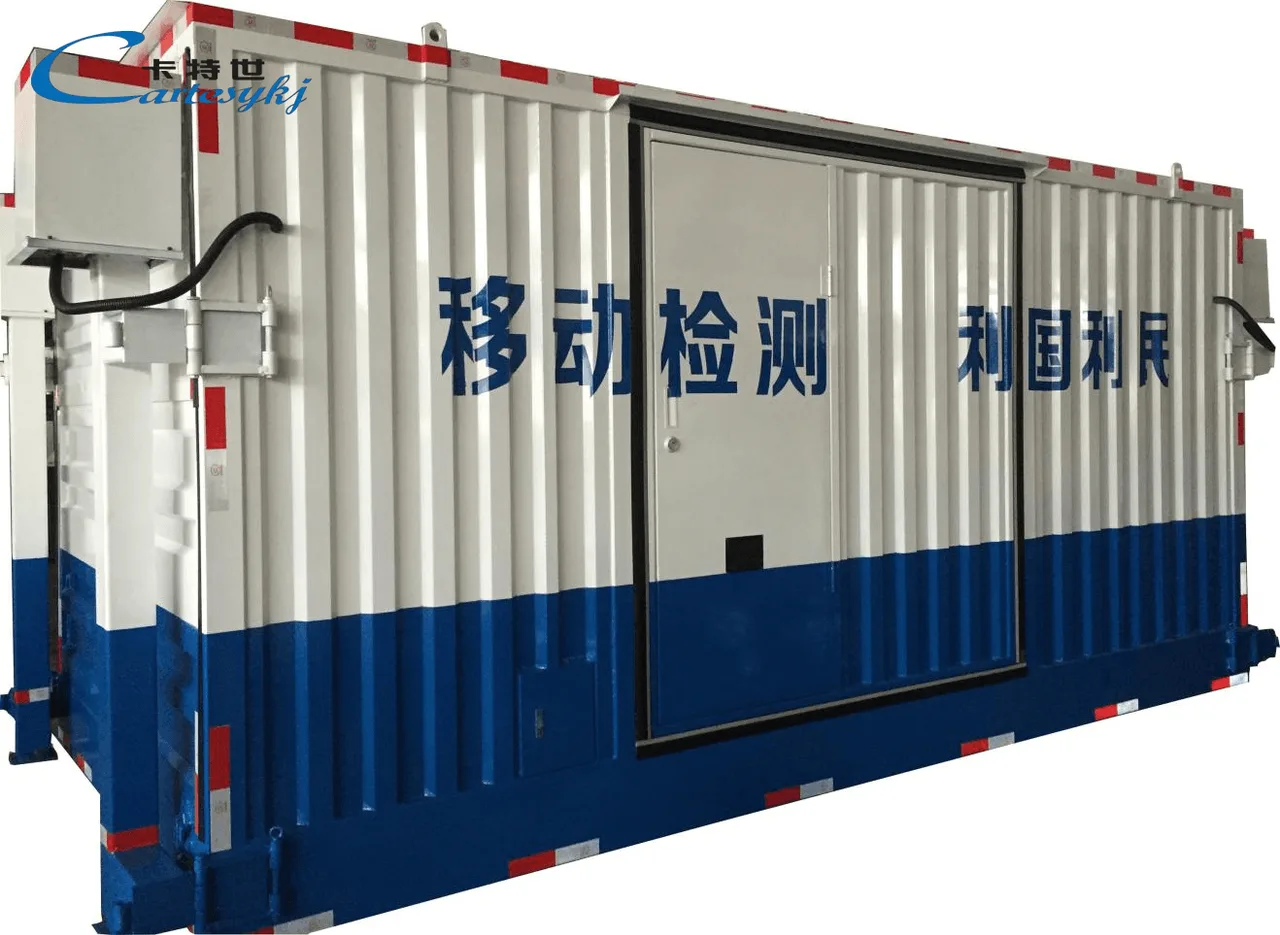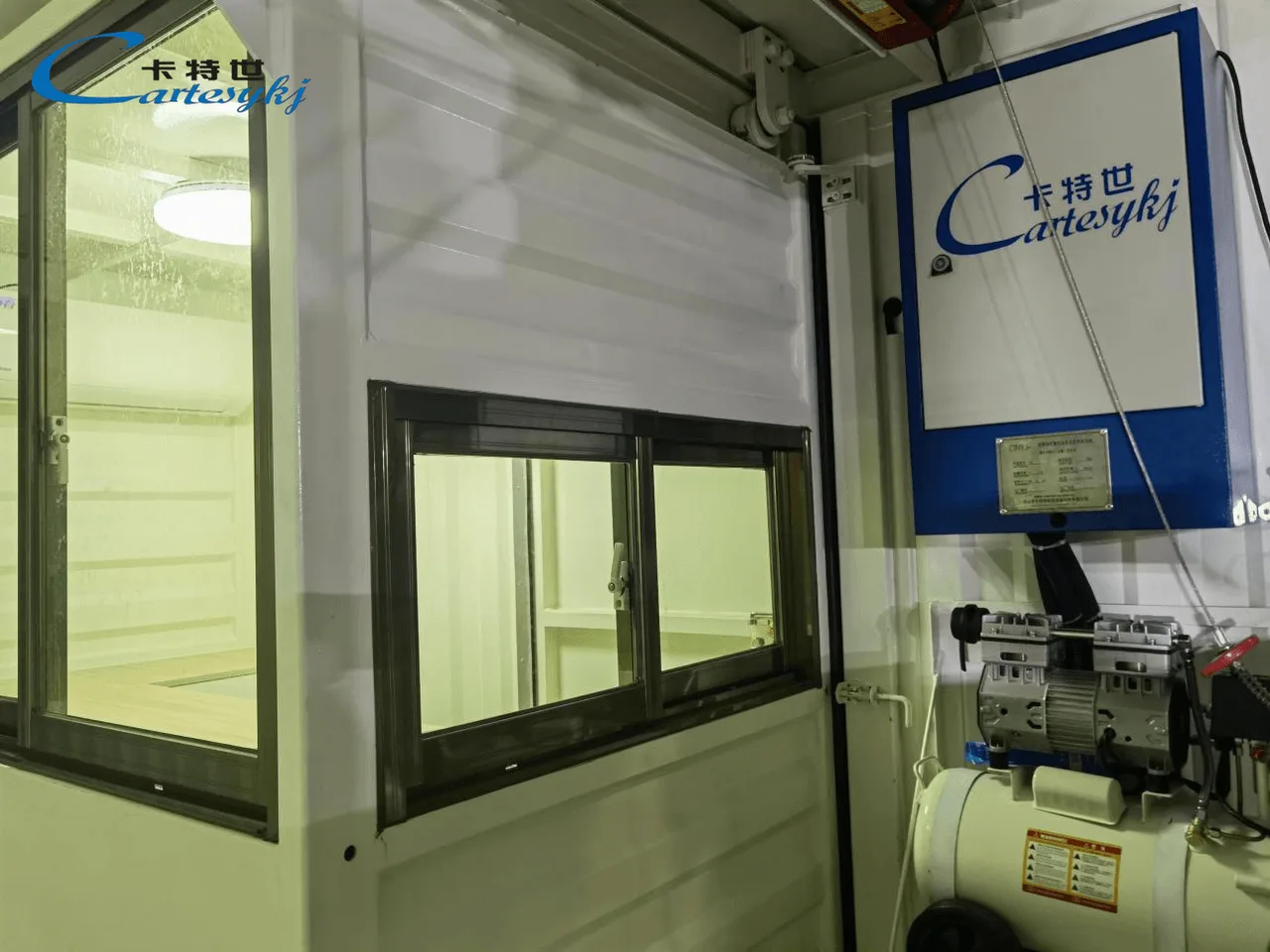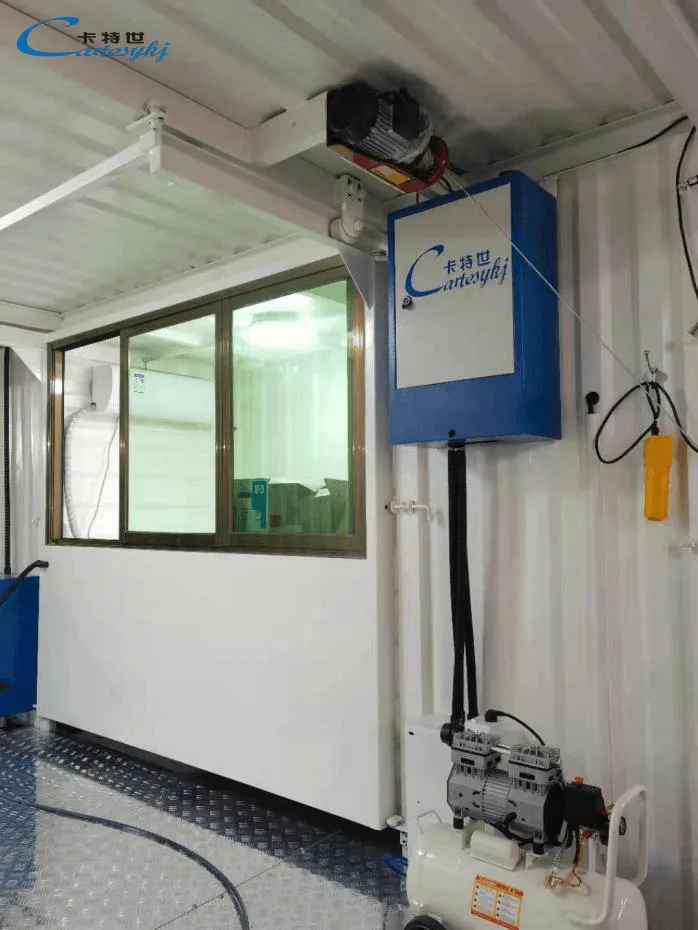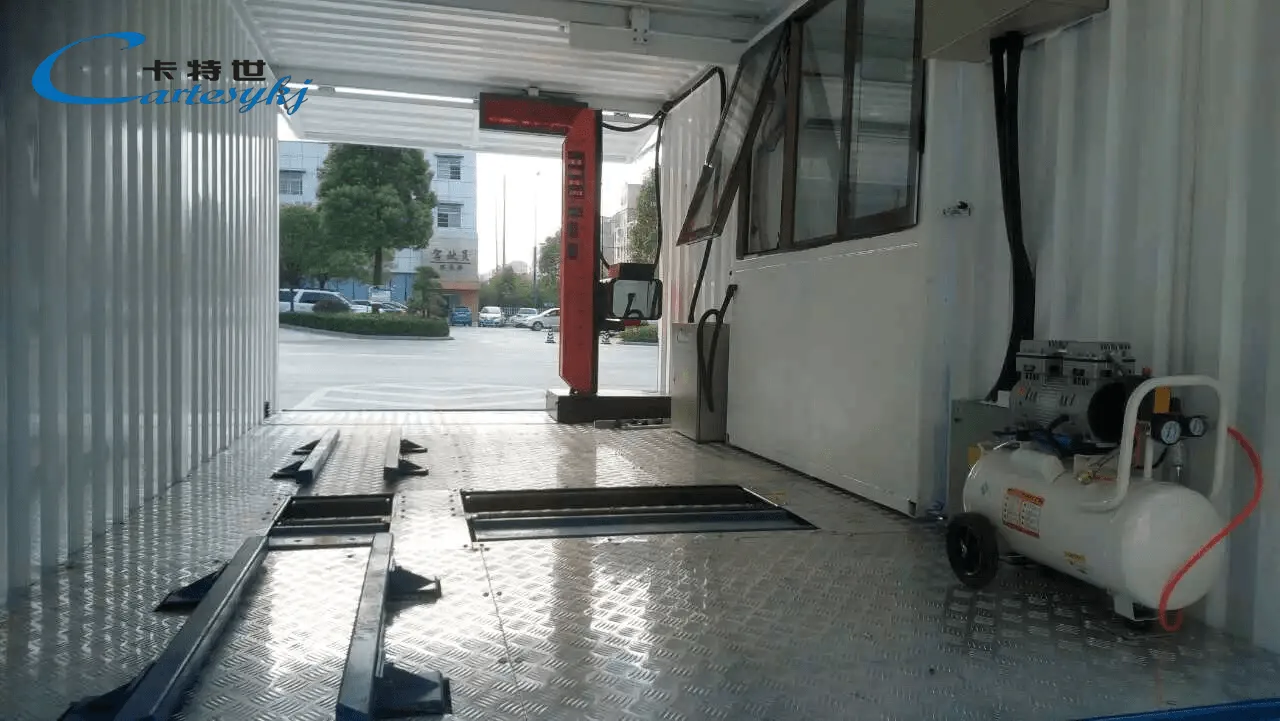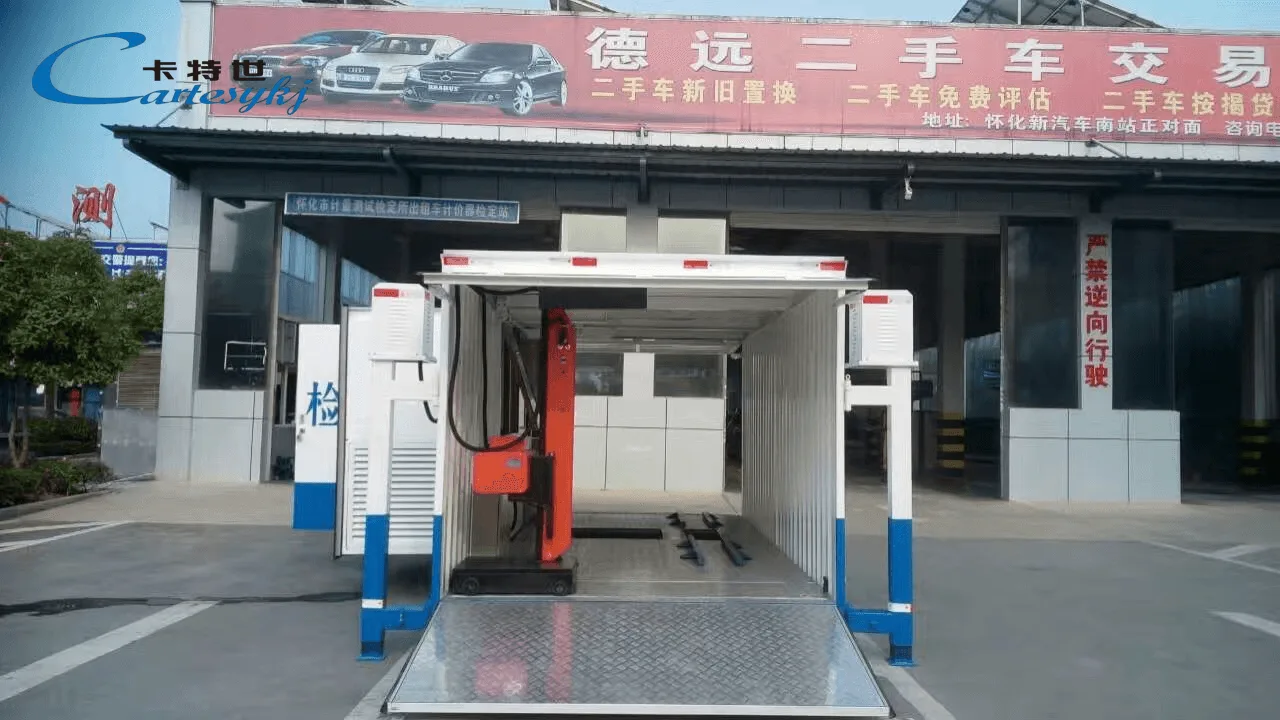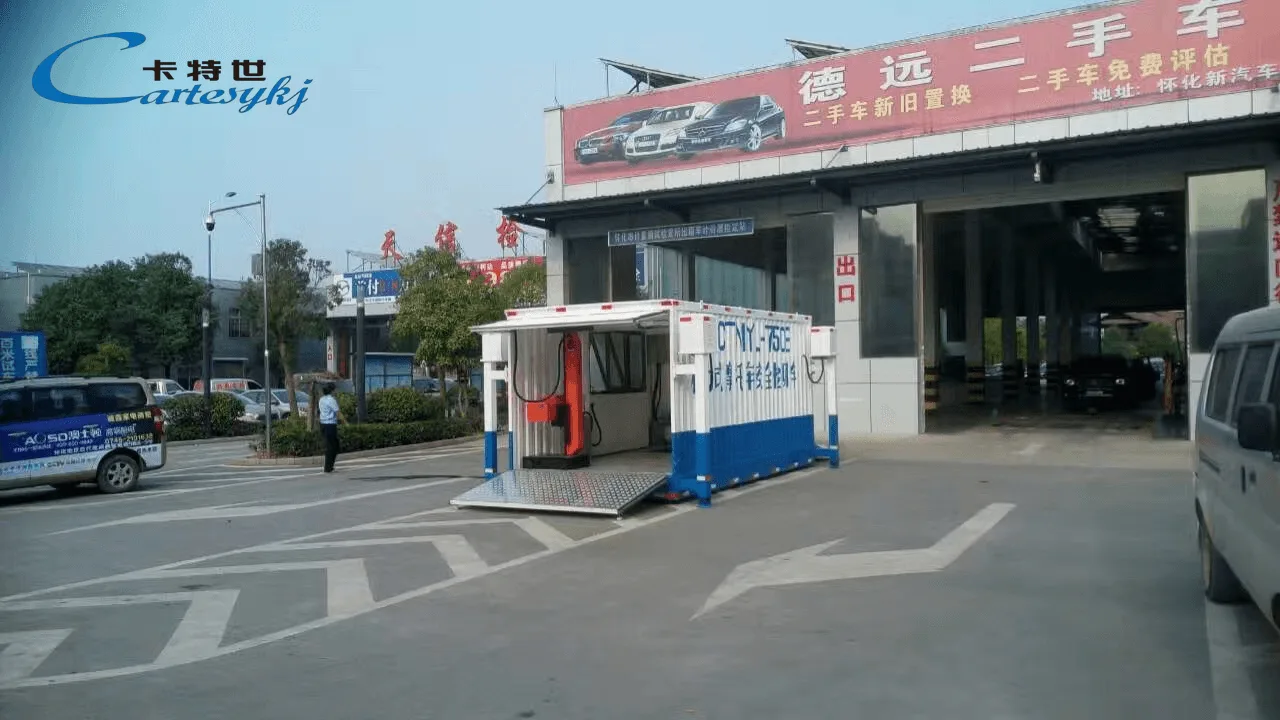
Project
Mobile Two-Wheeled and Universal-Vehicle Motorcycle Inspection Line Proposal
A mobile vehicle inspection line for motorcycles needs equipment and procedures suited to the vehicles being tested, together with a documented method for transport, installation, and measurement verification. Two-wheel.
A mobile vehicle inspection line for motorcycles needs equipment and procedures suited to the vehicles being tested, together with a documented method for transport, installation, and measurement verification. Two-wheel motorcycle inspection equipment should be selected around the required inspection items, supported vehicle configurations, and conditions available at each deployment site.
For inspection operators, the practical objective is to establish valid test conditions wherever the line is deployed. Motorcycle positioning, support arrangements, equipment access, and headlight measurement geometry all need attention during planning.
A complete solution should therefore define what the equipment measures, how the motorcycle is presented for each test, and how the inspection record preserves the conditions and results.
Define the Required Motorcycle Inspection Functions
Start with the inspection program and identify the measurements it requires. The equipment list should follow that scope.
A mobile arrangement may provide a dedicated motorcycle inspection service or a confirmed motorcycle configuration within a broader vehicle inspection line. In either case, the proposal should identify which modules support two-wheel vehicles and which procedures apply to them.
Potential functions should be included only where the inspection program requires them and the supplied equipment supports the intended application.
| Inspection function | Information the equipment proposal should identify |
|---|---|
| Brake testing | Motorcycle-compatible measurement method, supported loads and geometry, reported quantities, and evaluation procedure. |
| Speedometer testing | Sources of indicated and reference speed, association of readings with the correct test point, units, and calculation method. |
| Headlight testing | Whether the scope covers lamp operation, beam aim or pattern, or specified optical measurements, together with the required test arrangement. |
| Inspection records | Vehicle identification, measurement sources, evaluation rules, result status, and the reporting functions included in the system. |
A shared report format does not establish that all connected instruments support motorcycles. Compatibility should be confirmed separately for each measurement module.
Where the installation also uses other motor vehicle inspection equipment, the supplier should explain the supported motorcycle configuration, any required accessories, and the procedure for changing between vehicle categories.
Confirm Motorcycle Compatibility and Support
Two-wheel compatibility involves more than a vehicle weight limit.
The equipment review should cover relevant wheelbases, tire dimensions, individual-wheel loads, ground clearance, and the geometry needed to position the motorcycle at each station. These requirements should be checked against the actual vehicle range expected at the inspection sites.
The manufacturer should also provide a documented method for presenting and supporting the motorcycle during each test. That method should identify the required equipment or accessories, the rider or operator’s role, and any loading conditions relevant to the measurement.
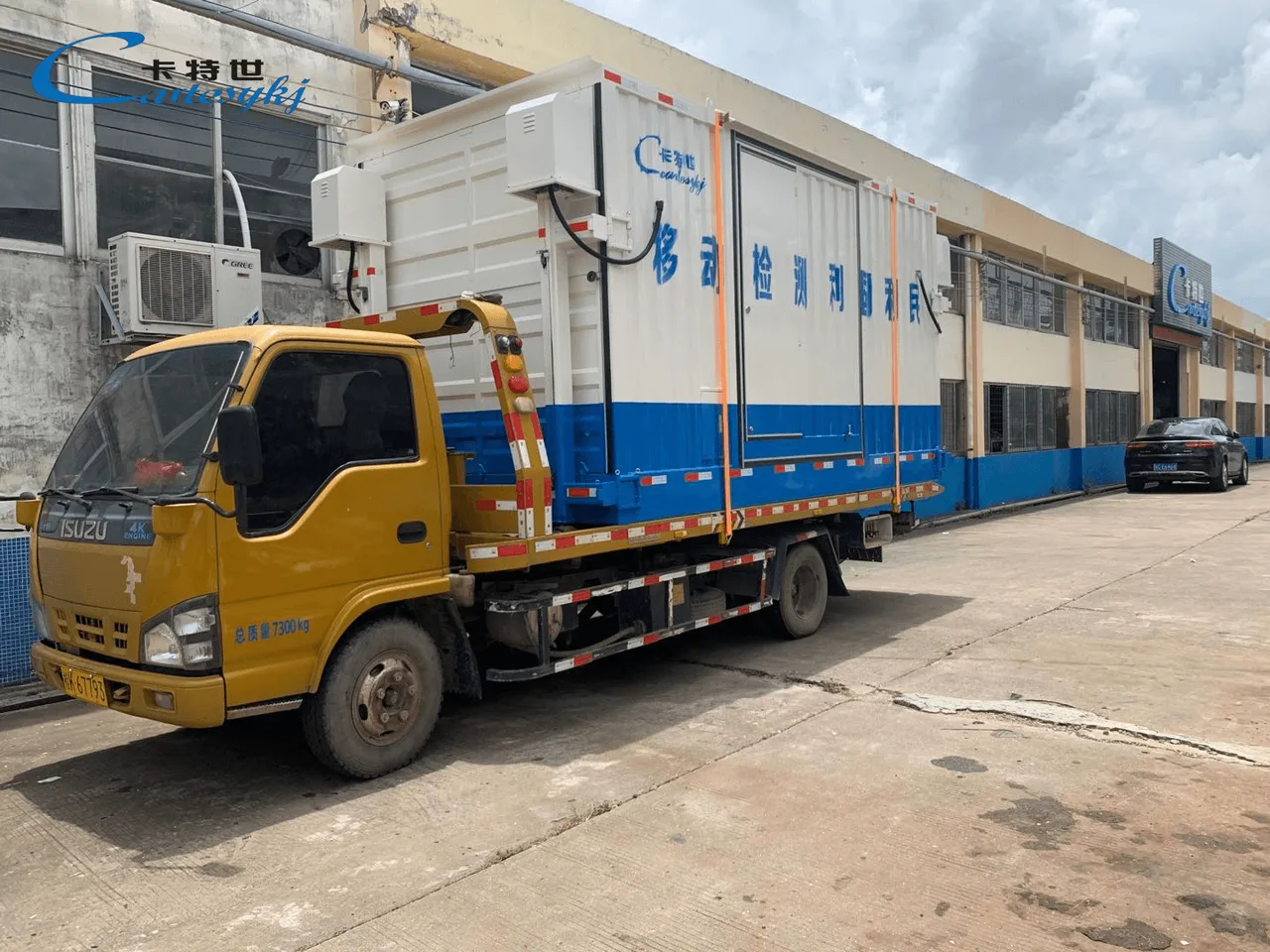
Transport restraints and support during testing serve different purposes. The proposal should describe both where applicable, without assuming that an arrangement used to secure equipment or a motorcycle during travel is suitable for measurement.
Stand use, restraint arrangements, and rider positioning should follow the procedure approved for the specific equipment and vehicle application. Generic instructions should not replace that documentation.
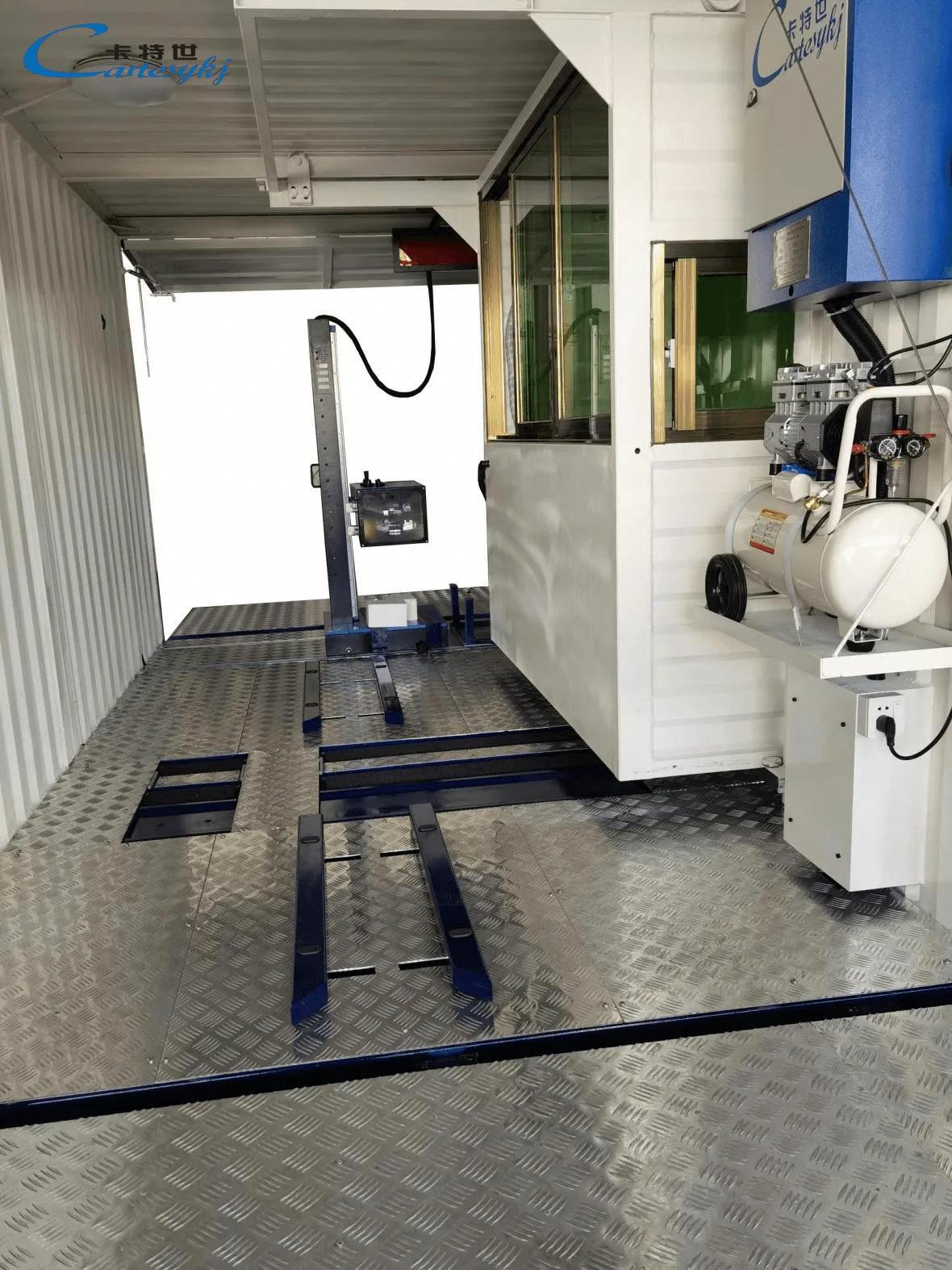
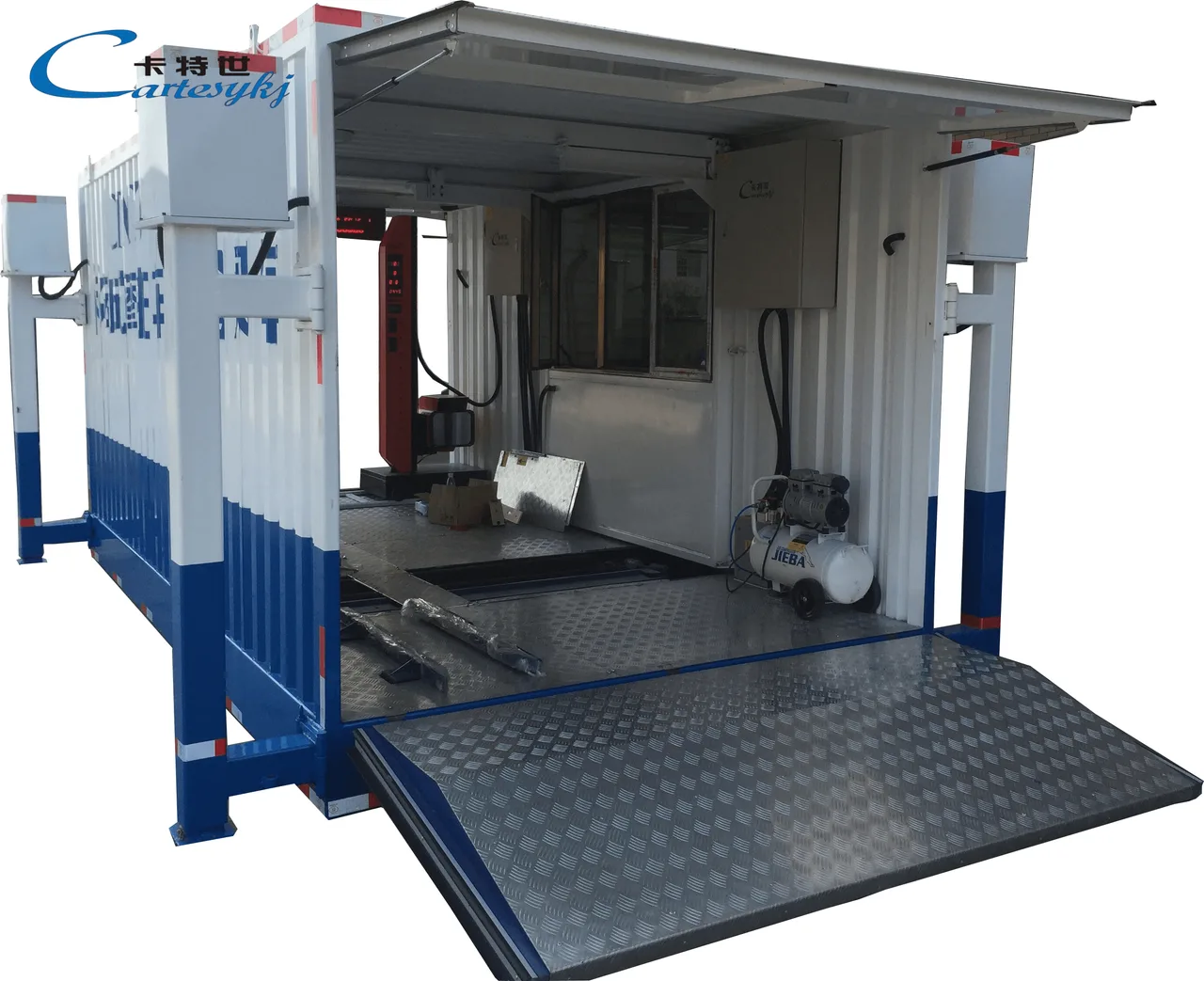
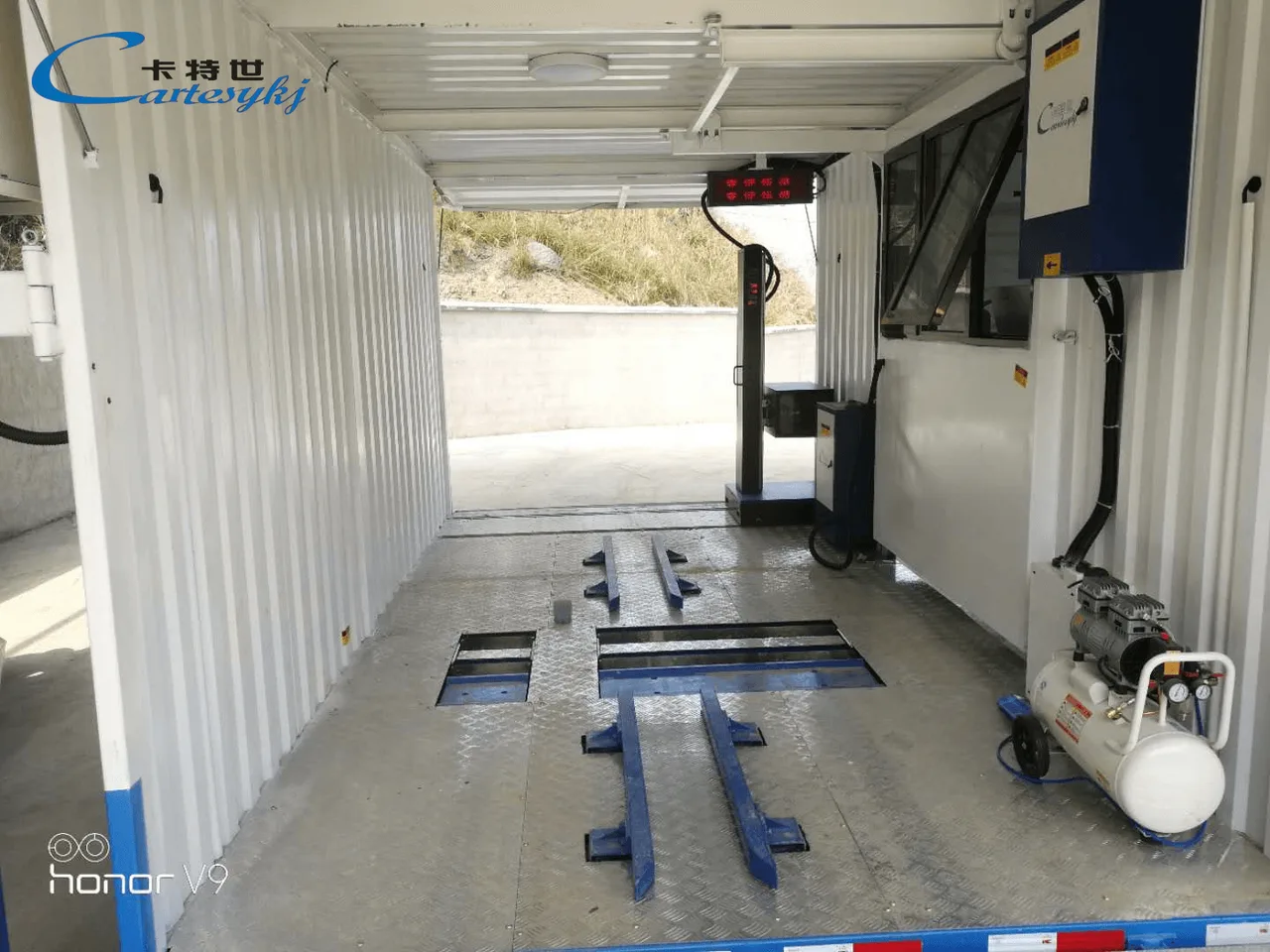
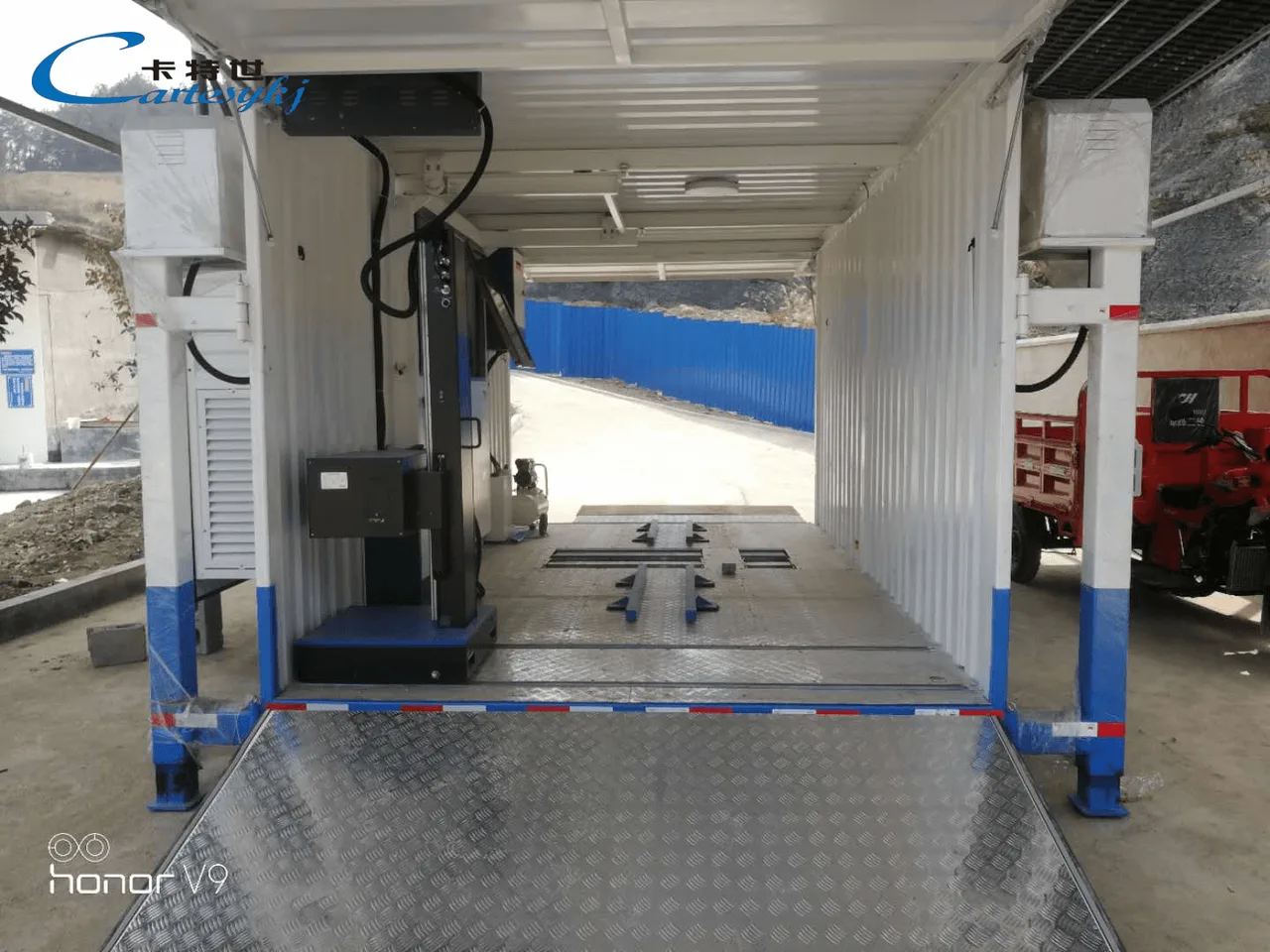
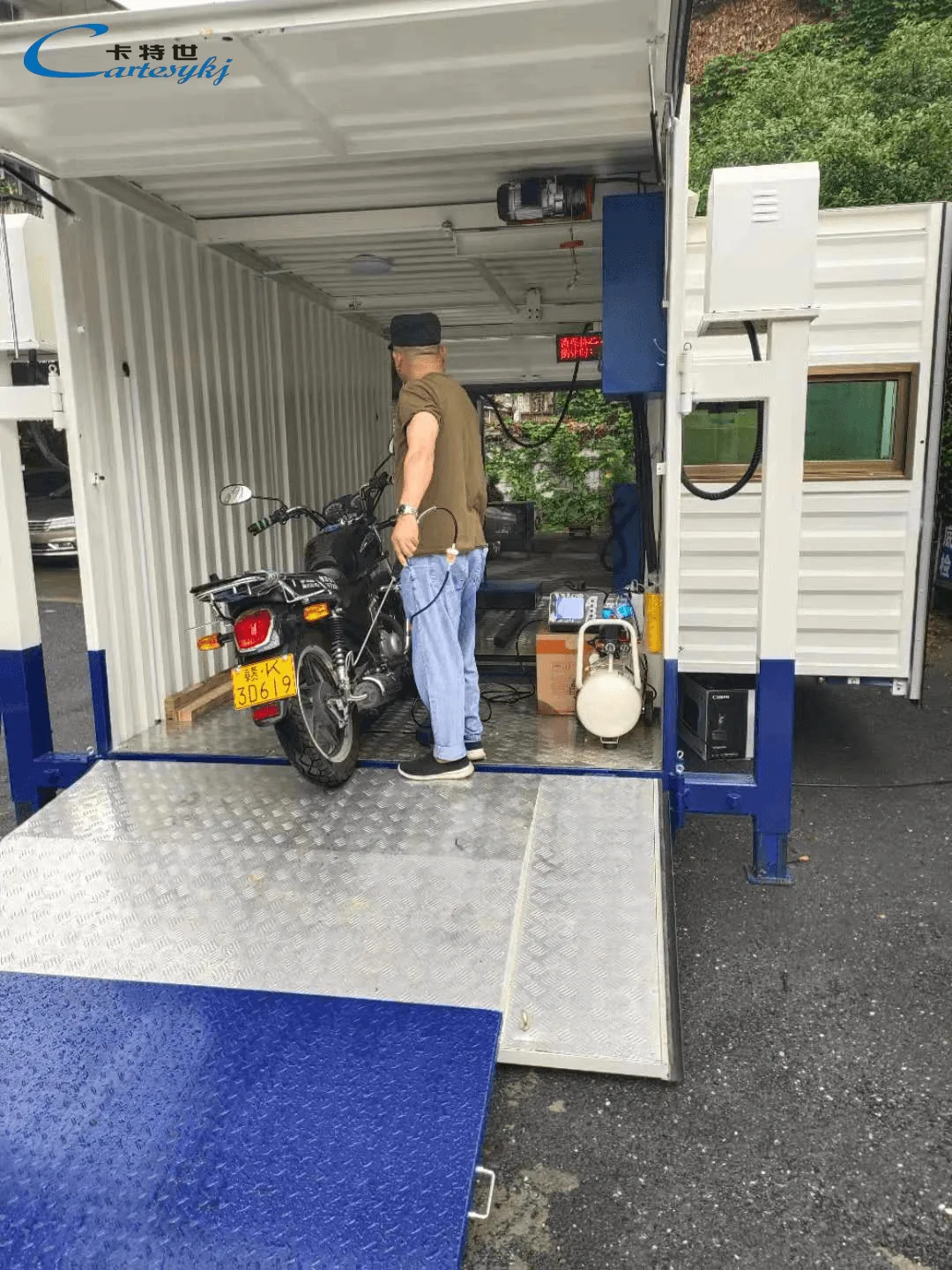
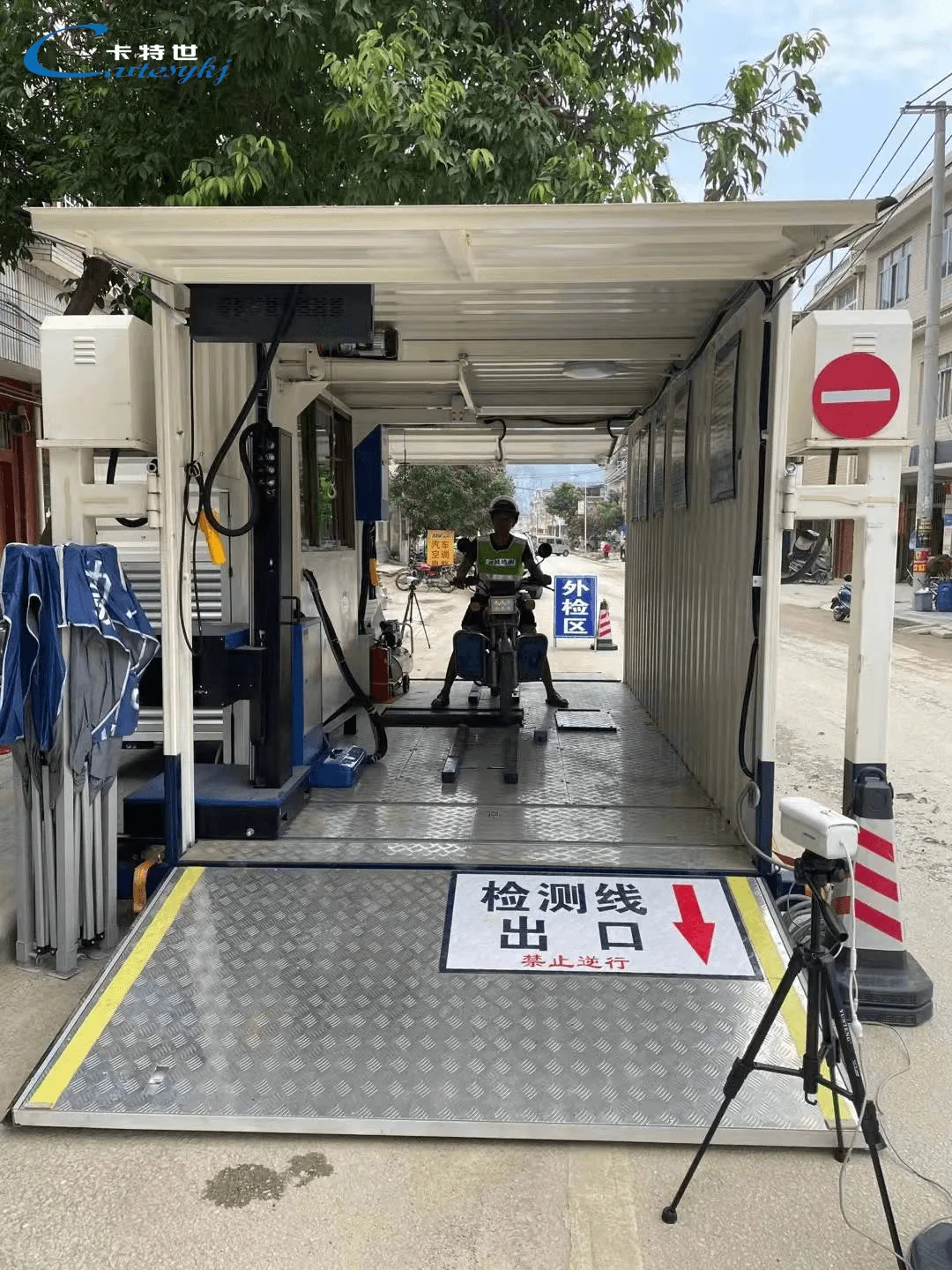
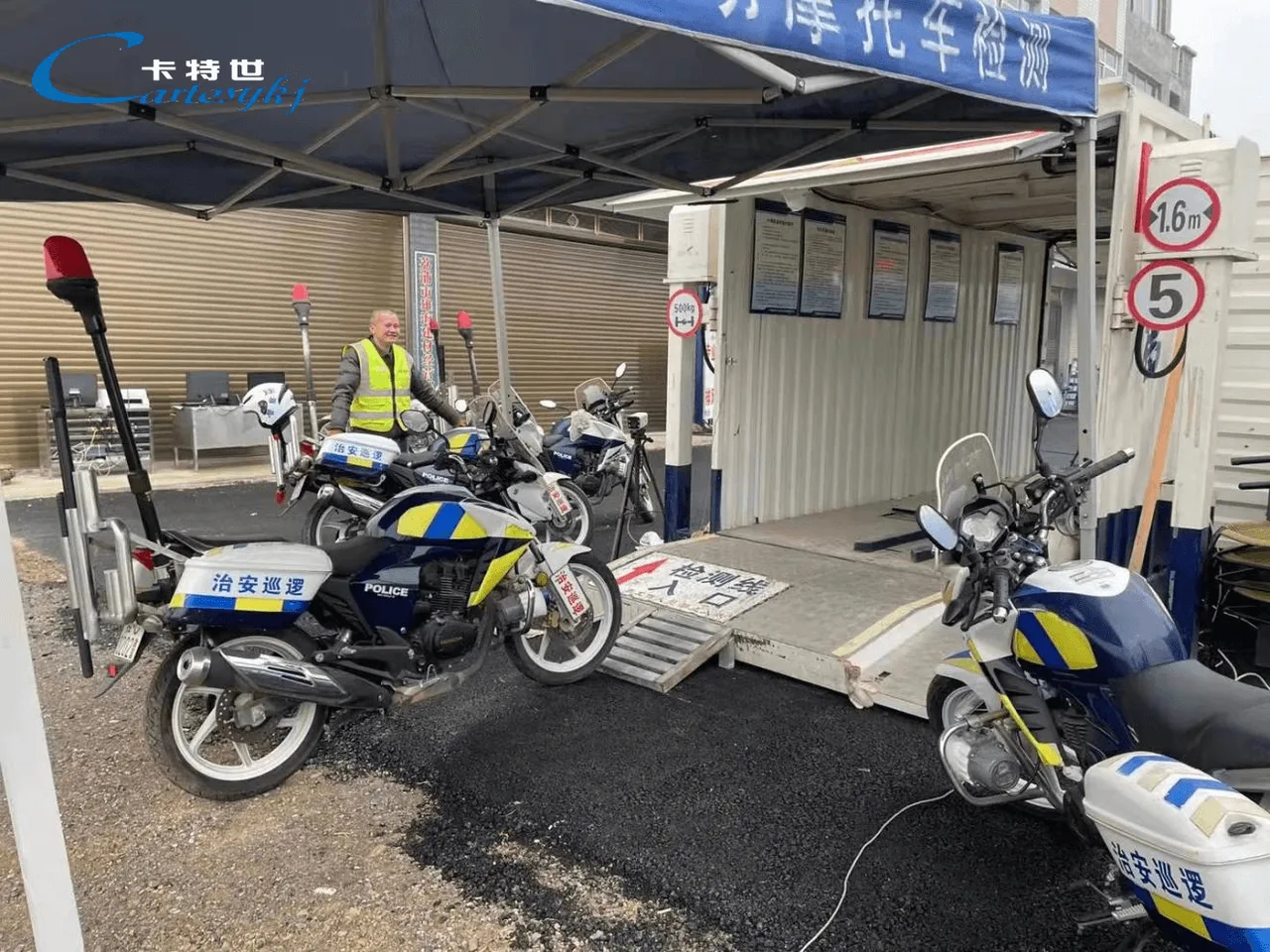
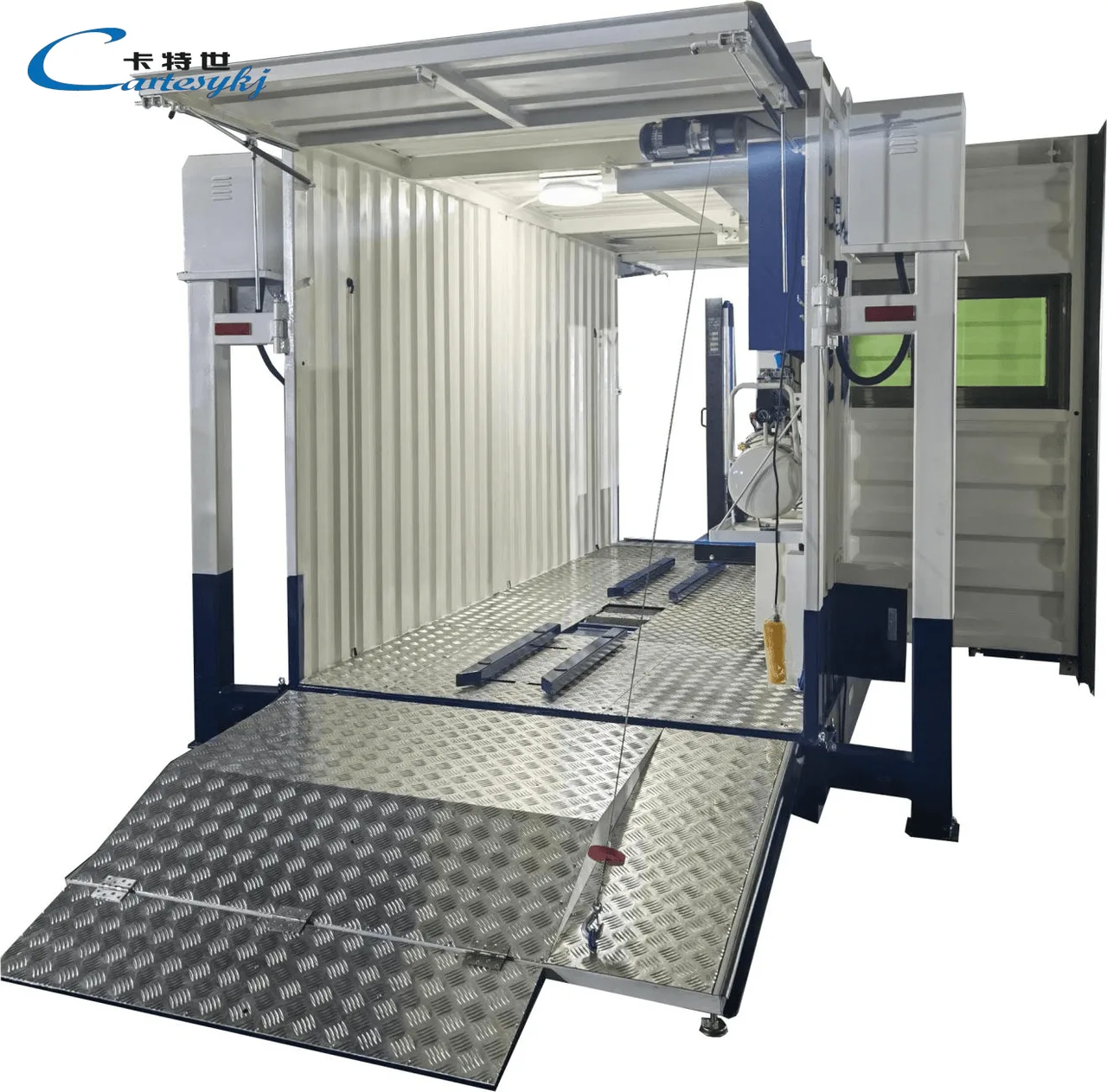
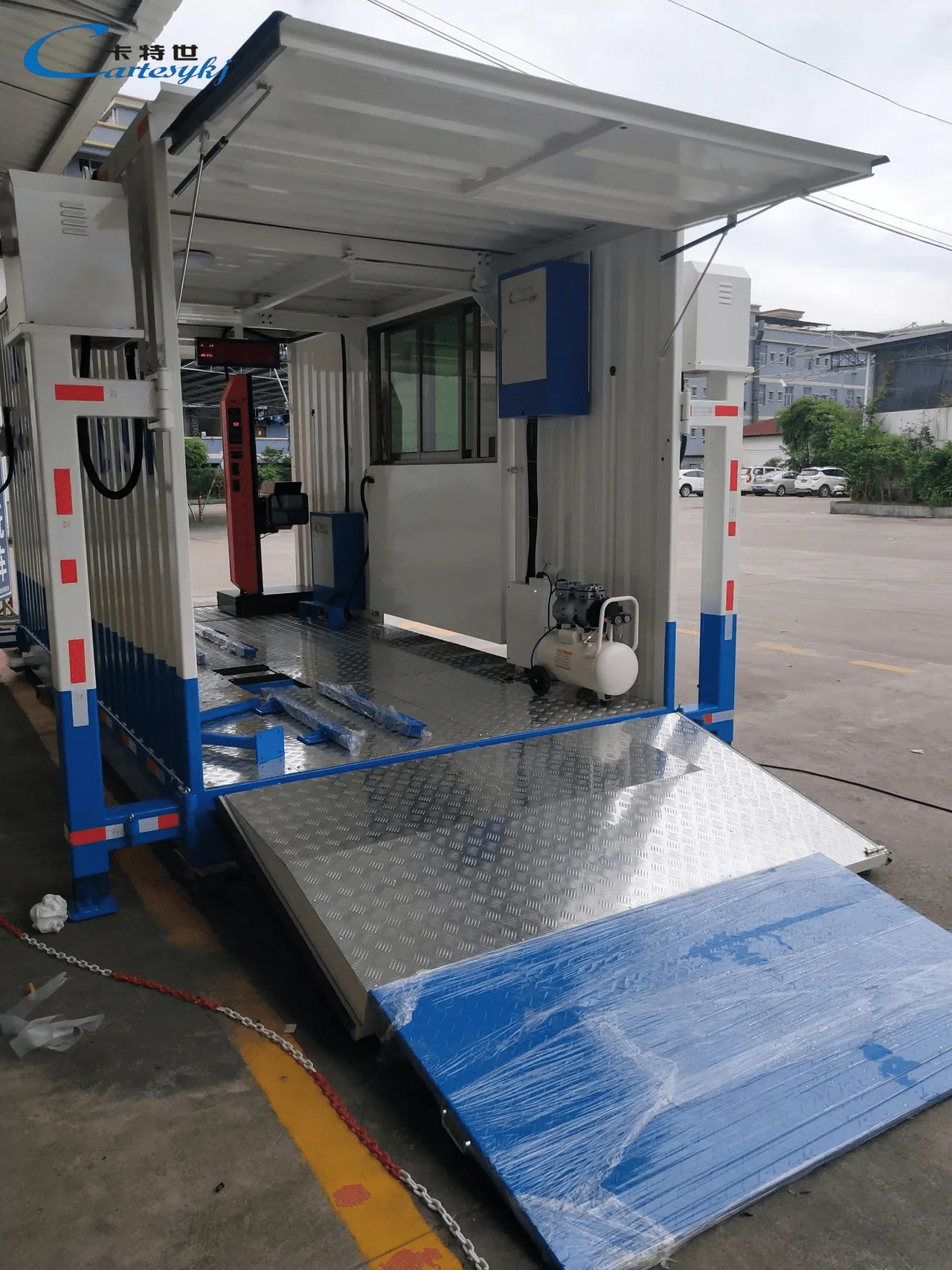
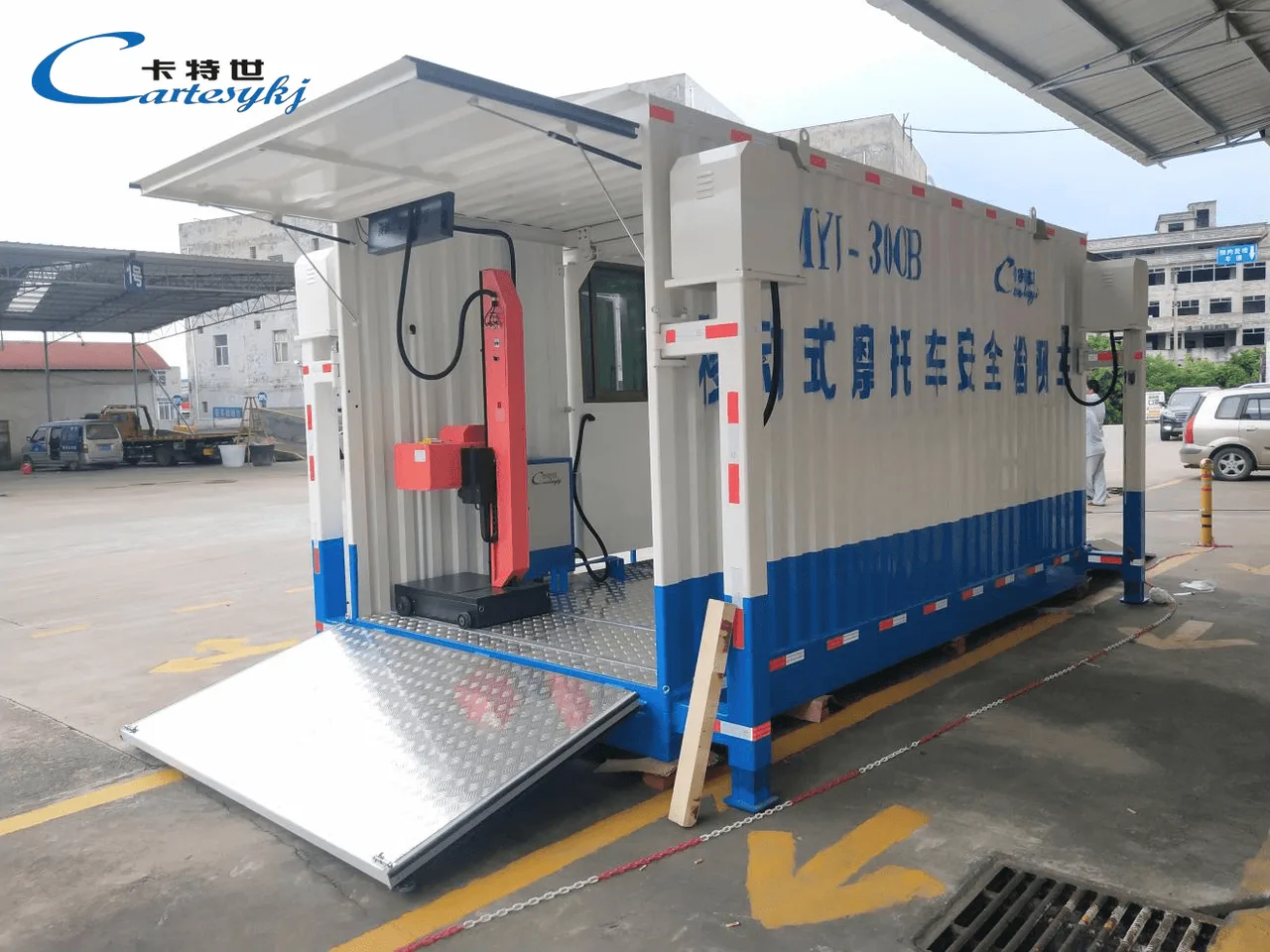
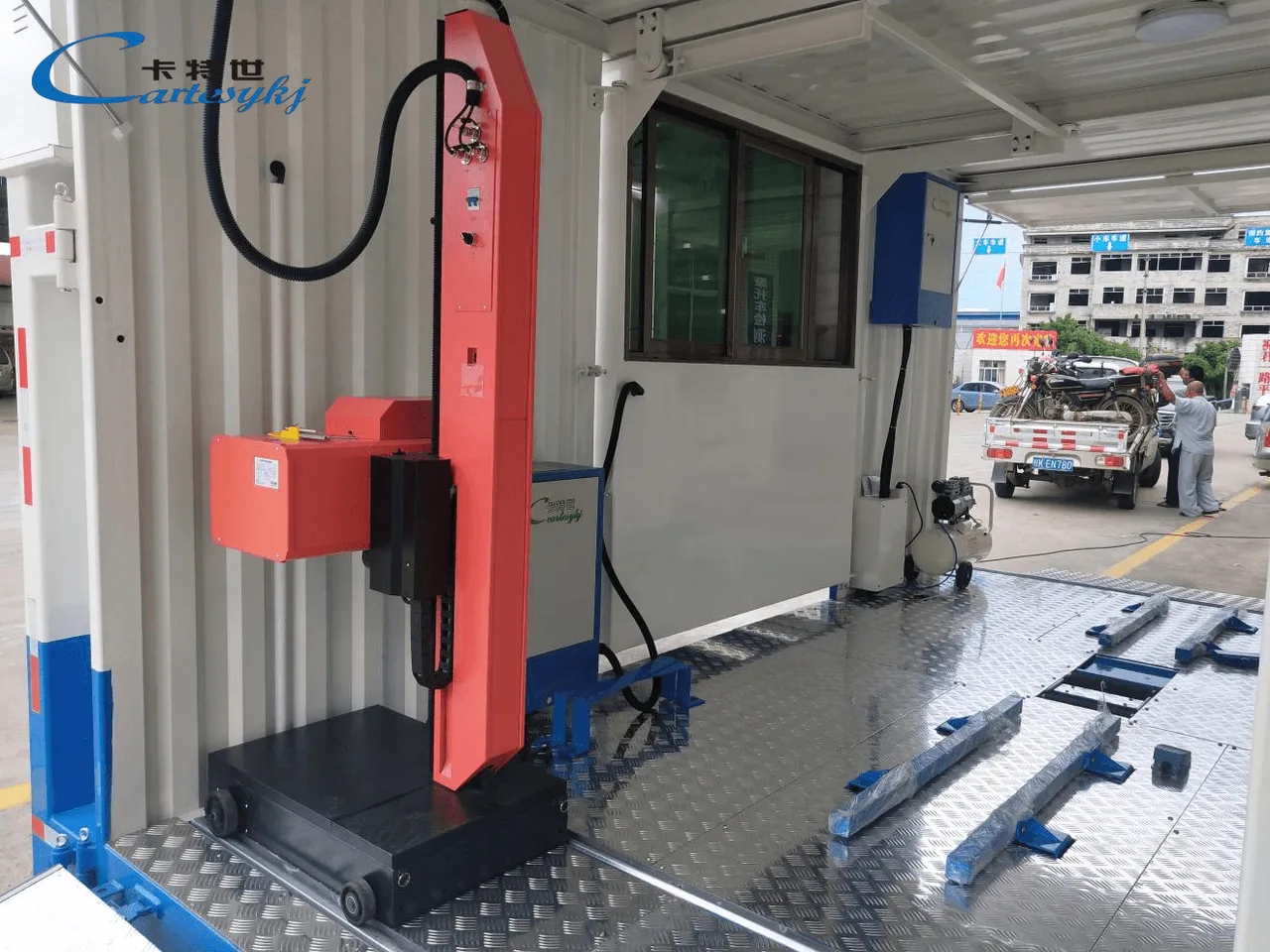
Access also deserves attention. The layout should account for the motorcycle’s entry and exit path, any required ramps, clearances, and the space needed by operators. These requirements remain relevant whether the instruments are deployed on the ground or operated in a documented carrier-mounted arrangement.
Specify Motorcycle Headlight Testing Precisely
Motorcycle Headlight Testing can involve several different tasks. The inspection scope should identify which ones are required and which outputs the proposed instrument supports.
Separate Lamp Operation, Aim, and Optical Measurements
Checking whether a lamp operates is different from assessing its aim or measuring a defined optical quantity.
The equipment specification should state whether the test evaluates lamp operation, beam direction, beam pattern, or a particular photometric measurement. Any reported optical value should retain its proper name, units, and interpretation.
A visible light output should not be treated as evidence that the lamp meets the required aiming or measurement criteria. Likewise, a numerical output from an instrument needs an identified measurement method before it can support an acceptance decision.
The evaluation rules should match the applicable lamp configuration, test method, and inspection program. A single beam reference or acceptance threshold should not be assumed to apply to every motorcycle headlamp.
Where the proposed equipment supports different lamp configurations, request documentation identifying that scope and any corresponding setup requirements.
Control Motorcycle Presentation and Instrument Positioning
Headlight testing requires a defined relationship between the motorcycle, the instrument, and the measurement reference.
The procedure should specify the motorcycle’s required attitude and loading state, how it is supported, and how the headlamp tester is positioned. Relevant vehicle conditions should be controlled or recorded as required by the selected method.
This is especially important in a mobile installation because the working location changes. The site needs to support the required reference geometry and measuring arrangement each time the line is deployed.
The site specification should address relevant floor conditions, available measuring space, instrument positioning, and ambient conditions. Light levels, reflections, or other environmental factors should be assessed according to the instrument’s documented operating requirements.
If testing takes place on a trailer or support vehicle, confirm how the working platform and measuring references are established. If equipment is unloaded for use, confirm how the same requirements are met at the destination site.
The inspection record should preserve the setup information needed to interpret the result. This allows a reviewer to distinguish a measured headlight outcome from an unresolved setup or presentation issue.
Design the Mobile Deployment Around the Test Conditions
The term “mobile” should correspond to a defined transport and working arrangement.
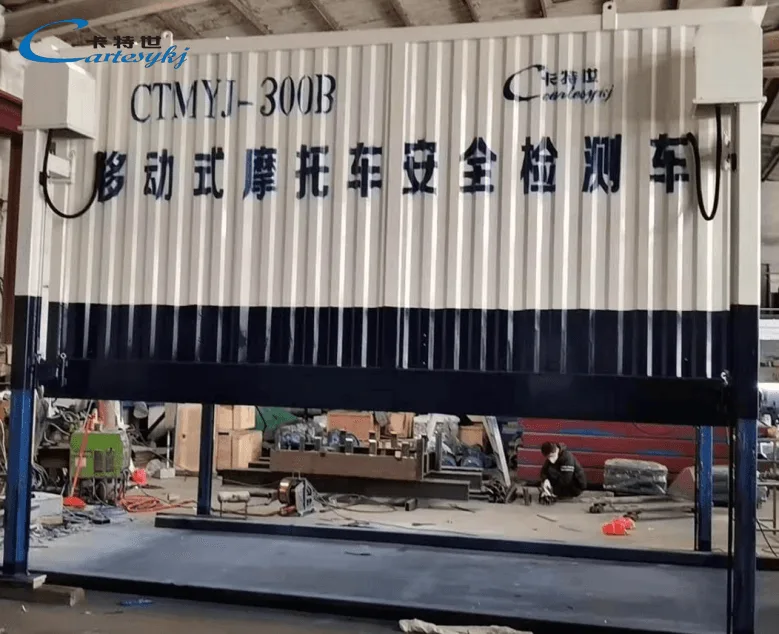
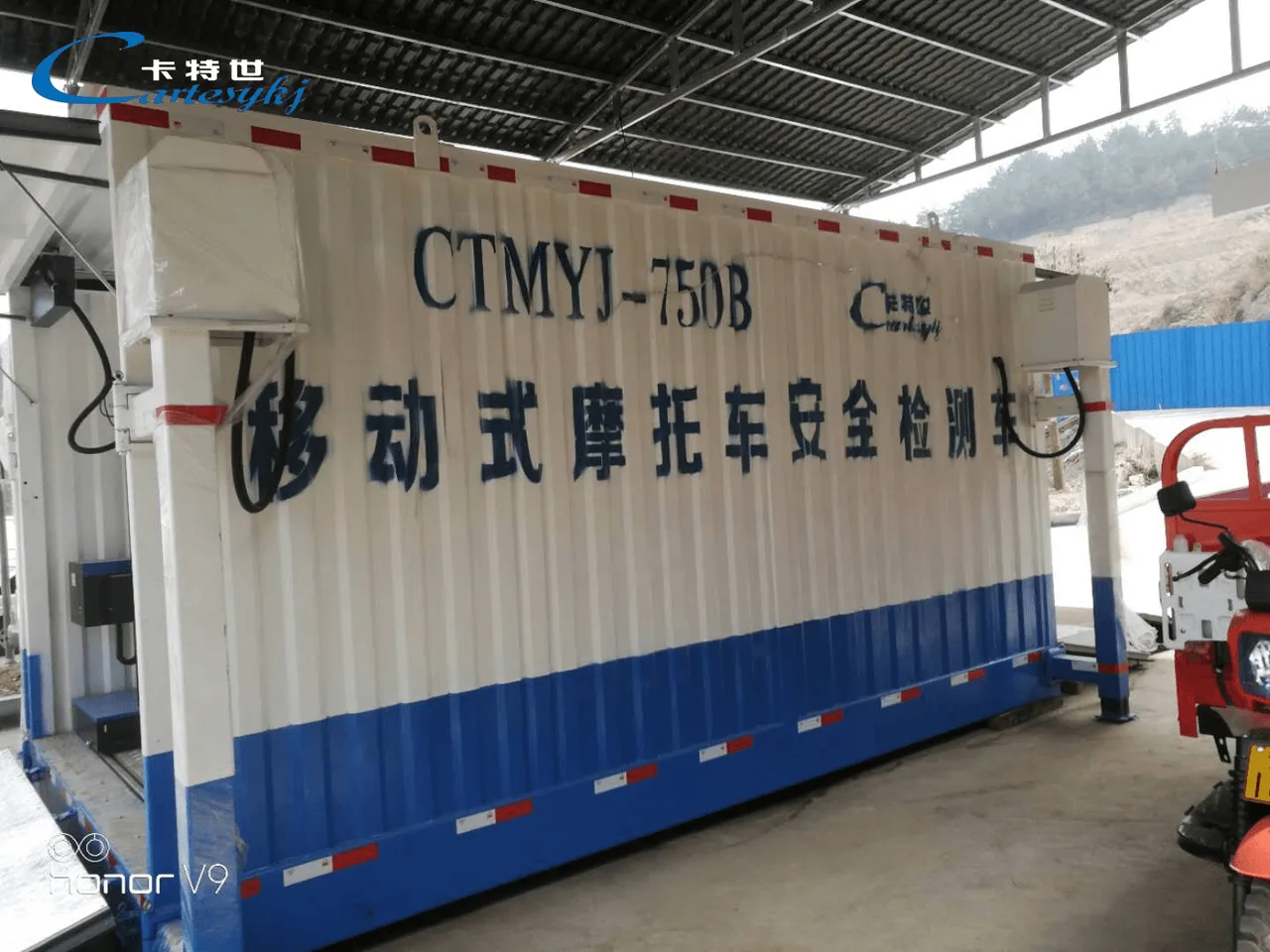
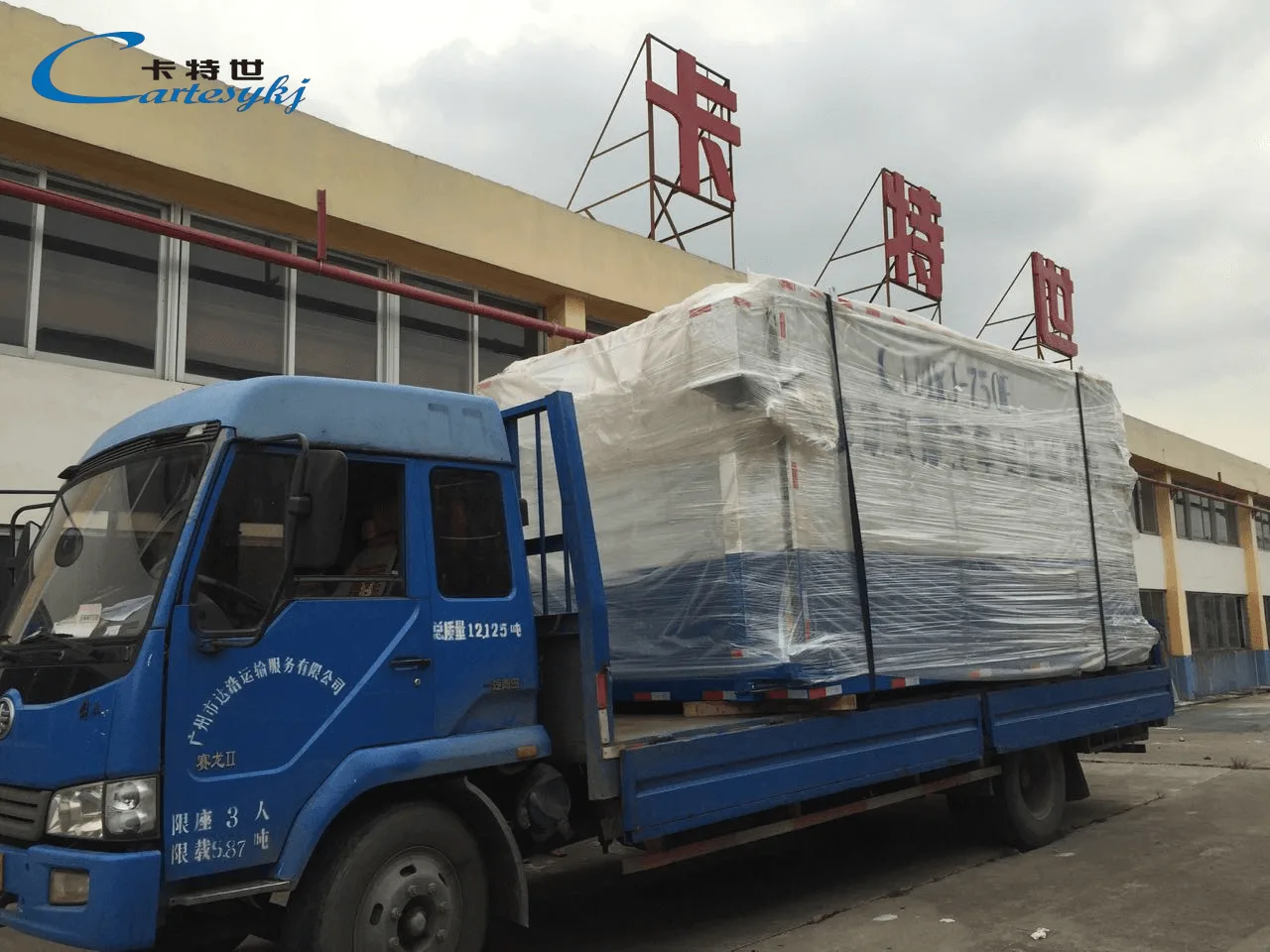
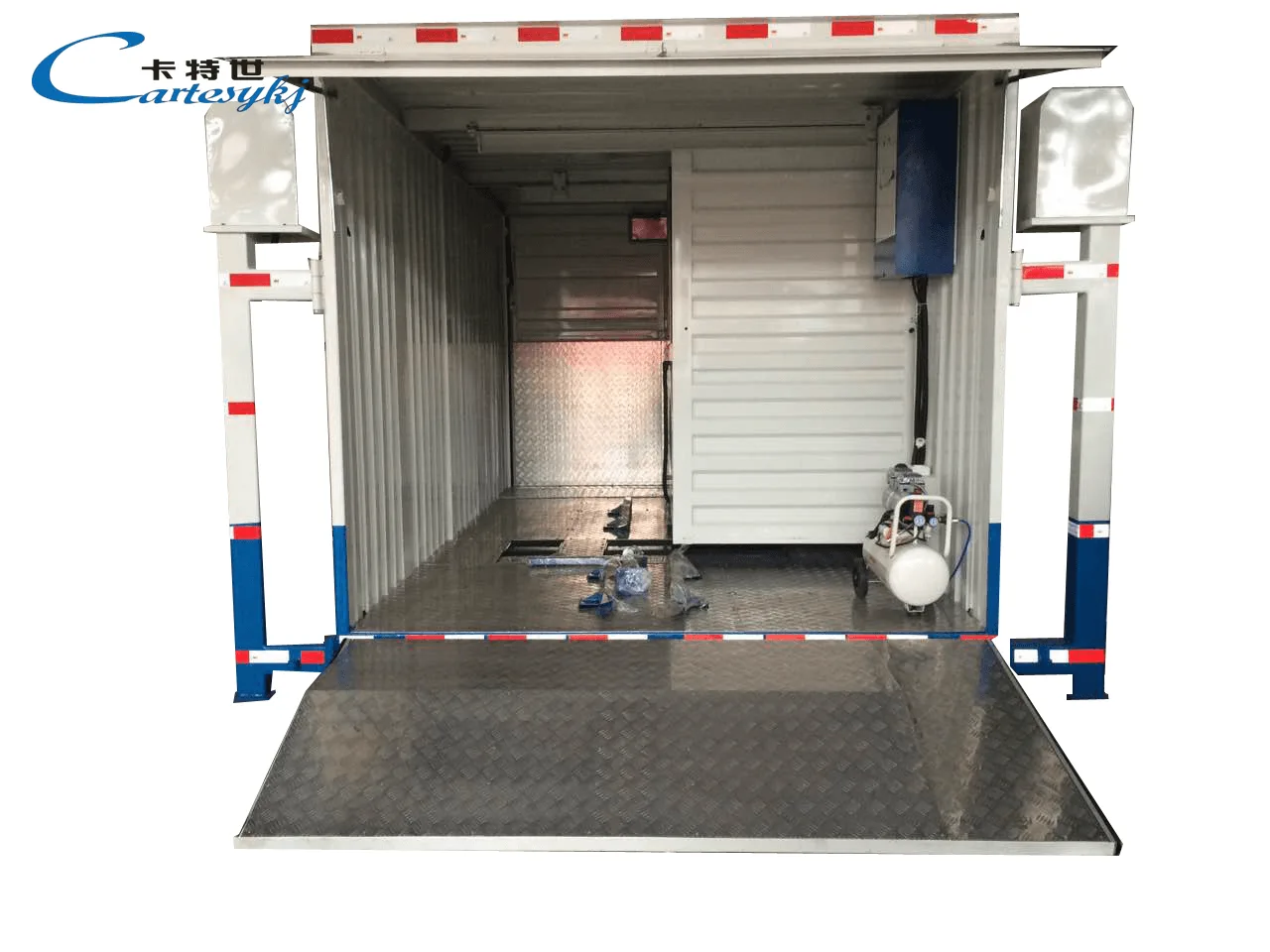
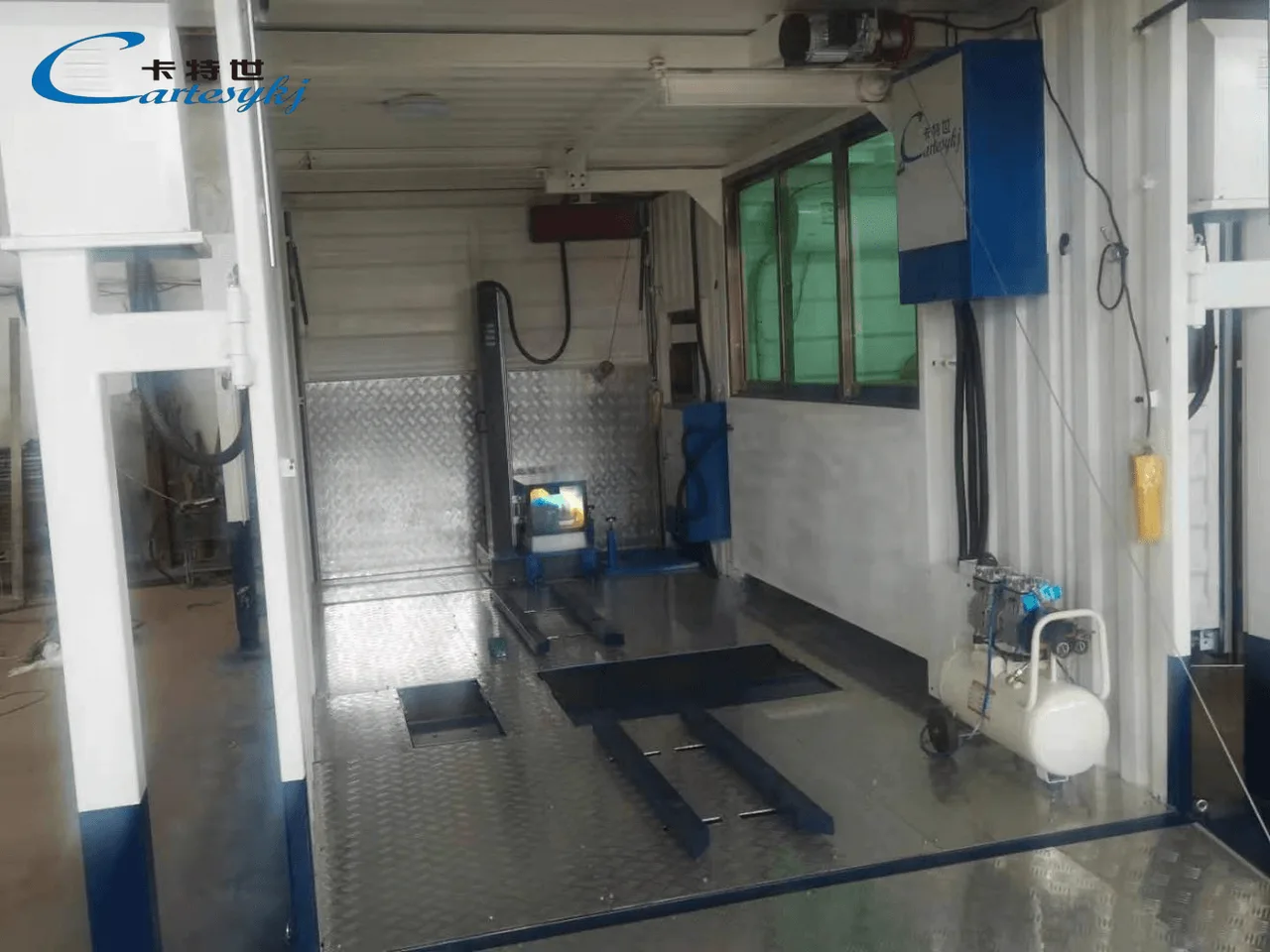
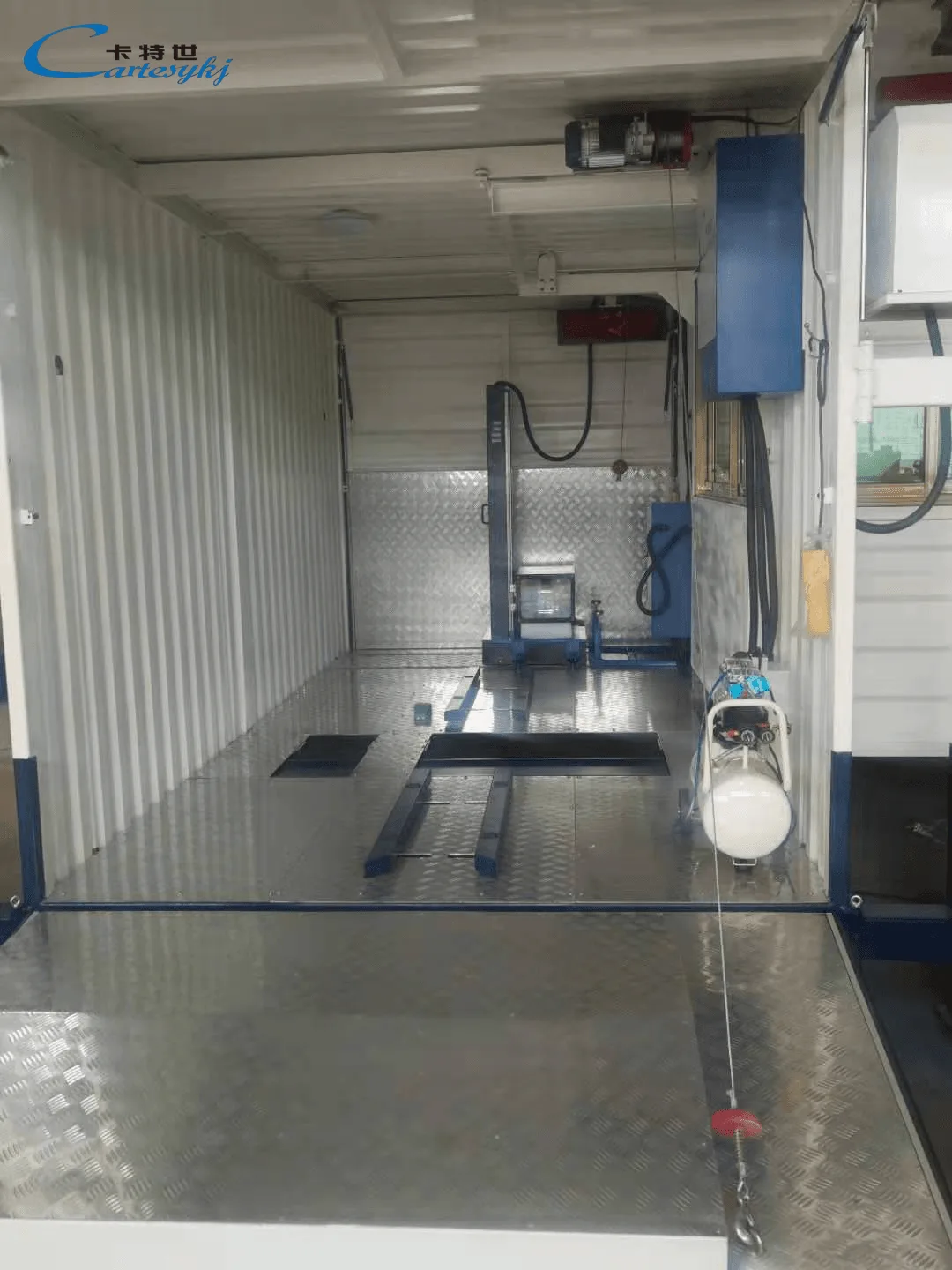
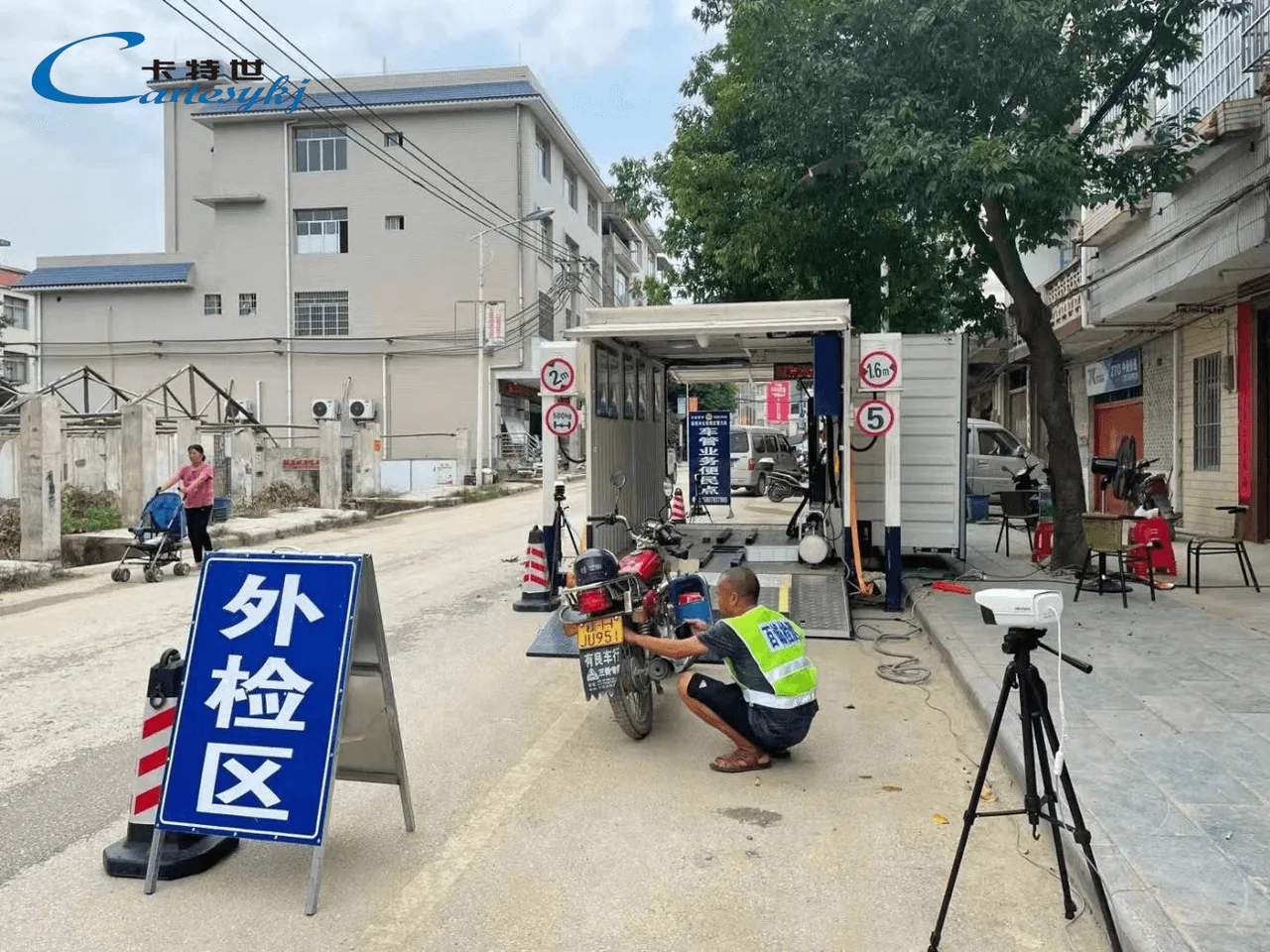
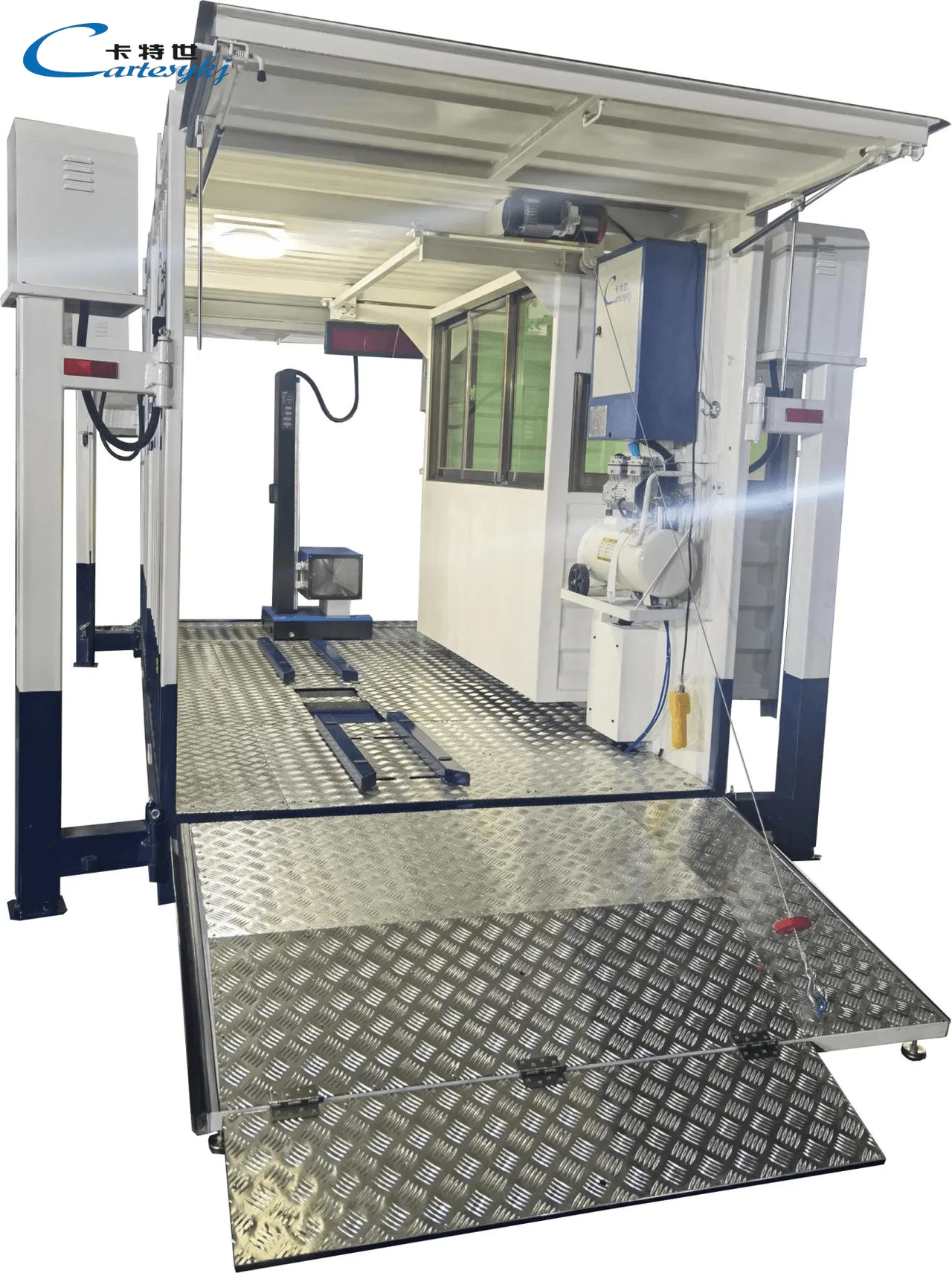
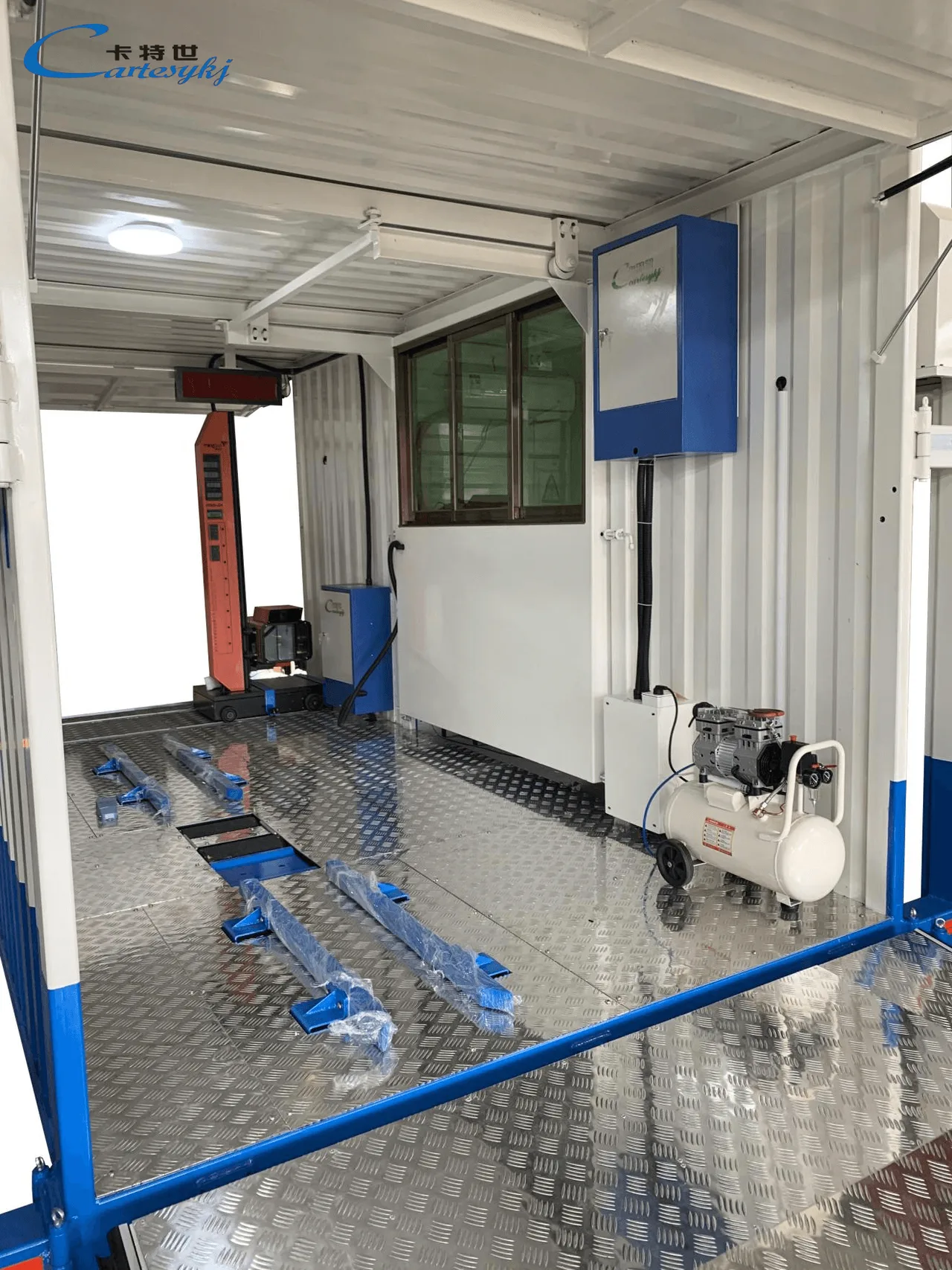
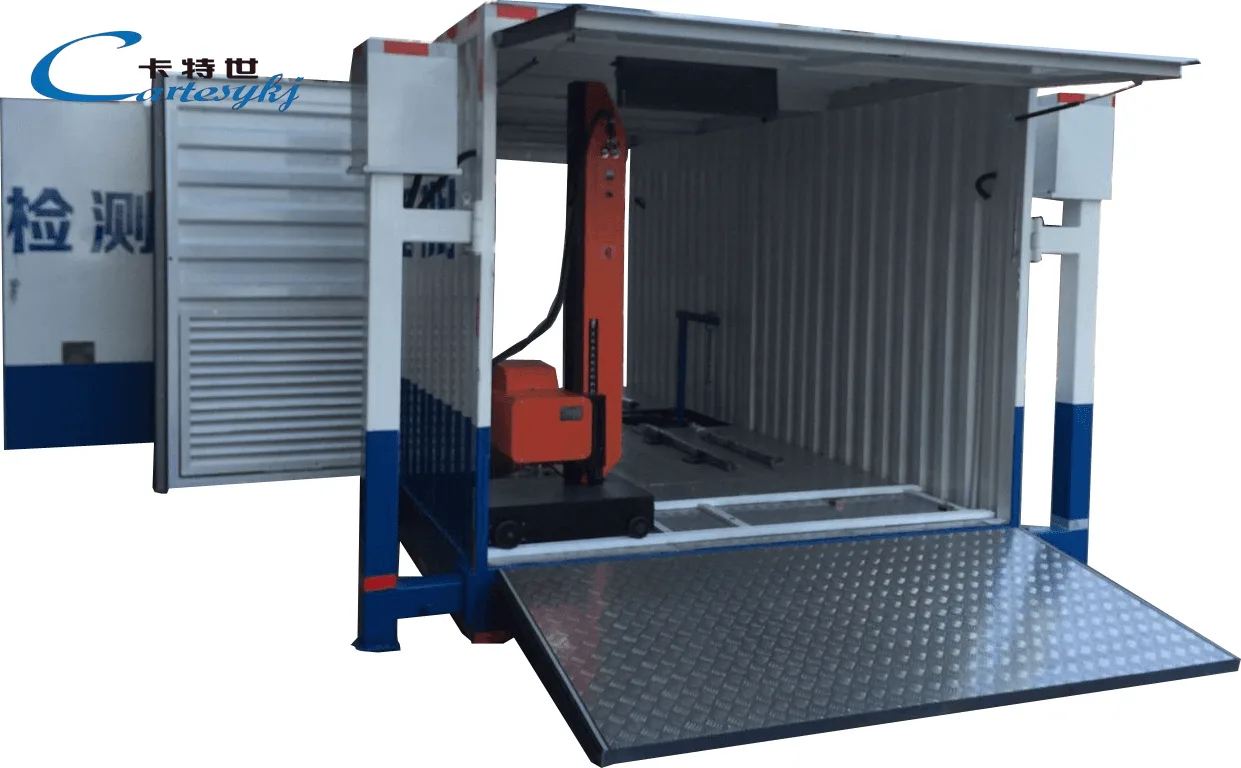
A proposal may involve separately transported instruments, trailer-mounted equipment, or another supported configuration. The documentation should establish which arrangement is supplied and whether testing occurs on the carrier or after deployment at the site.
For separate modules, planning needs to cover unloading, positioning, connection, verification, and removal. For equipment operated on its carrier, the review should address the working support arrangement, vehicle access, and the conditions required for valid measurements.
The site plan should identify
Ground and support requirements for the installed equipment.
Motorcycle approach and departure paths.
Working space around the inspection stations.
Electrical supply and any other required services.
Environmental conditions permitted for operation.
Communications needed for the agreed reporting functions.
Transportability should not be interpreted as confirmation that the equipment can operate in any parking area. The location must satisfy the requirements of the supplied instruments and test methods.
Outdoor use also requires confirmation for the complete working arrangement. Operating limits for measuring devices, controls, electrical connections, and associated components should be included in the deployment documentation.
Verify the Line After Transport and Setup
Each deployment should include the checks required to establish that the equipment and site are ready for inspection.
The documented process should cover installation, connections, configuration, and the specified measurement checks. For headlight testing, it should also address the relevant positioning and reference requirements.
Follow the manufacturer’s requirements after transport and setup, including any specified measurement verification or recalibration. There should be no blanket assumption that relocation always requires full recalibration or that it can never affect measurement validity.
A useful readiness record should identify the site, equipment, installed configuration, completed checks, and any relevant calibration references. It should also state who confirms readiness under the project’s operating procedure.
Physical setup and measurement readiness should remain distinguishable. An instrument can be connected and powered while still requiring checks before its results can be evaluated.
The relocation plan should also cover removal, handling, securing, and storage according to the equipment documentation. Scheduling should allow for these activities and for the verification required before the next inspection session.
Keep Results Linked to the Motorcycle, Site, and Test Method
A mobile inspection report should explain what was tested and how the result was obtained.
For each attempt, the proposed record should include the motorcycle identity, relevant configuration, site, date, equipment used, measured values, units, and evaluation-rule version. Where presentation or operating conditions affect interpretation, those conditions should remain identifiable.
For headlight testing, the record should make the tested function clear. An operation check, an aim assessment, and an optical measurement should retain their distinct meanings.
The workflow should also distinguish a valid result outside an acceptance limit from an invalid measurement or an incomplete inspection. Missing information should remain visible and should not silently become a zero value or an accepted result.
Repeat tests should create linked records. Earlier readings, reasons for repetition, and relevant corrective actions should remain available for review.
Confirm Reporting and Connectivity Functions
Automatic vehicle identification, shared reporting, offline operation, and external interfaces are separate capabilities to verify.
If the service must operate at locations with unreliable connectivity, the specification should describe the required local record handling and later transfer process. Any automatic synchronization or recovery function needs confirmation for the supplied software.
For work within an official inspection program, identify the equipment, procedures, deployment arrangements, and report formats the program accepts. Producing a report does not, by itself, establish acceptance of the complete inspection service.
Develop a Motorcycle-Specific Mobile Inspection Solution
A practical solution brings together the required inspection functions, confirmed motorcycle compatibility, suitable site conditions, and a repeatable deployment process.
Two-wheel motorcycle inspection equipment should have a documented role within the line. Headlight testing needs clearly defined outputs and measurement conditions. Any brake or speedometer module needs its own compatibility and method confirmation.
To develop a project-specific proposal, provide the expected motorcycle configurations, required tests, deployment locations, available utilities, and reporting needs. Ask the vehicle inspection equipment manufacturer to return a supported-vehicle scope, equipment layout, included accessories, setup and verification procedures, sample records, and an acceptance plan.
These documents provide a concrete basis for determining whether the proposed mobile vehicle inspection line can perform the intended motorcycle inspections at the planned locations.
Project imagery