Project
Technical Proposal for Inspection Lines at Two-Wheeled Motorcycle and Electric Vehicle Manufacturing Plants – Tailg
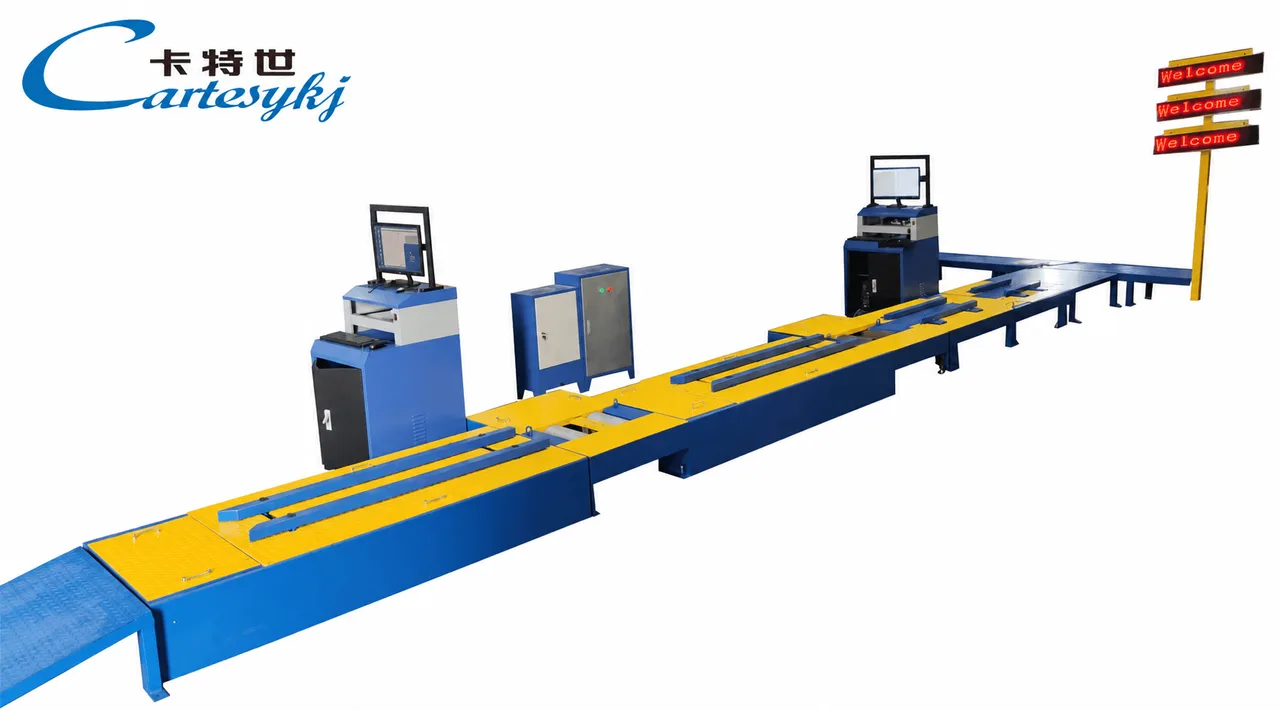
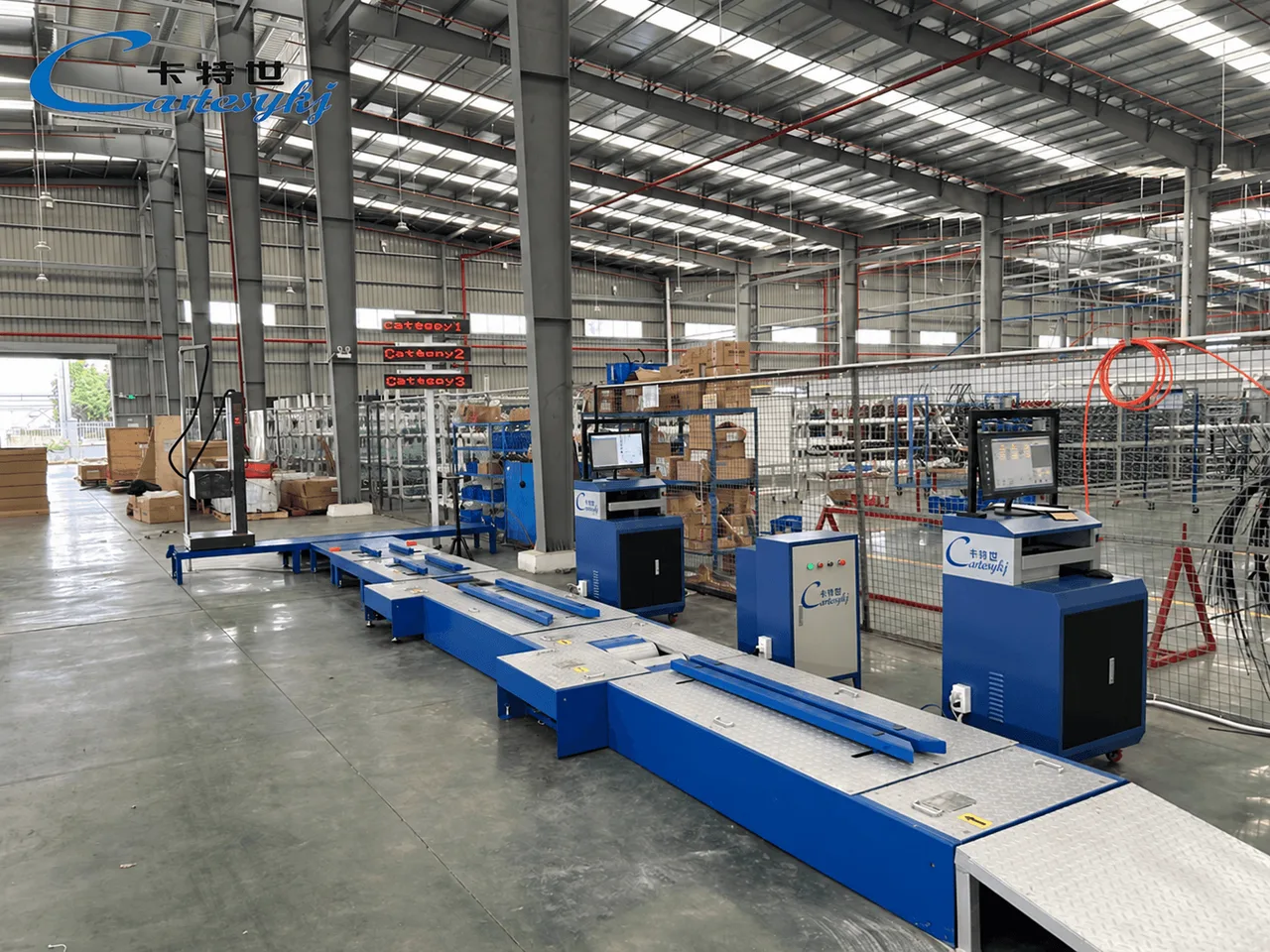
A two-wheel motorcycle inspection line brings the required testing functions into a defined workflow, linking each motorcycle to its measurements and inspection report. Depending on the project, the line may include.
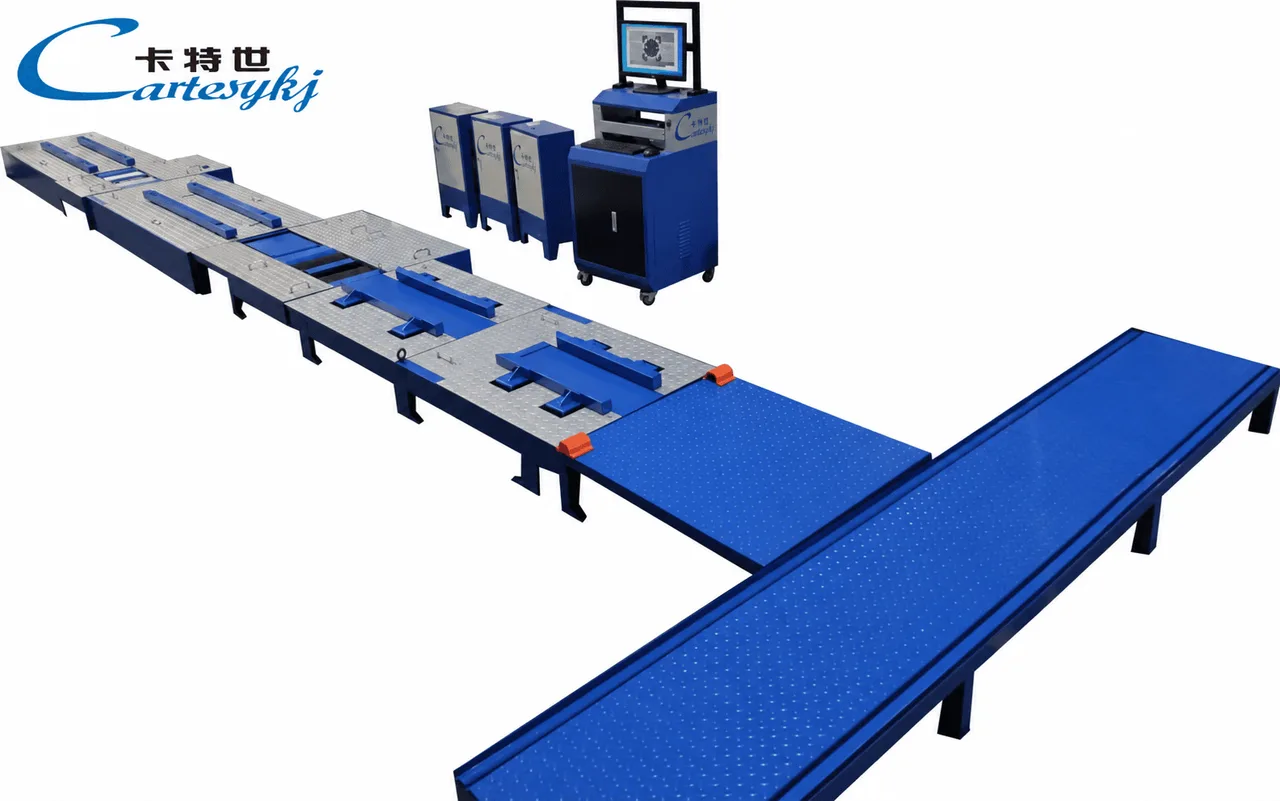
A two-wheel motorcycle inspection line brings the required testing functions into a defined workflow, linking each motorcycle to its measurements and inspection report. Depending on the project, the line may include wheel-load measurement, brake testing, speedometer verification, and other specified checks.
For electric motorcycles, the solution must also account for the vehicle’s operating modes and the conditions under which measurements are taken. Battery and electrical assessments require their own defined methods; they should not be inferred from mechanical inspection results.
For a U.S. inspection facility, the starting point is the intended inspection procedure, the motorcycles to be tested, and the results the facility needs to produce. These requirements determine the equipment configuration, station layout, and reporting process.
How the Inspection Line Fits Together
A motorcycle inspection line should connect three elements: the testing equipment, the procedures used at each station, and the records that explain the results.
The equipment provides the required measurements. The procedures define vehicle preparation, positioning, operating conditions, and the meaning of each measurement. The reporting process associates those results with the correct motorcycle and applies the specified acceptance rules where applicable.
The following functions can form part of a proposed line. Their inclusion should follow the project’s inspection scope.
| Line Function | Purpose | What the Configuration Must Define |
|---|---|---|
| Wheel-load measurement | Measure the load supported at a wheel under specified weighing conditions. | Supported vehicle range, weighing procedure, loading conditions, units, and reporting method. |
| Brake testing | Evaluate braking response using the selected test method. | Measured quantities, front- and rear-wheel procedures, calculation methods, and relevant vehicle operating states. |
| Speedometer verification | Compare indicated speed with a defined reference measurement. | Reference measurement, test points, vehicle compatibility, and comparison procedure. |
| Data recording and reporting | Associate measurements with the motorcycle and inspection procedure. | Vehicle identification, data transfer, report fields, result interpretation, and record handling. |
A complete motor vehicle inspection station solution should explain how these functions work together. Listing several machines is only part of that explanation: the proposal also needs to show how a motorcycle moves through the process and how its results remain connected.
The Role of a Motorcycle Wheel Load Tester
A motorcycle wheel load tester measures the load supported by a wheel under the equipment’s specified weighing conditions. Where the inspection procedure includes front- and rear-wheel measurements, each reading should be identified by wheel position and measurement condition.
These readings provide information about the motorcycle’s loading during the weighing procedure. Static wheel-load readings do not directly establish how the load is distributed during braking.
Define the Weighing Conditions
The procedure should specify whether the measurement includes a rider, payload, or other carried items. It should also document how the motorcycle is supported, because external support can affect the load reaching the measuring surface.
The equipment documentation should establish the supported positioning and restraint arrangements. Those arrangements should not be improvised from a generic description of motorcycle weighing.
Consistency matters when comparing results. Measurements taken with different loading or support conditions should not be treated as equivalent without accounting for those differences.
Keep Individual Wheel Loads and Total Weight Distinct
Front- and rear-wheel readings may support a calculated total only when the documented procedure permits their combination and the vehicle’s loading and support conditions remain consistent.
The report should make clear whether it presents an individual wheel reading, a calculated total, or another defined quantity. It should also retain the tester’s documented units and distinguish mass-based readings from force values wherever calculations require that distinction.
If wheel-load data is used in a braking calculation, the applicable test method must define the required load basis and calculation. A single wheel’s load and the whole vehicle’s weight are not interchangeable inputs.
This connection between weighing and subsequent calculations should be explicit in the line specification. It should never depend on an operator guessing which value the software requires.
Coordinate Brake Testing and Speedometer Verification
Wheel-load measurement can support the wider inspection process, but each additional test still needs its own purpose and method.
Brake Testing
The brake-testing station should identify the quantities it measures directly and any results it calculates from those measurements.
For a roller-based brake tester, the documentation should explain the supported motorcycle configuration, how the wheels are tested, and how the reported braking results are obtained. If a braking-efficiency value is displayed, its calculation and required inputs should be documented.
The procedure also needs to address the motorcycle’s braking arrangement. Front- and rear-wheel measurements, linked braking behavior, and combined summaries should be clearly distinguished in the report.
Results should be described according to the selected method. A measured braking-force value, for example, should not automatically be presented as a road stopping-distance result.
Speedometer Verification
Where speedometer verification is required, the station compares the motorcycle’s displayed speed with a reference measurement under specified conditions.
The proposed system should identify how reference speed is established, how the indicated speed is recorded, and which test points the procedure uses. The reference instrument’s measurement capability and calibration documentation should support the intended comparison.
Compatibility with the motorcycle also needs to be confirmed. A machine that displays roller speed does not automatically provide a complete speedometer-verification method for every vehicle.
Other checks should be added according to the defined inspection scope. Each additional function needs suitable equipment, a documented procedure, and a clear place in the final report.
Adapt the Procedure for Electric Motorcycles
An inspection line intended for electric and conventional motorcycles needs documented compatibility for both. The presence of a motorcycle-sized test platform or roller assembly does not establish compatibility with every drive system or control arrangement.
Address Regenerative Braking Where Present
If an electric motorcycle uses regenerative braking, the test procedure should define whether the assessment concerns friction braking, combined braking behavior, or another specified result.
The report should record the relevant operating state. A result obtained while regenerative braking contributes to deceleration should not be described as an isolated friction-brake result unless the method supports that interpretation.
Where ABS, traction control, or other vehicle systems affect the test, the equipment and vehicle documentation should establish the supported procedure. Any required test mode should come from those instructions.
Record Relevant Vehicle Conditions
The inspection procedure should identify which vehicle conditions need to be controlled or recorded. Depending on the test, these may include battery state of charge, selected operating mode, and relevant vehicle settings.
The required conditions should follow the specific motorcycle and test method. A universal battery charge level, temperature range, or preparation time should not be assigned across different models without supporting documentation.
Recording the relevant conditions makes the result easier to interpret and helps establish whether a later measurement is comparable.
Define Battery and Electrical Assessment Separately
Wheel-load measurements, brake results, and speedometer checks do not establish battery health, usable battery capacity, or electrical insulation condition.
If the facility needs those assessments, they should appear as separate functions in the project scope. The proposal should identify what is being evaluated, which equipment and procedures are required, and how the results will be interpreted.
This keeps the electric motorcycle inspection solution clear: mechanical measurements support their defined mechanical conclusions, while electrical assessments provide evidence for the specific electrical questions being investigated.
Connect the Equipment Through a Consistent Workflow
A practical inspection workflow begins with identifying the motorcycle and selecting the applicable test procedure. That identity should remain associated with its measurements throughout the line.
Before each test, the procedure should establish the required vehicle condition and equipment configuration. The physical order of tests should follow the documented requirements of the selected equipment and inspection method.
Where one result becomes an input to another calculation, the connection needs particular attention. For example, if a brake calculation uses a measured load value, the system should make clear which reading is used and whether it belongs to the relevant motorcycle and loading condition.
At the reporting stage, the record should distinguish completed measurements, calculated results, and any applicable acceptance decisions. A missing test should remain identifiable rather than disappearing into a general completion status.
Define the Data Connections
When several pieces of motorcycle testing equipment contribute to one report, specify how their data will be transferred and combined.
The proposal should identify which functions are automatic and which require operator input. Vehicle identification, direct instrument communication, report generation, and data export are capabilities to verify for the proposed configuration.
A sample report can help make these requirements concrete. It should show the measured quantities and units, relevant test conditions, equipment identification, and the rules used to interpret results.
Match the Layout to the Procedure
The station layout should accommodate the intended vehicle path, documented positioning and support arrangements, operator access, and maintenance tasks.
Installation drawings should define the requirements for the selected equipment, including mounting, foundations where relevant, utilities, and access clearances. These details should come from the proposed configuration rather than a generic inspection-line layout.
If throughput is a project requirement, assess the complete workflow. Vehicle identification, preparation, positioning, measurement, and reporting all belong in that assessment. The measuring time of one instrument does not establish the capacity of the entire line.
Define the Acceptance Requirements for the U.S. Application
For a U.S. project, identify the intended use and applicable requirements before setting pass/fail limits in the software.
The line may support a named inspection program, a customer specification, or an internal evaluation procedure. The project documentation should identify the relevant vehicle categories, location or program, test methods, and acceptance criteria.
Measurement and acceptance should remain distinct. The measurement record states what the equipment recorded and under which conditions. The acceptance decision applies a defined rule to that result.
A software-generated “pass” is therefore meaningful only when the underlying rule is known and applicable. Similarly, a general reference to a standard does not establish that a particular equipment configuration has been accepted for the intended project.
Where formal acceptance by a program administrator or other responsible body is required, the project should establish the necessary evidence and process before relying on the line for that purpose.
Specify the Complete Line With the Manufacturer
When discussing a project with an automotive inspection line manufacturer, provide the intended motorcycle range, required tests, reporting needs, and applicable acceptance criteria.
Request a configuration proposal that connects those requirements to specific equipment and documentation. The proposal should explain:
Which motorcycles and vehicle configurations are supported.
Which testing functions are included and which are optional.
How wheel-load measurements are obtained and used.
How electric motorcycle operating conditions are addressed.
How station results are combined into the inspection record.
What installation, calibration, training, and service documentation is supplied.
Where a demonstration or acceptance test is arranged, use an agreed vehicle and procedure representative of the intended application. Review the complete process, including the interpretation of results and the final report.
A well-defined two-wheel motorcycle inspection line connects each required measurement to a supported vehicle, a documented procedure, and a clear reporting method. Establishing those connections provides a practical basis for configuring a solution for electric and conventional motorcycles—and for checking whether the proposed system meets the facility’s actual inspection needs.
Project imagery