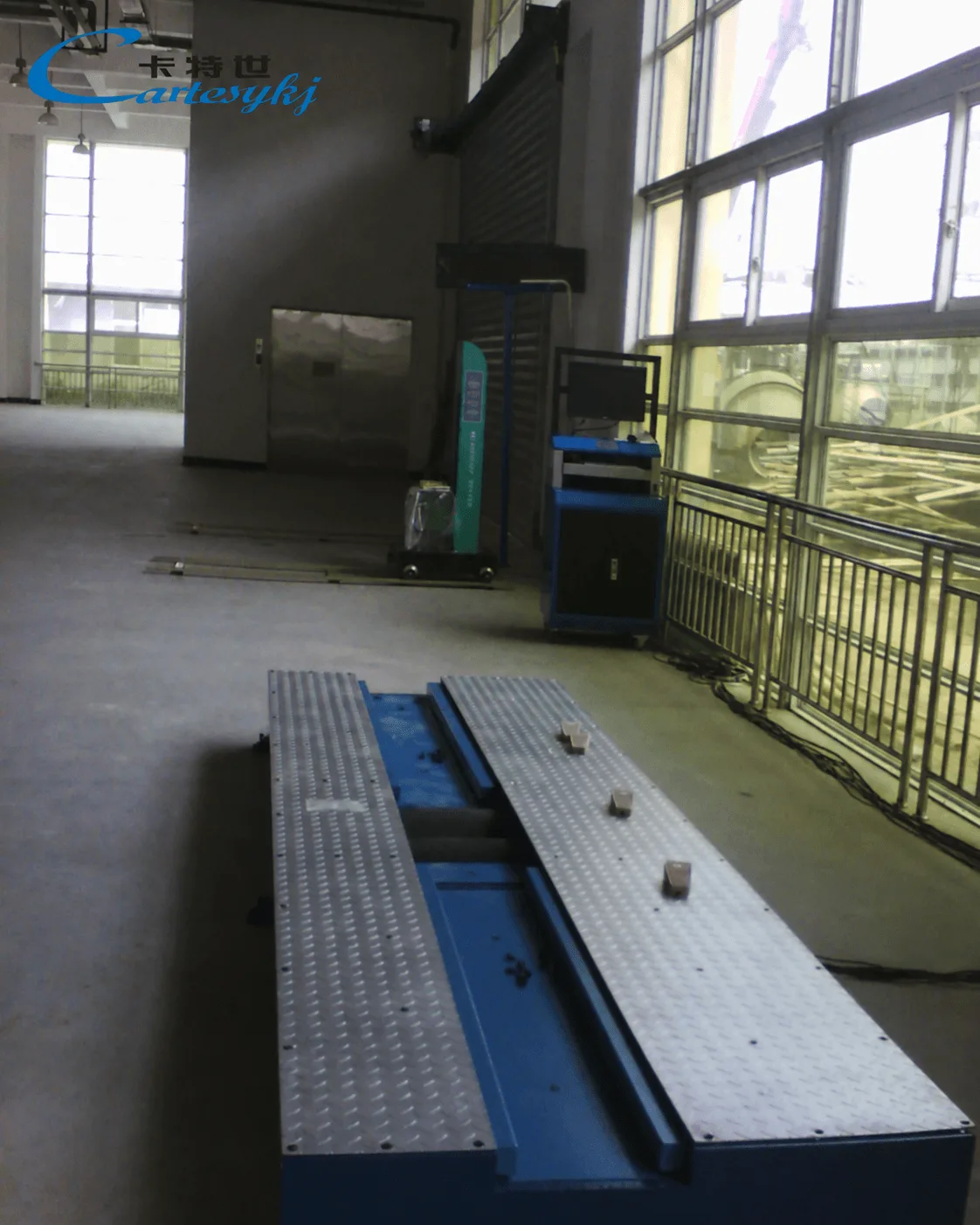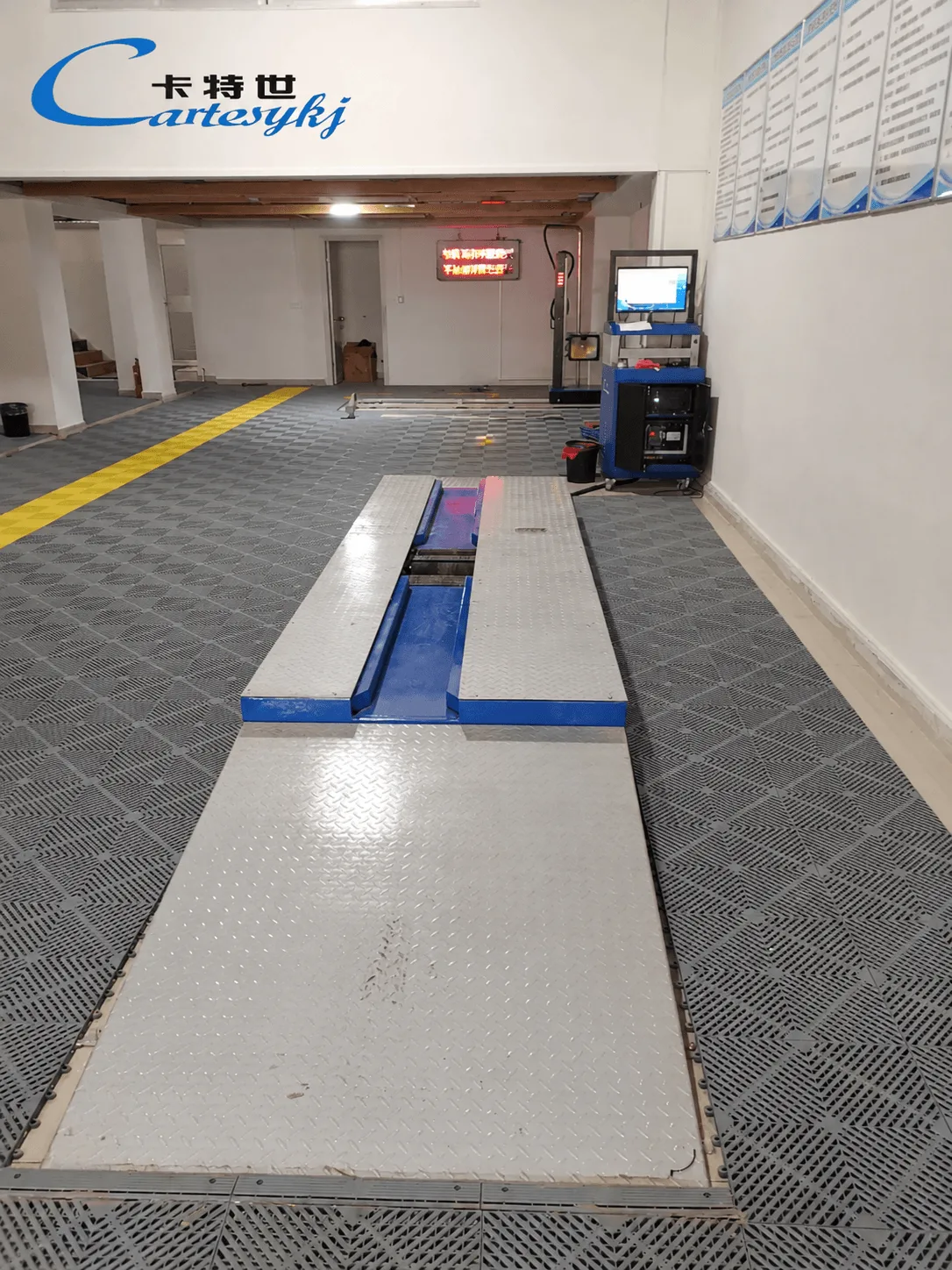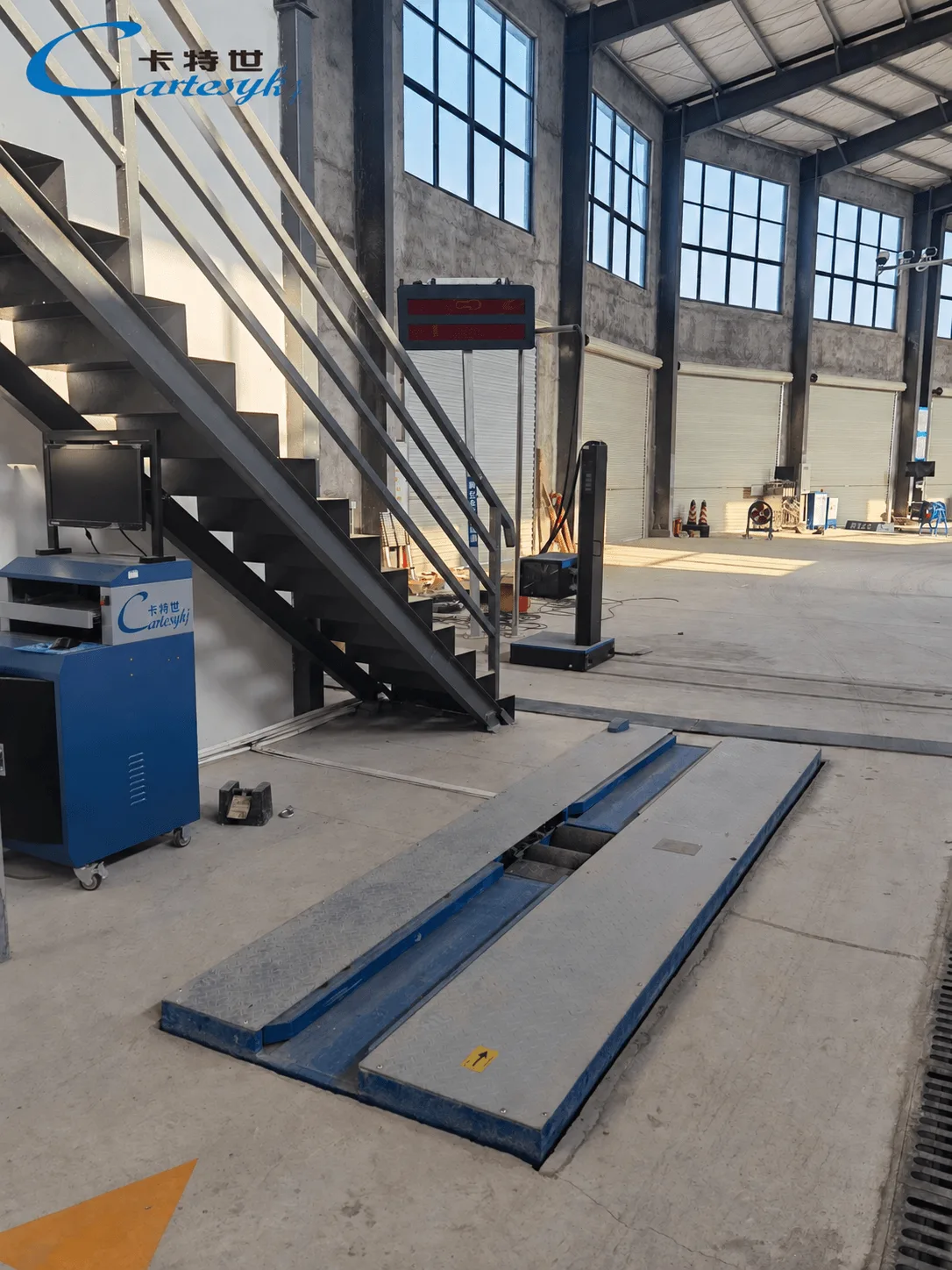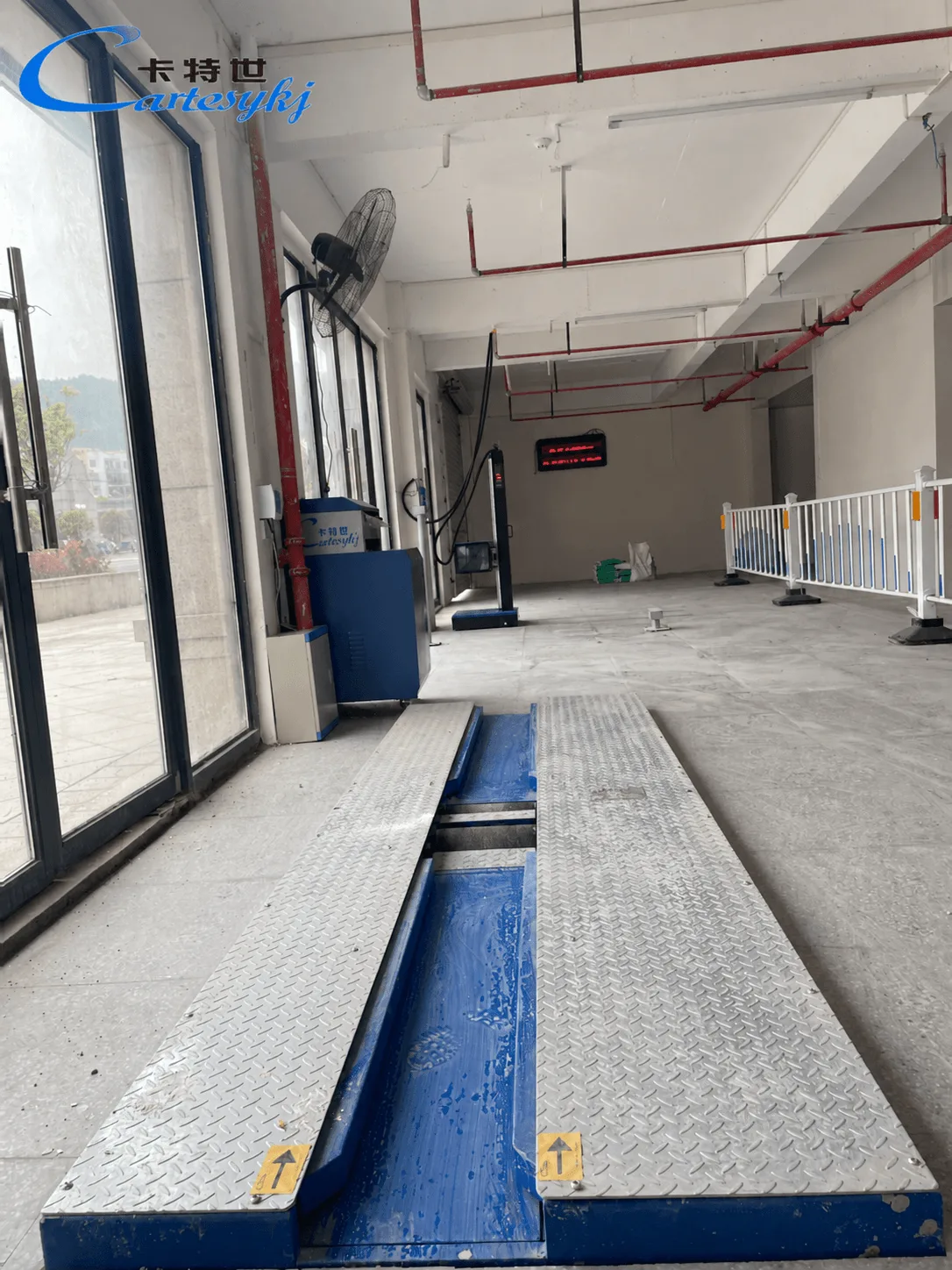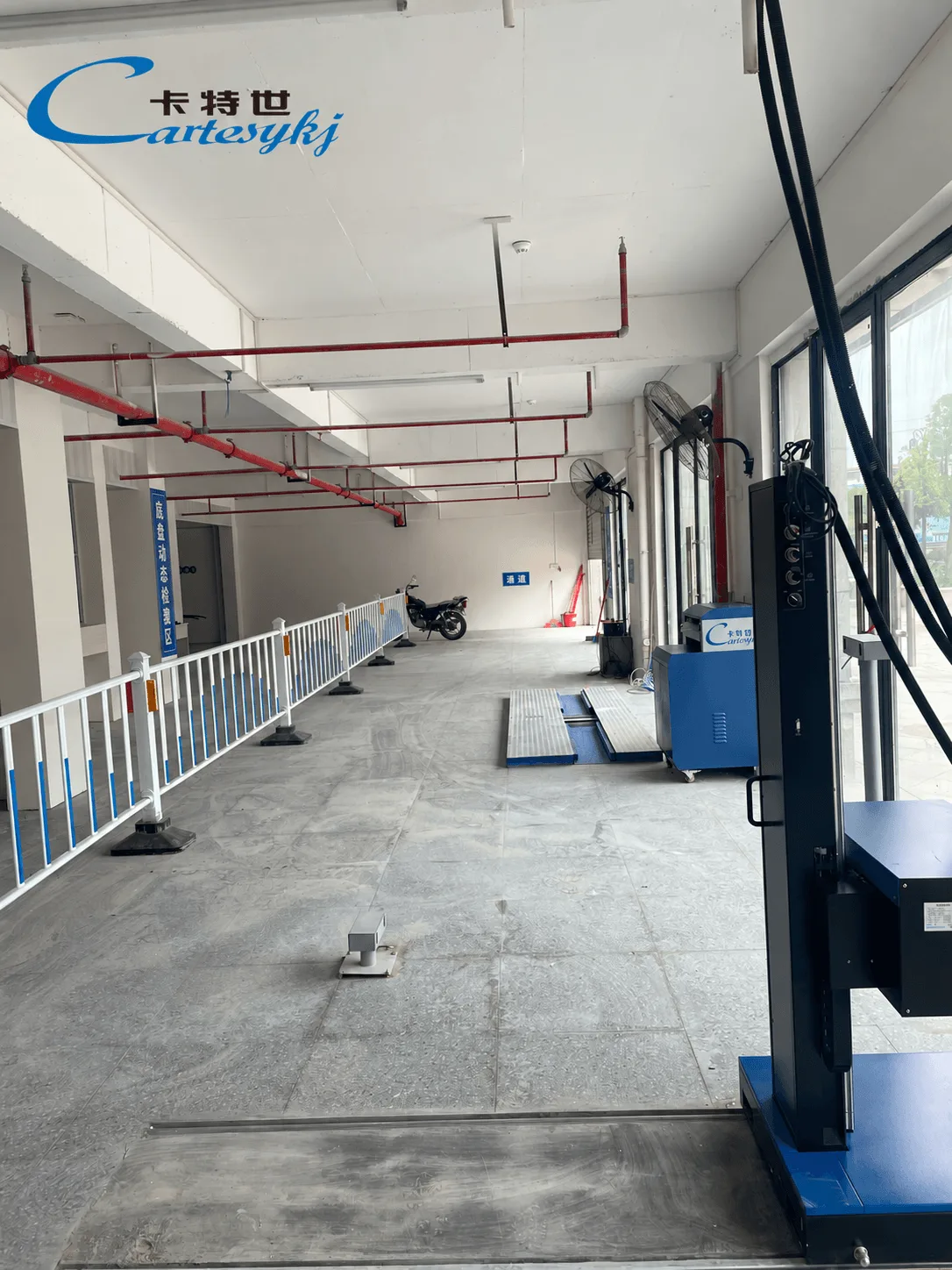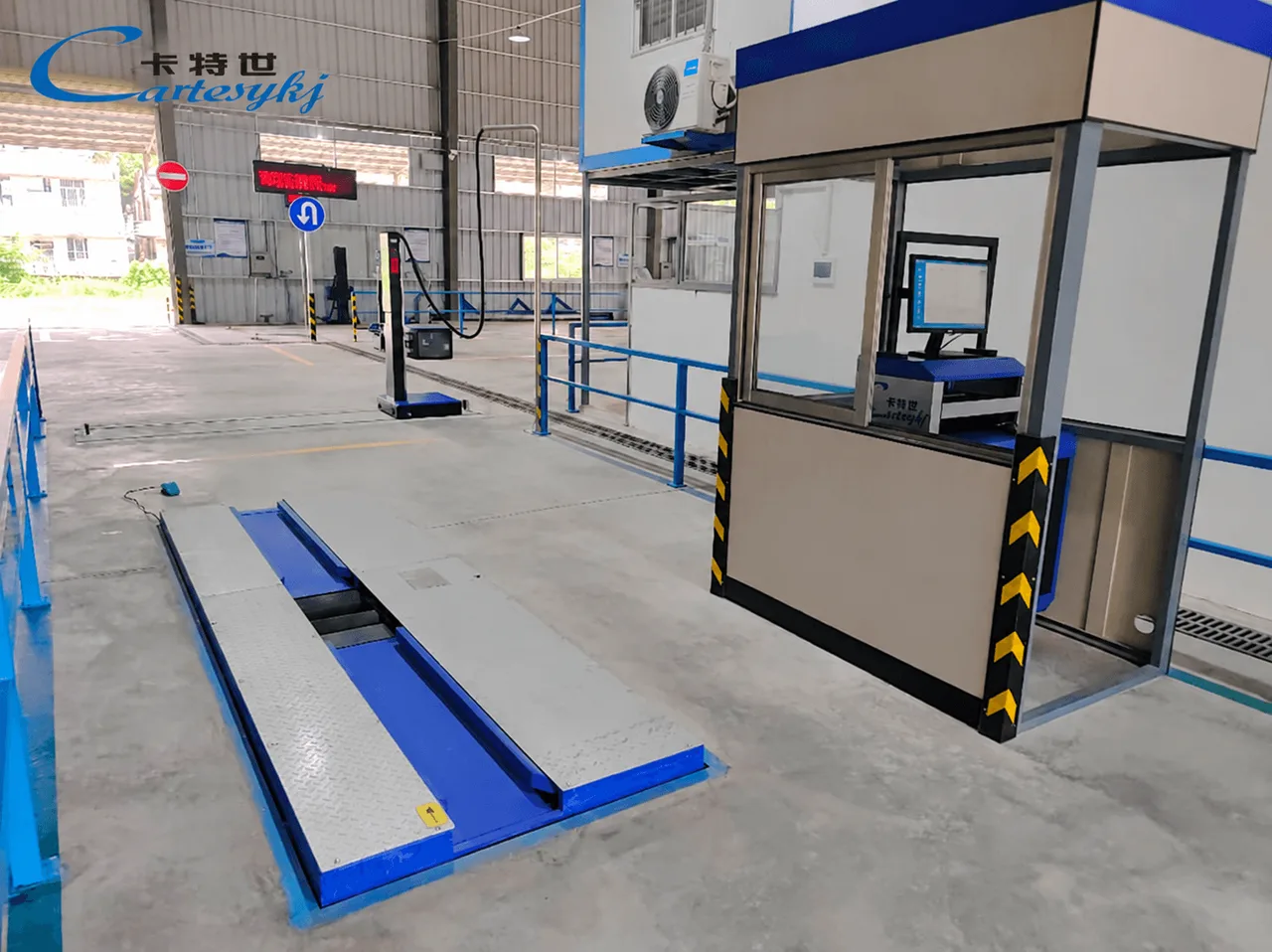
Project
Electric Motorcycles – Design Proposal for Factory-End Quality Assurance Testing Lines for Two-Wheeled Electric Vehicles
High-throughput periodic technical inspections and manufacturing quality control demand precision, operator safety, and compliance with statutory standards. A modular two-wheel testing lane evaluates critical safety.
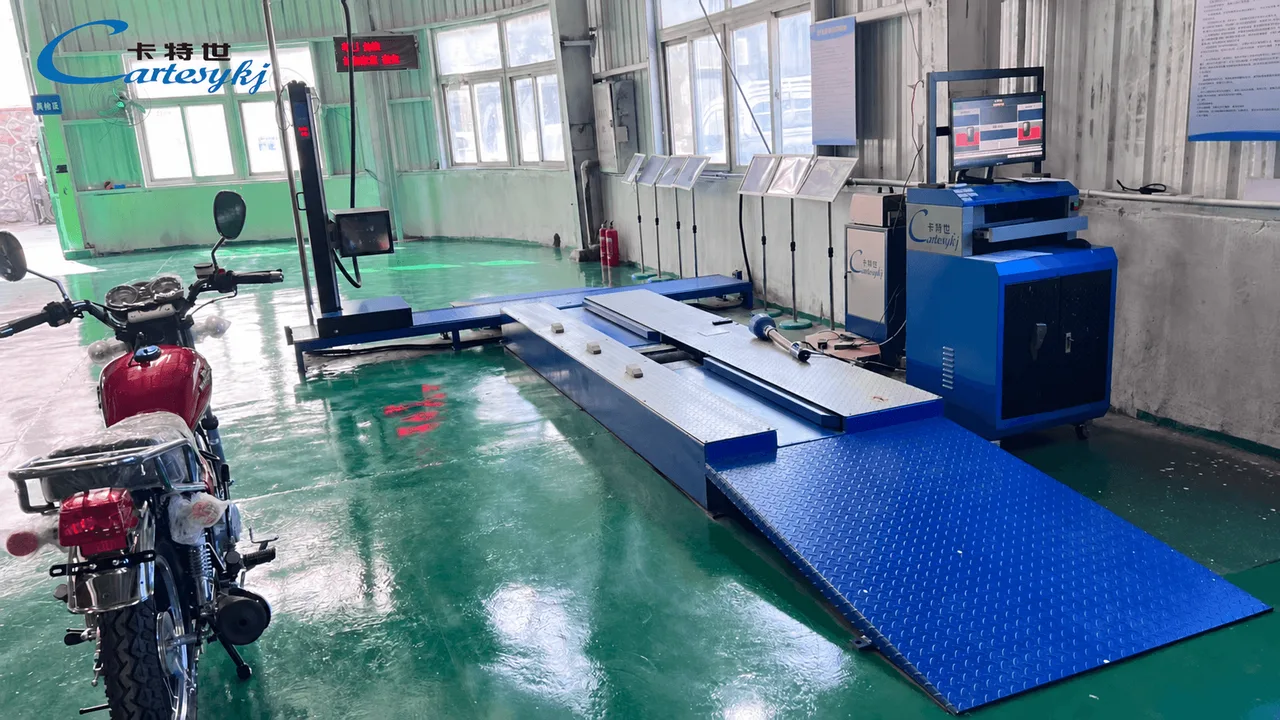
The Core Components of a Two-Wheel Motorcycle Testing Line
High-throughput periodic technical inspections and manufacturing quality control demand precision, operator safety, and compliance with statutory standards. A modular two-wheel testing lane evaluates critical safety systems through integrated mechanical, optical, and diagnostic stations.
Motorcycle Brake Tester & Wheel Load Tester
Single-track brake diagnostic systems require dedicated roller geometry and stable holding mechanisms to accurately capture braking forces without compromising operator balance.
High-Grip Roller Surfaces: Features high-friction roller coatings, including welded profiles and durable plastic corundum, delivering tire-preserving grip and realistic road simulation.
Integrated Wheel Load Determination: Precision shear beam load cells record static and dynamic axle loads to calculate accurate deceleration percentages and vehicle balance.
Intelligent Drive Control: Drive motors include automatic start-up monitoring, bidirectional rotation capability, and rapid slip shut-off to prevent tire wear during peak brake input.
Pneumatic Restraint Systems: Integrated pneumatic wheel clamping and mechanical guide systems secure the tire, maintaining the motorcycle in a safe, upright position throughout the diagnostic cycle.
| **Feature | Technical Specification | Benefit** |
|---|---|---|
| Drive System | Low-wear motors with slip shut-off | Protects motorcycle tires and drive components |
| Roller Coating | Plastic corundum / welded traction mesh | Consistent friction coefficient in wet or dry tests |
| Weighing Cells | High-precision shear beam sensors | Dynamic and static wheel load calculation |
| Safety System | Integrated guide rails & pneumatic clamping | Safe upright positioning for single-track vehicles |
Motorcycle Speedometer Tester & Acceleration Performance
Precise verification of motorcycle instrument clusters ensures compliance with road safety speed limits and manufacturing tolerances.
Dynamic Roller Mechanics: Balanced runout rollers simulate road resistance, allowing steady-state speed verification across low, medium, and high velocity ranges.
Speed Sensing Precision: Optical or digital rotary encoders capture real-time surface speeds, immediately highlighting speedometer deviation on the digital diagnostic terminal.
Safety Restraint Interlocks: Mechanically anchored roll-off protection prevents vehicle ejection during acceleration and steady-state speed monitoring.
Wheel Alignment (Runout) Detection
Chassis and track alignment are vital for single-track directional stability and rider safety.
Axle & Geometry Diagnostics: Measures the straight-line alignment between the front and rear wheels, identifying structural frame deformities or swingarm offsets.
Lateral & Radial Runout Measurement: Highly sensitive diagnostic sensors identify rim deformities, wheel imbalance, and axle misalignments before road deployment.
Chassis Evaluation: Provides rapid data logging for chassis evaluation, ensuring the frame and suspension maintain proper tracking geometry under operational conditions.
Headlamp Tester (MQD-6A)
Precise optical alignment of motorcycle headlamps is required to ensure adequate illumination while preventing the blinding of oncoming traffic.
Digital & Optical Alignment: Equipped with high-precision optical lenses and digital sensor arrays to inspect low-beam cut-off lines, high-beam intensity, and beam deviation angles.
Height Adjustment Tracking: Smooth vertical guide columns allow precise positioning across various motorcycle headlight configurations, from low-mount cruisers to high-stance adventure bikes.
Statutory Compliance: Formatted to verify beam geometry against periodic technical inspection guidelines and international vehicle lighting regulations.
Sound Level Meter (HY-104A)
Acoustic inspection verifies motorcycle exhaust and engine emissions against environmental limits.
Acoustic Precision: Calibrated microphone units record sound pressure levels across designated engine RPM ranges to determine exhaust decibel outputs.
Standardized Measurement: Facilitates near-field exhaust noise measurement in full accordance with statutory inspection testing protocols.
System Connectivity: Transmits real-time acoustic values directly to the central inspection software, pairing sound emission records with vehicle ID and brake test results.
Why Electrical Parameter Testing is Crucial for EV Manufacturing
As two-wheel mobility shifts rapidly toward electric drives, mechanical safety checks alone are no longer enough. High-voltage battery systems, drive controllers, and electric motors require precise diagnostics to verify operational safety, energy efficiency, and build consistency. Any deviation in current draw, insulation, or power delivery can compromise rider safety and shorten component lifecycles.
To meet stringent factory-gate standards, modern assembly and end-of-line lines require reliable electrical parameter verification seamlessly coordinated with mechanical test benches. Operating our dedicated motorcycle EV tester for two wheels alongside specialized electrical diagnostic units allows quality managers to evaluate real-time load performance and electric powertrain integrity in a single, controlled testing procedure.
The 8710C Electrical Parameter Tester
The 8710C Electrical Parameter Tester is engineered for high-throughput EV production lines and quality inspection centers requiring rapid, lab-grade electrical diagnostics. It captures primary electrical operating values under both static and simulated driving states.
Precision Voltage and Current Capture: High-accuracy sensors measure real-time operational voltage, active current, and leakage profiles during startup and continuous drive cycles.
Dynamic Load Analysis: Evaluates power factor and system power consumption under varied load states to confirm motor efficiency and battery management system (BMS) stability.
Fast Quality Control Integration: Standardized digital interfaces feed test readings instantly into the factory quality network, preventing defective electrical systems from passing final inspection.
Operator Safety: Built-in isolation protection and automatic cutoff safeguards keep technicians protected throughout high-power test sequences.
Technical Specifications You Need to Know
When selecting professional motorcycle testing equipment, hardware precision and workshop integration are paramount. We engineer our test benches to meet strict statutory testing requirements while maintaining a compact, low-profile footprint suitable for both pit mounting and above-ground mobile ramps.
The table below outlines the core technical standards built into our motorcycle testing and diagnostic systems:
| **System Parameter | Technical Specification | Operational Benefit** |
|---|---|---|
| Roller Coating | High-grip plastic corundum or welded steel surface | Consistent friction coefficient, wet or dry; tire-preserving |
| Drive & Safety System | Electric roller drive with automatic start-up & slip shut-off | Prevents tire wear and guarantees operator safety during lockup |
| Testing Direction | Bidirectional testing capability (forward and reverse) | Versatile drive-on testing without repositioning the bike |
| Wheel Clamping | Pneumatic wheel clamp or mechanical guide mechanism | Keeps single-track vehicles upright and stable during run-up |
| Load Cell Technology | High-precision shear beam load cells | Accurate static and dynamic wheel load and axle load capture |
| Chassis Build | Hot-dip galvanized or heavy-duty powder-coated steel | Maximum corrosion resistance and industrial durability |
| Data Connectivity | ASA-livestream network interface, USB, and LAN | Direct digital export to official workshop inspection networks |
Our diagnostic units streamline daily workflows by delivering rapid deceleration readouts, exact weight distribution values, and seamless digital export. Designed around modern vehicle inspection knowledge and statutory PTI standards, these systems ensure repeatable measurement precision across every test cycle.
Advanced Software for Seamless Factory Integration
Modern production lines and high-throughput inspection lanes demand more than just rugged hardware. Our motorcycle testing equipment relies on smart, unified software designed to turn raw diagnostic numbers into actionable quality control data in real time. We build our software architecture to eliminate bottlenecks, automate documentation, and connect directly with existing plant networks.
ASA-Livestream Compatibility: Seamlessly stream diagnostic values directly into statutory vehicle inspection networks and central management platforms without manual data entry.
Flexible Hardware Interfaces: Fast, stable data transmission through industrial LAN and USB interfaces, ensuring zero lag between measurement sensors and terminal screens.
Centralized Data Management: Instantly store, evaluate, and export brake force curves, wheel weights, and performance metrics for every single-track vehicle passing through the line.
End-of-Line Production Sync: Tie test benches together—such as synchronizing our motorcycle single roller double roller horsepower dynamometer alongside roller brake stations—into one synchronized operator dashboard.
By standardizing digital measurement capture across all test benches, we ensure full traceability, audit compliance, and faster cycle times for workshops, vehicle inspection centers, and assembly facilities worldwide.
Why Choose Cartesy as Your Vehicle Inspection Equipment Manufacturer?
When selecting test lane technology, your equipment partner directly impacts measurement accuracy, test lane throughput, and long-term operating costs. As an established vehicle inspection equipment manufacturer, we design and produce high-precision motorcycle testing equipment backed by certified German engineering standards. We focus on building reliable, field-tested systems that handle demanding daily operations in private garages and official inspection facilities alike.
| **Key Advantage | What We Deliver | Practical Workshop Benefit** |
|---|---|---|
| Precision Engineering | Robust mechanics built to strict quality standards | Consistent, repeatable diagnostic results under continuous daily load |
| Modular Scalability | Expandable configurations from standalone units to complete lanes | Custom setups that integrate smoothly with systems like a multi-axis vehicle axle wheel load tester |
| Industrial Durability | Hot-dip galvanized or powder-coated frames with high-grip roller coatings | Superior wear resistance and extended service life with low maintenance |
| Digital Connectivity | Seamless ASA-livestream interface and modern PC/network links | Direct, automated test data transfer into your central management network |
| Flexible Footprint | Low drive-over profile with pit-mounted or above-ground ramp options | Easy space-saving installation for any maintenance inspection workshop |
Our motorcycle testing technology complies fully with statutory vehicle testing guidelines, including periodic technical inspection (PTI) mandates. By engineering every frame, roller drive, and sensor interface for maximum stability and user safety, we provide test stations worldwide with reliable tools to verify roadworthiness efficiently.
Frequently Asked Questions (FAQ)
What makes dedicated motorcycle testing equipment different from standard vehicle lanes? Standard vehicle lanes are built for multi-track chassis, whereas our dedicated motorcycle testing equipment is engineered specifically for single-track dynamics. It incorporates specialized pneumatic wheel clamps, custom roller track widths, and safety guide mechanisms to keep the bike securely upright while running dynamic brake force and wheel load evaluations.
Can the motorcycle brake tester accommodate various tire sizes? Yes. Our Motorcycle Brake Tester units feature roller geometries designed to adapt to a broad range of motorcycle tire profiles, from standard commuter bikes to wide sport and touring models. The wear-resistant, high-grip roller surfaces provide realistic traction without causing premature tire wear during hard braking assessments.
How does the test bench connect with workshop networks? We build our test systems with modern digital interfaces, including ASA-livestream connectivity, LAN, and USB links. This ensures live diagnostic data transfer straight to your workstation software, simplifying regulatory PTI logging and periodic safety certification workflows. You can see how these connected diagnostic lines perform across practical vehicle maintenance inspection setups.
Do I need a dedicated pit for installation? Not necessarily. While flush-to-floor pit mounting provides a clean, seamless shop floor, we also offer low-profile, above-ground options equipped with access ramps. This compact footprint allows workshops and testing lanes with limited square footage to implement complete inspection lanes without heavy structural modifications.
How do I request pricing and technical integration support? Because requirements vary based on test throughput, vehicle categories, and local statutory standards, we provide system pricing through direct quotation. You can contact our technical team directly to configure a stationary or modular testing lane tailored to your operational floor plan.
Conclusion & Call to Action
Equipping your inspection lane or workshop with reliable motorcycle testing equipment guarantees measurement accuracy, operational safety, and full compliance with official inspection standards. We engineer every roller set, chassis diagnostic unit, and scale system in Germany to deliver the high-level durability and precision that statutory testing organizations demand. Whether your facility requires a standalone motorcycle brake tester, integrated dynamic weighing, or seamless ASA-livestream network connectivity, our modular test systems adapt directly to your floor space and operational workflow.
Upgrade Your Inspection Capability
Investing in high-grade diagnostic benches ensures long-term return on investment, fast vehicle turnaround, and consistent diagnostic precision:
Engineered Durability: Benefit from wear-resistant roller coatings and rigid steel frames designed for continuous daily throughput.
Flexible Workshop Layouts: Select between space-saving flush pit installations or surface-mounted ramps with ultra-low drive-over profiles.
Standardized Digital Workflows: Connect your test data directly to central workshop management software without communication bottlenecks.
To keep up with evolving standards and statutory testing guidelines, check out our latest vehicle inspection news and read our in-depth technical testing articles for professional workshops.
Contact our technical sales team directly to discuss your workshop specifications and request a tailored B2B quote for your testing lane.
Related Sources
https://www.cartesy.de/en/products/
https://unece.org/un-regulations-addenda-1958-agreement
https://www.iso.org/standard/13174.html
Project imagery