Project
Electric Motorcycle Testing Solutions: Motorcycle Inspection Equipment for Two- and Three-Wheeled Models
Motorcycle inspection equipment should be configured around the results a facility needs to obtain, such as wheel-load measurements, braking data, speedometer comparisons, or performance at the driven wheels. For.
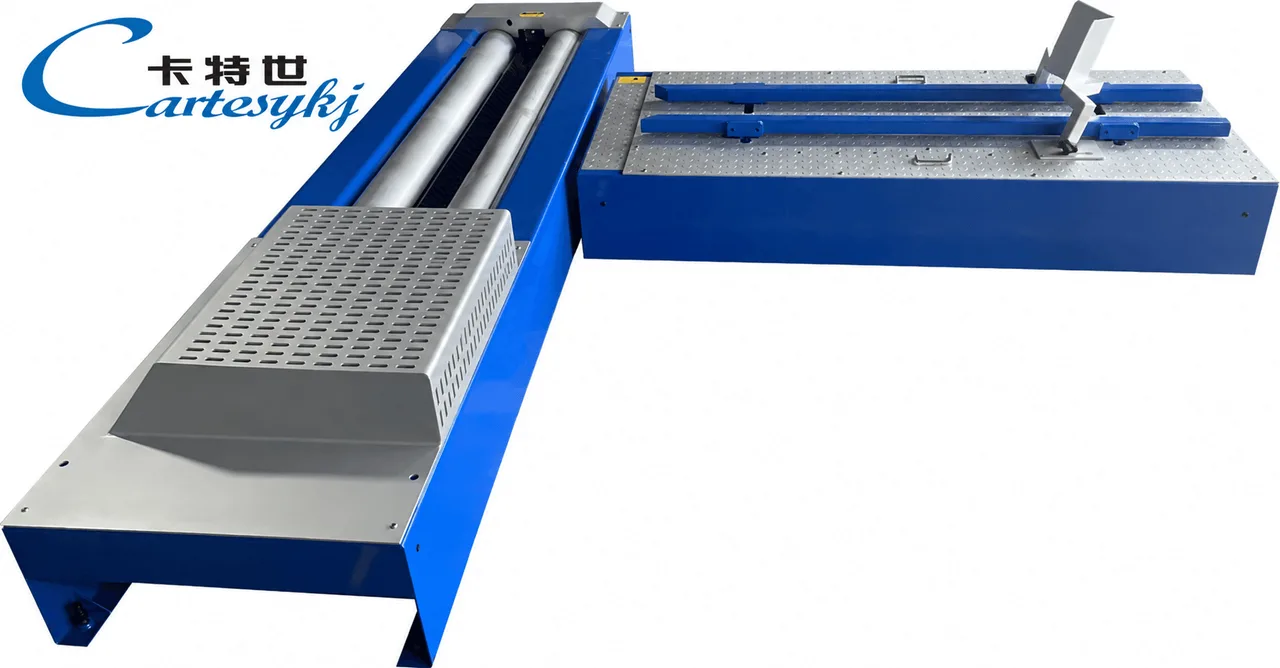
Motorcycle inspection equipment should be configured around the results a facility needs to obtain, such as wheel-load measurements, braking data, speedometer comparisons, or performance at the driven wheels. For electric motorcycles, the solution must also account for vehicle operating modes and the conditions under which each test is performed.
Two- and three-wheeled models require particular attention to equipment compatibility. Wheel count alone does not establish which wheels are driven, how the vehicle interacts with the equipment, or which measurements the proposed configuration can provide.
A complete testing solution therefore connects the vehicle layout, inspection method, equipment configuration, and reporting process. Each result should answer a defined question and remain within the scope of the method used to obtain it.
Define Compatibility for Two- and Three-Wheeled Models
The first step is to identify the actual vehicles included in the test program.
For each model, the equipment specification should address wheel positions, driven-wheel arrangement, relevant dimensions, tire contact, and supported loads. These details determine whether the proposed equipment can accommodate the vehicle and perform the required test.
Compatibility must be established separately for each testing function. A configuration suitable for weighing a vehicle does not automatically establish compatibility with roller-based brake or performance testing.
Confirm the Driven-Wheel Arrangement
A two-wheel or three-wheel description does not fully define the propulsion system.
The proposal should identify which wheels are driven and whether the equipment supports that arrangement under the selected procedure. A configuration intended for one driven wheel should not be assumed suitable for a driven wheel pair or independently driven wheels.
This distinction also affects reporting. A measurement taken from one wheel must not be presented as total vehicle propulsion output unless the documented method supports that conclusion.
Document Positioning and Support
The equipment documentation should explain how each intended vehicle configuration is positioned, supported, and restrained during testing.
These arrangements need to correspond to the specific equipment and test method. They should not be inferred from the appearance of the platform or from compatibility with another vehicle type.
For a facility handling several layouts, the proposal should also identify any required fixtures, configuration changes, or separate procedures. This makes the supported vehicle range clear before the equipment is installed.
Match Inspection Equipment to the Required Result
A testing solution may combine several instruments, but each function should have a distinct purpose.
The following equipment categories can be considered according to the project’s inspection scope. Their inclusion does not mean that every electric motorcycle inspection requires every test.
| Equipment or Function | Purpose | What Must Be Defined |
|---|---|---|
| Wheel-load measurement | Measure the load supported at a wheel under specified weighing conditions. | Vehicle loading, support conditions, measurement positions, units, and any permitted calculations. |
| Brake testing | Evaluate braking response using the selected method. | Measured quantities, wheel-testing procedure, vehicle operating state, and calculation basis. |
| Speedometer verification | Compare indicated speed with a defined reference measurement. | Reference method, test points, vehicle compatibility, and evaluation criteria. |
| Chassis dynamometer testing | Evaluate defined performance at the driven wheels. | Supported drive arrangement, operating modes, measured and calculated outputs, and test conditions. |
| Recording and reporting | Associate results with the correct vehicle and procedure. | Identification, data transfer, report fields, calculation rules, and acceptance criteria where applicable. |
Keep Wheel-Load Measurements Within Their Defined Conditions
Wheel-load readings describe the loading condition during the weighing procedure.
The method should specify whether a rider or payload is included and how external support is treated. Where several wheel readings are combined into a total, the documented procedure must permit that calculation under consistent loading and support conditions.
Static wheel-load measurements should not be presented as measurements of load distribution during braking. If a braking calculation uses a load value, the required input and units must be defined by the applicable method.
Define What the Brake Test Establishes
The brake-testing station should distinguish directly measured quantities from calculated results.
Where the system reports braking force or a calculated efficiency value, the documentation should identify how that result is obtained. The procedure should also explain which wheels are assessed and how any linked braking arrangement is handled.
For three-wheeled models, a result from one tested wheel should not automatically become a conclusion about the complete braking system. The report must reflect the actual measurement scope.
Establish a Valid Speed Reference
Speedometer verification compares the vehicle’s indicated speed with a documented reference under specified conditions.
The proposal should explain how reference speed is obtained, how the displayed speed is recorded, and whether the arrangement is compatible with the vehicle’s speed-sensing system.
A speed display on another instrument should only be used for this purpose when its measurement capability and intended verification procedure are documented.
Use a Motorcycle Chassis Dynamometer for Defined Performance Tests
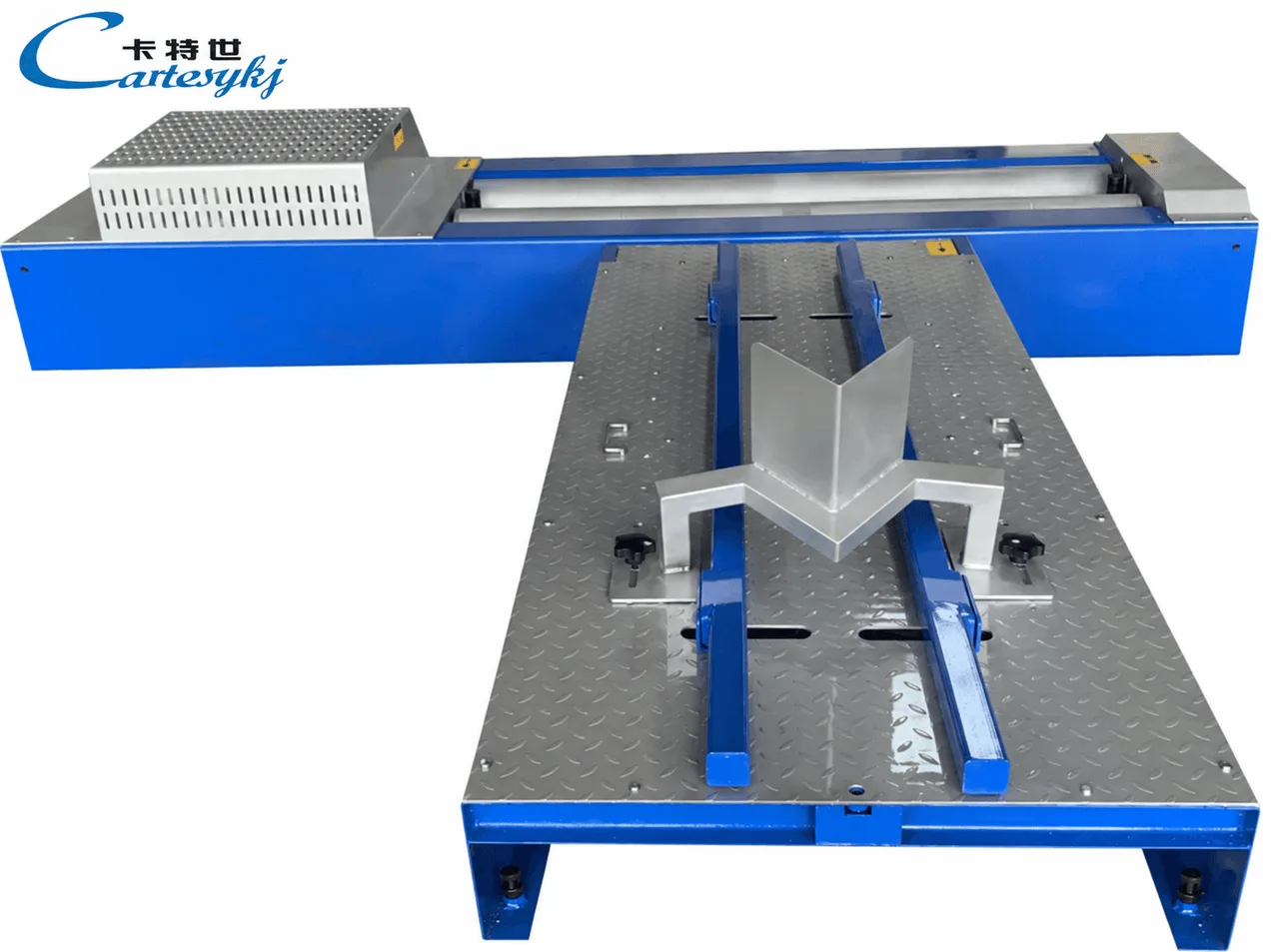
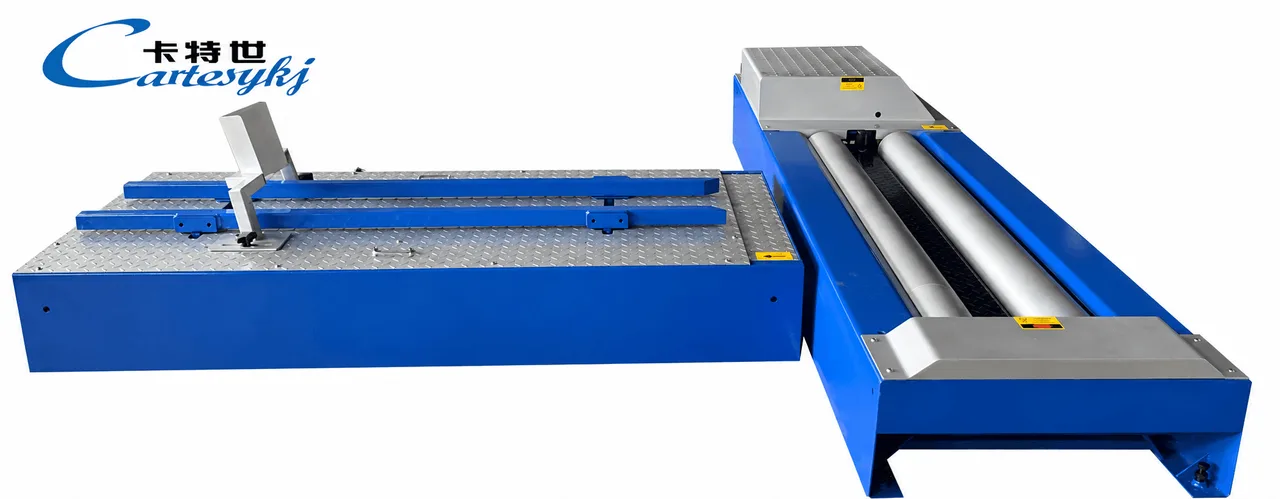
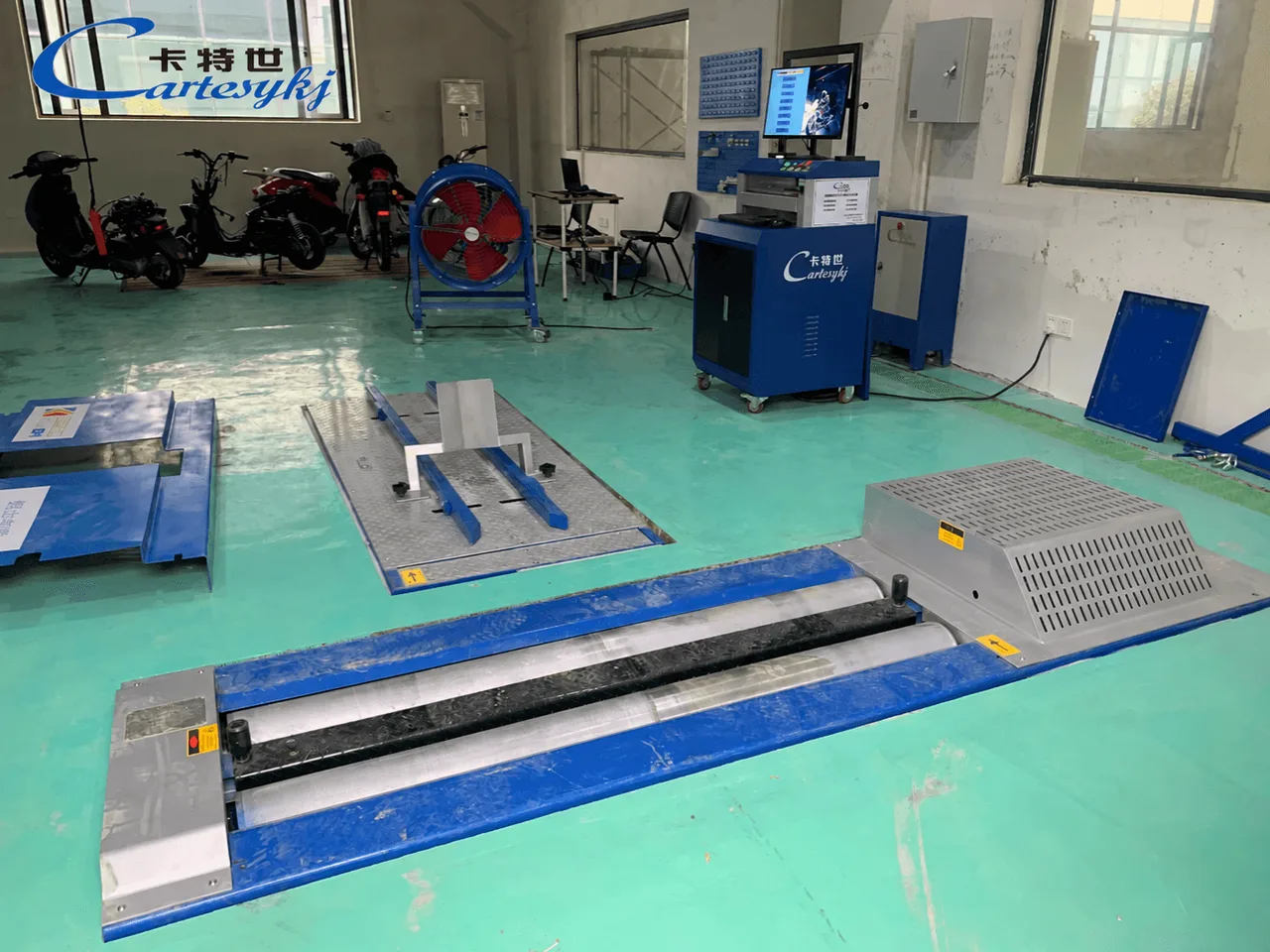
A motorcycle chassis dynamometer belongs in the solution when the project requires performance measurements at the driven wheels.
In a roller-based configuration, the driven tire or tires transfer mechanical motion to the test system. The equipment measures or calculates performance quantities according to its design and the selected procedure.
The technical documentation should identify the actual measurement point and calculation method. A reported wheel-power result should remain identified as wheel power. Any estimate of motor-shaft output requires a separately documented method and assumptions.
Confirm the Required Loading and Control Functions
The dynamometer configuration must match the intended test.
If the procedure requires controlled resistance, a maintained operating point, or a programmed test sequence, those functions should be confirmed for the proposed system. They should not be assumed from the term “chassis dynamometer.”
The loading principle and supported operating modes should be stated in the technical documentation. An unclear product label is insufficient to establish how the system applies load or which tests it can perform.
For vehicles with different driven-wheel arrangements, the proposal should explain how the test configuration supports each arrangement. Measuring one driven wheel does not automatically characterize all propulsion output from a multi-wheel drive system.
Separate Mechanical Output From Electrical Assessment
Wheel-performance data does not directly establish battery electrical input, battery health, or usable battery capacity.
An efficiency calculation requires defined input and output measurements. Similarly, an assessment of electrical energy returned during regeneration requires an appropriate electrical measurement method.
Where those assessments are part of the project, the additional instruments and procedures should be included explicitly in the solution.
Set the Operating Conditions for Electric Motorcycle Testing
Electric motorcycle test results need a documented vehicle state.
The selected procedure should identify which conditions must be controlled and which must be recorded. Depending on the assessment, relevant information may include battery state of charge, operating mode, available temperature information, and vehicle settings that affect the test.
These requirements should come from the intended method and vehicle documentation. A universal charge level, preparation time, or operating temperature should not be assigned across different models without supporting evidence.
Address Regenerative Braking Where Present
If the vehicle uses regenerative braking, the procedure should define how that function is treated.
For braking assessments, the report should distinguish a friction-brake result from a result that includes regenerative contribution where the method requires that distinction.
For dynamometer-based deceleration testing, the proposed configuration and vehicle procedure must expressly support the intended assessment. The ability to conduct propulsion testing does not establish the ability to perform every regenerative-deceleration test.
Follow Documented Vehicle Control Requirements
ABS, traction control, and other vehicle functions may need to be considered when defining the test arrangement.
Any required test mode or vehicle setting should follow the relevant equipment and vehicle instructions. A generic instruction to disable a control system is not a substitute for a supported procedure.
Documenting these conditions also helps when comparing results. A change in measured performance should be interpreted with an understanding of whether the vehicle state and test setup remained comparable.
Connect the Stations Through a Clear Inspection Workflow
The inspection workflow should keep each motorcycle associated with its test program and results from entry through reporting.
At the beginning of the process, identify the vehicle configuration and select the applicable procedures. At each station, record the measurements and relevant operating conditions. Where a result becomes an input to another calculation, identify exactly which value is being used.
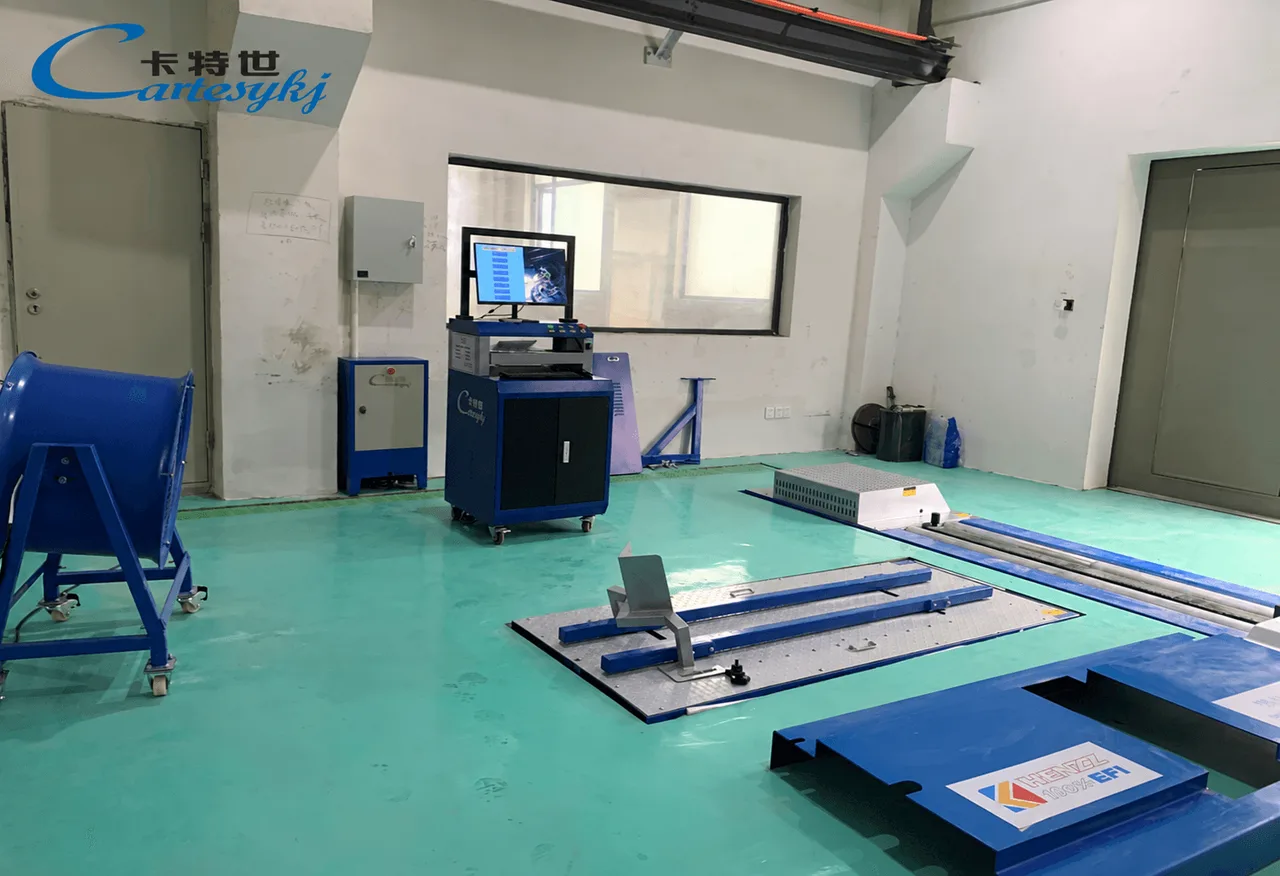
The physical test sequence should follow the documented requirements of the equipment and vehicle. The layout should accommodate the required positioning arrangements, operator access, vehicle movement, and maintenance tasks.
When motorcycle stations are supplied as part of a broader motor vehicle inspection equipment package, their functions and supported configurations should be identified explicitly. Compatibility with another vehicle category should not be used as evidence that the same arrangement supports motorcycles.
Define Data Integration Before Relying on It
If several instruments contribute to a common report, specify how their records will be combined.
Automatic identification, direct data transfer, shared software, and report generation are capabilities to verify in the proposed configuration. The supplier should identify which steps are automatic and which require operator input.
The report should distinguish
Direct measurements and their units.
Calculated results and their calculation basis.
Relevant vehicle and test conditions.
Acceptance decisions and the rules used to make them.
Incomplete or omitted tests.
A sample report allows the facility to check whether the proposed system preserves the information needed to understand each result.
Define the U.S. Project Requirements
For a U.S. installation, establish the intended test purpose, applicable vehicle classification, and acceptance criteria before finalizing the equipment configuration.
A three-wheeled electric vehicle should not automatically be assigned the same classification or inspection procedure as every other motorcycle. The project needs to identify the requirements applicable to the specific vehicles and intended use.
The test program may follow a named inspection program, a customer specification, or an internal evaluation procedure. That basis should be documented alongside the methods and reporting requirements.
Measurement and acceptance should remain distinct. The instrument records a result under stated conditions; the applicable rule determines how that result is evaluated.
A software-generated “pass” or a general reference to a standard does not, by itself, establish acceptance of the complete installation for its intended purpose.
Request a Configuration That Matches the Test Program
A vehicle inspection equipment supplier should provide a proposal that connects the intended vehicles and inspection tasks to specific equipment functions.
The proposal should identify the supported two- and three-wheel configurations, required fixtures, measurement methods, dynamometer operating modes, and reporting arrangements. It should also include the relevant installation, calibration, operating, and service documentation.
Where a demonstration or acceptance test is arranged, use agreed vehicles and procedures representative of the intended application. Review the complete workflow and report, including any calculations that depend on measurements from another station.
A practical electric motorcycle testing solution is defined by the relationship between the vehicle, the test method, and the result. Selecting motorcycle inspection equipment around those connections provides a clear basis for evaluating both individual instruments and the complete inspection system.
Project imagery