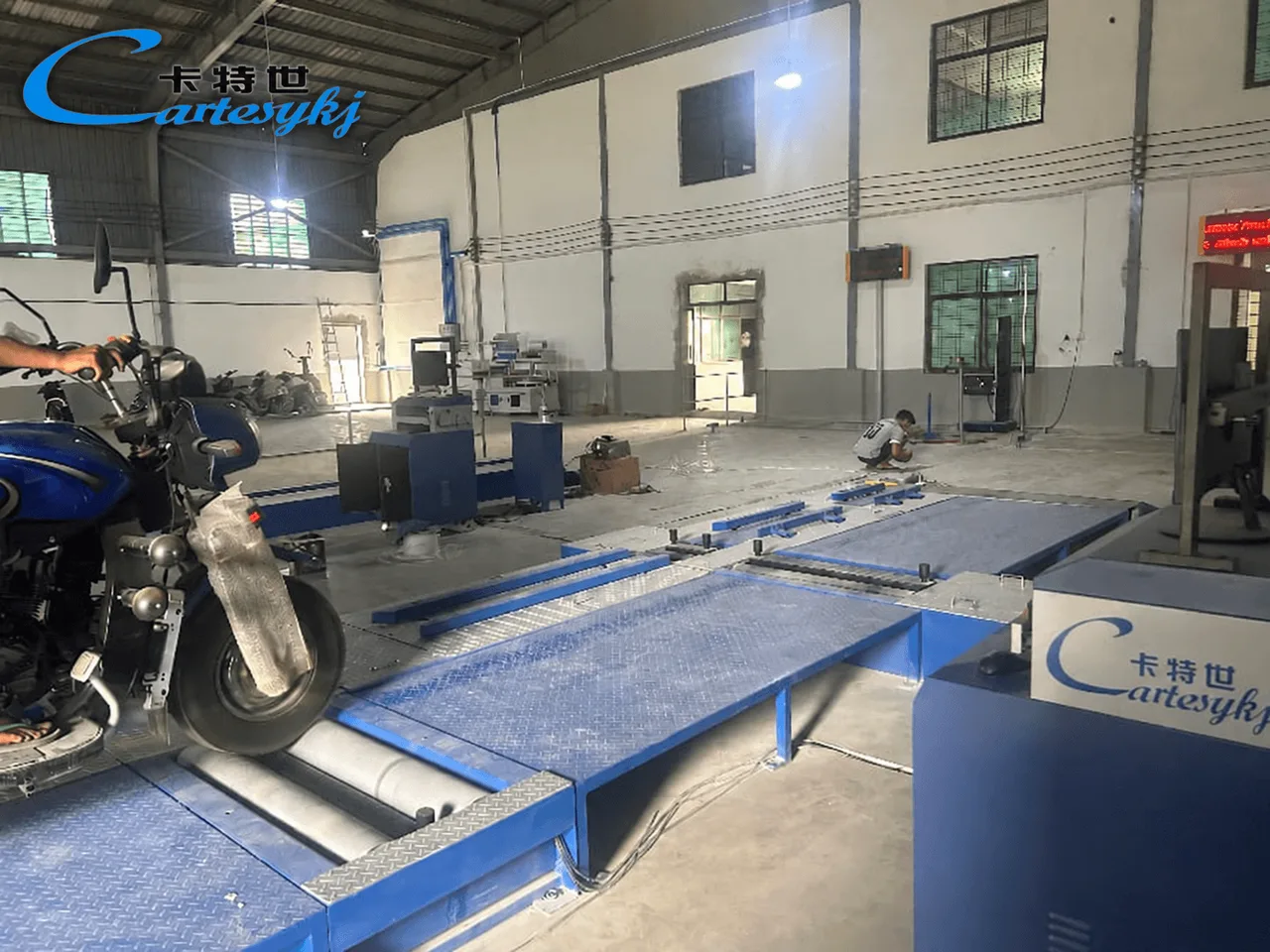
Project
All-Model Motorcycle Inspection Line: Complete EOL Testing Solutions & Equipment
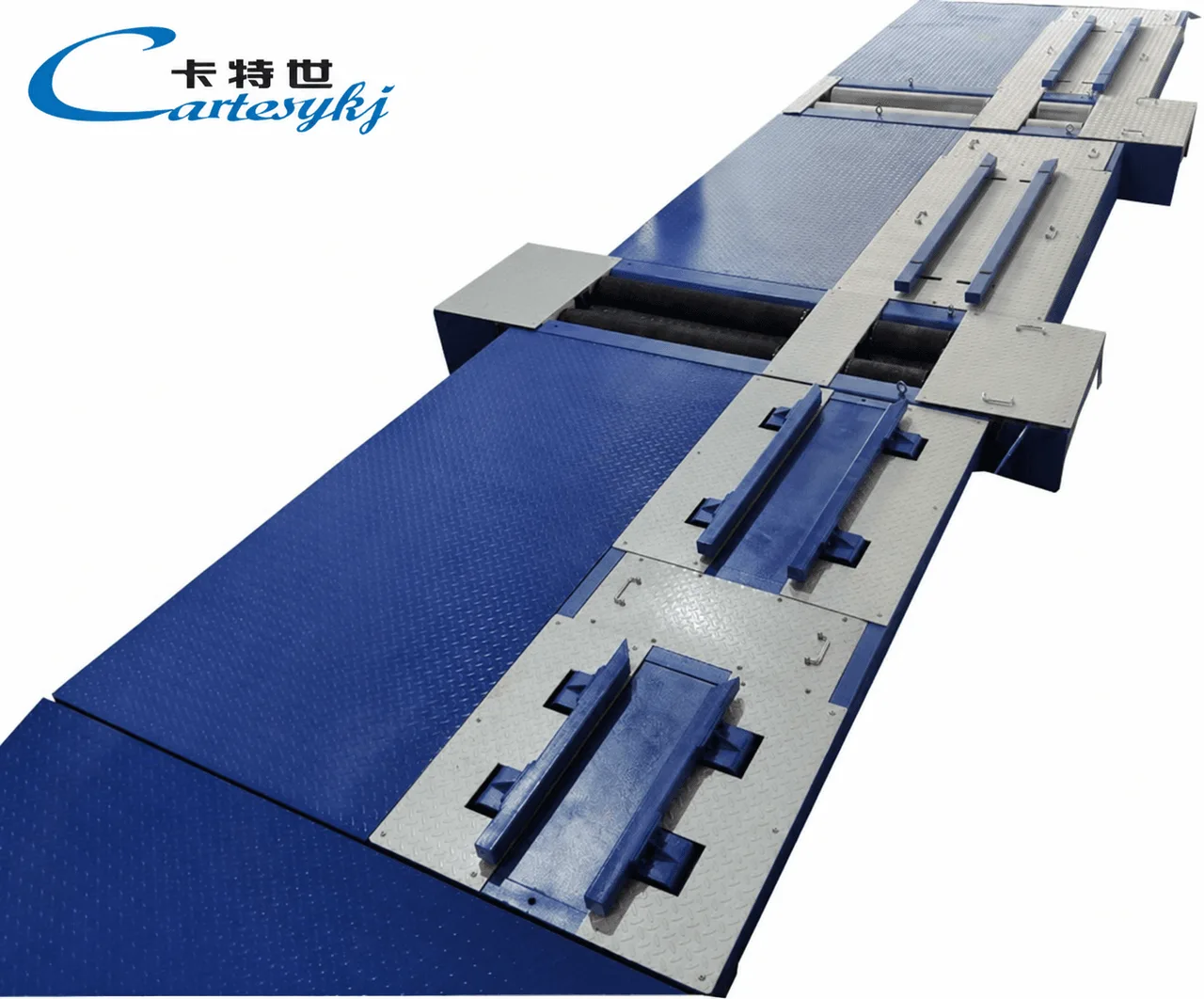
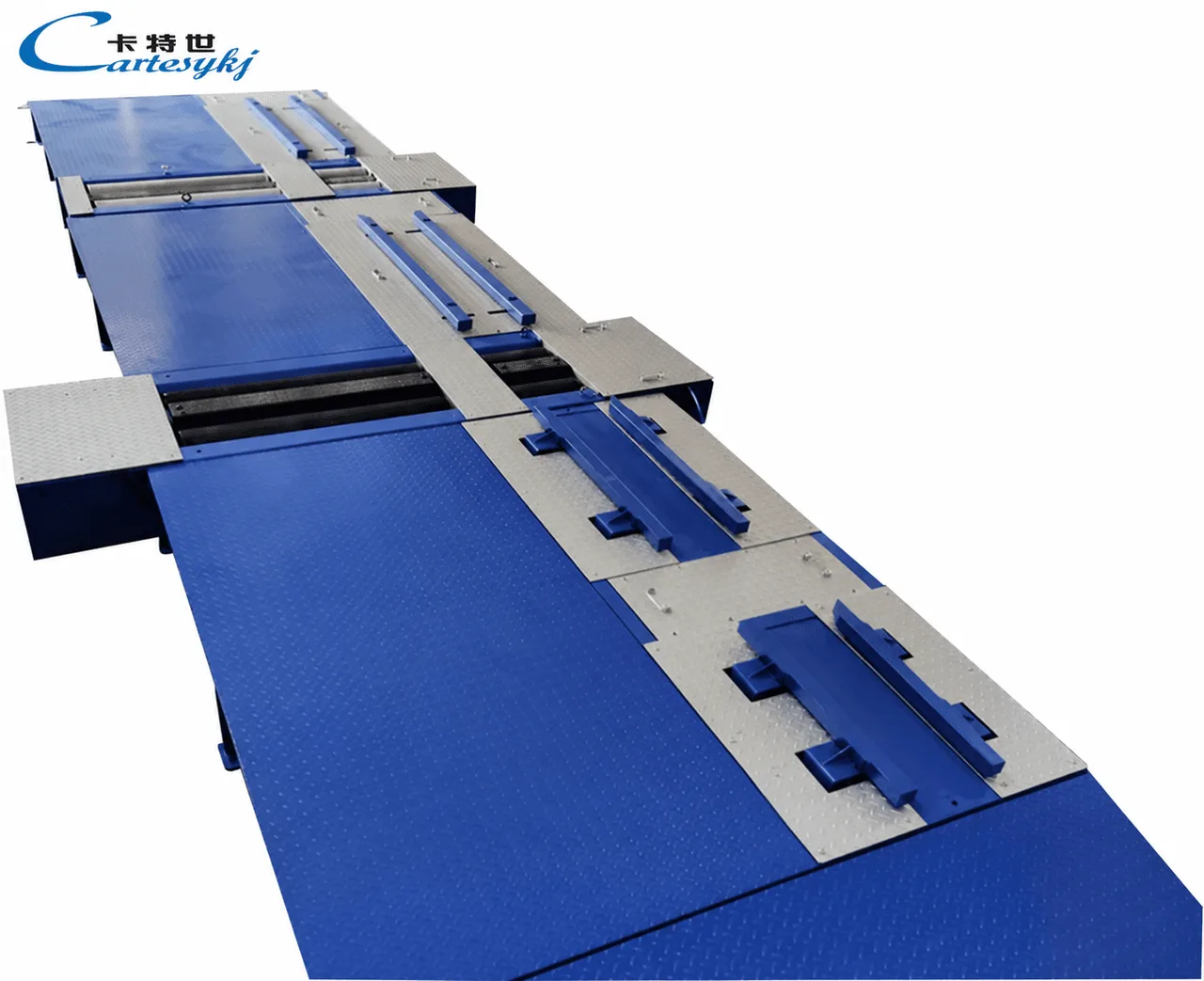
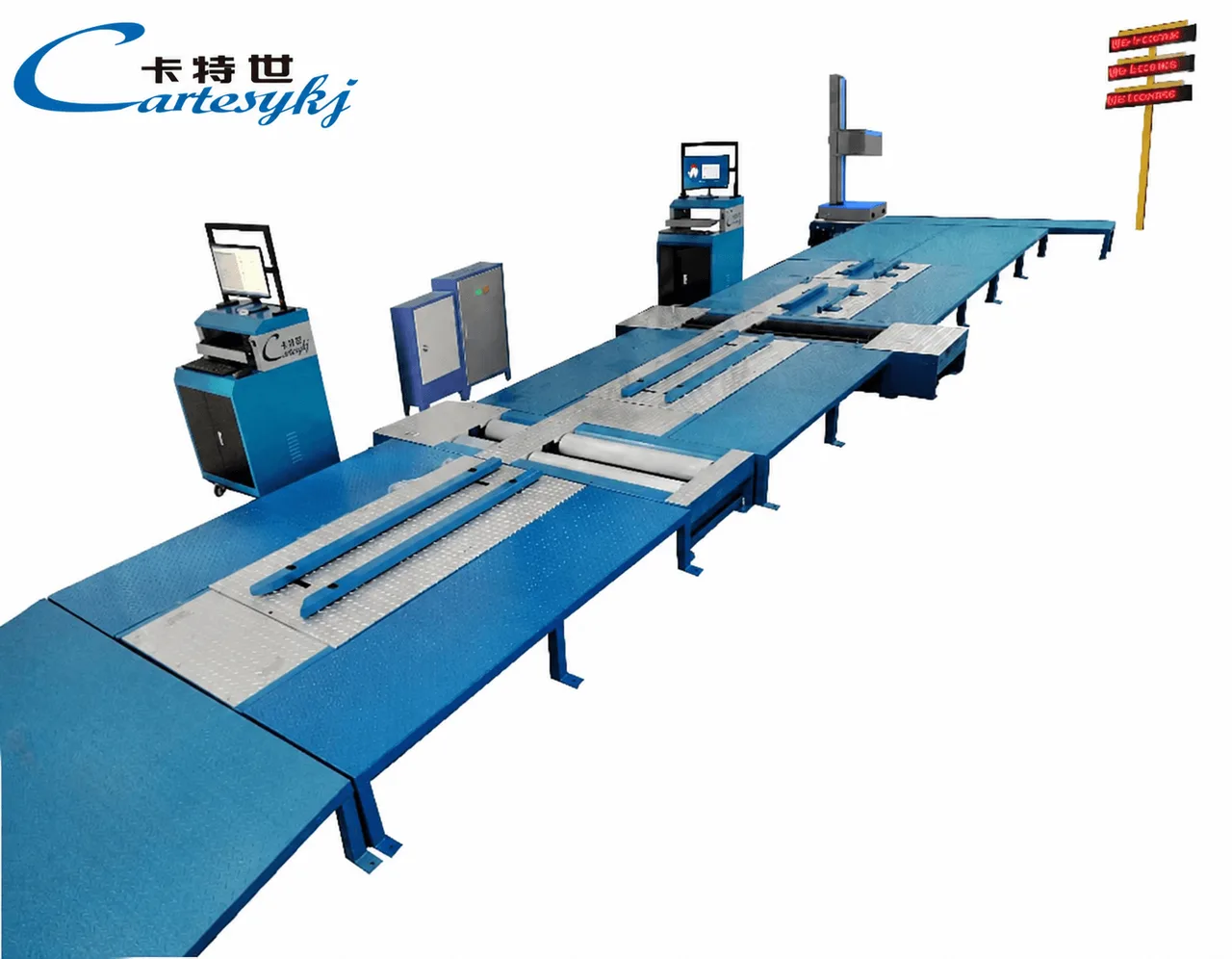
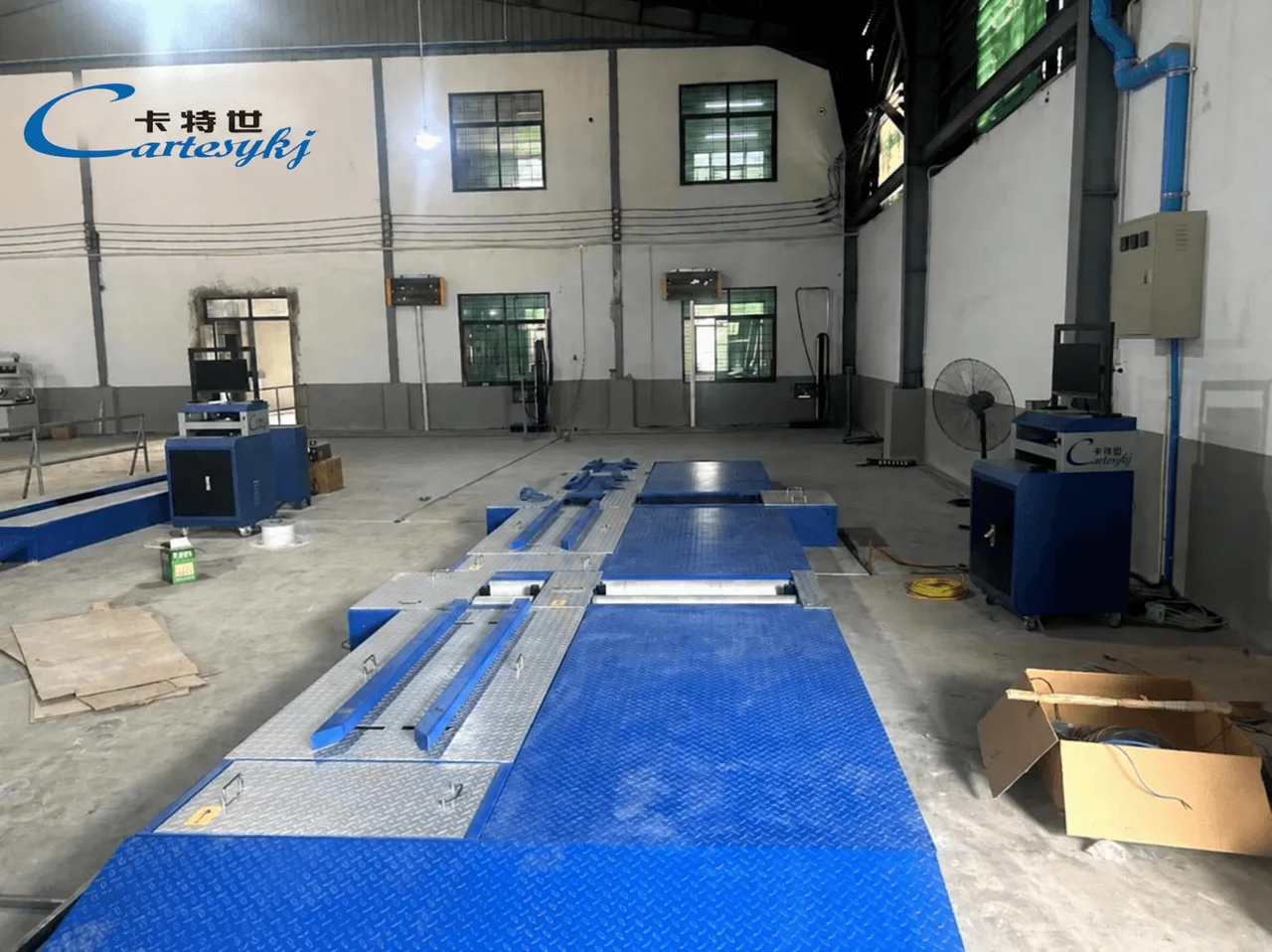
A motorcycle inspection line for electric motorcycles should connect vehicle identification, the required tests, and a report that explains each result. A proposed configuration may include brake testing and headlight.
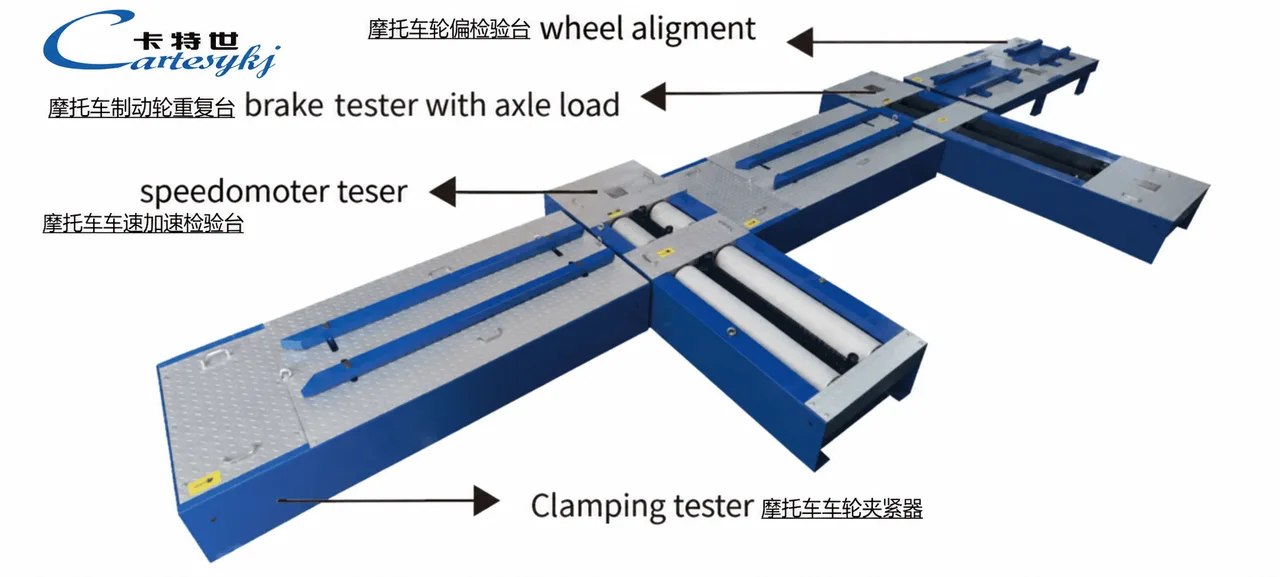
A motorcycle inspection line for electric motorcycles should connect vehicle identification, the required tests, and a report that explains each result. A proposed configuration may include brake testing and headlight assessment, while side-slip testing should be included only when its method and applicability are established for the intended motorcycle.
The equipment configuration should follow the inspection task. Each station needs a defined measurement purpose, a supported vehicle arrangement, and a clear basis for interpreting its results.
For a U.S. facility, the solution should also identify the applicable vehicle category, inspection procedure, and acceptance criteria before setting software limits or making compliance claims.
Define the Inspection Scope Before Combining Stations
An inspection line should be organized around the questions the facility needs to answer.
For braking, the question concerns the quantities assessed by the selected test method. For headlights, it may concern lamp operation, beam aim, or specified optical measurements. For side-slip testing, the project first needs to establish whether a suitable method applies to the motorcycle configuration.
These functions require separate definitions even when their results appear in a shared report.
| Inspection Function | Result to Define | Requirements to Establish |
|---|---|---|
| Brake testing | The braking quantities measured directly and any results calculated from them. | Test method, wheel-testing procedure, required inputs, and relevant vehicle operating conditions. |
| Headlight testing | The lamp-operation, beam-aim, or optical measurements included in the assessment. | Lamp configuration, test setup, instrument capability, and evaluation criteria. |
| Side-slip testing, where applicable | The specific quantity assessed by a documented motorcycle-compatible method. | Supported vehicle layout, equipment configuration, measurement procedure, and interpretation criteria. |
| Recording and reporting | The association between the motorcycle, its measurements, and the inspection decision. | Vehicle identification, data transfer, report fields, calculation rules, and acceptance criteria. |
This approach makes the equipment scope easier to evaluate. It also prevents a general station description from being interpreted as proof that every proposed function is suitable for every electric motorcycle.
Motorcycle Brake Tester: Clarify the Measured Result
A motorcycle brake tester should be specified together with the procedure used to evaluate the motorcycle.
The technical documentation should identify which quantities the equipment measures directly and which results it calculates. If the system reports braking force, the method should explain how that force is obtained. If it reports a calculated braking-efficiency value, the calculation and required inputs should be documented.
The procedure must also explain how the motorcycle’s wheels and braking controls are assessed. Front-wheel measurements, rear-wheel measurements, and results involving linked braking should remain clearly identified.
A reported value should be described according to what the method establishes. A braking-force measurement, for example, should not automatically be presented as a road stopping-distance result.
Establish the Required Vehicle Setup
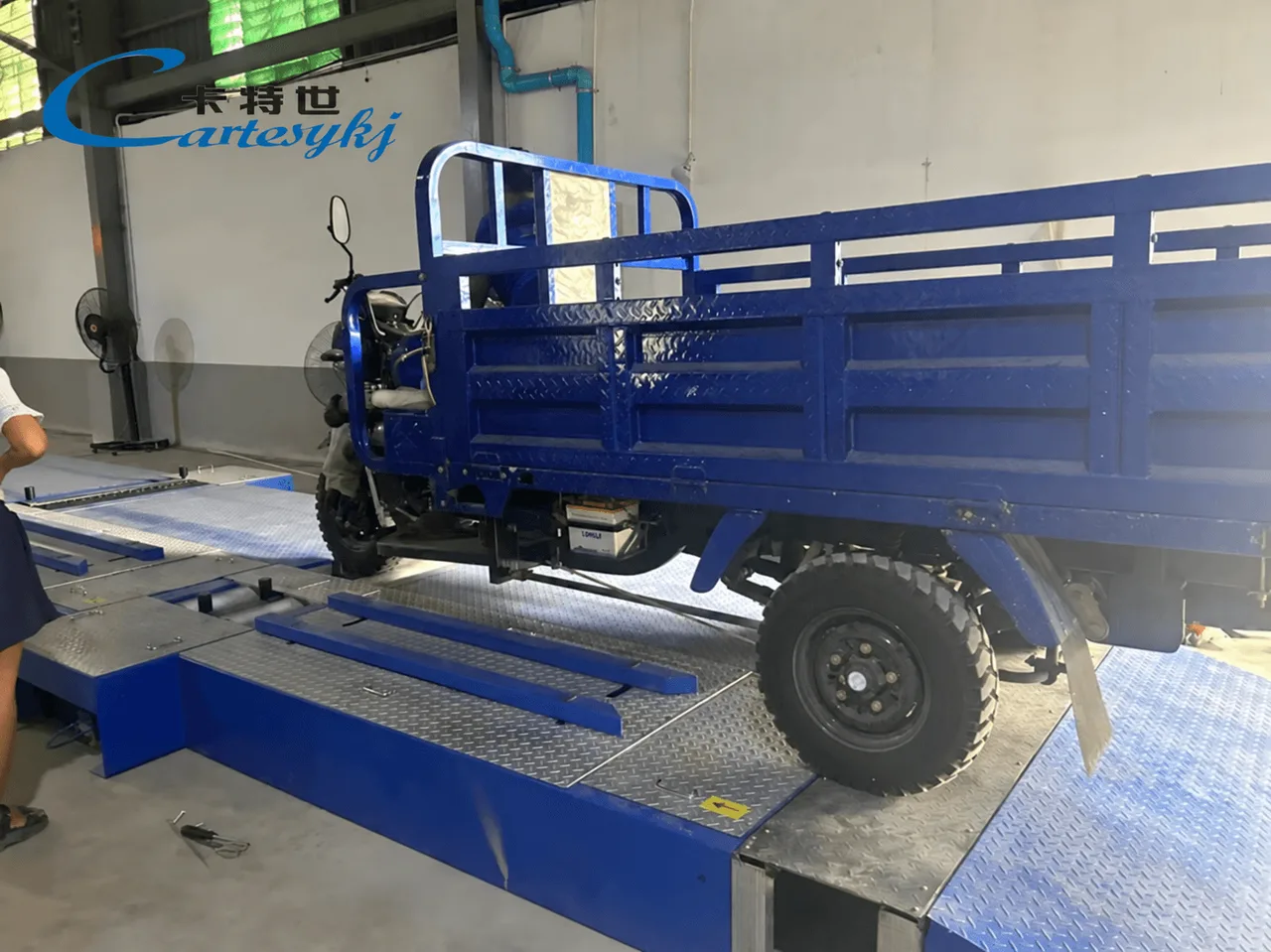
For a roller-based brake tester, the equipment documentation should cover the supported motorcycle configuration, tire contact, positioning, and restraint arrangements.
Relevant dimensional and load limits should come from the selected equipment’s technical documentation. Compatibility should not be inferred from the size of the roller assembly or from the machine’s ability to test another vehicle type.
Where a calculation uses vehicle weight or wheel-load information, the procedure should define the required quantity and units. A single wheel-load reading and the total vehicle weight should not be treated as interchangeable inputs.
Account for Regenerative Braking
If the electric motorcycle uses regenerative braking, the procedure should identify whether the reported result concerns friction braking, combined braking behavior, or another defined assessment.
The relevant operating state should be documented. A result obtained with regenerative contribution should not be described as an isolated friction-brake result unless the method supports that interpretation.
Any required vehicle test mode should follow the relevant equipment and vehicle instructions. The procedure should also address ABS, traction control, or other functions where they affect the test arrangement.
Motorcycle Headlight Testing: Identify the Required Checks
Motorcycle headlight testing can address several different questions: whether the lamp operates, whether the beam is aimed correctly under the specified procedure, and whether selected optical measurements satisfy the applicable criteria.
These checks should be distinguished in the inspection scope.
A visual operation check establishes whether the lamp functions in the modes being checked. It does not, by itself, establish beam aim or measured light intensity. Similarly, a proposed headlight tester should only be credited with the optical measurements supported by its documentation.
Define the Lamp and Test Conditions
The headlight-testing procedure should identify the lamp configuration and operating modes included in the assessment.
It should also specify the vehicle setup, loading condition where relevant, equipment position, and alignment requirements. The selected method should establish these conditions rather than leaving them to individual operator preference.
For electric motorcycles, any required electrical operating state should be documented. The facility should know how the vehicle is prepared for the assessment and which lamp modes are recorded.
Keep the Report Specific
The report should state which headlight checks were completed and what each result represents.
If the assessment includes beam aim, identify the aim-related output specified by the method. If it includes an intensity measurement, preserve the instrument’s documented quantity and units.
A general “headlight pass” should be traceable to the actual checks and criteria behind it. The reporting system should not imply that an unperformed optical measurement was included.
Motorcycle Side Slip Testing: Establish Applicability Before Inclusion
Motorcycle side slip testing requires a clearly defined application. It should not be treated as a standard function that automatically belongs in every motorcycle inspection line.
Before including it, establish that a documented method, equipment configuration, and interpretation criteria apply to the motorcycle being assessed. The proposal should identify the vehicle layout, the quantity measured, and the conditions required to obtain a meaningful result.
A passenger-car side-slip procedure should not be transferred to an inline two-wheel motorcycle simply because both appear in the same equipment catalog. The vehicle arrangement and measurement method need their own supporting documentation.
The result must also remain within its defined scope. A side-slip reading should not be presented as a complete wheel-alignment assessment, a chassis-straightness diagnosis, or proof of overall road-handling safety.
If the facility is investigating an alignment or tracking concern, first define the specific question. The supplier can then identify whether the proposed side-slip method addresses it or whether a different assessment is required.
Where motorcycle-specific applicability has not been established, the proposed function should remain outside the confirmed equipment scope.
Connect the Stations Through a Consistent Workflow
The inspection workflow should keep the motorcycle associated with the correct procedures and results throughout the line.
At entry, identify the motorcycle and select the applicable test program. Before each assessment, establish the required vehicle state and equipment setup. At the reporting stage, preserve the measurements, relevant conditions, and any rules used to classify the results.
The physical sequence should follow the documented procedures for the selected motorcycle testing equipment. There should be no assumption that a sequence used for another vehicle category applies unchanged.
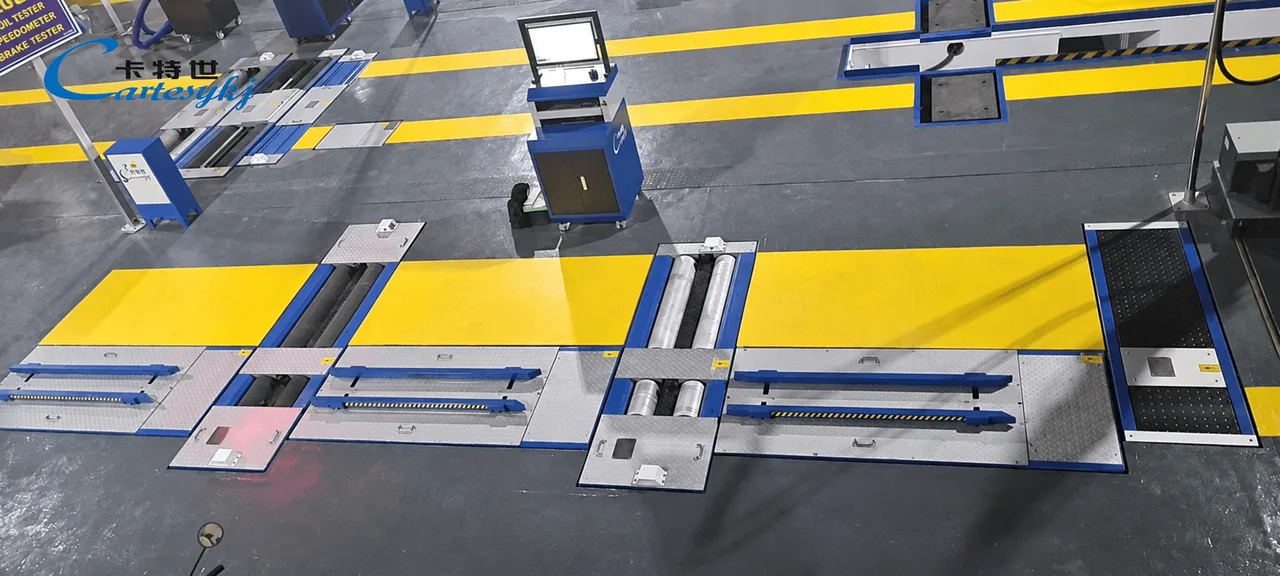
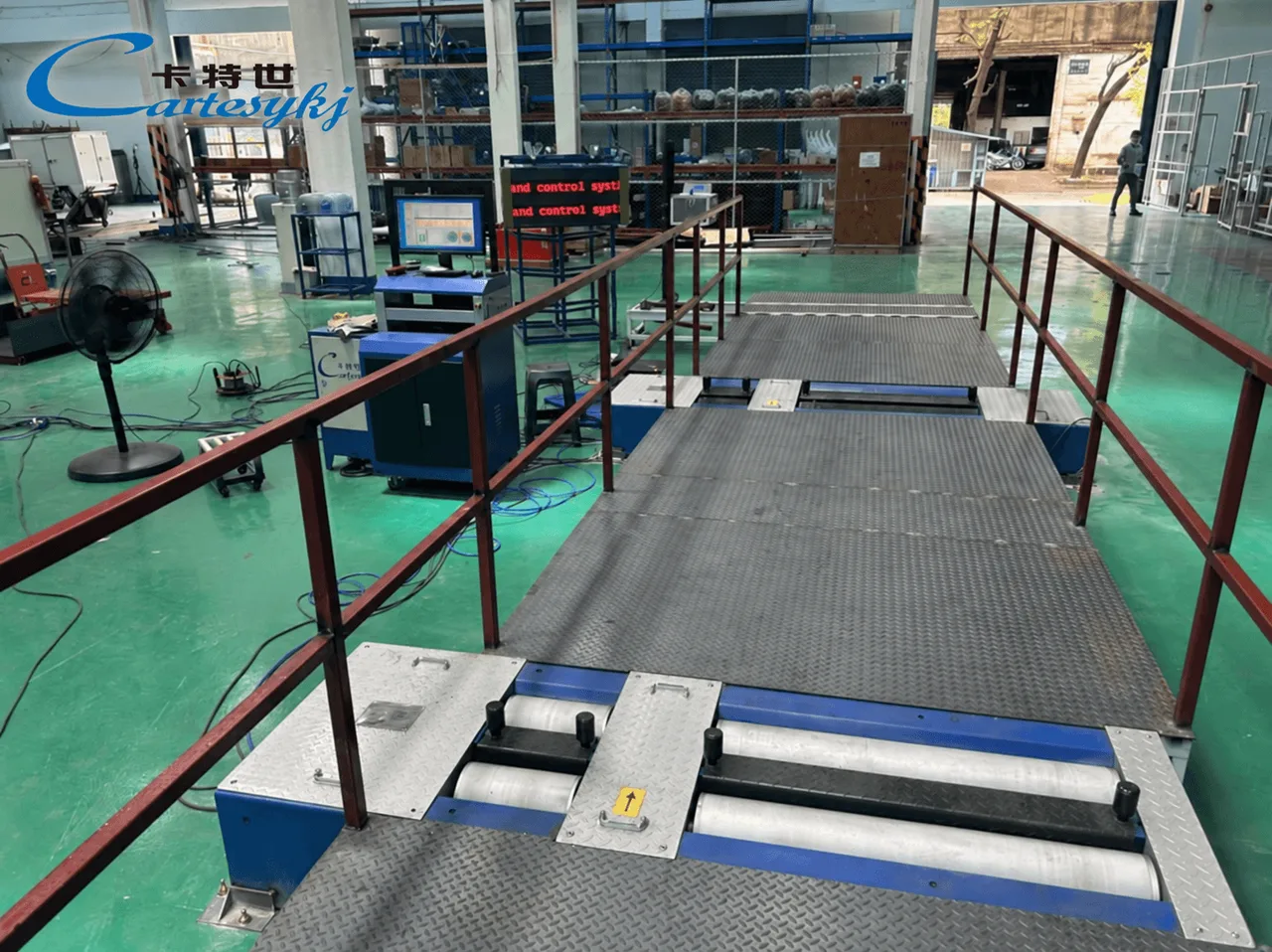
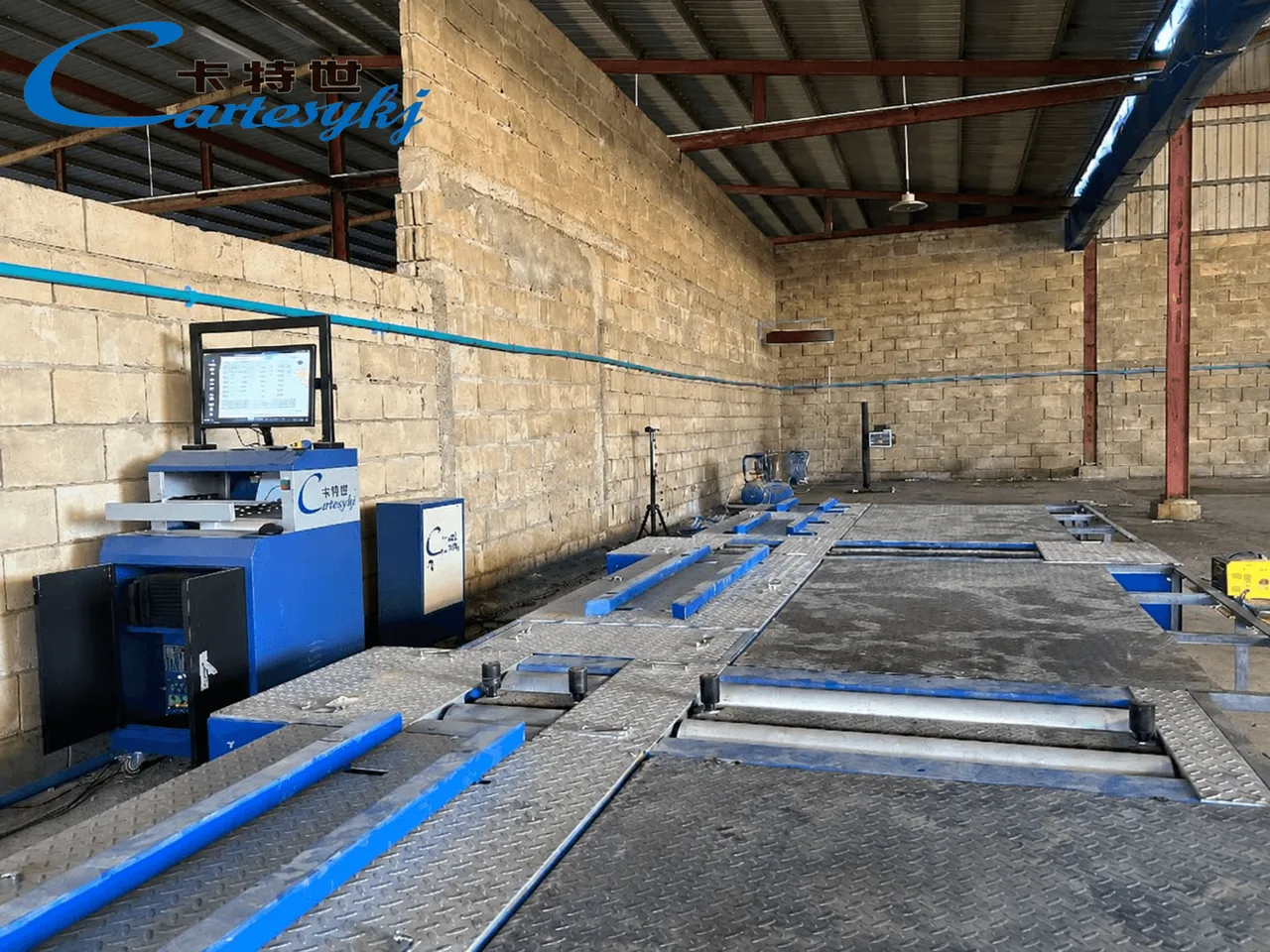
The layout should accommodate the required vehicle positioning, operator access, movement between stations, and maintenance tasks. Installation drawings should define the requirements for the proposed equipment, including mounting, utilities, and access clearances.
Specify the Data Connections
When several instruments contribute to a common report, define how their records will be combined.
Automatic identification, direct instrument communication, shared software, and report generation are capabilities to verify in the proposed configuration. The technical proposal should identify which steps are automatic and which require operator input.
The report should distinguish
Direct measurements and their units.
Calculated results and their calculation basis.
Relevant vehicle conditions and equipment settings.
Acceptance decisions and the criteria applied.
Tests that were omitted, incomplete, or outside the selected scope.
A sample report helps the facility evaluate whether the proposed system preserves enough information to interpret each result.
Evaluate the Complete Operating Process
If throughput is part of the project specification, assess the complete process rather than relying on the measurement time of one instrument.
Vehicle identification, preparation, positioning, testing, and reporting all contribute to the workflow. Any throughput claim should be supported by a defined procedure and evidence relevant to the proposed configuration.
The same principle applies to automation. The proposal should explain which tasks are automated and what the operator still needs to do, without assuming that shared software makes the entire inspection automatic.
Set Up the Line for the U.S. Application
For a U.S. installation, identify the intended use, vehicle classification, and applicable requirements before assigning acceptance limits.
The project may follow a named inspection program, a customer specification, or an internal evaluation procedure. That basis should be documented alongside the test methods and reporting requirements.
Measurement and acceptance should remain distinct. The instrument produces a result under stated conditions; the applicable rule determines how that result is evaluated.
A software-generated “pass” is meaningful only when the underlying rule is known and appropriate. A general reference to a standard does not establish acceptance of a specific installation for its intended purpose.
Brake, headlight, and any supported side-slip assessments also remain limited to their defined functions. They do not, by themselves, establish battery health, insulation condition, or complete electrical-system safety. Those questions require separate assessment methods where they form part of the project.
Request a Configuration Based on the Required Tests
Ask an automotive inspection line manufacturer for a proposal that connects the intended electric motorcycles and inspection tasks to specific equipment functions.
The proposal should identify the supported vehicle configurations, brake-testing method, headlight-testing capabilities, and the evidence supporting any proposed side-slip function. It should also include installation requirements, calibration documentation, operating procedures, and a sample inspection report.
Where a demonstration or acceptance test is arranged, use agreed vehicles and procedures representative of the intended application. Review the complete workflow, the interpretation of each measurement, and the information retained in the final report.
An electric motorcycle testing solution should make the purpose and limits of every station clear. Configuring the motorcycle inspection line around documented methods and supported vehicle arrangements provides a practical basis for evaluating whether the proposed system meets the facility’s actual inspection requirements.
Project imagery