Project
Automotive Teaching and Testing Line for Higher Education Institutions Design Proposal
A vehicle comprehensive inspection line for teaching should help learners complete a defined inspection task: identify the vehicle, select the applicable procedure, obtain or review measurements, interpret the results.
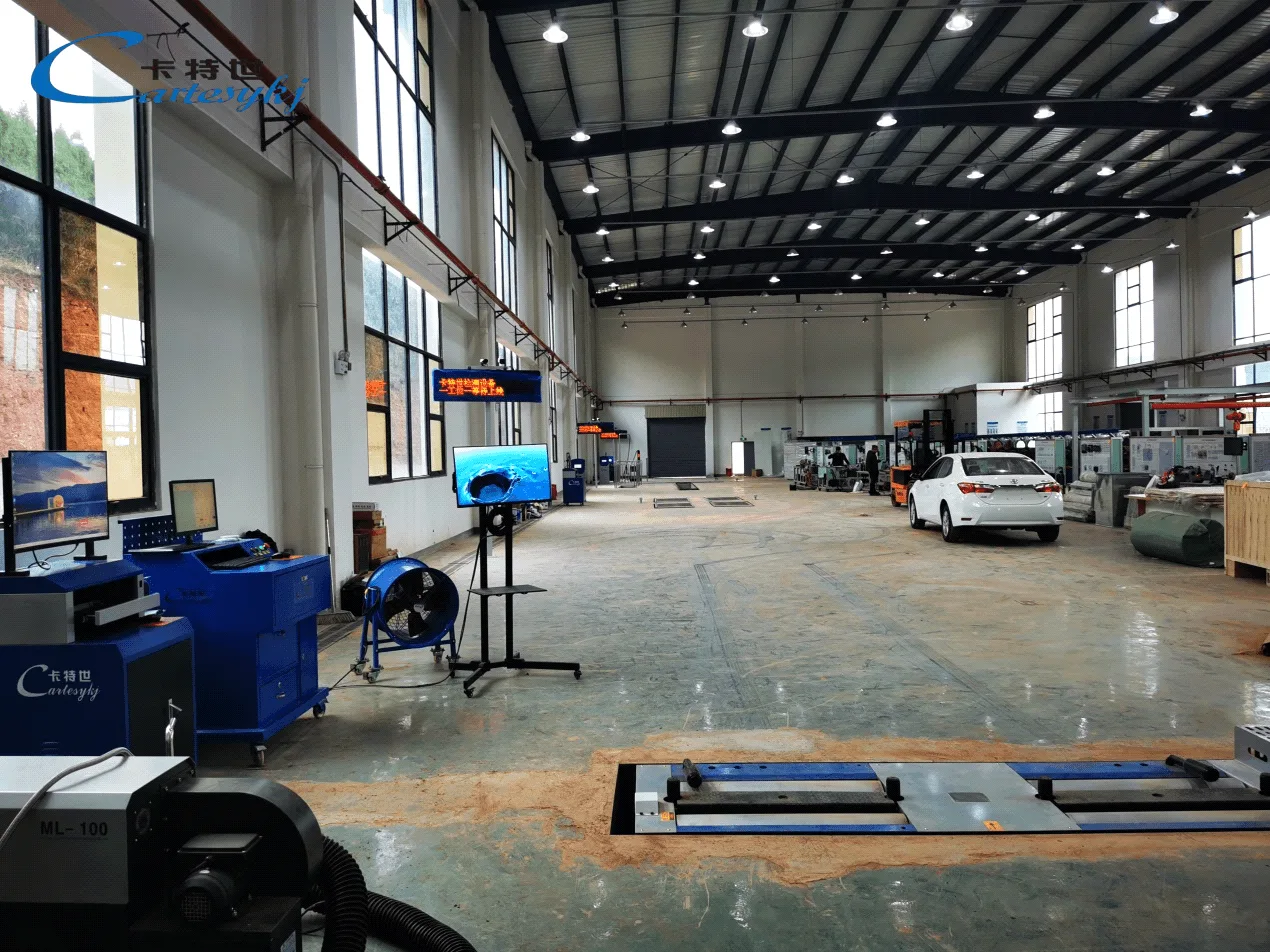
A vehicle comprehensive inspection line for teaching should help learners complete a defined inspection task: identify the vehicle, select the applicable procedure, obtain or review measurements, interpret the results, and produce an inspection record. Each station should make the purpose of the measurement and the basis for the conclusion clear.
For technical colleges and automotive training centers, the equipment configuration should follow the curriculum and the vehicles used for instruction. A core inspection line can be supplemented with chassis dynamometer and electric vehicle modules where those functions support specific learning objectives.
The teaching scope should state exactly which vehicle systems, procedures, and competencies are covered. Equipment, instructional materials, and assessment methods then need to work together around that scope.
Start With the Skills the Training Line Must Teach
The first planning decision is what students should be able to demonstrate after completing an activity.
Operating an instrument is one part of practical training. Learners also need to understand whether the selected method applies to the vehicle, what the equipment measures, which conditions matter, and what conclusions the results support.
A useful curriculum map connects each learning objective to observable evidence.
| Training Area | What Learners Should Demonstrate | Evidence of Learning |
|---|---|---|
| Inspection planning | Identify the vehicle configuration and select the applicable documented procedure. | A correctly completed inspection plan with the relevant method and scope. |
| Measurement and recording | Recognize units, required conditions, and the difference between measured and calculated values. | A record that preserves results, conditions, and data sources. |
| Result interpretation | Apply the specified criteria and explain the limits of the conclusion. | An inspection report supported by the recorded evidence. |
| Performance testing | Interpret dynamometer outputs at the correct measurement point. | An annotated performance report explaining the quantities and test conditions. |
| Electric vehicle inspection | Identify what a selected assessment establishes and which questions remain unanswered. | A report that separates retrieved data, direct measurements, and unassessed items. |
The equipment proposal should map its stations and supporting resources to these objectives. This makes it possible to evaluate whether a proposed function contributes to the course rather than simply adding another machine to the laboratory.
Build a Core Vehicle Inspection Line for Supervised Practice
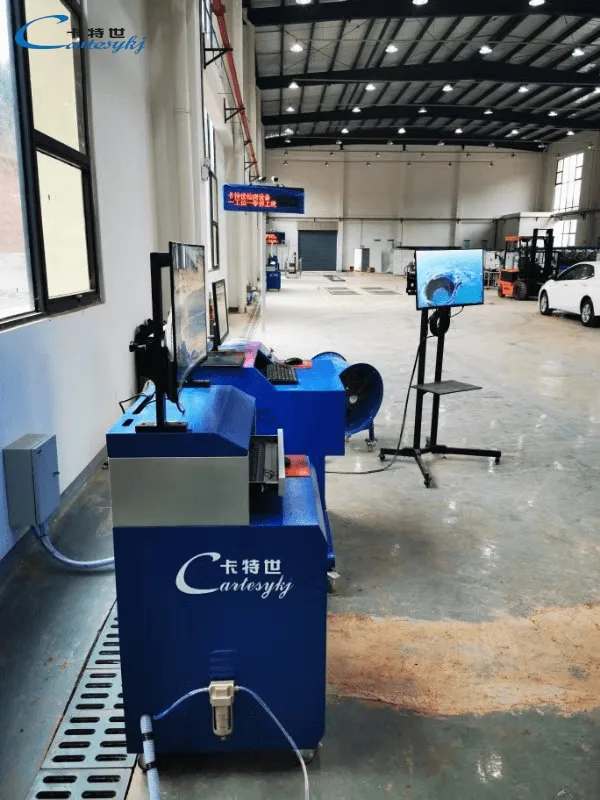
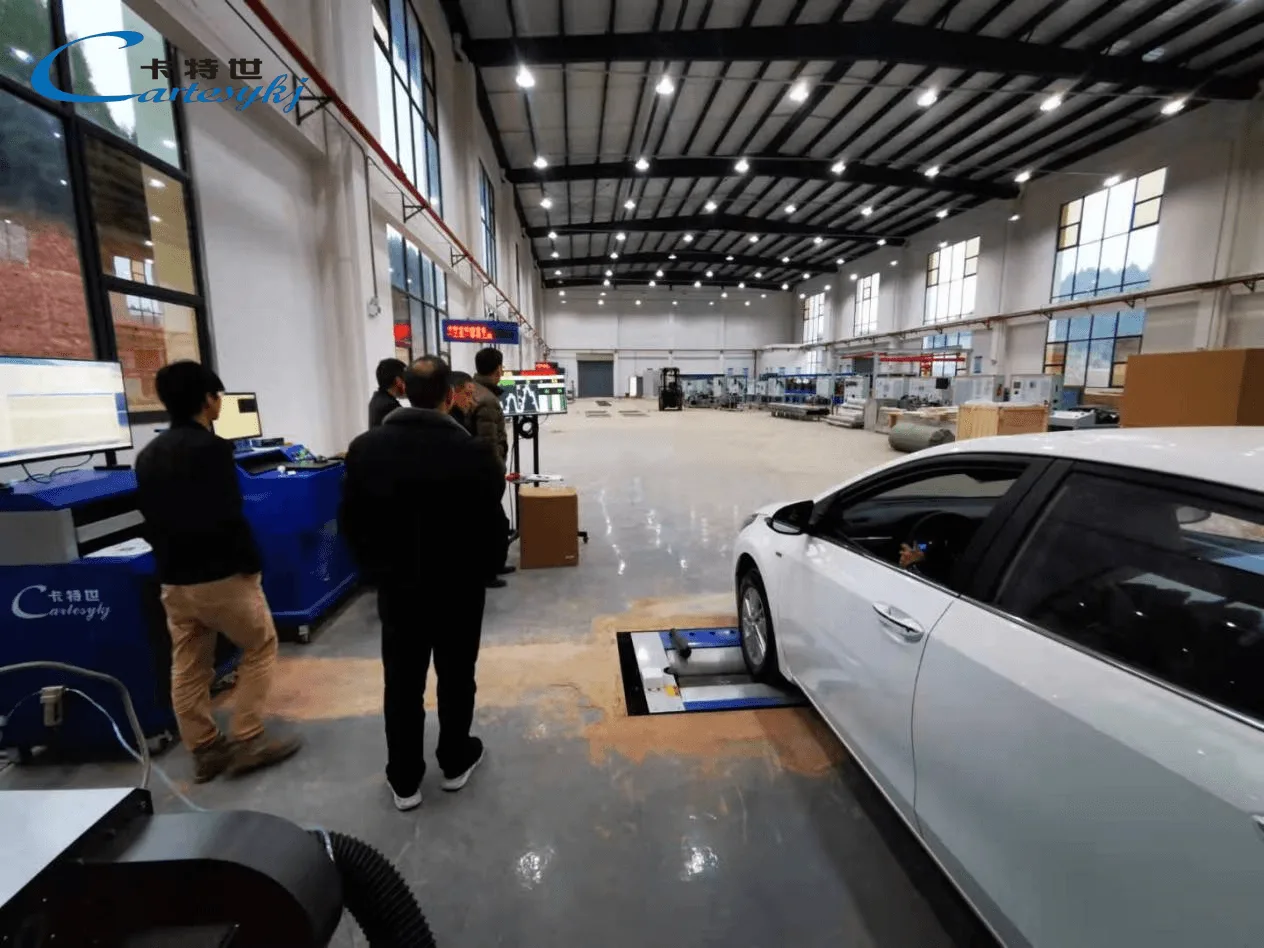
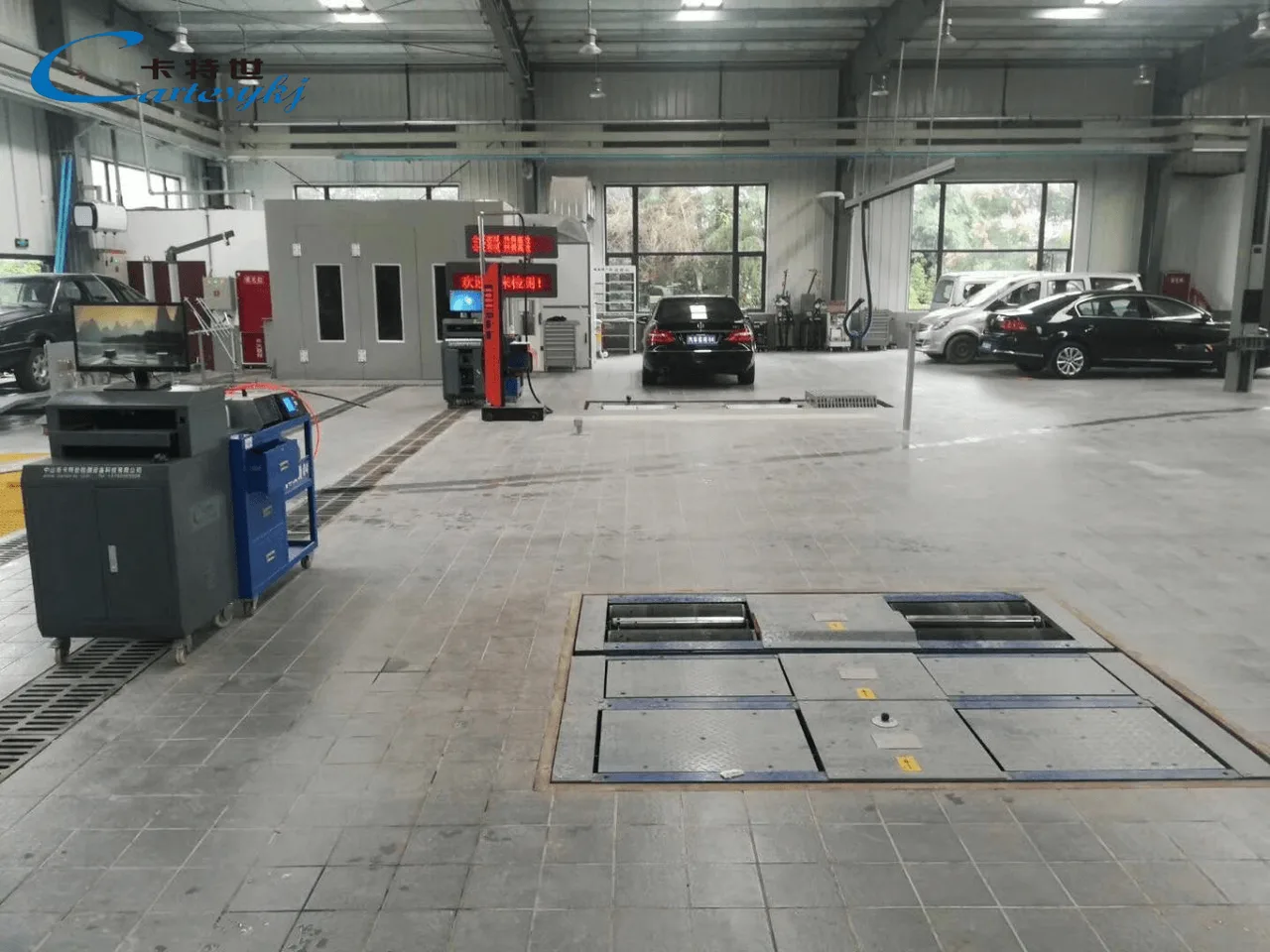
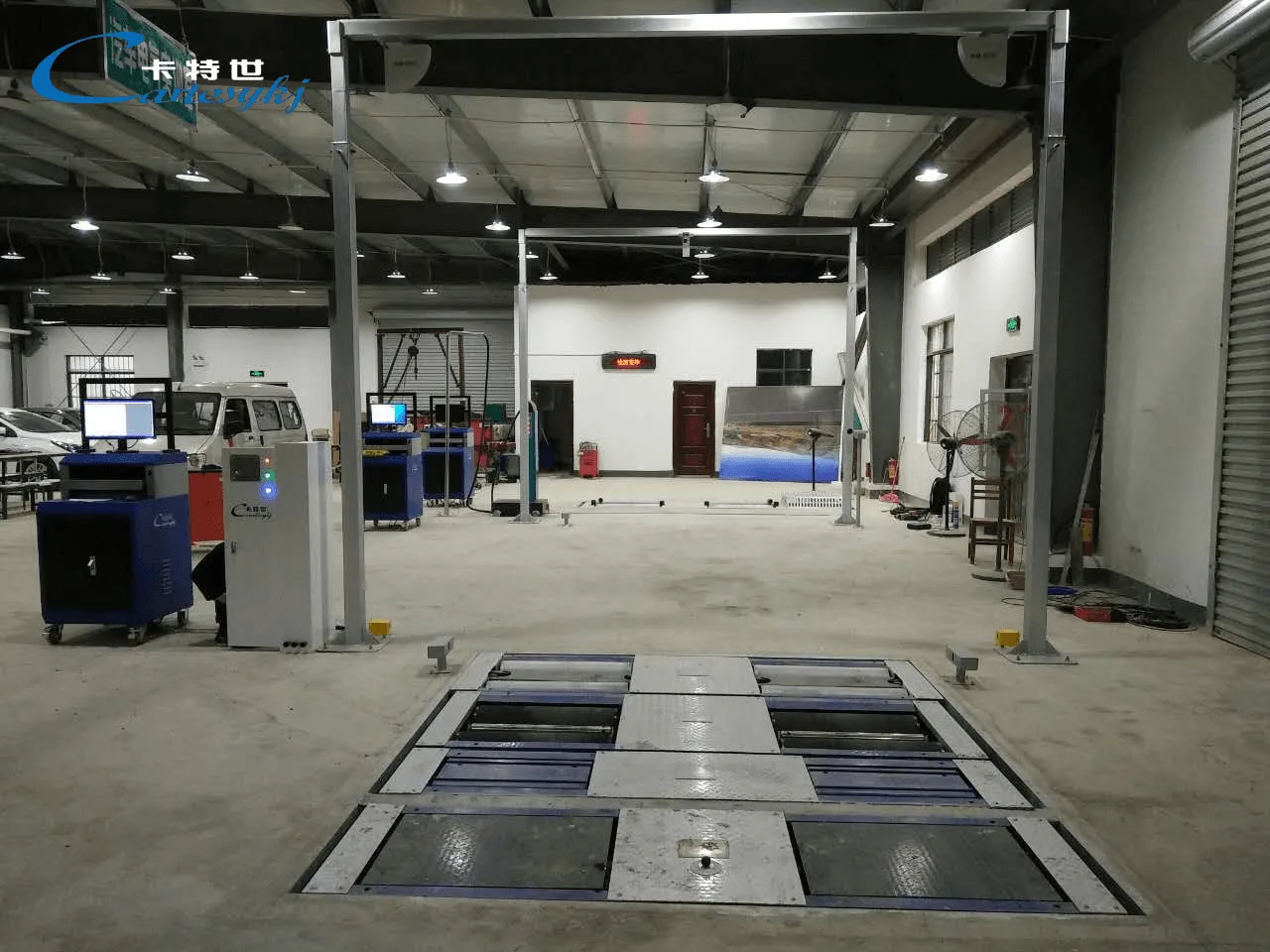
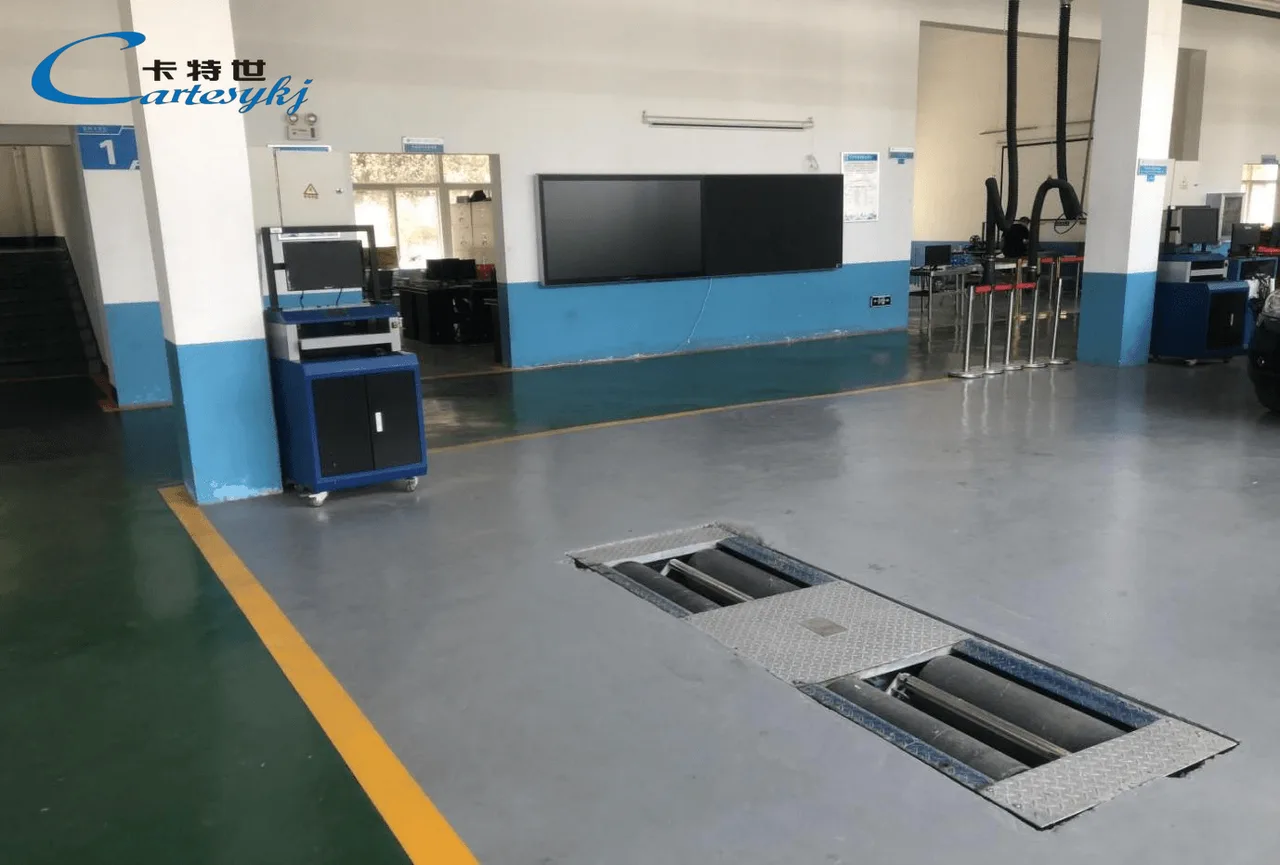
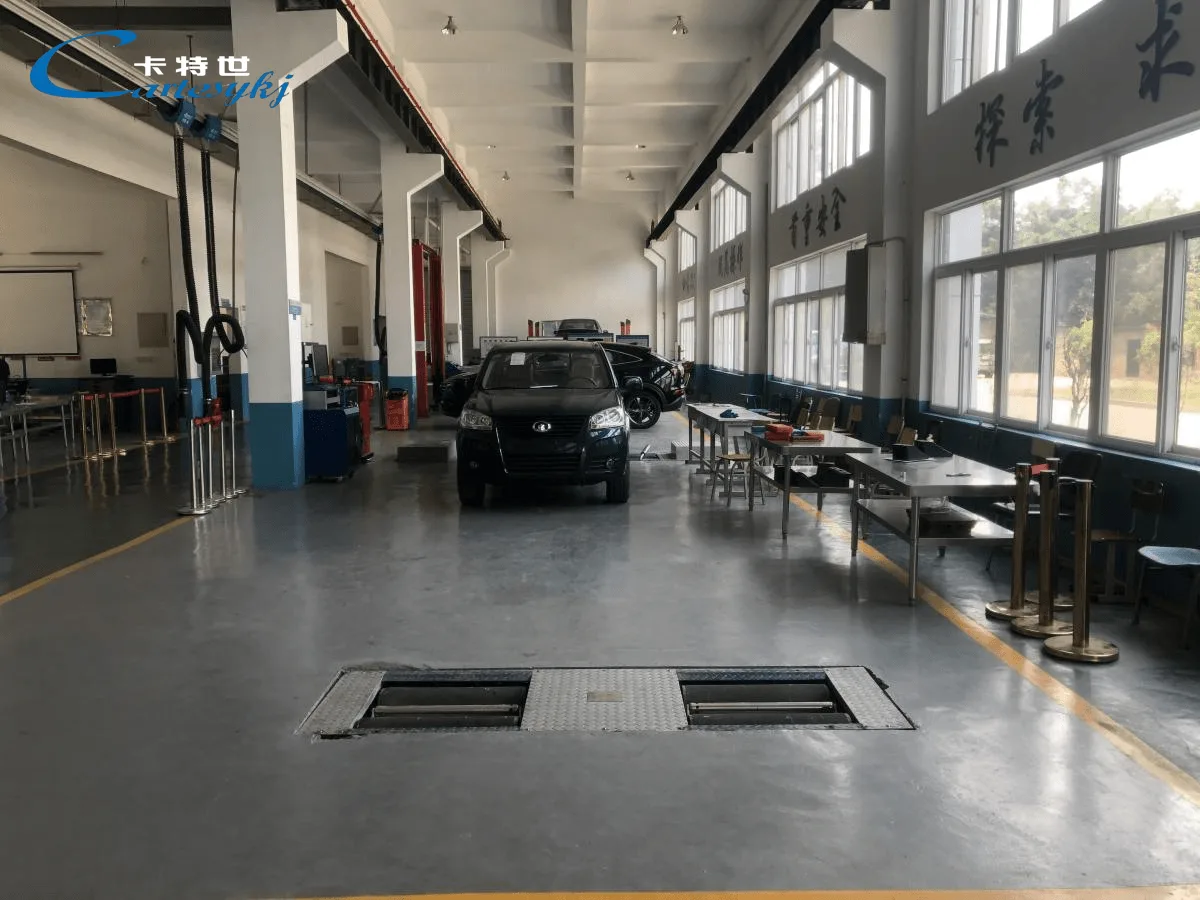
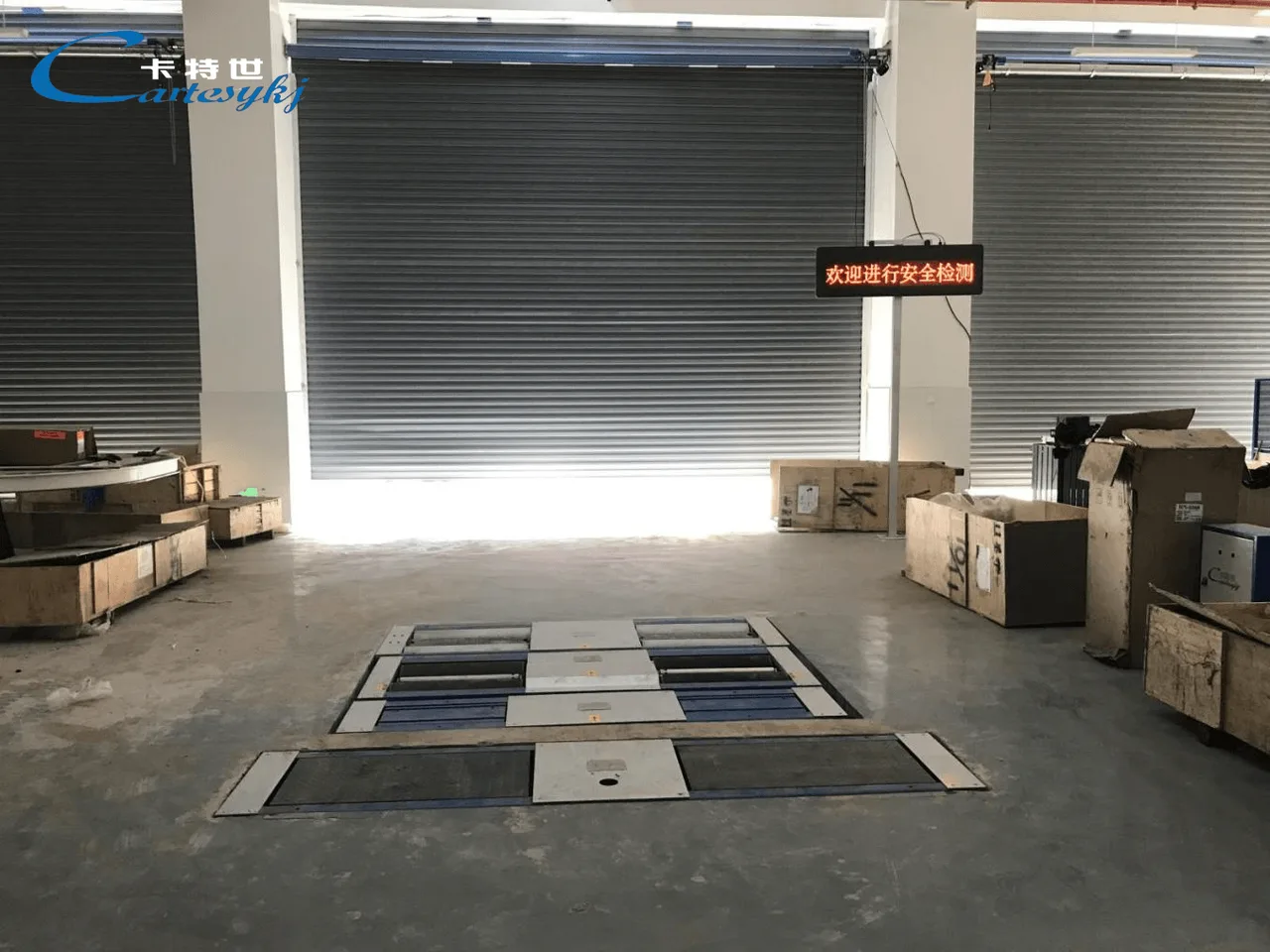
A teaching vehicle inspection line should provide a structured setting for the inspection functions included in the course.
Depending on the curriculum, the configuration may include brake testing, wheel-load measurement, headlight assessment, or other specified checks. Each function needs a documented method and a supported range of training vehicles.
The physical sequence should follow the selected equipment and vehicle procedures. The lesson plan should define how students move from identifying the task to understanding the result.
Make the Measurement Process Visible
At each station, learners should be able to identify
The question the test is intended to answer.
The vehicle configuration and conditions relevant to the procedure.
The quantities measured directly.
Any calculations performed by the system.
The criteria used to interpret the result.
For example, where a brake-testing result includes a calculation based on load information, the lesson should explain which load value is used and why its units and source matter.
This turns the displayed result into an opportunity to teach measurement reasoning.
Define Student and Instructor Roles
The training plan should identify who operates the equipment, who observes, who records information, and who reviews the result.
Practical activities should follow the institution’s prerequisites, supervision arrangements, and the applicable equipment and vehicle documentation. The equipment specification should identify any controls or access features required to support that teaching arrangement.
Demonstrations, recorded examples, and live measurements can serve different instructional purposes. Their origin should remain clear in the lesson materials and student records.
Use an Automotive Chassis Dynamometer to Teach Performance Interpretation
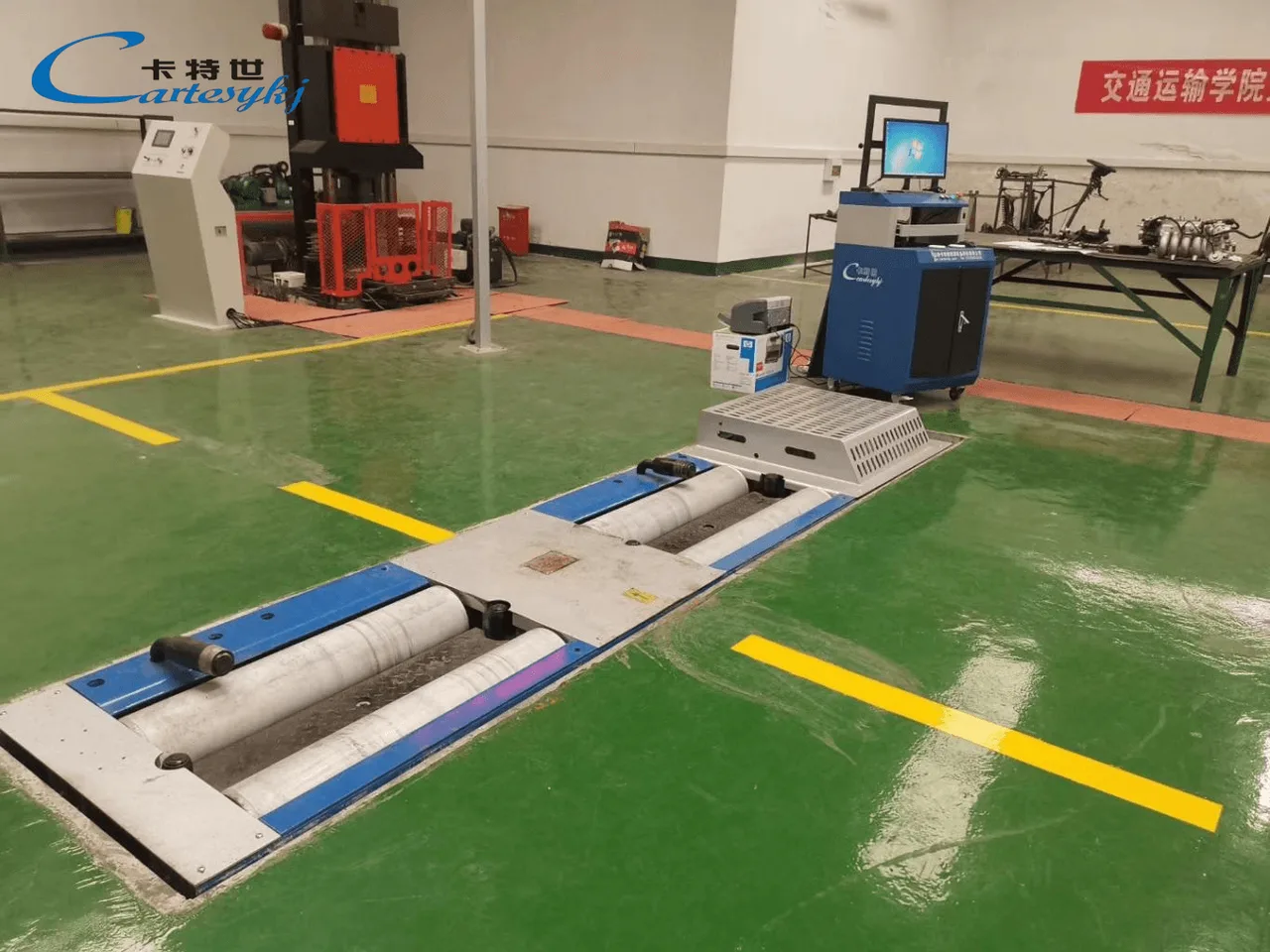
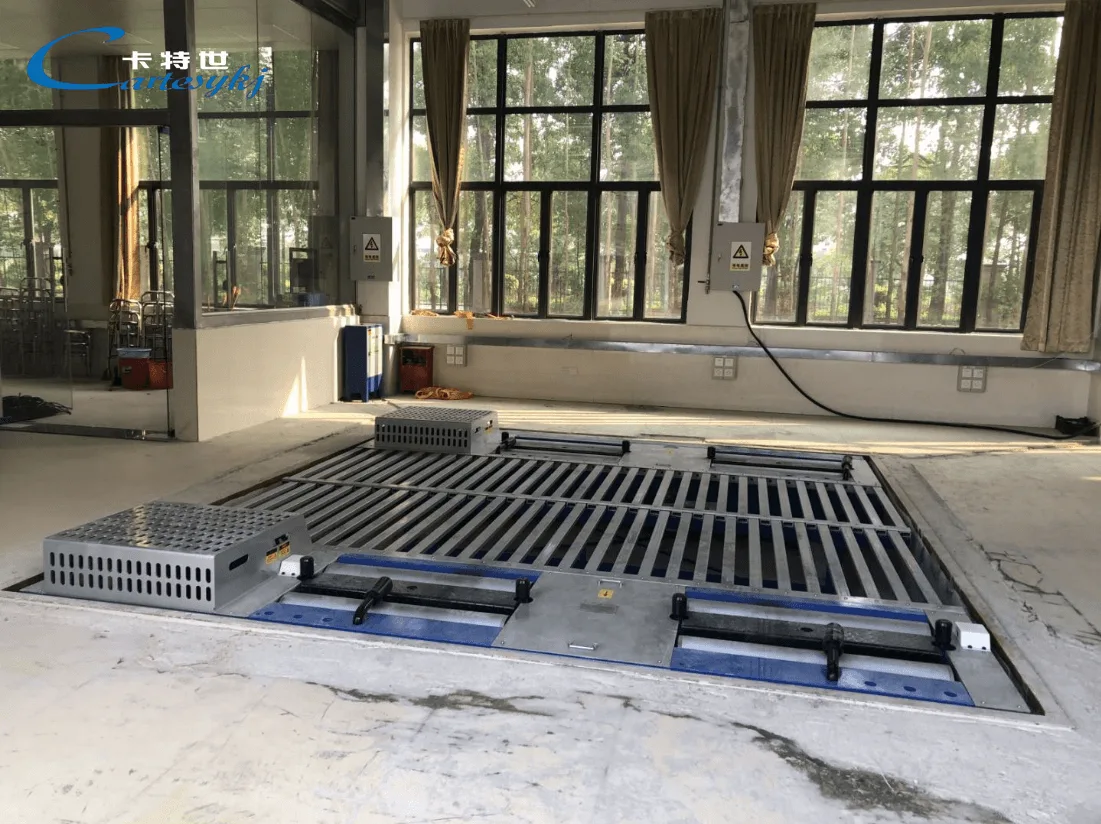
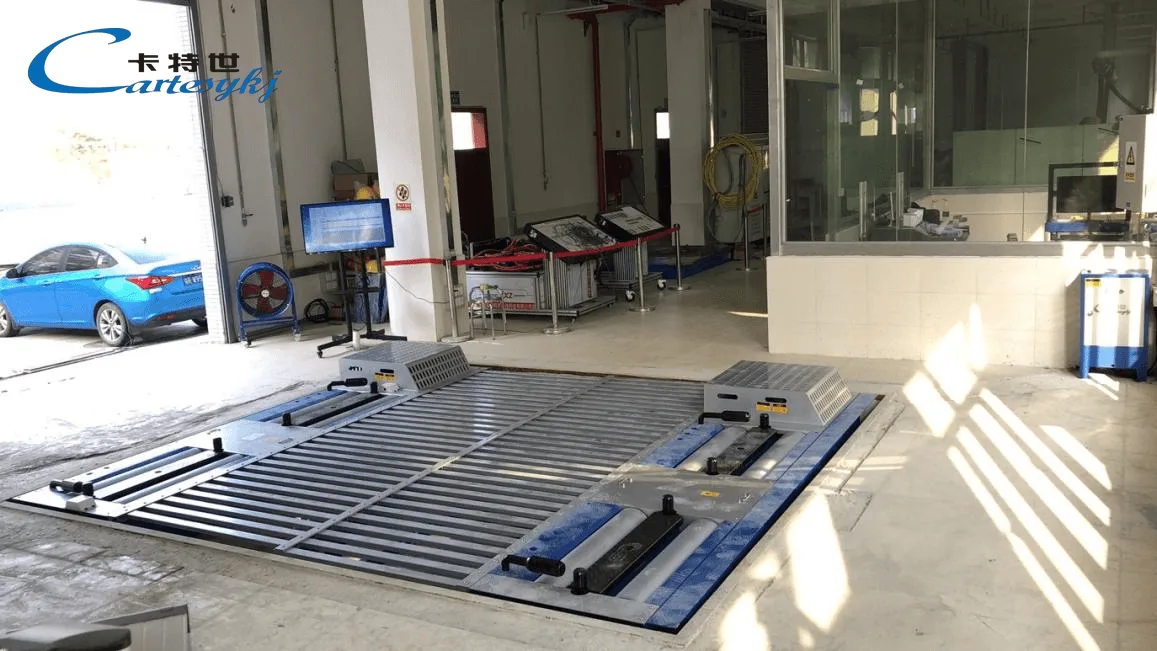
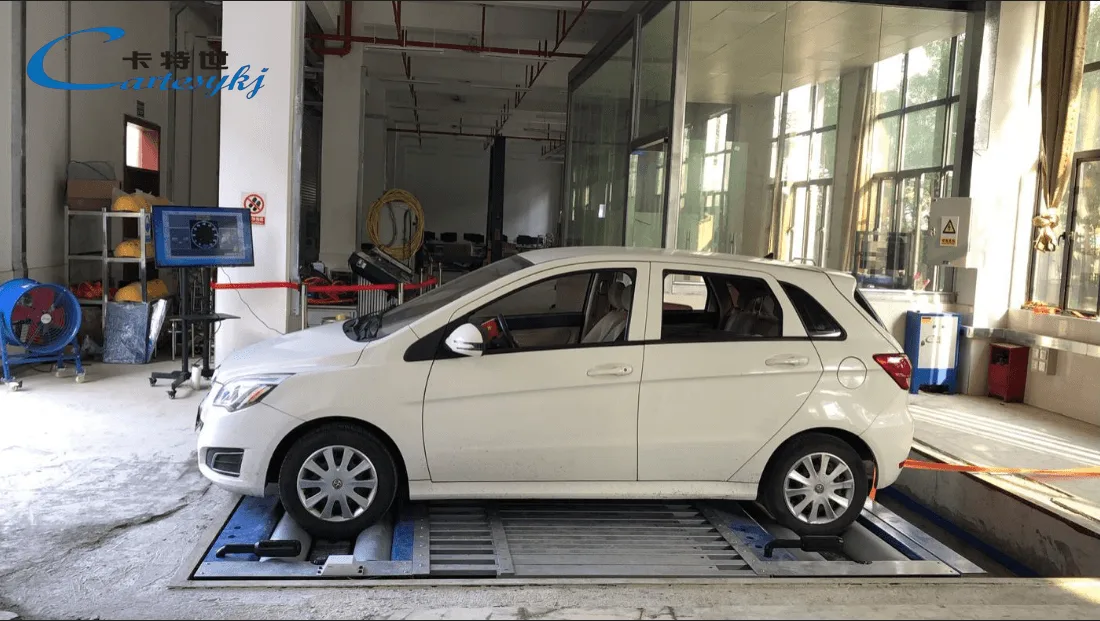
An automotive chassis dynamometer can support instruction in vehicle-performance measurement when its documented functions match the course objectives.
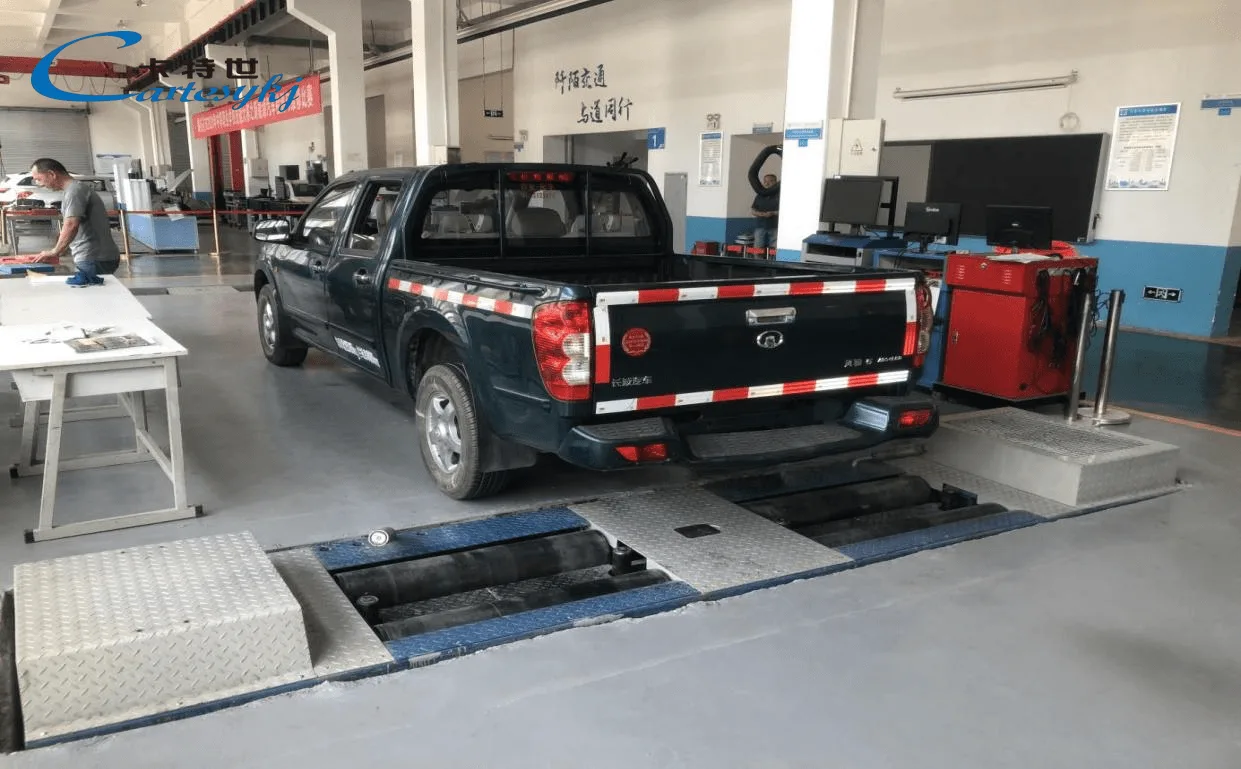
In a roller-based configuration, the driven tires interact with rollers. The system measures or calculates performance quantities according to its design and the selected procedure.
Students should learn where each reported quantity is assessed and how it is obtained. A wheel-output result should remain distinguished from an estimated engine- or motor-shaft output. Any correction or conversion requires a documented method and assumptions.
Connect the Performance Curve to the Test Conditions
A useful training exercise asks learners to explain the information behind a performance curve.
The exercise can include identifying the vehicle, operating mode, measurement units, relevant conditions, and the calculation method used for any derived result. When comparing two records, students should establish whether the conditions and measurement definitions are comparable.
For electric vehicles, the selected procedure may require recording battery charge level, available temperature information, or other relevant vehicle settings. The lesson should explain their role without assigning unsupported universal test conditions.
Verify the Required Dynamometer Functions
Controlled loading, maintained operating points, automated sequences, and road-load simulation are capabilities to confirm for the proposed configuration.
If a course requires one of these functions, the equipment specification should connect that learning activity to a documented operating mode. A general dynamometer description should not be treated as evidence that every planned exercise is supported.
Where a live test arrangement is unavailable or outside the course’s practical scope, appropriately labeled records can support instruction in data interpretation.
Treat 4WD Chassis Dynamometer Training as a Distinct Configuration
A 4WD chassis dynamometer can support instruction involving vehicles with driven wheels on both axles when the equipment and procedure are suitable for the intended vehicle.
The training module should explain the actual drive arrangement and how the test system manages the relationship between the axle stations. The “4WD” designation alone does not establish compatibility with every all-wheel-drive architecture.
Students should learn to use the documented configuration rather than assume that every system uses the same roller connection, speed relationship, or load-control method.
Teach How Axle Results Are Reported
Where front- and rear-axle information is available, learners should distinguish individual-axle results from combined vehicle output.
A classroom exercise can ask students to examine whether separate axle peaks occur at the same point in the test and whether the documented calculation supports the displayed combined result. Independently observed peaks should not simply be added without considering timing and method.
The report should identify whether a value is measured, calculated, or corrected, and which axle or combined output it represents.
Any practical vehicle test mode should follow the relevant documentation. The course should not depend on an improvised instruction to disable vehicle control systems.
Develop Electric Vehicle Modules Around Defined Inspection Questions
Electric vehicle testing equipment should be selected according to the specific functions the course intends to teach.
An introductory activity may focus on identifying vehicle configurations and interpreting diagnostic information. Another may address a defined mechanical or electrical measurement. These activities require different resources, procedures, and prerequisites.
The teaching plan should explain which activities involve live measurements, instructor demonstrations, or analysis of supplied records.
Keep New Energy Vehicle Safety Inspection Within Its Defined Scope
A new energy vehicle safety inspection module should teach learners to connect each assessment with the conclusion it supports.
For example, a brake-test result concerns the braking quantities covered by the selected method. A battery-management-system value is retrieved information with a particular source and meaning. An electrical measurement addresses the property and system boundary defined by its procedure.
These forms of evidence should remain separate in the student’s reasoning.
Learners should be able to explain why a reported charge level does not independently establish usable battery capacity, or why a mechanical inspection result does not establish the condition of every electrical system.
Match Practical Activities to Prerequisites and Supervision
Where live electrical assessments are included, the course should define the required prior knowledge, instructor supervision, equipment applicability, and manufacturer-defined procedures.
The lesson materials should remain within the supported vehicle and equipment scope. A simulated activity or a limited measurement exercise should not be presented as evidence of competence for unrestricted electrical work.
This allows the module to develop specific, assessable skills while preserving clear limits around each practical activity.
Turn Each Station Into a Complete Learning Task
A practical session should connect preparation, evidence, interpretation, and review.
The instructor can begin by defining the inspection question and providing the relevant vehicle information and procedure. Students then identify the applicable method and the information they need to record.
During the activity, learners obtain or review the results under the permitted teaching arrangement. They should preserve the units, conditions, and source of the information rather than recording only a final status.
The session should end with an explanation of the conclusion. Students should show how the evidence supports that conclusion and identify any missing or unassessed information.
Assess the Learner Separately From the Vehicle
The student’s result and the vehicle’s result serve different purposes.
A learner can correctly inspect and interpret a vehicle that does not meet the selected criteria. Equally, a vehicle may meet those criteria without the learner demonstrating a sound understanding of the method.
Student assessment should therefore consider method selection, documentation, interpretation, and the quality of the explanation. A successful equipment run or a vehicle “pass” should not become the sole basis for a student’s grade.
Label Teaching Data Clearly
Live measurements, recorded test examples, and simulated data should remain identifiable.
If instructor-prepared scenarios are used, the materials should label them as teaching exercises. They should not be presented as actual measurements from a customer vehicle or as proof of equipment performance.
Any proposed teaching software should be evaluated against the course requirements. Student accounts, automatic grading, instructor dashboards, and simulation functions are features to verify for the selected system.
Plan the Laboratory Around Instruction and Equipment Requirements
The laboratory layout should support the documented vehicle movement, positioning, operator access, and maintenance requirements of the equipment.
It should also allow the instructor to supervise the planned activity and students to observe from the positions established by the teaching and operating arrangements.
Installation drawings should define the requirements for the selected configuration. Generic laboratory dimensions should not replace the equipment’s documented mounting, utility, and access requirements.
Data presentation also needs planning. If the course requires students to review measurements outside the immediate operating area, specify the required report format, export function, or display arrangement. These capabilities should be confirmed rather than assumed.
Where a teaching facility also intends to perform external inspection work, that operating scope should be evaluated separately. Course assessment criteria should remain distinct from the requirements used to issue a formal vehicle inspection decision.
Specify the Teaching Deliverables With the Supplier
An automotive inspection station equipment supplier should receive a proposal brief that connects the curriculum, training vehicles, practical activities, and reporting needs.
Request a configuration that identifies
The learning objectives supported by each station.
The documented vehicle configurations and operating modes.
The measurements and calculations available to students.
The required instructional and operating materials.
The actual teaching-software and data-export functions.
Installation, calibration, maintenance, and instructor-training requirements.
Where a demonstration is arranged, review the proposed equipment through a representative teaching activity. Check whether the instructor can explain the method, learners can access the necessary information, and the resulting record supports meaningful assessment.
A vehicle comprehensive inspection line becomes a useful teaching solution when its equipment and instructional design support the same objectives. Connecting documented procedures, supervised practice, data interpretation, and assessment gives the training center a clear basis for evaluating both the equipment and the learning experience.
Project imagery